Country's codes
International phone code for Guernsey: +44
ISO 3166-1 Alpha-3 (Country): GGY
ISO 3166-1 Alpha-2 (Country): GG
2 letters (internet domain): .GG
Digital country code: 831
Standard EAN-13 (country barcode): n/a
 Olympic country code: n/a (competes under Great Britain)
Guernsey: The Island of Cliffs, Cream Teas, and Norman Heritage
Getting to Guernsey
Guernsey Airport is served by regular scheduled flights from across the UK and Ireland — including London Gatwick, London City, Manchester, Southampton, Bristol, and Dublin. Flight time from London is just under an hour. Carriers include Aurigny (Guernsey's own airline), easyJet, British Airways, and Loganair.
Condor Ferries operates year-round services from Poole and Portsmouth on England's south coast, and from Saint-Malo in Normandy, France — just 1 hour 20 minutes by fast craft. Ferries carry cars, giving flexibility to explore Guernsey and neighbouring islands. Inter-island ferries connect Guernsey to Herm, Sark, and Alderney throughout the year.
Tip: Guernsey is not part of the EU, so EU visitors should check their mobile data roaming plans. UK passport holders and most EU nationals can enter with a national ID card — no visa required for leisure visits.
Best Time to Visit Guernsey
Guernsey enjoys a mild maritime climate, warmed by the Gulf Stream, making it one of the sunniest spots in the British Isles. May to September is the prime season, with average summer temperatures of 18–22°C, long sunny days, and all attractions, beaches, and island ferry services operating at full capacity. July and August are the busiest and most expensive months — book accommodation well in advance.
May and June are ideal — pleasant warmth, wildflowers along the cliff paths, and far fewer crowds. Autumn brings softer light and quieter roads, perfect for cycling and coastal walks. Liberation Day (9th May) is a wonderful time to visit, with island-wide celebrations marking the end of German Occupation in 1945. Winter is mild by British standards but some attractions operate reduced hours or close.
Tip: Guernsey has one of the largest tidal ranges in the world — always check tide times before visiting causeways, coastal pools, or remote bays, as the sea can advance rapidly and cut off access points.
Top Attractions in Guernsey
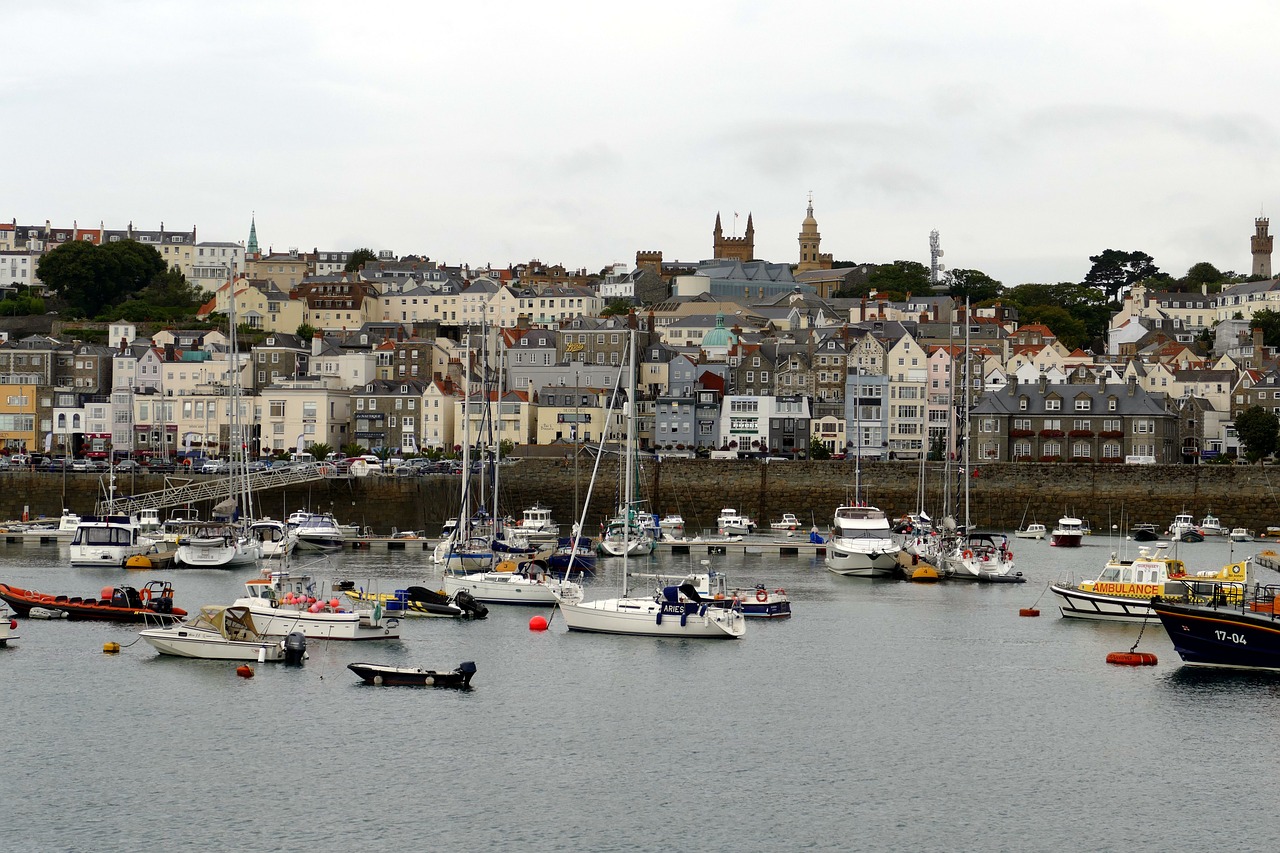
Castle Cornet has guarded Saint Peter Port harbour for over 800 years and houses four museums and four period gardens, with a daily midday cannon fired by scarlet-clad guards. Hauteville House was the exile home of French author Victor Hugo from 1856 to 1870, where he wrote Les Misérables — the house's eccentric décor, designed entirely by Hugo himself, is extraordinary.
The German Underground Hospital — covering 6,950 square metres of tunnels — is the largest surviving reminder of the German Occupation of 1940–1945. The enchanting Little Chapel, covered entirely in shells, pebbles, and broken china, is one of the world's smallest and most unusual chapels. A short ferry ride away, Herm Island's Shell Beach — its sand made of millions of tiny shell fragments — is one of the most beautiful and unspoilt beaches in the British Isles.
Tip: Moulin Huet Bay on the south coast was the inspiration for 15 paintings by Impressionist master Pierre-Auguste Renoir during his 1883 visit — a stunning spot in its own right.
A Glimpse into Guernsey's History
Guernsey has been inhabited since around 5000 BC — Neolithic dolmens and menhirs scattered across the island are among the oldest human structures in northern Europe. The island was part of the Duchy of Normandy until 1204, when it chose loyalty to the English Crown after King John lost mainland Normandy to France, a constitutional bond it has maintained — in its own unique way — ever since.
Guernsey's darkest chapter came during World War II, when it was invaded and occupied by Nazi Germany from 30 June 1940 to 9 May 1945 — the only British territory to fall under German control. Around one-third of the population had evacuated to England; those who remained endured five years of occupation, food shortages, and forced labour. The story was brought to global attention by Mary Ann Shaffer's novel The Guernsey Literary and Potato Peel Pie Society (2008), later adapted into a Netflix film. Liberation Day (9th May) remains the island's most important public holiday.
Tip: The Guernsey Museum at Candie Gardens offers an excellent free introduction to the island's history, archaeology, and art — the gardens themselves are beautifully maintained and free to explore.
Practical Tips for Visiting Guernsey
Guernsey uses both pound sterling (£) and its own Guernsey pound — the two are interchangeable on the island, but Guernsey notes are not accepted in mainland UK. Contactless payments are widely accepted. Guernsey is not part of the NHS — emergency treatment is generally available, but travel insurance covering medical repatriation is strongly advised. The island's GST (goods and services tax) is just 8%, making shopping notably good value compared to the UK.
Guernsey has a reliable bus network and is excellent for cycling — many lanes have low speed limits and traffic is light. Car hire is available at the airport. The island's south coast cliff paths offer some of the most spectacular coastal walking in the British Isles. Local produce to seek out includes Guernsey cream and butter, fresh crab and lobster, Guernsey tomatoes, and locally brewed ales. The famous Guernsey cow — producing exceptionally rich golden milk — is an island icon.
Tip: The Go Guernsey bus network is cheap and reliable for getting between parishes, and the island is compact enough that most sights are within a short drive or cycle of Saint Peter Port.
Guernsey's Political Landscape
Guernsey is a self-governing British Crown Dependency — part of the Bailiwick of Guernsey, which also includes Alderney, Sark, and Herm. It is not part of the United Kingdom or the European Union, and is not represented in the UK Parliament. King Charles III is Head of State, represented locally by the Lieutenant Governor.
Guernsey's parliament is the States of Guernsey, which acts as both the legislature and executive body. The head of government is the President of the Policy and Resources Committee. As with the Isle of Man and Jersey, party politics plays almost no role — most members stand as independents. Guernsey's economy is dominated by financial services, supplemented by tourism and agriculture. Its status as a low-tax jurisdiction — with no capital gains tax, inheritance tax, or stamp duty — makes it one of Europe's leading offshore financial centres.
Tip: Guernsey considers itself neither British nor French but distinctly Guernsey — locals are proud of their unique Norman-influenced identity, their own language (Guernésiais), and their island's remarkable independence.
Useful country information
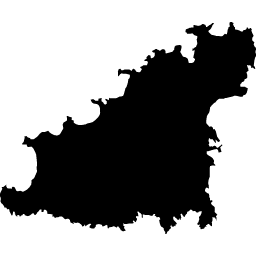
Land Area: 24 square miles (62 square kilometers) — Bailiwick of Guernsey total: 30 square miles (78 km²)
Population: Around 63,463 (2021 census); estimated ~64,800 (2024)
Languages: English is the main language. Guernésiais (a Norman-French dialect) is the traditional language of the island, still spoken by some islanders. French is used in some official contexts.
Ethnicity/Race:
- Guernsey-born: ~53%
- UK and Ireland-born: ~24%
- Portugal-born: ~2%
- Other European: ~3%
- Other/unspecified: ~18%
Religions:
- Protestant (Anglican, Methodist, Baptist, Presbyterian): majority Christian
- Roman Catholic: significant minority
- No religion: growing proportion
- Other religions: small communities
Capital and largest city: Saint Peter Port

Saint Peter Port: Capital City Profile
Get Travel Insurance Quote