

Country's codes
International phone code for Saudi Arabia: +966
3 letters: SAU
2 letters (internet domain): . SA
Digital country code 682
Standard EAN-13 (country barcode): 628
 Olympic country code: KSA
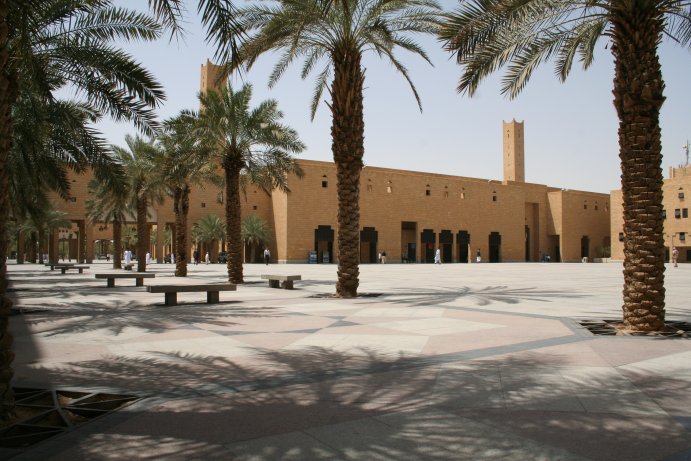
Saudi Arabia: Top Attractions & Best Time to Visit
A land of ancient history, futuristic cities, sweeping deserts, and coastal beauty, Saudi Arabia offers a unique blend of culture, adventure, and natural wonders. From UNESCO heritage sites to modern architectural icons, the Kingdom is becoming a must‑visit destination for global travelers.
Best Time to Visit Saudi Arabia
The best time to visit Saudi Arabia is during the cool season from November to March, when temperatures are pleasant and ideal for sightseeing, desert tours, hiking, and exploring outdoor attractions.
The spring months (March–May) are also comfortable in many regions, while summer (June–September) is very hot, but coastal areas such as Jeddah and the Red Sea offer enjoyable beach and diving conditions.
- Nov–Mar: Best overall weather; comfortable for all attractions.
- Apr–May: Warm and pleasant, good for beaches and mountains.
- Jun–Sep: Hot inland; ideal for Red Sea diving and coastal trips.
Top Attractions in Saudi Arabia
Riyadh & The Edge of the World
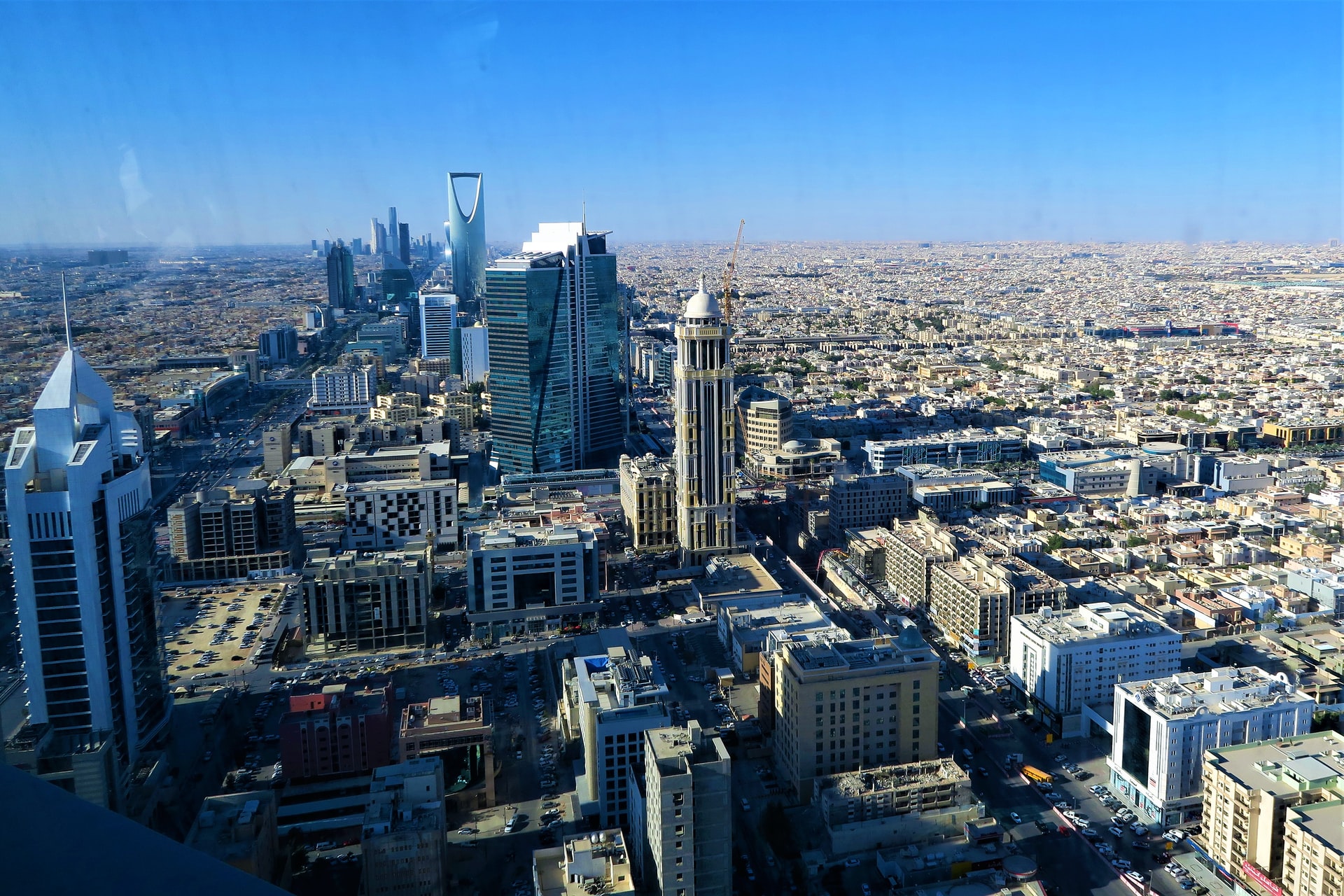
Explore Riyadh’s modern skyline, heritage sites, and traditional markets. A must‑do excursion is the Edge of the World, a dramatic escarpment overlooking vast desert landscapes.
AlUla & Hegra
One of the Kingdom’s most breathtaking destinations, AlUla features sandstone canyons, ancient tombs, and rock formations. Hegra is known for its monumental carved facades and archaeological significance.
Jeddah Corniche & Red Sea
A vibrant coastal city with beaches, diving spots, art installations, and the scenic Jeddah Waterfront. Explore the historic alleys of Al‑Balad for traditional architecture and local culture.
Abha & Asir Mountains
Escape to cool mountain air, lush viewpoints, cable cars, and colorful villages. The Asir region is perfect for photography and outdoor exploration.
Farasan Islands
Located in the Red Sea, these islands offer coral reefs, wildlife reserves, and pristine beaches. A hidden gem for divers and nature enthusiasts.
Taif
Known for its pleasant climate, rose farms, mountains, and dramatic viewpoints. A refreshing retreat during warmer months.
Tabuk Region
Explore canyons, oases, and unique desert landscapes. Historic sites and beautiful natural formations make this area perfect for adventure travelers.
Dammam & The Eastern Coast
Relax along the Corniche, visit islands and waterfront parks, and enjoy seafood. A laid‑back coastal destination with modern attractions.
Suggested 6‑Day Itinerary
- Day 1 – Riyadh: Explore museums, old markets, and sunset at Edge of the World.
- Day 2 – Jeddah: Walk Al‑Balad, Corniche, and enjoy the waterfront.
- Day 3 – AlUla: Visit Hegra and rock formations.
- Day 4 – Abha: Cable cars, mountain parks, and traditional villages.
- Day 5 – Farasan Islands: Snorkeling and beaches.
- Day 6 – Taif: Rose gardens, viewpoints, and mountain drives.
Practical Travel Tips
- Transport: Domestic flights are efficient for long distances; ride‑hailing apps are widely used.
- Dress: Modest clothing is recommended in public places.
- Weather: Desert temperatures vary—bring layers for cooler nights.
- Driving: Road conditions are excellent; car rentals are common.
- Food: Try local dishes such as kabsa, mutabbaq, and fresh seafood.
Useful country information
Total area: 829,995 sq mi (2,149,690 sq km)
Population (2022 est.): 35.34 million
Capital and largest city (2022 est.): Riyadh, 7,388,000
Riyadh: Capital City Profile
Other large cities: Jeddah, 3.578 millioin; Makkah (Mecca), 1.591 million
Monetary unit: Riyal
National name: Al-Mamlaka al-'Arabiya as-Sa'udiya
Language: Arabic
Ethnicity/race: Arab 90%, Afro-Asian 10%
Religion: Muslim (official; citizens are 85-90% Sunni and 10-15% Shia), other (includes Eastern Orthodox, Protestant, Roman Catholic, Jewish, Hindu, Buddhist, and Sikh) (2012 est.)
National Holiday: National Day, September 23

Background:
Saudi Arabia is famous for oil, to be the origin of Islam, Arabian horses, the world's largest sand desert (Rub' Al Khali), the world's largest oasis (Al-Ahsa), Arabian coffee, oil, veiled women, countless mosques, Bedouins on horses, Bedouins on camels, Bedouins with falcons, sword-wielding dance moves, the holy cities of Mecca and Medina. Saudi Arabia is the largest country in the world without a river.
In 1902 Abdul al-Aziz Ibn SAUD captured Riyadh and set out on a 30-year campaign to unify the Arabian peninsula. In the 1930s, oil discovery transformed the country from an underdeveloped tribal desert kingdom to one of the region's wealthiest nations.
Following Iraq's invasion of Kuwait in 1990, Saudi Arabia accepted the Kuwaiti royal family and 400,000 refugees while allowing Western and Arab troops to deploy on its soil for the liberation of Kuwait the following year.
King Salman bin Abdulaziz Al Saud, the former Governor of Riyadh is now King of Saudi Arabia. Major modernizing changes currently being enacted in Saudi Arabia by Crown Prince Mohammad bin Salman.

Country Map

COUNTRY MAP WITH STATES/PROVINCES BOUNDARIES CLICK HERE

Source of Information:


