

Country's codes
International phone code for Slovenia: +386
3 letters: SVN
2 letters (internet domain): . SI
Digital country code 705
Standard EAN-13 (country barcode): 383
 Olympic country code: SLO

Slovenia Travel Guide: Top Attractions & Best Time to Visit
A small but spectacular country where the Alps meet the Adriatic Sea, Slovenia offers pristine nature, charming towns, world-class caves, and a strong culture of sustainability. A perfect destination for outdoor lovers and wellness-focused travelers.
Best Time to Visit Slovenia
Slovenia enjoys four distinct seasons, each offering its own style of beauty—alpine summers, colorful autumns, festive winters, and lively springs. The ideal time depends on what you want to experience.
Mild temperatures, great hiking conditions, and fewer crowds.
- Spring (Apr–Jun): Flowers bloom, lakes turn bright turquoise, and hiking trails open.
- Summer (Jul–Aug): Best for mountains, lakes, and outdoor festivals; busiest season.
- Autumn (Sep–Oct): Ideal for wine harvests, photography, and exploring towns.
- Winter (Dec–Mar): Snow sports in the Alps, Christmas markets, thermal spa season.
Top Attractions in Slovenia
Lake Bled
Slovenia’s postcard-perfect landmark: a turquoise lake with an island church and a cliffside medieval castle. Ideal for rowing, walking, and photography.
NatureIconicRelaxation
Ljubljana
The green, vibrant capital features riverfront cafés, historic bridges, street art, hilltop castle views, and one of Europe’s most eco-friendly city designs.
CityCafésCultural
Postojna Cave & Predjama Castle
A world-famous cave system filled with stalactites and underground formations, paired with the dramatic Predjama Castle built into a cliffside.
CavesHistoryUNESCO
Lake Bohinj
A serene alpine lake surrounded by forests and mountains—perfect for swimming, boating, and accessing the famous Savica Waterfall.
NatureAdventure
Triglav National Park
Slovenia’s only national park and home to Mount Triglav, alpine valleys, rivers, waterfalls, and some of Europe’s finest hiking trails.
HikingMountainsScenic
Piran
A charming seaside town with Venetian architecture, narrow alleys, and Adriatic views. Ideal for seafood, sunsets, and coastal walks.
CoastHistoryRelaxation
Maribor & Wine Country
Home to some of the world’s oldest wine traditions, rolling vineyards, and the famous Old Vine—the world’s oldest producing grapevine.
WineCultural
Soča Valley
Known for its emerald river, rafting, kayaking, and WWI heritage trails. A paradise for adventure travelers and landscape photographers.
AdventureNature
Travel Tips for Slovenia
Slovenia blends natural beauty, sustainability, and rich culture into a welcoming destination. Whether you’re canoeing on alpine lakes, wandering through medieval towns, or savoring local wines, this small country delivers unforgettable experiences.
Useful country information
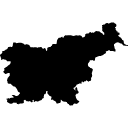
Total area: 7,827 sq mi (20,273 sq km)
Population (2022 est.): 2.107 million
Capital and largest city (2022 est.): Ljubljana 285,604.

Ljubljana: Capital City Profile
Monetary unit: Euro (formerly slovenian tolar)
National name: Republika Slovenija
Languages: Slovenian 91.1%, Serbo-Croatian 4.5%, other or unspecified 4.4% (2002)
Ethnicity/race: Slovene 83.1%, Serb 2%, Croat 1.8%, Bosniak 1.1%, other or unspecified 12% (2002 census)
Religions: Catholic 57.8%, Muslim 2.4%, Orthodox 2.3%, other Christian 0.9%, unaffiliated 3.5%, other or unspecified 23%, none 10.1% (2002 census)
National Holiday: June 25, Slovenia Statehood Day.
Background:
In the chaos of World War II Slovakia became a separate republic in 1938, tightly controlled by Germany. Post World War II in 1945 with the Warsaw Pact Czechoslovakia has become a communist state within a Soviet-ruled Eastern Europe. With the collapse of the Soviet influence in 1989 Czechoslovakia became a sovereign state.
Historic, political, and geographic factors have caused Slovakia to experience more difficulty than some of its Central European neighbors in developing from a centrally planned economy to a modern market economy.
In 1993 the Slovaks and the Czechs agreed to separate peacefully. In 2004 Slovakia became a member of the European Union and the NATO.


Source of Information:


