

Country's codes
International phone code for Syria: +963
3 letters: SYR
2 letters (internet domain): .SY
Digital country code: 760
Standard EAN-13 (country barcode): 621
 Olympic country code: SYR
Online Travel Visa Check.
Find Visa information for your destination.Syria Travel Guide
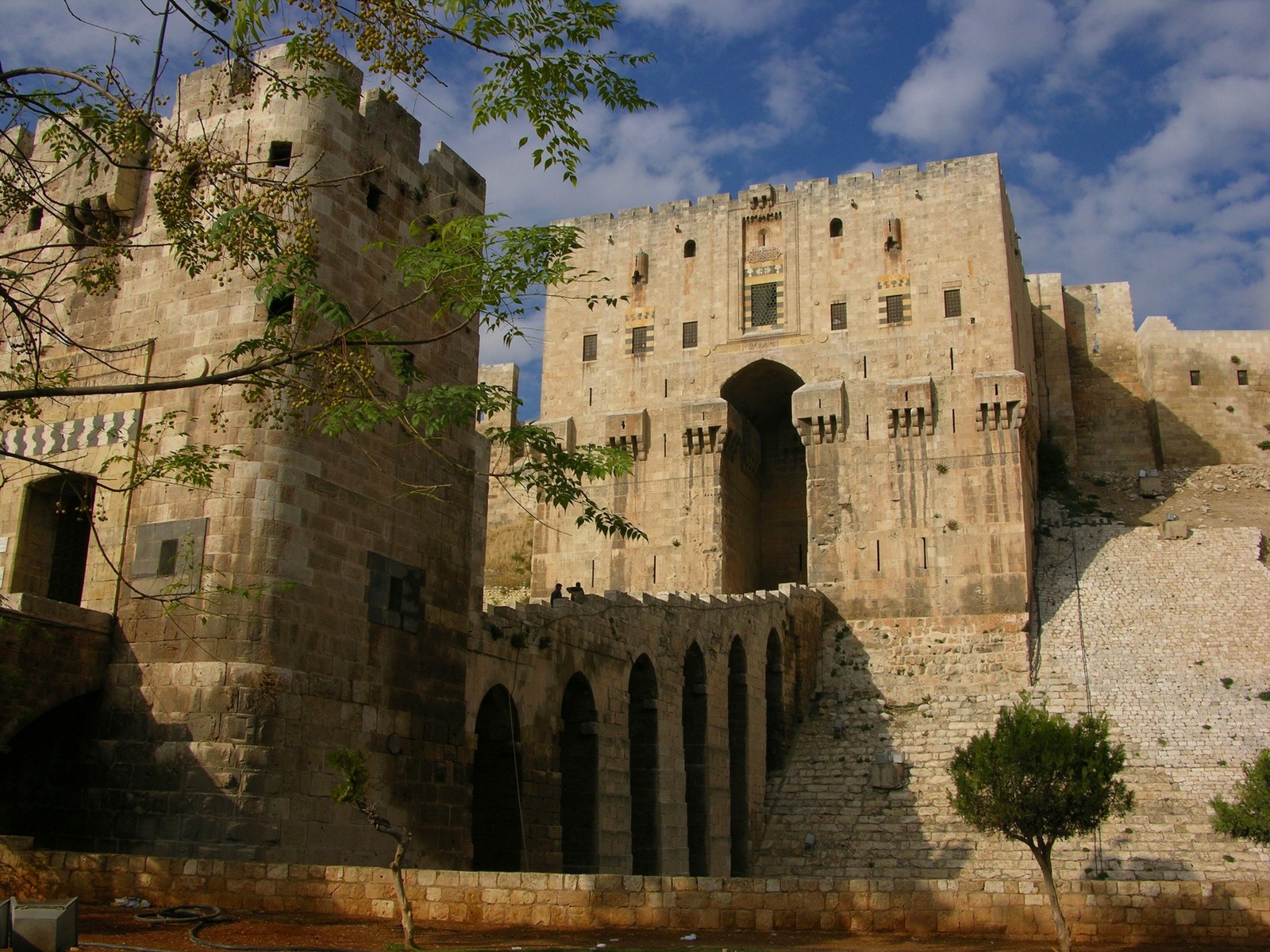
Syria is home to some of the world’s most significant historical treasures. Visitors can explore ancient cities, traditional markets, UNESCO World Heritage sites, and centuries-old mosques and castles that reflect the deep cultural and historical richness of the region. The warmth and hospitality of the Syrian people add to the experience.
Top Attractions in Syria
Umayyad Mosque, Damascus
One of the world’s most important Islamic landmarks, known for its stunning architecture, serene courtyards, and deep historical significance.
Palmyra
An ancient caravan city with Roman‑era temples, colonnades, and archaeological remains that reflect Syria’s Silk Road history.
Aleppo Citadel
One of the oldest and largest castles in the world, offering panoramic views and centuries of architectural heritage.
Krak des Chevaliers
A remarkably preserved medieval Crusader castle and a UNESCO World Heritage site, admired for its massive fortifications.
Best Places to Visit
- Damascus – One of the oldest cities on Earth, known for its old souk, historic mosques, and traditional neighborhoods.
- Aleppo – Famous for its ancient citadel, historic architecture, and long-standing culinary traditions.
- Latakia – A Mediterranean coastal city with beaches and relaxed seaside culture.
- Homs – Historically significant with landmarks and cultural sites.
- Tartus – A peaceful coastal town with access to ancient Arwad Island.
Things to Do in Syria
- Explore the historic Old City of Damascus and its traditional markets.
- Visit castles such as Krak des Chevaliers and Aleppo Citadel.
- Walk through the ancient ruins of Palmyra.
- Enjoy Mediterranean beaches in Latakia and Tartus.
- Experience authentic Syrian cuisine, from shawarma to baklava.
Travel Tips for Visitors
- Spring and autumn offer the best weather conditions.
- Respect cultural norms when visiting mosques and traditional areas.
- Local markets (souks) are excellent places to buy spices, crafts, and handmade products.
- Cash is more commonly used than cards, especially in smaller towns.
Useful Country Information
Useful country information
Total area: 71,498 sq mi (185,180 sq km)
Population (2023 est.): about 22 million
Capital and largest city: Damascus, approximately 2.6 million
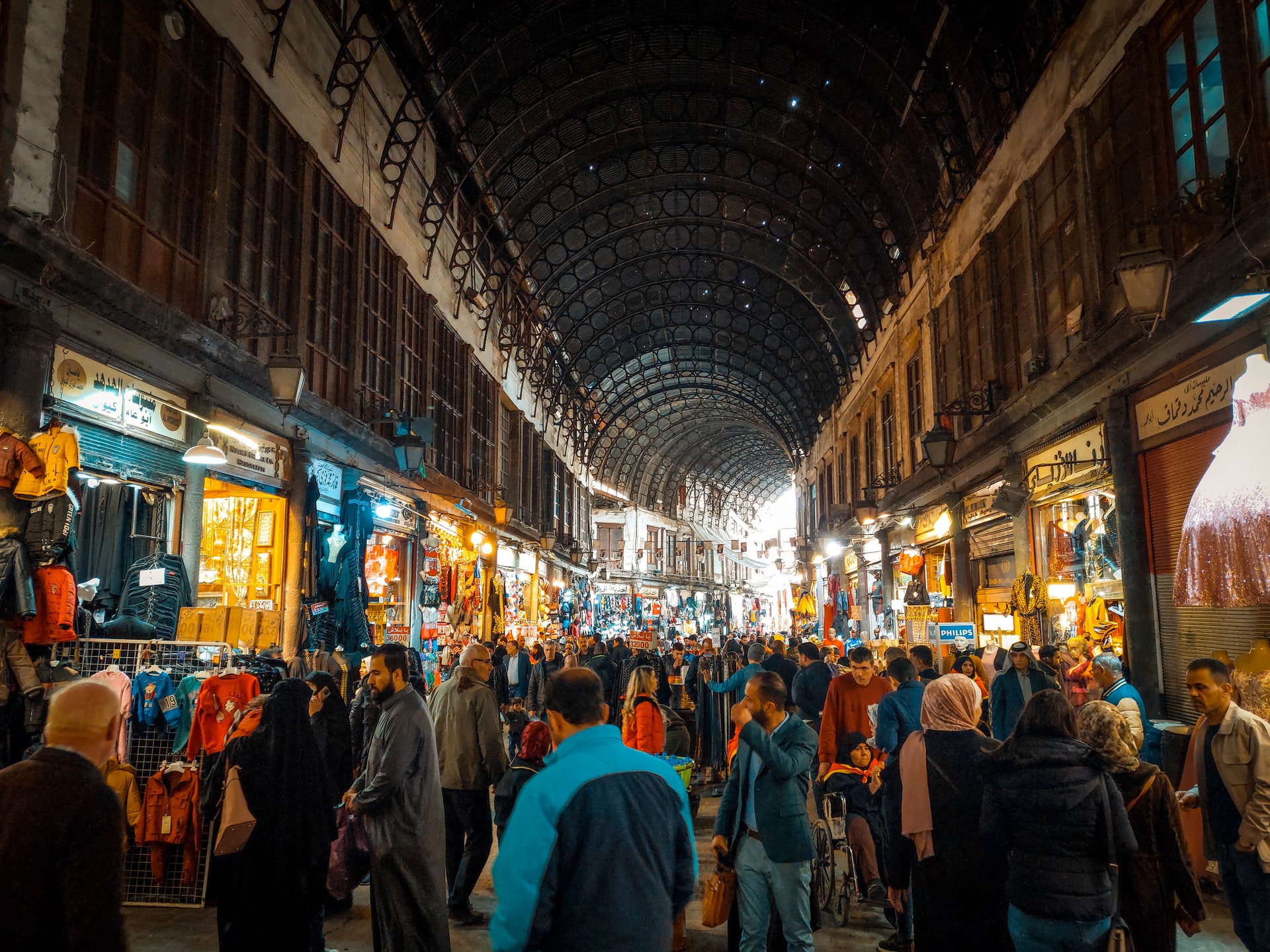
Damascus: Capital City Profile
Other large cities: Aleppo, 3.164 million; Hims, 1.369 million; Hamah, 933,000
Monetary unit: Syrian pound
National name: Al-Jumhuriyah al-'Arabiyah as-Suriyah
Languages: Arabic (official); Kurdish, Armenian, Aramaic, Circassian widely understood; French, English somewhat understood
Ethnicity/race: Arab 90.3%, Kurds, Armenians, and other 9.7%
Religions: Muslim 87% (official; includes Sunni 74% and Alawi, Ismaili, and Shia 13%), Christian (includes Orthodox, Uniate, and Nestorian) 10% (includes Orthodox, Uniate, and Nestorian), Druze 3%, Jewish (few remaining in Damascus and Aleppo)

National Holiday: April 17, Evacuation Day.
Background:
Following the breakup of the Ottoman Empire during World War I, Syria was administered by the French until independence in 1946.
From 1958 to 1961, Syria was united with Egypt as the United Arab Republic, a Syrian coup in 1961 dissolved the union.
In the 1967 Arab-Israeli War, Syria lost the Golan Heights to Israel. Since 1976, Syrian troops have been stationed in Lebanon, ostensibly in a peacekeeping capacity.
President of the Syrian Arab Republic is Bashar al-Assad, he is also Regional Secretary of the Ba'ath Party. Ba'athism calls for unification of the Arab world into a single state.
Bashar al-Assad became president after the death of his father Hafez al-Assad, who held office from 1970 until his death in 2000.
Influenced by major uprisings that began in Tunisia, antigovernment protests broke out first in the southern province of Dar'a in March 2011. Protesters calling for the repeal of the restrictive Emergency Law allowing arrests without charge, the legalization of political parties, and the removal of corrupt local officials. Demonstrations and violent unrest spread across Syria and led ultimately to a full-scale civil war, involving regional and international powers.
Source of Information:


