Travel Photography
Capturing moments, cultures, and landscapes from around the world
Travel photography is more than taking beautiful pictures — it is about telling stories. A single photograph can capture the spirit of a destination, the rhythm of local life, and the emotions of a journey. From vibrant city streets to remote natural landscapes, travel photography preserves memories and inspires future adventures.
📍 Places
From iconic landmarks to hidden corners, travel photography highlights the unique character of destinations and helps travelers discover new places worth exploring.

🌍 Cultures
Capturing people, traditions, food, and daily life allows photographers to document cultures respectfully and share authentic stories from around the world.

📸 Moments
The best travel photos often come from unplanned moments — a sunrise, a smile, or a quiet street — turning ordinary scenes into unforgettable memories.

Whether you use a professional camera or a smartphone, travel photography encourages you to slow down, observe, and connect with the world around you. Each journey becomes richer when you see it through a creative lens.
📷 Tips for Professional Travel Photographers
Becoming a truly skilled travel photographer requires more than technical mastery — it demands patience, intention, awareness, and the ability to connect with both people and place. Whether you shoot commercially or want to elevate your personal portfolio, these professional tips can help you capture more powerful and meaningful images:
-
Research the destination before you arrive
Study the culture, landmarks, weather, lighting conditions, and local etiquette. Knowing what to expect allows you to plan shoots around the best times and locations.
-
Master natural light
Sunrise and sunset (“golden hour”) produce soft, cinematic tones. Midday light is harsh but great for high-contrast urban shots. Cloudy skies act as a natural diffuser — ideal for portraits.
-
Tell a story, not just a scene
Think in sequences: wide shot → medium shot → close-up. This approach builds a narrative and makes your photos feel like part of a larger experience.
-
Travel light but smart
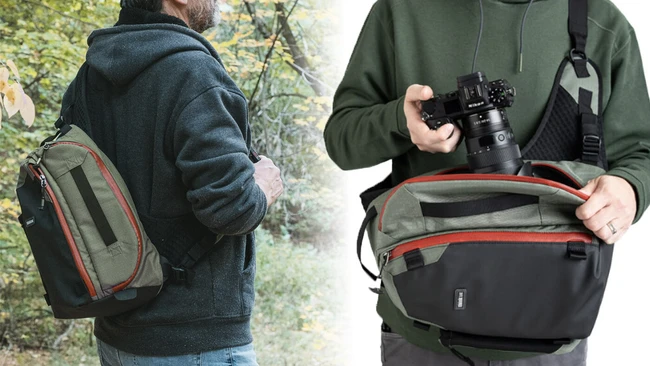
Carry versatile lenses (such as 24–70mm or 35mm prime), extra batteries, memory cards, microfiber cloths, and a compact tripod. Professional gear doesn’t have to slow you down.
-
Respect people and culture
Always ask permission before photographing individuals — especially in traditional or sacred settings. A respectful interaction often leads to more natural and meaningful portraits.
-
Focus on composition
Use leading lines, symmetry, reflections, and frames within frames. Experiment with angles — crouch down, climb higher, or step back farther than expected.
-
Capture everyday life
Markets, street vendors, local transportation, and family gatherings tell authentic stories. Sometimes the most powerful image comes from an ordinary moment.
-
Shoot in RAW and back up daily
RAW files preserve maximum detail for editing. Store backups in two places — cloud and physical drive — especially on longer trips.
-
Keep your camera ready at all times
Some of the best shots happen spontaneously. A camera buried in a bag is a missed opportunity.
🌐 Online Resources & Tools for Travel Photographers
These curated tools can help photographers plan shoots, improve their craft, enhance photos, and build a professional workflow.
More photographer news & updates
Planning & Scouting Tools
- Google Earth / Street View (via Google Maps) – Virtually explore locations before visiting.
- PhotoPills – A powerful planner for sunrise/sunset, Milky Way positioning, and golden hour times.
- The Photographer’s Ephemeris (TPE) – Map-based sun and moon tracking for landscape photography.
Editing & Post-Production
- Adobe Lightroom – Industry standard for color grading and batch editing.
- Adobe Photoshop – Advanced retouching and manipulation.
- Luminar Neo – AI-enhanced editing for sky replacement and detail enhancement.
- VSCO / Snapseed (mobile) – Portable editing tools for quick travel edits.
Storage & Backup
- Google Drive / Microsoft OneDrive – Simple cloud backup for travelers.
- Synology Photos – Great for organizing and backing up large photo libraries.
- SanDisk (Extreme SSD range) – Lightweight, durable field backup solution.
Learning & Inspiration
YouTube Channels
- Mango Street – Clear, practical tutorials.
- Brandon Li – Travel storytelling and cinematography.
Online Courses
- Skillshare – Travel photography, composition, and editing.
- Udemy – Professional courses for Lightroom and Photoshop.
Photography Communities
- 500px – Portfolio sharing and challenges.
- Flickr – The classic hub for high-quality photography groups.
- Reddit: r/travelphotography – Advice, critique, and gear discussions.
Image Protection & Organization
- Pixsy – Tool for detecting image theft and handling copyright claims.
- Photo Mechanic – Fast image culling for large shoots.
- ExifTool – Manage or edit photo metadata.