
GCC Countries Overview
The GCC region is famous for its modern skylines, rich Islamic heritage, historic souqs, luxury shopping, desert landscapes, beautiful coastlines, and traditional Arabian hospitality.

Bahrain
Capital: Manama
Population: 1.66 million
Land Area: 741 km²
Currency: Bahraini Dinar
Citizens: Bahrainis
Expats: 52.6%
Flag: 
Map: 
Airline: Gulf Air

Kuwait
Capital: Kuwait City
Population: 5.11 million
Land Area: 17,818 km²
Currency: Kuwaiti Dinar
Citizens: Kuwaitis
Expats: 69%
Flag: 
Map: 
Airline: Kuwait Airways

Oman
Capital: Muscat
Population: 5.50 million
Land Area: 309,501 km²
Currency: Omani Riyal
Citizens: Omanis
Expats: 40%
Flag: 
Map: 
Airline: Oman Air

Qatar
Capital: Doha
Population: 3.12 million
Land Area: 11,571 km²
Currency: Qatari Riyal
Citizens: Qataris
Expats: 88%
Flag: 
Map: 
Airline: Qatar Airways

Saudi Arabia
Capital: Riyadh
Population: 36.96 million
Land Area: 2.15m km²
Currency: Saudi Riyal
Citizens: Saudis or Saudi Arabians
Expats: 42%
Flag: 
Map: 
Airline: Saudia

United Arab Emirates
Capital: Abu Dhabi
Population: 11.35 million
Land Area: 83,600 km²
Currency: Dirham AED
Citizens: Emiratis
Expats: 87%
Flag: 
Map: 
Airline: Etihad Airways
GCC Countries Map
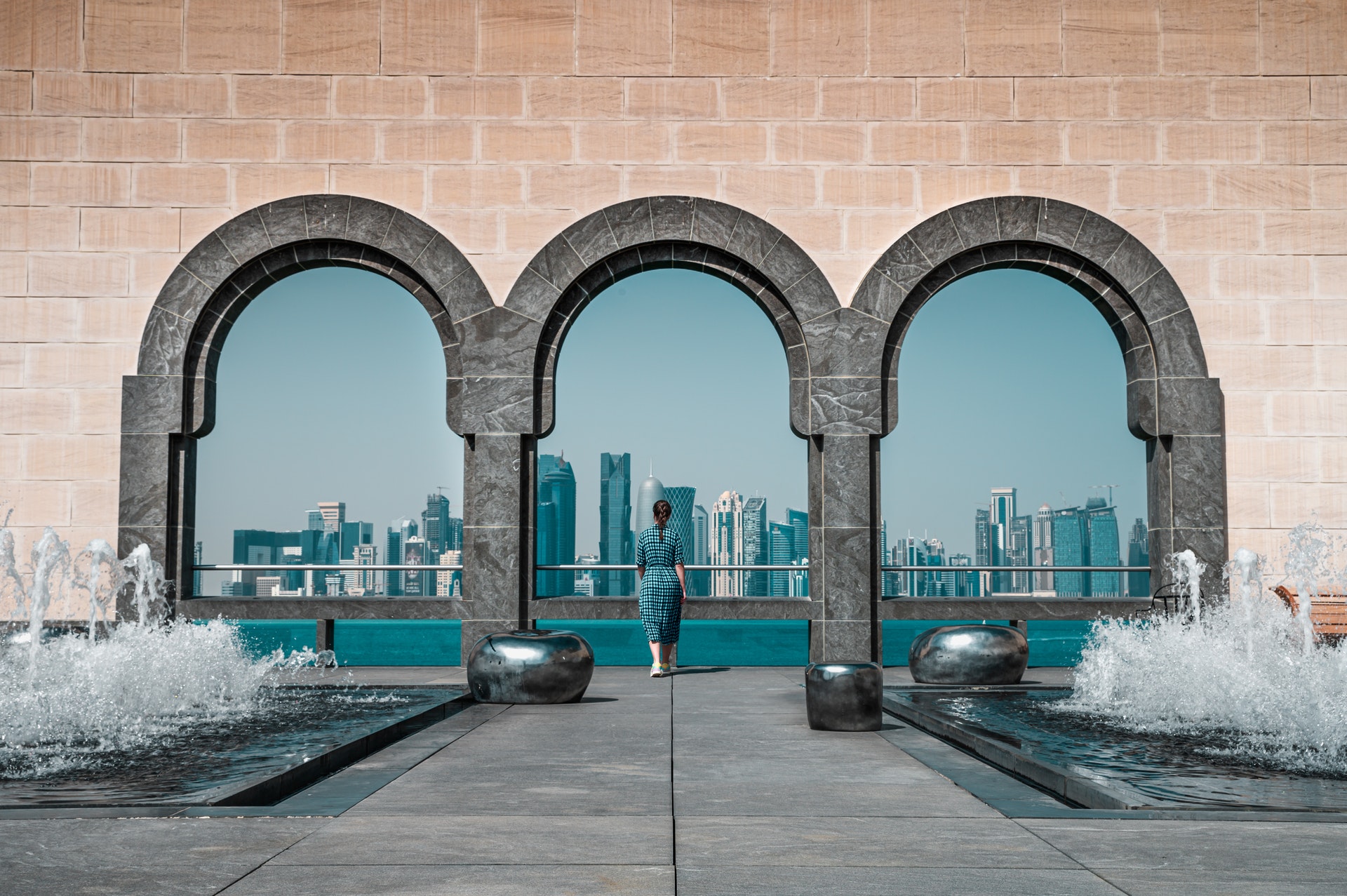
Exploring the GCC: Gateway to the Gulf and Beyond
The Gulf Cooperation Council (GCC) is a regional alliance of six Arab nations—United Arab Emirates, Saudi Arabia, Qatar, Oman, Kuwait, and Bahrain—strategically positioned along the Arabian Gulf. Established in 1981, the GCC fosters political and economic collaboration among its member states, each offering a unique blend of tradition, innovation, and opportunity.


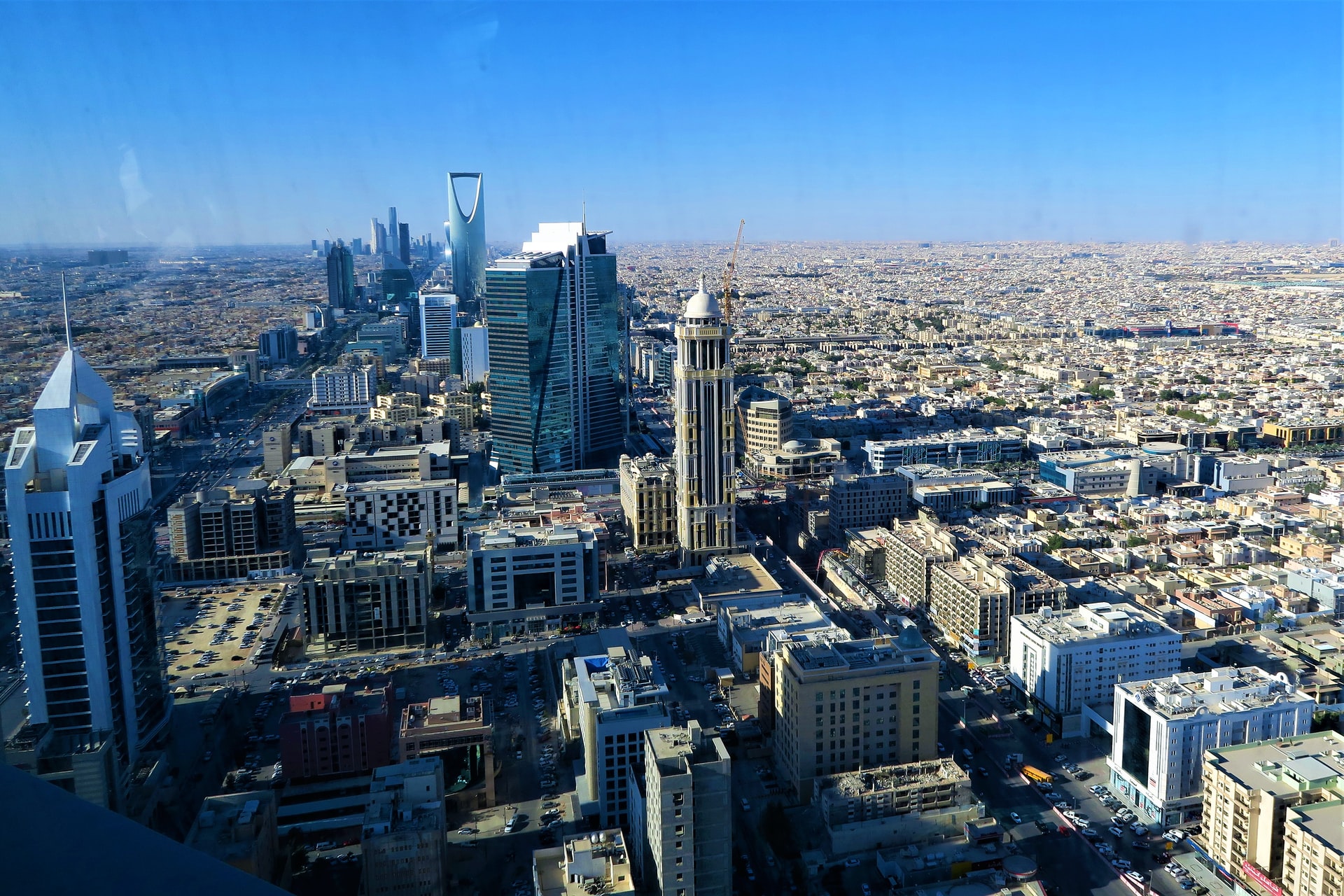
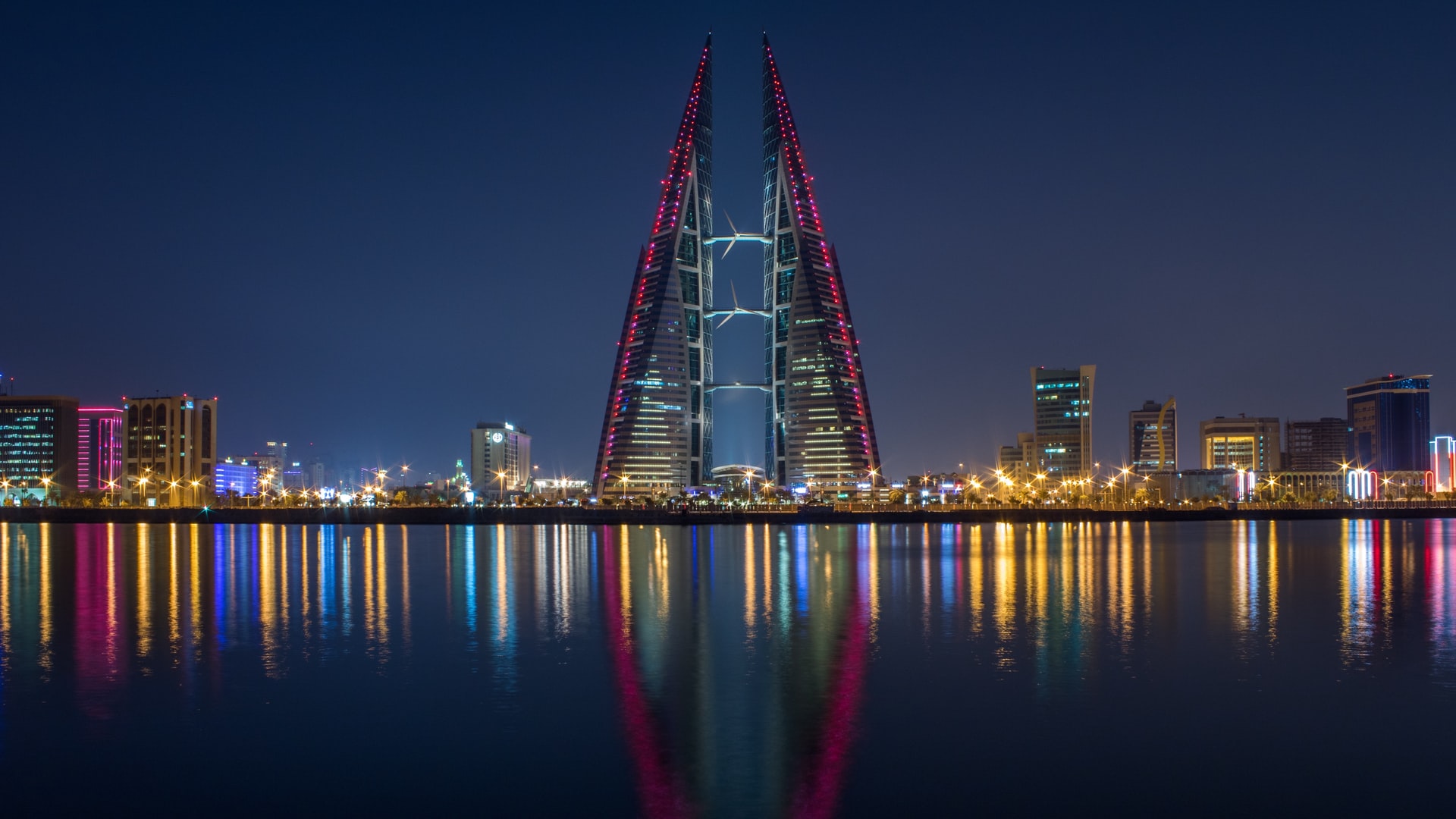
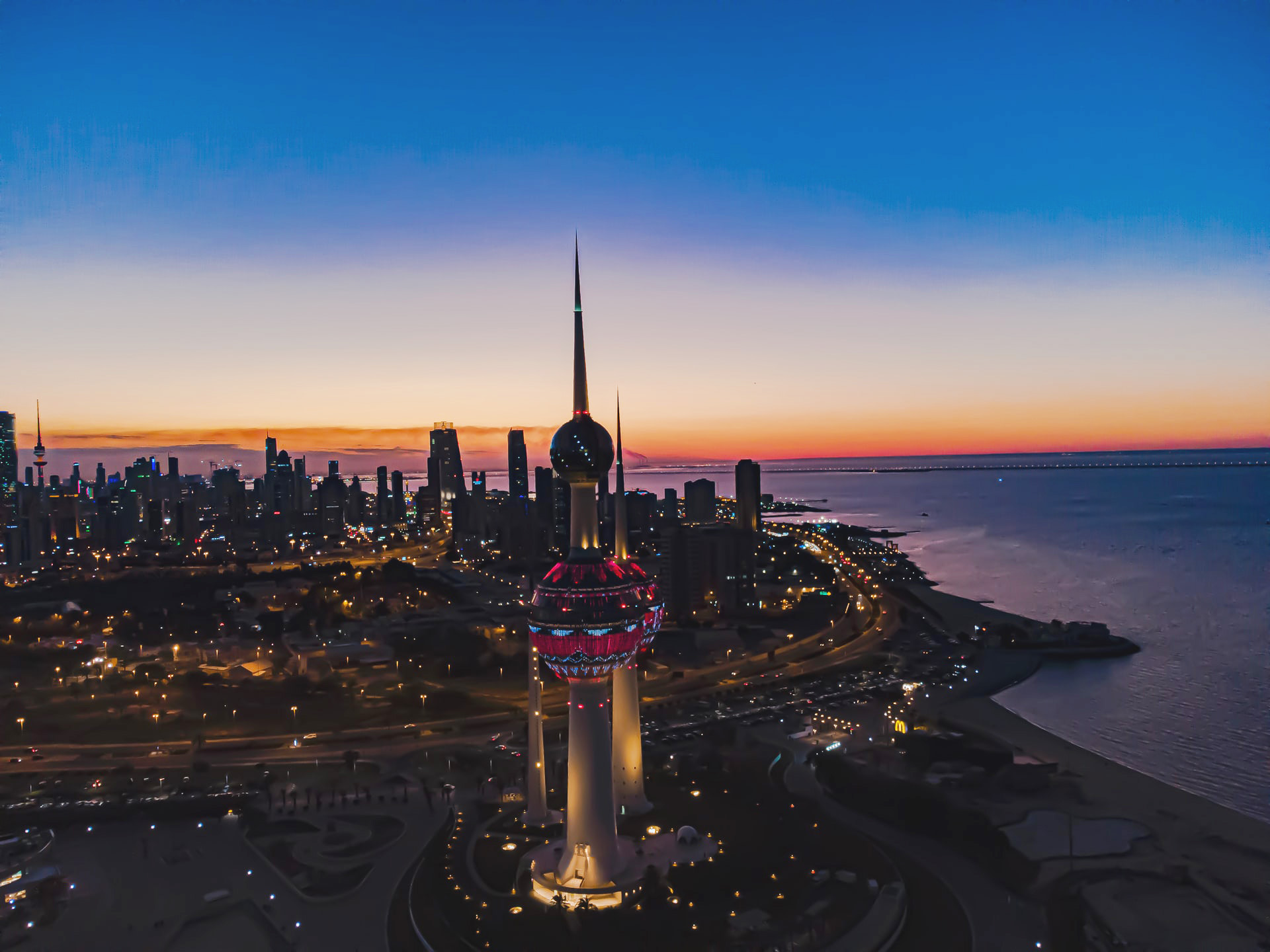


Nestled on the southeastern edge of the Arabian Peninsula, the Sultanate of Oman is a hidden gem often overlooked by travelers. With its dramatic desert landscapes, majestic mountains, ancient forts, and sun-kissed beaches, Oman offers a rich tapestry of experiences for every kind of explorer.

Falconry in the GCC Region: Arabia's Ancient Art of Falcon Hunting
Falconry is one of the most treasured cultural traditions of the Gulf Cooperation Council (GCC) countries. For centuries, skilled falconers have trained magnificent birds of prey to hunt in the vast deserts of the Arabian Peninsula, creating a unique bond between humans and falcons that remains strong today.
More than a sport, falconry represents heritage, patience, horsemanship, and survival in harsh desert environments. What began as a practical hunting method among Bedouin tribes has evolved into a celebrated cultural activity, attracting enthusiasts, tourists, and competitors from around the world.

Horse Racing in the GCC Region: Tradition, Prestige, and World-Class Competition
Horse racing is deeply woven into the cultural fabric of the Gulf Cooperation Council (GCC) countries. Long before modern racetracks and international racing festivals emerged, Bedouin tribes across the Arabian Peninsula celebrated horsemanship through friendly competitions that showcased speed, endurance, and the exceptional qualities of Arabian horses.
Today, the GCC has transformed into one of the world's most influential horse racing hubs, hosting prestigious international events, breeding champion thoroughbreds, and preserving the proud heritage of the Arabian horse. From Riyadh's record-breaking Saudi Cup to Dubai's glamorous World Cup meeting, the region attracts elite horses, jockeys, and racing enthusiasts from across the globe.

Saluki Dogs in the GCC Region: The Noble Hound of Arabia
Elegant, intelligent, and remarkably fast, the Saluki is one of the oldest known dog breeds in the world and a living symbol of Arabian heritage. For thousands of years, these graceful hunting dogs have accompanied Bedouin tribes across the deserts of the Arabian Peninsula, serving as trusted companions, guardians, and hunting partners.
Today, the Saluki remains highly respected throughout the Gulf Cooperation Council (GCC) countries. In addition to preserving traditional hunting practices, modern Saluki racing and championship events have become popular cultural attractions that celebrate one of Arabia's most treasured canine breeds.

Camel Racing in the GCC Region: Arabia's Ancient Sport of Speed and Endurance
Few symbols are more closely associated with the Arabian Peninsula than the camel. Often referred to as the "Ship of the Desert," the Arabian camel has been an essential companion to Gulf communities for thousands of years, providing transportation, food, wool, and support for life in some of the world's harshest environments.
Today, camel racing remains one of the most unique and celebrated sporting traditions in the Gulf Cooperation Council (GCC) countries. Combining deep cultural heritage with modern technology, the sport attracts thousands of spectators and participants every year, making it a fascinating experience for travelers seeking authentic Arabian culture.

