Country's codes
International phone code for Angola: +244
3 letters: AGO
2 letters (internet domain): .AO
Digital country code 024
Standard EAN-13 (country barcode): -
 Olympic country code: ANG
Exploring Angola: A Hidden Gem for the Cautious Adventurer
Angola, located on the southwestern coast of Africa, is a country of striking contrasts—lush rainforests, dramatic waterfalls, and a vibrant cultural tapestry shaped by centuries of history. Though not yet a mainstream tourist destination, Angola is slowly opening its doors to travelers seeking off-the-beaten-path experiences.
Travel Advice for Visitors
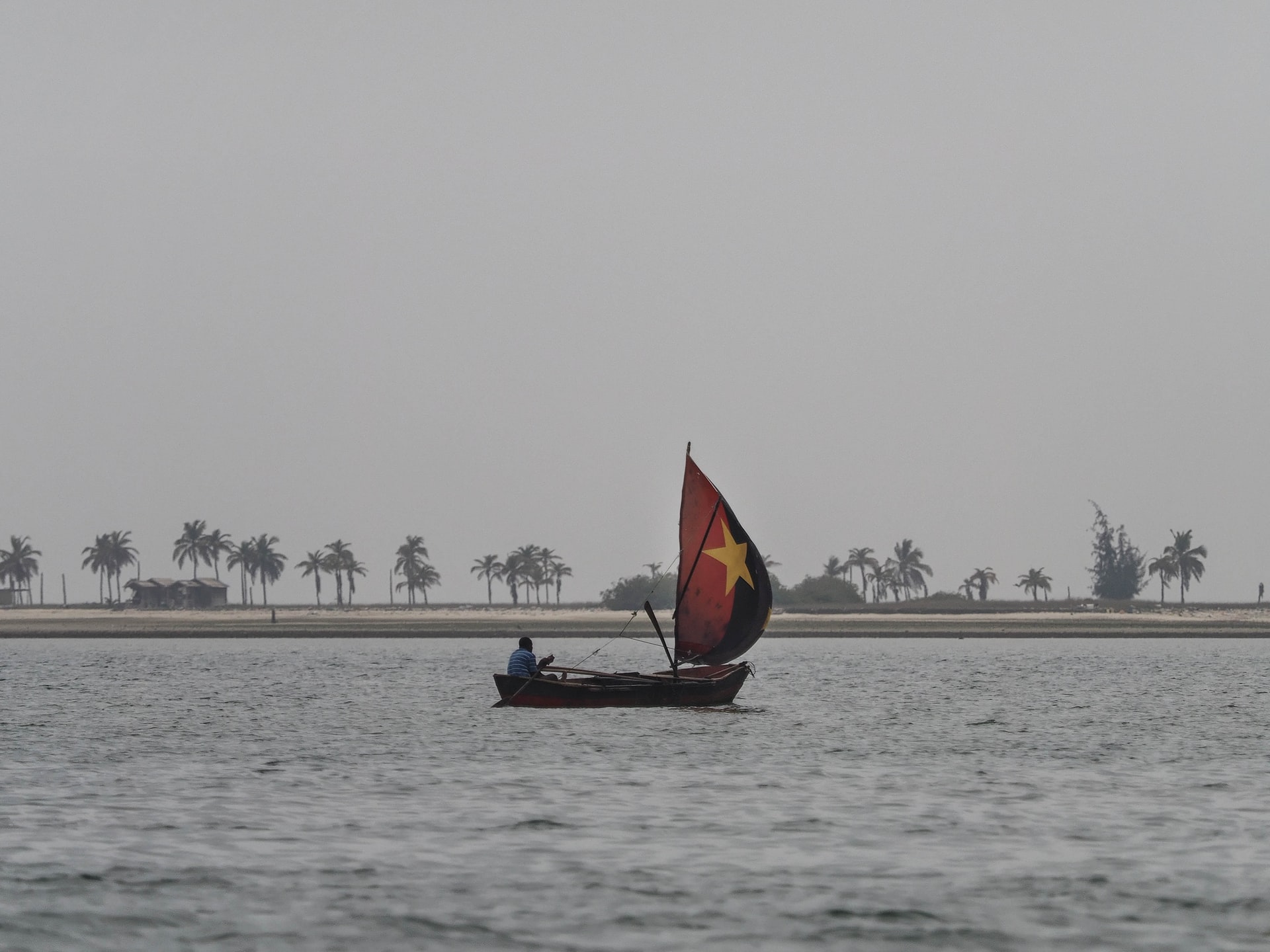
Angola offers stunning natural attractions like Kalandula Falls, Kissama National Park, and the scenic coastline of Ilha de Luanda. However, travelers should approach their journey with preparation and caution:
- Safety First: Violent crime, including armed robbery and carjacking, can occur, especially in Luanda and certain provinces. Avoid walking alone at night and stick to well-populated areas.
- Health Precautions: Travelers should drink bottled water, avoid street food unless it’s visibly clean, and ensure vaccinations for yellow fever, hepatitis A, typhoid, and malaria.
- Transport Tips: Use trusted taxi apps like Yango or arrange transport through your hotel. Avoid public transportation and be cautious on rural roads due to poor infrastructure and landmine risks.
- Documentation: Carry a notarized copy of your passport and any required travel permits. Police checkpoints are common, and failure to present documents can result in fines.
- Language: Portuguese is the official language. Learning basic phrases can go a long way in building rapport with locals.
Despite the challenges, many travelers report warm hospitality and unforgettable experiences when exploring Angola with care and local guidance.
Historical and Political Background
Angola's modern history is deeply shaped by its struggle for independence and a prolonged civil war. After gaining independence from Portugal in 1975, the country plunged into a devastating civil conflict that lasted until 2002. The war left behind significant infrastructure damage and social challenges, including widespread poverty and landmine contamination.
Today, Angola is a presidential republic led by President João Lourenço. The government has made strides in stabilizing the economy and improving international relations, but political tensions and regional unrest persist, particularly in resource-rich areas like Cabinda. Demonstrations and civil unrest occasionally occur, especially in urban centers.
Final Thoughts
Angola is not for the faint-hearted traveler—but for those willing to plan carefully, it offers a rich and rewarding experience. From cascading waterfalls to vibrant street markets, Angola’s beauty lies in its raw authenticity. With the right precautions, it can be a memorable destination for those seeking adventure and cultural depth.
Useful Country Information
Total Area
1,246,700 sq km (481,354 sq mi)
Population (2025 est.)
Approximately 39 million
Capital & Largest City
Luanda (metro population approximately 10 million)

Official Name
Republic of Angola
Language
Portuguese (official), with numerous Bantu languages including Umbundu, Kimbundu and Kikongo widely spoken.
Ethnic Groups
Ovimbundu, Ambundu, Bakongo and several other ethnic communities.
Religion
Predominantly Christian (Roman Catholic and Protestant), with traditional beliefs also practiced.
Literacy Rate
Approximately 72% of adults
Currency
Angolan Kwanza (AOA)
Time Zone
UTC+1 (West Africa Time)
Calling Code
+244
Internet Domain
.ao
Major Cities
Huambo, Lobito, Benguela, Lubango and Malanje
Get Travel Insurance Quote

The Angolan Kwanza is the currency of Angola.
Background
Angola is a vast and resource-rich nation on the southwest coast of Africa. After gaining independence from Portugal in 1975, the country endured a prolonged civil war between the ruling MPLA government and UNITA rebels. The conflict lasted until 2002, leaving a lasting impact on Angola's infrastructure, economy, and society.
Since the end of the war, Angola has undergone significant reconstruction and development. Fueled by revenues from its oil and diamond industries, the country has invested heavily in roads, airports, housing, and public infrastructure. Major cities, particularly Luanda, have seen rapid modernization while preserving elements of their colonial heritage.
Today, Angola is one of Africa's leading oil producers and is working to diversify its economy through investments in agriculture, tourism, renewable energy, and manufacturing. While challenges such as income inequality and access to public services remain, the country continues to make progress toward sustainable growth and development.
For travelers, Angola offers a unique blend of history, culture, and natural beauty. Visitors can explore stunning Atlantic beaches, the dramatic landscapes of the Namib Desert, the impressive Kalandula Falls, vibrant local music and dance traditions, and a rich Portuguese-influenced cultural heritage. As one of Africa's lesser-visited destinations, Angola rewards adventurous travelers with authentic experiences and breathtaking scenery.