Banjul Weather
BANJUL WEATHERAbout Banjul
Banjul is the small, characterful capital of Gambia — Africa's smallest mainland country, a narrow sliver of land no more than 50km wide that follows the Gambia River for 320km into the interior of West Africa, almost entirely surrounded by Senegal. Despite its tiny size, Gambia packs extraordinary diversity into a remarkably compact space: from the colourful bustle of Banjul's markets and the Atlantic beaches of the Kombos to the bird-rich mangrove creeks of the river and the historic slave trade sites that make Gambia one of the most emotionally significant destinations in West Africa for visitors of African descent. Known as the "Smiling Coast of Africa" for the warmth and friendliness of its people, Gambia has long been a favourite West African destination for European visitors — particularly from the UK, where the country has deep historical ties — and offers an accessible, affordable, and genuinely rewarding experience for first-time Africa visitors who find the continent's larger and more complex destinations daunting.
Best Time to Visit Banjul & Weather Guide
Gambia has a classic West African Sahelian climate with a distinct dry season and a single wet season — making timing straightforward compared to more complex equatorial climates.
☀️ Dry Season (November–May)
The best and most popular time to visit Gambia — a long, glorious dry season with sunshine, low humidity, and virtually no rain. Temperatures are warm but very comfortable (24–32°C) from November through February, with the harmattan wind bringing slightly hazy but fresh conditions. December through February are the prime months — perfect weather for beach holidays, birding (Gambia's famous migratory bird season peaks November–February), river trips, and cultural excursions. March–May become progressively hotter (up to 38°C by May) but remain dry and sunny.
Best Time to Visit🌧️ Wet Season (June–October)
The single annual rainy season brings heavy but often concentrated afternoon downpours rather than all-day rain. Temperatures are high (28–35°C) with high humidity. July, August, and September are the wettest months. The landscape transforms into lush green and the river runs full — the scenery is spectacular and accommodation prices drop significantly. The wet season is excellent for birding (breeding plumage, nesting activity) and for experiencing authentic local life with far fewer tourists. Roads can be difficult and some lodges close.
Budget Travel🦜 Bird Watching Season
Gambia is one of Africa's premier birding destinations — over 570 species have been recorded in a country the size of Yorkshire. The peak birding season runs November–February, when enormous numbers of Palearctic migrants from Europe arrive to overwinter alongside Gambia's extraordinary resident species. The combination of Atlantic coast habitats, mangrove creeks, open savanna, and gallery forest along the river creates an extraordinary range of micro-habitats accessible within short distances of Banjul. Experienced ornithologists consistently rank Gambia as one of the best value birding destinations in the world.
Special Interest🌡️ Climate Notes for the City
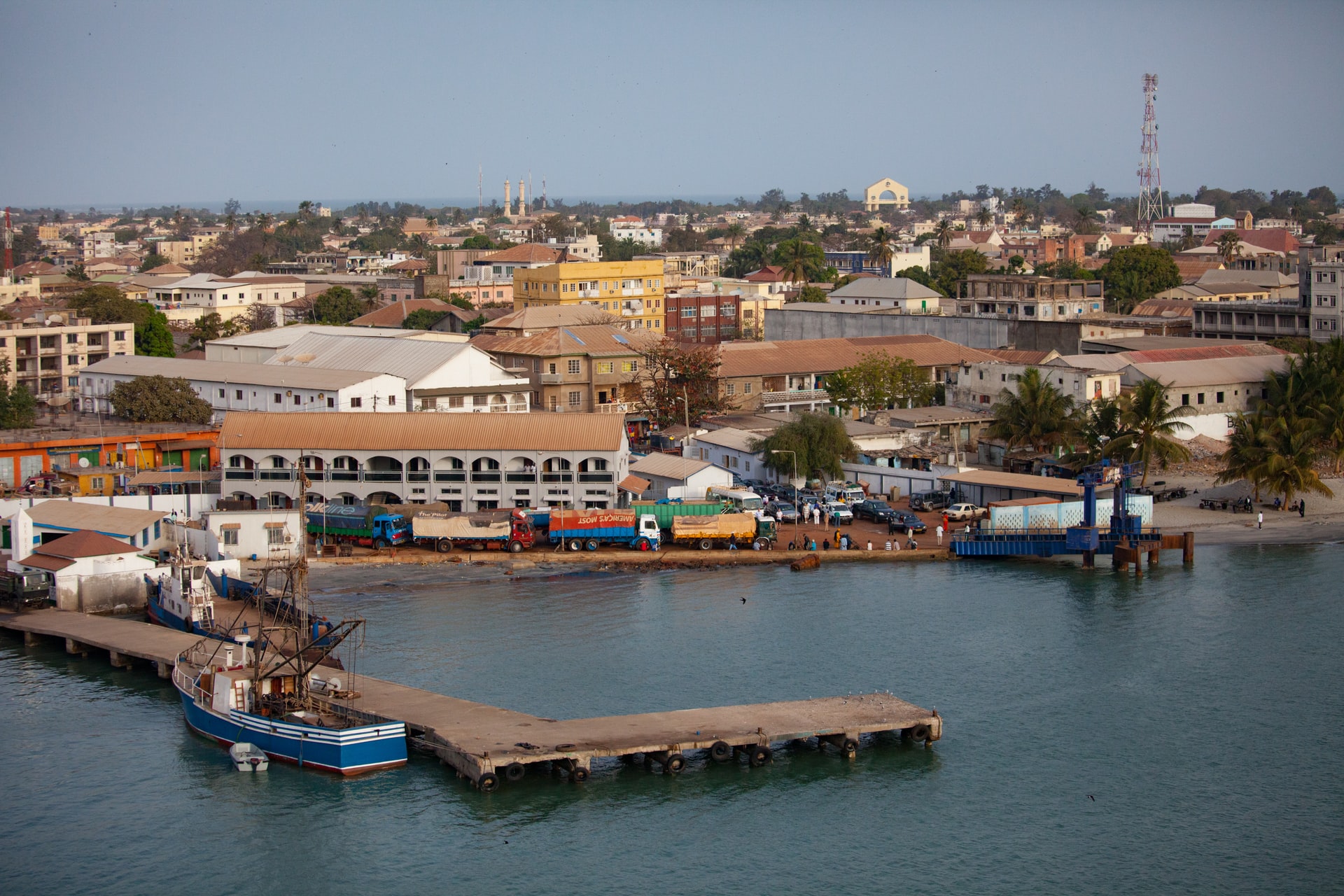
Banjul sits on an island at the mouth of the Gambia River on the Atlantic coast — its coastal position moderates temperatures and provides refreshing Atlantic sea breezes, making it significantly more comfortable than inland destinations in West Africa. The harmattan (a dry, dusty northeast wind from the Sahara) arrives December–February, bringing hazy skies but lower humidity and cooler evenings that can be quite fresh. Lightweight clothing is appropriate year-round, with a light layer for harmattan evenings and air-conditioned spaces.
West African CoastalDry season: Lightweight cotton or linen clothing, a light layer for cool harmattan evenings (December–February) and air-conditioned spaces. Comfortable walking shoes for city and market exploration, sandals for the beach. High-SPF sun protection is essential. High-DEET insect repellent for malaria prevention — malaria is present in Gambia year-round. Modest clothing (shoulders and knees covered) for visiting mosques and local villages, where a large proportion of the population is Muslim.
Wet season: Quick-dry clothing, a quality waterproof jacket, and waterproof footwear for muddy tracks. Extra insect repellent — mosquito activity is higher during the wet season.
Top Attractions in Banjul & Gambia
Banjul combines a characterful city with extraordinary natural and historical attractions accessible within short distances — making it one of West Africa's most rewarding compact destinations.
🏛️ Kunta Kinteh Island (James Island) — UNESCO Heritage
One of the most historically significant and emotionally powerful sites in West Africa — the ruined Fort James on Kunta Kinteh Island in the Gambia River, a UNESCO World Heritage Site where enslaved Africans were held in horrific conditions before the Middle Passage. Made world-famous by Alex Haley's Roots, the island draws visitors from the African diaspora on deeply moving journeys of remembrance and heritage. The boat journey up the Gambia River to the island passes through extraordinary bird-rich mangroves — combining historical pilgrimage with one of West Africa's finest river experiences.
UNESCO Heritage🦜 Abuko Nature Reserve
Gambia's oldest and most accessible nature reserve — a beautiful patch of dense gallery forest and open grassland just 20 minutes from Banjul, threaded by a small stream and home to an extraordinary diversity of wildlife and birds. Over 270 bird species have been recorded in Abuko, along with western red colobus and green vervet monkeys, Nile crocodiles, West African dwarf crocodiles, monitor lizards, and a remarkable variety of butterflies and reptiles. The reserve's small animal orphanage houses rescued animals including hyenas, porcupines, and bushbuck. One of the finest and most accessible nature reserves in West Africa.
Must See🛒 Albert Market (Banjul)
The beating commercial heart of Banjul — a sprawling, colourful market covering several city blocks, selling fresh produce, dried fish, spices, traditional medicines, fabrics, clothing, electronics, and a wonderful range of West African crafts and artefacts. The market is at its most vibrant and photogenic in the morning — the smells of fresh fish, spices, and grilling food mixing with the sounds of bargaining in Mandinka, Wolof, and English. The adjacent Craft Market sells traditional Gambian and West African handicrafts including wood carvings, batik cloth, silver jewellery, and leather goods.
Unmissable🌊 Atlantic Coast Beaches
Gambia's Atlantic coast — from Banjul south through the Kombos (Bakau, Fajara, Kololi, and Sanyang) — offers some of West Africa's finest and most accessible beaches: wide strips of golden sand backed by palm trees, with warm Atlantic water and a relaxed, uncrowded atmosphere that is in stark contrast to the overcrowded beaches of southern Europe. Sanyang Beach (about 40km from Banjul) is regularly cited as one of the most beautiful beaches in West Africa — wide, clean, backed by fishing villages, and with excellent fresh fish at the beach restaurants. Kololi Beach is the most developed and tourist-friendly.
Beach🐊 Kachikally Crocodile Pool
One of Gambia's most unusual and memorable attractions — a sacred crocodile pool in the town of Bakau (10 minutes from Banjul) where over 70 Nile crocodiles live in a shaded sacred pool tended by the local Bojang family. The crocodiles are considered sacred and deeply benevolent by the local community — believed to bring good luck, fertility, and protection. Visitors can touch and be photographed with the crocodiles under the guidance of the pool's caretakers — one of the most surprisingly gentle and memorable wildlife encounters in West Africa. The adjacent craft market is excellent.
Unique🦛 River Gambia National Park
A beautiful stretch of the Gambia River protected as a national park — a series of river islands and gallery forest hosting the most significant population of western red colobus monkeys in Gambia, alongside hippos, chimpanzees (at Chimpanzee Rehabilitation Project on Baboon Islands), Nile crocodiles, and an extraordinary diversity of river birds including African fish eagles, kingfishers, and herons. Boat trips through the park from the river town of Janjanbureh (Georgetown) offer one of the finest wildlife experiences in West Africa — a landscape of extraordinary beauty and tranquillity.
Wildlife🦩 Tanji Bird Reserve & Fish Market
A remarkable double attraction just 25km south of Banjul — the Tanji Bird Reserve is a coastal lagoon and wetland complex of international importance for wading birds and waterfowl, with excellent birding year-round. The adjacent Tanji Fish Market is one of the most spectacular and authentic working fish markets in West Africa — a beach crowded with traditional pirogues (fishing boats), fishermen hauling in vast catches of barracuda, bonga, and Atlantic fish, and women processing and smoking fish in an ancient, photogenic, and genuinely fascinating scene. One of the most atmospheric and authentic experiences near Banjul.
Authentic🏰 Fort Bullen & Barra Ferry
The historic Fort Bullen on the north bank of the Gambia River at Barra — accessible by the famous Barra Ferry from Banjul — was built by the British in 1826 to enforce the suppression of the slave trade and control access to the river. The restored fort offers fascinating exhibits on the slave trade and colonial era. The Barra Ferry crossing itself — a short but vibrant crossing crowded with people, market traders, and goods — is one of the most entertaining and authentic local experiences Banjul offers, providing a wonderful window into everyday Gambian life.
HistoricLocal Food Recommendations
Gambian cuisine is hearty, flavourful West African cooking — built around rice, groundnuts, fresh fish, and the bold spices of the Sahel, with strong influences from Senegal and the wider Mande culinary tradition.
🍲 Must-Try Gambian Dishes
- Benachin (Jollof rice) — Gambia's most beloved national dish: rice cooked in a rich tomato and vegetable broth with chicken, fish, or lamb, vegetables, and a complex blend of spices. The Gambian version (benachin means "one pot" in Wolof) is particularly celebrated for its depth of flavour and is the everyday meal of Gambians from all backgrounds — eaten at every celebration, family gathering, and Friday lunch across the country.
- Domoda (groundnut stew) — West Africa's answer to a rich, creamy curry: meat or fish slow-cooked in a thick groundnut (peanut) paste sauce with tomatoes, vegetables, and spices. The groundnut sauce — made from pounded roasted peanuts — gives domoda an extraordinary depth and richness. Served over rice, it is one of the most satisfying and distinctive dishes in the Mande culinary tradition.
- Plasas (leafy green stew) — a rich stew made from sweet potato leaves, cassava leaves, or baobab leaves cooked with palm oil, smoked fish, dried shellfish, and spices. Deeply nutritious and intensely flavoured — the most authentic taste of Gambian home cooking, eaten with rice or fonio.
- Supakanja (okra and fish) — a traditional Gambian stew of okra, smoked fish, palm oil, and dried shellfish — the characteristic viscous texture of the okra gives the stew a distinctive, silky mouthfeel. Served with rice, it is one of the most authentic expressions of Gambian coastal cuisine.
- Grilled barracuda and bonga fish — Gambia's Atlantic and river fishery provides extraordinary fresh fish. Whole grilled barracuda from the beach restaurants at Sanyang and Tanji, seasoned with lime, chilli, and spices, is one of the finest seaside meals in West Africa.
- Benachin and oysters (Gambia River oysters) — the mangrove creeks of the Gambia River produce an extraordinary abundance of small, intensely flavoured oysters, harvested by women at low tide and sold at market stalls and restaurants throughout the country. Gambianmangrove oysters, grilled or smoked, are one of the most distinctive and delicious local ingredients in the country.
🥜 Drinks & Street Food
- Attaya (gunpowder green tea) — the defining social ritual of Gambia and the wider Sahel: three rounds of strong, intensely sweet gunpowder green tea prepared in a small pot over a charcoal brazier and poured repeatedly between glasses to create a thick foam. Each round is progressively sweeter — "the first glass is as bitter as life, the second as strong as love, the third as sweet as death." The attaya ceremony can last hours and is the centrepiece of Gambian male social life. Participating in an attaya session is one of the most authentic cultural experiences Gambia offers.
- Wonjo juice (hibiscus) — a beautiful crimson infusion of dried hibiscus flowers with ginger and sugar — the most popular non-alcoholic drink in Gambia, served cold or at room temperature. Refreshing, mildly tart, and full of antioxidants.
- Baobab juice (bouye) — a thick, tangy, calcium-rich juice made from the dried pulp of the baobab fruit — one of the most nutritious natural drinks in West Africa. Sold at market stalls and from women's baskets throughout Banjul. Creamy, mildly sour, and unique in flavour.
- Julbrew Beer — Gambia's own locally brewed lager, produced in Kanifing since 1975. Cold, refreshing, and widely available at beach bars and restaurants throughout the Kombos.
- Roasted groundnuts — sold in small paper bags at every street corner and market stall in Gambia. The definitive West African snack — lightly salted, freshly roasted, and impossible to stop eating.
🏪 Where to Eat — Local Tips
- Local chop houses (Banjul) — small, informal restaurants throughout Banjul and the Kombos serving traditional Gambian food from large pots at very affordable prices. The best benachin and domoda in Gambia is found not in tourist restaurants but in the busy local chop houses around Albert Market and the Serrekunda markets — look for the busiest tables.
- Sanyang Beach fish restaurants — the line of simple open-air restaurants on Sanyang beach serves the freshest grilled Atlantic fish in the country, caught by the fishing pirogues that land directly on the beach. Whole grilled barracuda, cold Julbrew, Atlantic breezes, and the sound of the surf — the definitive Gambian beach dining experience.
- Tanji fish market area — several small restaurants near the Tanji fish market serve spectacularly fresh fish at breakfast and lunch. Arrive before 10am for the most authentic experience when the morning catch is being brought in.
- Ngala Lodge restaurant (Bakau) — one of the finest restaurants in Gambia, serving excellent Gambian and international cuisine in a beautiful garden setting overlooking the Atlantic. Particularly good for fresh seafood, domoda, and the local oysters.
🥜 The Groundnut Story
- Groundnuts (peanuts) are to Gambia what cocoa is to Ghana — the country's most important agricultural export and the ingredient most deeply embedded in its culinary identity. Gambia was historically known as "Groundnut Country" — the colonial economy was almost entirely built on groundnut exports to Britain, and the crop remains central to both the rural economy and the national cuisine.
- Every aspect of the groundnut is used in Gambian cooking — the raw nut is pounded into groundnut paste (the base of domoda), roasted for snacking, pressed for groundnut oil (the primary cooking fat), and the shells and residue are used as animal feed and fuel. The versatility and nutritional richness of the groundnut makes it an ideal staple crop for West Africa's climate.
- The Gambia Groundnut Corporation still operates processing facilities along the river, and visiting the groundnut fields in the interior during the harvest season (October–November) is a fascinating and photogenic experience.
- Buy raw groundnut paste at Albert Market — mixed with a little salt and spread on bread, it is one of the finest and most nutritious breakfasts West Africa has to offer.
Day Trip Itineraries from Banjul
Gambia's compact size makes it one of Africa's most rewarding destinations for day trips — virtually the entire country is within a few hours of Banjul:
🌿 Day Trip: Abuko Nature Reserve & Beaches
Travel time: 20 minutes by road | Cost: ~$5–10 entry + transport
The perfect combination for a half-day from Banjul — an early morning visit to Abuko Nature Reserve for birding and wildlife (best in the first two hours after opening when the forest is most active), followed by a drive south to the Atlantic beaches for lunch and swimming. The route can include a stop at the Tanji Fish Market for the morning fish landing spectacle and fresh grilled fish lunch at the beach. A full morning of extraordinary wildlife followed by one of West Africa's finest beaches — achievable before 2pm.
Most Popular⛵ Day Trip: Kunta Kinteh Island River Cruise
Travel time: 2–3 hours by boat up the Gambia River | Cost: ~$40–80 with guide and boat
A full-day river journey up the Gambia River to the UNESCO World Heritage slave fort on Kunta Kinteh Island — one of the most historically significant and emotionally resonant day trips in West Africa. The journey passes through extraordinary bird-rich mangrove creeks and riverside communities. The island visit itself — guided by knowledgeable local guides — is deeply moving. The return journey stops at the nearby village of Albreda, with its own colonial heritage and the moving Roots Heritage Trail sites.
Historic🦜 Day Trip: Birding the Kombos
Travel time: 20–40 minutes from Banjul | Cost: ~$30–60 with local guide
A dedicated birding day in the Kombos — the series of habitats within 40km of Banjul — with an experienced local guide can produce 100+ species in a single day: the Bijilo Forest Park (coastal forest with green vervet monkeys and outstanding birding), the Abuko Nature Reserve creek trail, the Tanji lagoon, and the Brufut Heights forest. For visiting ornithologists, a week of guided birding in Gambia with a specialist guide is one of the finest and most affordable birding experiences available anywhere in Africa.
Birding🏖️ Day Trip: Sanyang Beach & Village
Travel time: 40–50 minutes by road | Cost: ~$5–15 by shared taxi or hired car
Gambia's most beautiful and least touristy major beach — a wide, golden, Atlantic bay backed by palm trees and the traditional fishing village of Sanyang. The beach is lined with simple but excellent fish restaurants serving the catch that arrives by pirogue throughout the morning. A full day at Sanyang — swimming in the warm Atlantic, eating fresh grilled barracuda, watching the fishing boats land, and exploring the village — is the quintessential Gambian beach experience, completely authentic and utterly relaxing.
BeachTourist Tips for Banjul
🚌 Getting Around
- Banjul city itself is compact and walkable — Albert Market, the ferry terminal, the main government buildings, and the historic city centre are all within comfortable walking distance. The equatorial heat limits extended walking to the cooler morning hours.
- Green tourist taxis (identifiable by their green colour) serve the main tourist areas of the Kombos — Bakau, Fajara, Kololi, and the beach areas — and are the most practical transport for visitors. Always agree on the fare before departure. Licensed tourist taxis are more reliable than shared taxis for day trips and airport runs.
- Shared taxis (bush taxis) are widely available and very cheap — the primary transport of Gambians throughout the country. Practical for short hops between towns in the Kombos but can be crowded and time-consuming for longer journeys.
- The Barra Ferry from Banjul's ferry terminal to the north bank is both a practical crossing and one of the most entertaining and authentic local experiences in Gambia — take the early morning ferry for the most vibrant atmosphere.
- For excursions up-country (Kunta Kinteh Island, River Gambia National Park, Georgetown), hiring a private car with driver for the day through your hotel or a reputable tour operator is the most efficient and comfortable option.
💡 General Safety & Travel Tips
- Gambia is one of the safest countries in West Africa for tourists — violent crime against visitors is uncommon. The main concerns are petty theft in busy market and beach areas, and persistent attention from bumsters (young men offering unsolicited guiding or assistance in tourist areas). A firm, polite decline is the most effective response — engaging at all tends to escalate.
- Malaria is present year-round in Gambia — consult a travel health clinic before departure and take anti-malarial prophylaxis as prescribed. Use high-DEET insect repellent consistently, especially from dusk onwards, and sleep under a mosquito net in budget accommodation.
- Water: Do not drink tap water in Gambia. Use sealed bottled water for all drinking. Bottled water is widely available and inexpensive throughout the tourist areas.
- Gambia is a predominantly Muslim country (approximately 95%) — dress modestly when visiting mosques, local villages, and markets. Shoulders and knees should be covered in non-beach settings. Alcohol is available in tourist areas, hotels, and beach bars, but should be consumed respectfully and not in public in conservative areas.
- The Gambian Dalasi (GMD) is the local currency. British pounds and euros are widely accepted alongside dalasi in tourist areas. ATMs are available in Banjul and the Kombos at major banks. Avoid street money changers — use banks or licensed forex bureaux for the best rates.
- Tipping is appreciated and expected in tourist-facing roles — 10–15% at restaurants, $5–10 per day for guides, and small tips for drivers and hotel staff are the standard expectation.
Apply for Tourist Visa
Citizens of ECOWAS member states and several other countries can enter Gambia visa-free. Citizens of the UK, EU, and most Western nations can obtain a visa-on-arrival at Banjul International Airport — valid for 28 days, extendable at the immigration department in Banjul. An online visa application option is also available for eligible nationalities. Always verify current requirements for your specific passport before travelling. Gambia Tourist Visa Information
Important Emergency Numbers
🇬🇲 Banjul Emergency Contacts
- 🚑 Ambulance: 117
- 🔥 Fire Brigade: 116
- 👮 Police: 118
International Emergency Phone Numbers
Find Flights to Banjul
Banjul Airport Code: BJL — Banjul International Airport / Yundum International Airport (located approximately 22km from central Banjul and 18km from the Kololi beach resort area)
Airport Transfer: Licensed green tourist taxis meet arriving flights and offer fixed-rate transfers to Banjul and the Kombos resort areas — agree on the fare at the taxi desk inside the terminal. Journey to central Banjul takes approximately 30–40 minutes; to Kololi beach area approximately 25 minutes. Direct scheduled flights connect Banjul to London (Gatwick, Stansted), Brussels, Amsterdam, and several other European destinations, alongside regional West African connections.
International Airport FinderCurrency in Banjul
The currency of Gambia is the Gambian Dalasi (GMD). British pounds and euros are widely accepted in tourist areas alongside the Dalasi. ATMs are available at major banks in Banjul and the Kombos resort areas. Credit cards are accepted at larger hotels and established restaurants. Cash in small-denomination Dalasi notes is essential for markets, taxis, local restaurants, and tips.