

Country's codes
International phone code for Burundi: +257
Standard EAN-13 (country barcode): -
 Olympic country code: BDI
Discovering Burundi: The Heart of Africa
Travel Tips for Tourists
• Getting There:
Burundi is served by Melchior Ndadaye International Airport in Bujumbura, with flights connecting from regional hubs like Nairobi and Addis Ababa. Most travelers require a visa, which can be obtained online or upon arrival. Ensure your passport is valid for at least six months and carry proof of yellow fever vaccination.
• Best Time to Visit:
The best time to visit Burundi is during the dry seasons, from June to September and December to February. These months offer pleasant weather for outdoor activities, wildlife viewing, and cultural exploration. Rainy seasons can make travel difficult due to poor road conditions, especially in rural areas.
• Top Attractions
- Lake Tanganyika: One of the world’s deepest lakes, perfect for swimming, kayaking, and boat tours.
- Rusizi National Park: A haven for hippos, crocodiles, and birdwatchers.
- Kibira National Park: A lush rainforest ideal for hiking and spotting primates.
- Karera Waterfalls: A scenic natural site in the southern region.
- Gitega National Museum: Showcasing Burundi’s rich cultural heritage.
- Livingstone-Stanley Monument: Commemorating the meeting of two famous explorers.
• Healthy Travel Advice:
- Drink bottled or boiled water to avoid waterborne illnesses.
- Vaccinations for yellow fever, typhoid, and hepatitis A and B are recommended.
- Malaria prevention is essential—use insect repellent and consider prophylactic medication.
- Local food is fresh and affordable. Try dishes like tô (cassava or maize porridge), brochettes, and bissap (hibiscus juice).
- Healthcare is limited outside major cities—carry essential medications and travel insurance.
- Dress modestly and respect local customs, especially in rural and religious areas.
A Glimpse into Burundi’s History
Burundi’s history is rooted in the Kingdom of Urundi, which emerged in the 16th century and lasted until the mid-20th century. The kingdom was ruled by a monarch known as the mwami, supported by a princely aristocracy. Social status was traditionally fluid, with Hutu and Tutsi distinctions often based on wealth and land ownership rather than ethnicity alone.
In the late 19th century, Burundi became part of German East Africa, and after World War I, it was administered by Belgium under the League of Nations mandate as part of Ruanda-Urundi. Burundi gained independence in 1962, initially retaining its monarchy before transitioning to a republic in 1966.
The country has experienced significant political turmoil, including ethnic violence, civil war, and multiple coups. The Arusha Agreement in 2000 laid the foundation for peace and democratic reforms, although challenges remain.
Current Political Landscape
Burundi is a presidential republic with a dominant-party system. The President serves as both head of state and government, supported by a Prime Minister and Vice President. The legislature consists of a Senate and National Assembly.
The ruling party, CNDD–FDD, has maintained power since the post-war elections in 2005. While the country has made strides in stability, concerns persist about authoritarian governance, human rights, and press freedom.
Burundi remains largely rural, with most of its population engaged in subsistence agriculture. Despite its natural beauty and cultural richness, it faces challenges such as poverty, deforestation, and limited infrastructure. Travelers are advised to stay informed about local conditions and exercise caution, especially in border regions.
Useful country information
Land area: 9,903 sq mi (25,649 sq km); total area: 10,745 sq mi (27,830 sq km)
Population (2022 est.): 12.26 million
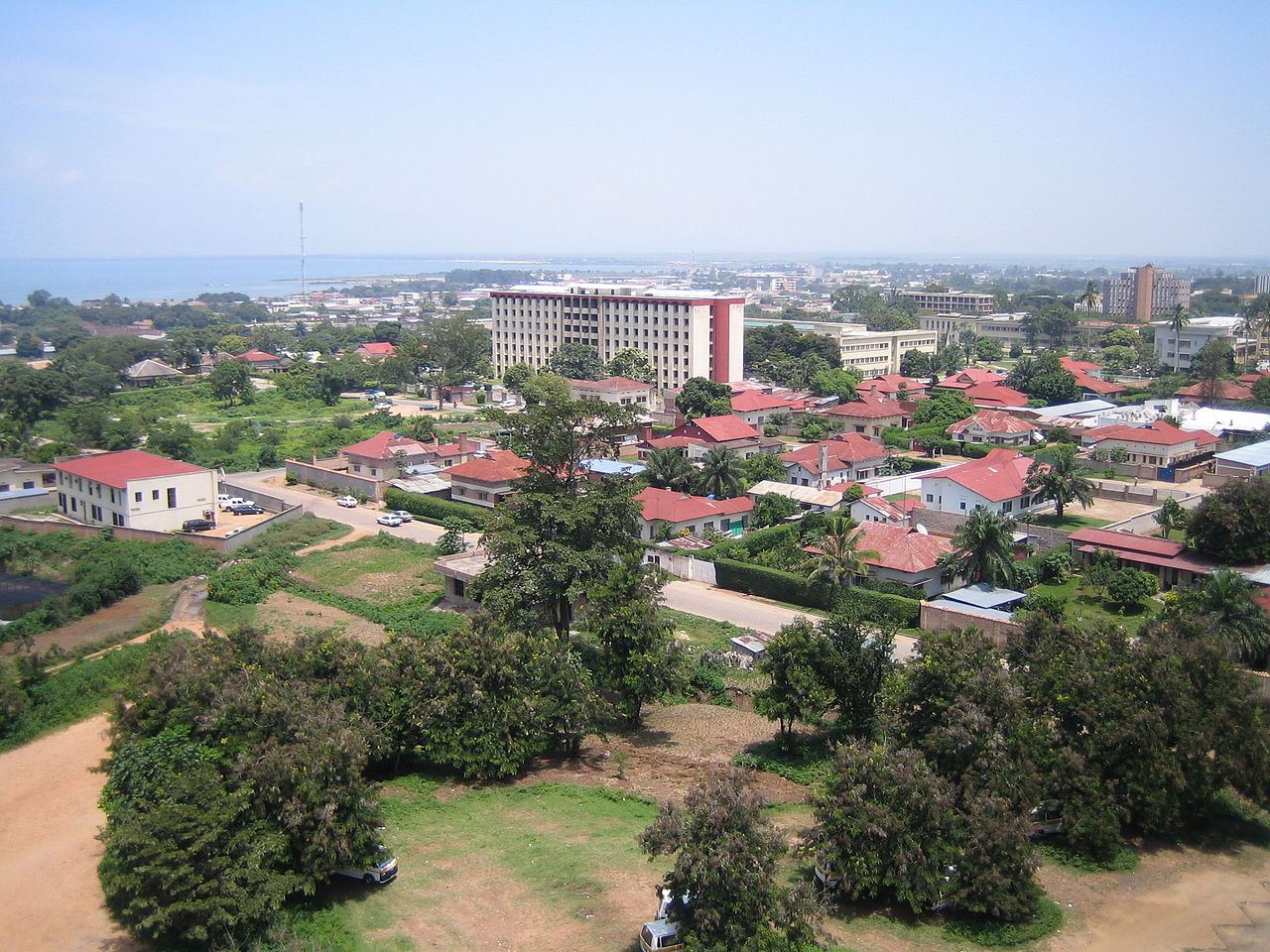
Capital and largest city (2022 est.): Bujumbura, 1,000,000

Bujumbura: Capital City Profile
Other large city: Gitega, 45,700
Monetary unit: Burundi franc
National name: Republika y'u Burundi
Languages: Kirundi 29.7% (official), Kirundi and other language 9.1%, French (official) and French and other language 0.3%, Swahili and Swahili and other language 0.2% (along Lake Tanganyika and in the Bujumbura area), English and English and other language 0.06%, more than 2 languages 3.7%, unspecified 56.9% (2008 est.)
Ethnicity/race: Hutu (Bantu) 85%, Tutsi (Hamitic) 14%, Twa (Pygmy) 1%, Europeans 3,000, South Asians 2,000
National Holiday: Independence Day, July 1
Religions: Catholic 62.1%, Protestant 23.9% (includes Adventist 2.3% and other Protestant 21.6%), Muslim 2.5%, other 3.6%, unspecified 7.9% (2008 est.)

Background:
Burundi is a small nation in east-central Africa's Great Lakes region.
Burundi's first democratically elected president was assassinated in October 1993 after only one hundred days in office. Since then, some 200,000 Burundians have perished in widespread, often intense ethnic violence between Hutu and Tutsi factions. Hundreds of thousands have been internally displaced or have become refugees in neighboring countries. Burundi troops, seeking to secure their borders, briefly intervened in the conflict in the Democratic Republic of the Congo in 1998.
A new transitional government, inaugurated on 1 November 2001, signed a power-sharing agreement with the largest rebel faction in December 2003 and set in place a provisional constitution in October 2004. Implementation of the agreement has been problematic, however, as one remaining rebel group refuses to sign on and elections have been repeatedly delayed, clouding prospects for a sustainable peace.


Source of Information:


