

Country's codes
International phone code for Central African Republic: +236
3 letters: CAF
2 letters (internet domain): .CF
Digital country code 140
Standard EAN-13 (country barcode): Not yet assigned
 Olympic country code: CAF
🇨🇫 Central African Republic Travel Guide
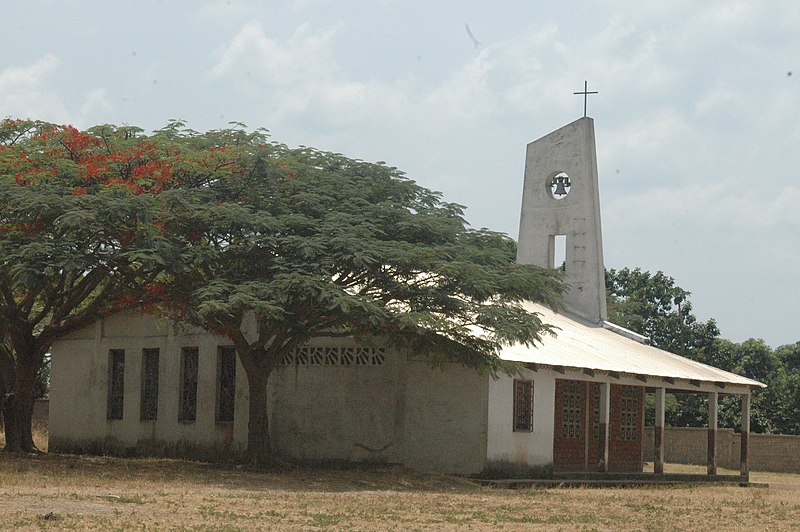
For the ultimate off-the-grid adventure, CAR offers an unparalleled wildlife experience in the remote Dzanga-Sangha National Park — tracking western lowland gorillas, walking among forest elephants, and meeting the indigenous Ba’Aka (pygmy) people, one of the oldest continuous cultures on Earth.
Top Attractions in Central African Republic
🦍 Dzanga-Sangha National Park (UNESCO)
A pristine rainforest reserve part of the Sangha Trinational World Heritage site. Track habituated western lowland gorillas, visit the Dzanga Bai (a forest elephant clearing), and explore dense jungle trails.
🐘 Dzanga Bai (Elephant Clearing)
A magical natural salt lick deep in the rainforest where dozens of forest elephants gather daily to drink mineral-rich water — visible from an elevated viewing platform.
🏞️ Boali Falls (Chutes de Boali)
A stunning 50-meter waterfall on the Mbali River, located just north of the capital Bangui — particularly powerful during the rainy season.
🌳 Bamingui-Bangoran National Park
A remote savanna park in the north, home to elephants, lions, leopards, buffalo, and giant eland — rarely visited but truly wild.
Best Places to Visit
- 🏙️ Bangui – The riverside capital with the imposing Notre-Dame Cathedral, lively Marché Central, and views across the Ubangi River to DR Congo.
- 🦍 Bayanga (Dzanga-Sangha) – The main gateway to CAR’s premier wildlife reserve — a tiny village with basic lodges and expert guides.
- 🌿 Zinga – A relaxing riverside village south of Bangui with sandy beaches on the Ubangi River.
- ⛰️ Manovo-Gounda St. Floris National Park – A UNESCO-listed savanna park (though currently inaccessible due to security issues) once teeming with large mammals.
- 💎 Berbérati – A diamond-mining town in the lush southwest, surrounded by forest and rivers.
Things to Do in Central African Republic
- Track western lowland gorillas in the Dzanga-Sangha rainforest — a life-changing wildlife encounter.
- Spend a morning at the Dzanga Bai viewing platform watching forest elephants interact, bathe, and socialize.
- Join a Ba’Aka (pygmy) community for a traditional forest walk, learning about medicinal plants and net hunting.
- Visit the Boganda Museum in Bangui to learn about pre-colonial history and indigenous cultures.
- Take a boat trip on the Ubangi River, watching for hippos and river birds at sunset.
Travel Tips for Visitors
- ☀️ Dry season (Nov–April) is essential for accessing remote parks; ☔ Rainy season makes roads nearly impassable.
- 🚗 4x4 vehicles are mandatory; road conditions outside Bangui are extremely poor and many roads are seasonal.
- 💵 Carry cash (Euros or US dollars) to exchange — no ATMs outside Bangui; credit cards are not accepted.
- 🛡️ Security: Check travel advisories carefully. The Dzanga-Sangha region is generally safer but requires a pre-arranged operator.
📌 Useful Country Information
Quick Facts
Total area: 240,535 sq mi (622,984 sq km)
Population (2023 est.): ~5.8 million
Capital: Bangui (~890,000)
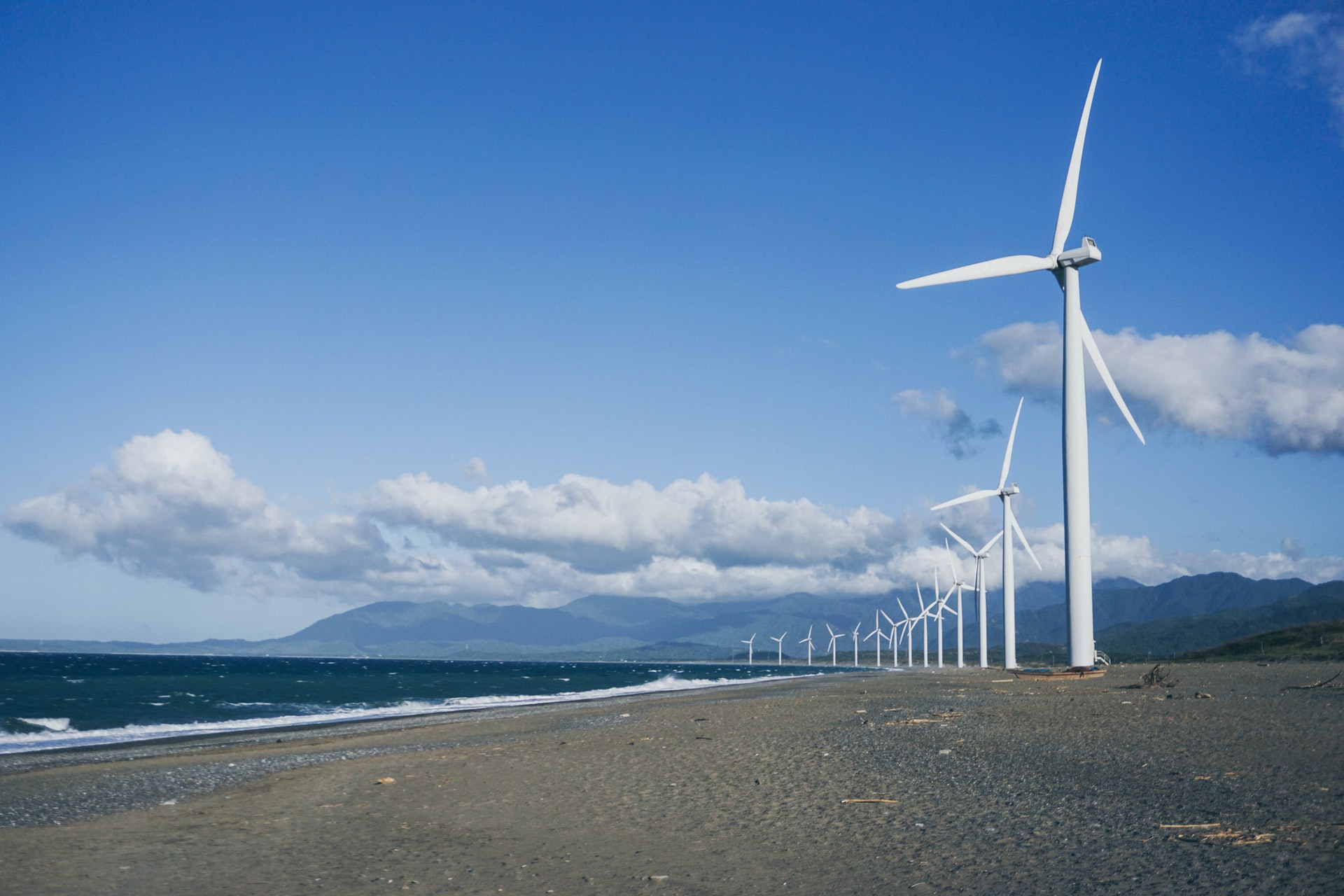
🇨🇫 Bangui: Capital City Profile
Other major cities: Bimbo, Berbérati, Carnot, Bambari, Bouar
Currency: Central African CFA franc (XAF) — pegged to Euro
National name: République Centrafricaine / Ködörösêse tî Bêafrîka
Language: French (official), Sango (national)
Ethnicity/race: Baya 33%, Banda 27%, Mandjia 13%, Sara 10%, Mboum 7%, M’Baka 4%, Yakoma 4%, other 2%
Religions: Protestant 25%, Roman Catholic 25%, Muslim 15%, other Christian 10%, animist 10%, none 15%
National Holiday: December 1, Republic Day (proclaimed 1958).
Background
🦍 Despite its challenges, CAR possesses extraordinary natural wealth. The Dzanga-Sangha Special Reserve is part of the largest remaining tract of tropical rainforest in Central Africa and supports remarkable biodiversity, including western lowland gorillas, chimpanzees, forest elephants, and bongo antelopes.
🌍 The Sangha Trinational (STN) — shared with Cameroon and Republic of Congo — was designated a UNESCO World Heritage site in 2012 for its exceptional conservation value.
👣 The indigenous Ba’Aka people have lived in these forests for over 20,000 years and maintain one of the world’s most sophisticated traditional ecological knowledge systems.
Online Travel Visa Check.
Find Visa information for your destination.Get Travel Insurance Quote


