Country's codes
International phone code for Congo: +242
3 letters: COG
2 letters (internet domain): .CG
Digital country code: 178
Standard EAN-13 (country barcode): Not assigned
 Olympic country code: COG
Republic of the Congo: A Journey into Nature and Culture
Congo-Brazzaville is Central Africa's hidden gem — ancient rainforests, western lowland gorillas, a vibrant capital on the banks of the world's deepest river, and a culture that pulses with music, art, and history.
Tucked between Gabon, Cameroon, and the Democratic Republic of the Congo, the Republic of the Congo — commonly known as Congo-Brazzaville — is one of Africa's most rewarding off-the-beaten-path destinations. Here, the Congo River, the world's deepest river, carves a natural border so dramatic that Brazzaville and Kinshasa sit as the closest pair of national capitals on Earth, separated by just a few kilometers of fast-flowing water.
The country holds a staggering slice of the Congo Basin rainforest — Earth's second largest — sheltering western lowland gorillas, forest elephants, chimpanzees, and more than 400 species of birds. Alongside these natural riches sits a cultural scene that punches far above its weight: Brazzaville has long been a cradle of Central African music, painting, and storytelling.
Getting There
The Republic of the Congo is accessible via two main international airports. Most long-haul travelers arrive at Maya-Maya Airport (BZV) in Brazzaville, which receives flights from Paris, Addis Ababa, Nairobi, and other African hubs. Pointe-Noire Airport (PNR) on the Atlantic coast handles connections from Paris and regional West and Central African destinations, and may be the better entry point for travelers heading directly to beach or rainforest destinations in the south.
Visa Requirements
A tourist visa is required by most nationalities and must be obtained in advance from a Congolese embassy. Visas on arrival are not reliably available. Ensure your passport is valid for at least six months beyond your intended stay. Allow several weeks for processing when applying through an embassy abroad.
Plan AheadEntry Health Requirements
Yellow fever vaccination is mandatory for all travelers entering the Republic of the Congo. Carry your International Certificate of Vaccination (Yellow Card) as proof — it will be checked at the border. Without it, entry may be refused or vaccination administered on arrival at your expense.
MandatoryGetting Around
Roads outside Brazzaville and Pointe-Noire range from manageable to challenging, especially in the rainy season. A 4WD vehicle is essential for national park visits. Hire a reliable local guide for travel beyond the main cities — they are invaluable for navigation, safety, and cultural connection.
4WD RecommendedBest Time to Visit
The Republic of the Congo sits on the equator, giving it a tropical climate with two distinct seasons. Choosing the right time to travel makes an enormous difference to your experience.
Dry Season — June to September
The ideal time to visit. Roads are more navigable, humidity drops to more comfortable levels, and wildlife viewing in national parks is at its best as animals congregate around water sources. Average temperatures hover between 20–28°C (68–82°F). This is peak season for gorilla tracking and forest hikes in Odzala-Kokoua.
Best TimeWet Season — October to May
Heavy rainfall and high humidity characterize most of this period, making rural roads difficult or impassable. However, there is a brief dry spell in December–January that offers a secondary window for travel. Accommodation prices may be lower, and the rainforest bursts with lush green life — rewarding for serious birders and photographers.
Off-PeakTop Attractions
Brazzaville
The capital city straddles the Congo River and rewards slow exploration. The historic Basilique Sainte-Anne, built in 1949 by French architect Roger Erell, is one of Central Africa's most striking Catholic churches — its bold modernist form rising above the surrounding neighborhoods in a way that feels both unexpected and deeply rooted. Nearby, the Congo National Museum (Musée National du Congo) houses masks, ceremonial objects, traditional weapons, and archaeological finds that bring the country's layered pre-colonial and colonial history to life.
Poto-Poto Painting School
Founded in 1951 by French artist Pierre Lods, the Poto-Poto School was one of Africa's first institutions dedicated to contemporary African art, using abstract forms and vivid colors to capture daily Congolese life. The school still operates today — visiting is one of Brazzaville's most memorable cultural experiences, and original works can be purchased directly from artists.
Congo River Waterfront
Walking the Corniche — Brazzaville's riverside boulevard — at dusk, with the lights of Kinshasa twinkling across the water, is an unforgettable sight. River boat tours offer a different perspective, drifting past fishing villages, forested islands, and the mighty current of one of the world's great waterways. The river ferry crossing to Kinshasa is itself a classic Central African experience.
Pierre Savorgnan de Brazza Mausoleum
Since 2006, this grand marble mausoleum has housed the remains of Pierre Savorgnan de Brazza — the Italian-French explorer after whom the city was named, known for his non-violent approach to colonial contact compared to contemporaries. The adjacent museum traces the history of French exploration and early Congolese statehood in thoughtful detail.
Markets of Poto-Poto & Bacongo
Brazzaville's great open-air markets are hubs of everyday commerce and culture. Browse stalls of carved masks, woven baskets, hand-dyed fabric, spices, and fresh produce. Bacongo market is particularly vibrant on weekend mornings. Come to browse, bargain gently, and absorb the rhythms of daily Congolese life.
Odzala-Kokoua National Park
One of Africa's oldest protected areas — established in 1935 — and a UNESCO World Heritage Site, Odzala-Kokoua is the crown jewel of Congolese eco-tourism. This vast park in the northwest of the country protects a rich mosaic of dense rainforest, river meadows, and swampy forest clearings called baïs — natural mineral licks that draw forest elephants, western lowland gorillas, and forest buffalo in remarkable concentrations.
Gorilla Tracking
Odzala is one of the world's premier destinations for encountering habituated western lowland gorillas in their natural habitat. Expert guides lead small groups through dense forest to spend time with gorilla families — a profound wildlife experience that few places on Earth can match. Booking through a reputable operator well in advance is essential.
Bucket ListForest Elephants & Wildlife
The park's baïs — forest clearings — are magical places to observe forest elephants, giant forest hogs, sitatunga, and bongo antelope. With over 400 bird species, Odzala is also exceptional for birdwatching. River safaris along the Lekoli and Mambili rivers add another dimension to the wildlife experience.
Getting There
Odzala is a substantial journey from Brazzaville — most visitors arrive by small charter flight to one of the park's airstrips. Ground access is possible in the dry season but requires a well-equipped 4WD and experienced local guide. Premium lodge operators run fly-in packages that include all activities and guiding.
Pointe-Noire & the Diosso Gorge
The Republic of the Congo's second city and its main Atlantic port, Pointe-Noire has a different energy from Brazzaville — more relaxed, more coastal, with long sandy beaches and a lively restaurant scene fueled by the offshore oil industry. The city serves as the gateway to some of the country's most dramatic scenery.
Diosso Gorge
Just north of Pointe-Noire, the Diosso Gorge cuts through vivid red laterite cliffs that descend to the Atlantic shore in a dramatic display of erosion. The contrast of rust-colored earth against the deep blue of the ocean is genuinely spectacular. Local guides lead walks along the cliff tops with views that stretch far along the coast.
Atlantic Beaches
Pointe-Noire's beaches — including the broad sands around the Côte Sauvage — offer peaceful stretches of Atlantic coastline largely untouched by mass tourism. The sea here is best for swimming only at certain points due to strong currents; always ask locals before entering the water.
The Congo-Ocean Railway
The historic railway linking Brazzaville to Pointe-Noire passes through stunning highland scenery and represents a remarkable feat of colonial-era engineering — built at great human cost in the 1930s. Although services are slow and irregular, the journey is an adventure in itself and offers views of landscapes few tourists ever see.
Conkouati-Douli National Park
Along the southwestern coast, Conkouati-Douli National Park protects an extraordinary transition zone where equatorial rainforest meets the Atlantic shore. This biodiversity hotspot is home to forest elephants, chimpanzees, hippos, and rare sitatunga antelope inland — while offshore, leatherback turtles nest on the beaches and dolphins patrol the surf line.
Mount Nabemba
At 1,020 meters, Mount Nabemba is the Republic of the Congo's highest peak, rising dramatically from the rainforest in the Sangha region near the Cameroon border. The mountain is surrounded by primary forest of exceptional biodiversity and offers one of the most rewarding multi-day trekking experiences in the country. A local guide is required and can be arranged through operators in the town of Ouesso.
A Glimpse into Congo-Brazzaville's History
The Republic of the Congo carries a history as deep and layered as its rainforests. The earliest known inhabitants were Pygmy hunter-gatherers — ancestors of today's Aka and Mbenga peoples — who have lived in intimate relationship with the forest for tens of thousands of years. From the 14th century onward, Bantu-speaking peoples migrated into the region, forming complex societies and trading kingdoms including the Loango, Kongo, and Tio — all of which developed sophisticated political structures, long-distance trade networks, and rich artistic traditions.
Portuguese explorers arrived on the Atlantic coast in the late 15th century, initiating commercial contact that would eventually develop into the devastating transatlantic slave trade, which fundamentally altered the demographics and social structures of the Congo Basin over the following three centuries.
French Equatorial Africa
In the late 19th century, explorer Pierre Savorgnan de Brazza negotiated treaties with Tio King Makoko, establishing French control over the region. It became the administrative capital of French Equatorial Africa — a vast colonial federation spanning much of Central Africa. During World War II, Brazzaville briefly served as the symbolic capital of Free France under General de Gaulle.
Independence & Post-Colonial Era
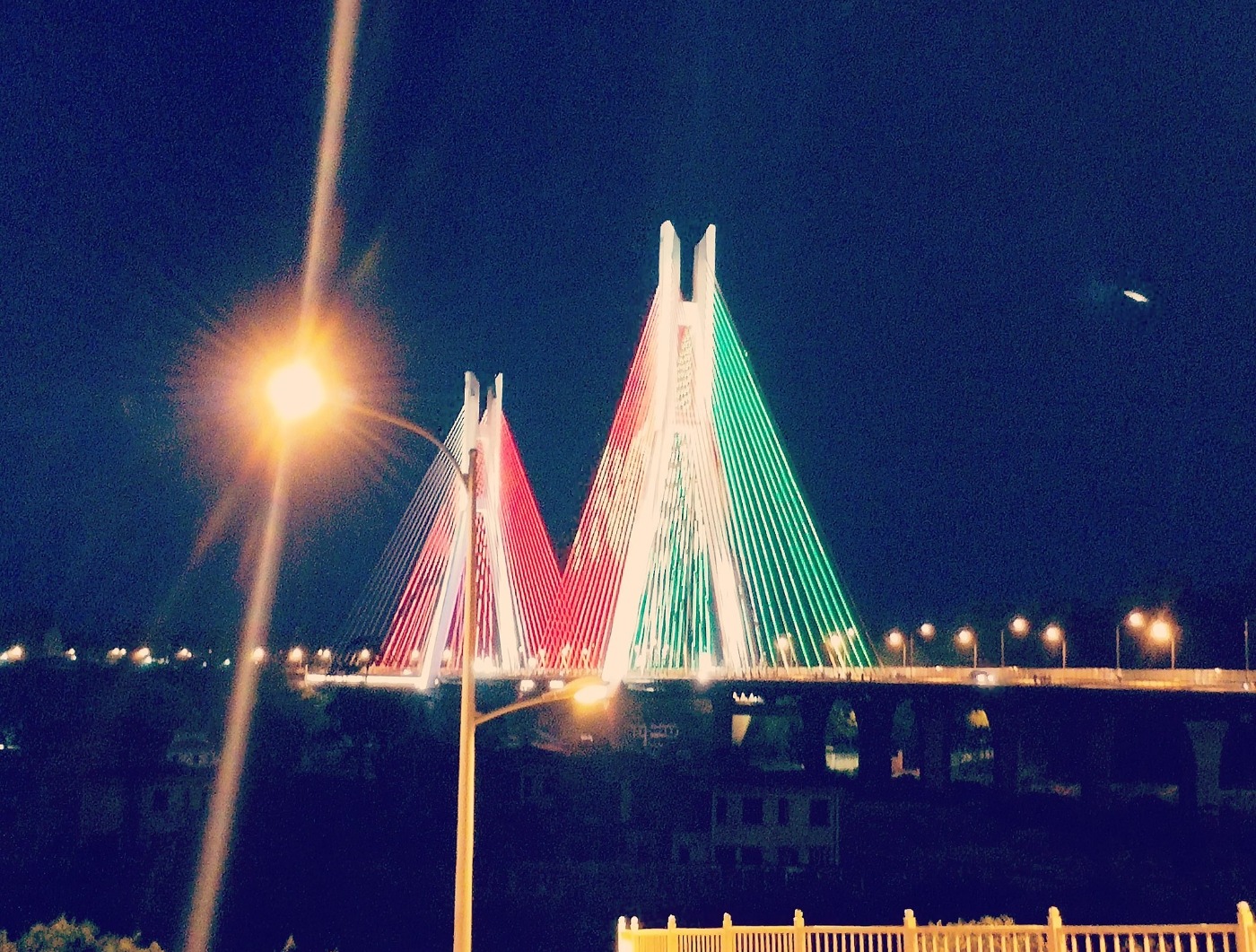
The Republic of the Congo gained independence from France on August 15, 1960 — a date still celebrated as Independence Day (the bridge Pont du 15 Août 1960 in Brazzaville commemorates the occasion). The post-independence decades brought Marxist single-party rule from 1969, followed by the tumultuous civil wars of the 1990s, before a negotiated peace restored relative stability.
Cultural Resilience
Despite political upheaval, Congolese culture has remained vivid and outward-facing. Brazzaville has long been a center of Central African music — local rumba congolaise rhythms crossed the river, mixed with Cuban beats, and helped give birth to genres that influenced music across the African continent and the wider world.
Current Political Landscape
The Republic of the Congo is a presidential republic. President Denis Sassou Nguesso has governed the country for most of the period since 1979, with a brief interruption during the democratic opening of the early 1990s. While multiparty elections are held, international observers have raised concerns about the concentration of power and the conditions of political competition.
Essential Travel Tips
Vaccinations
Yellow fever is mandatory and your certificate will be checked on arrival. Also strongly recommended: Hepatitis A & B, typhoid, rabies (for longer stays or wildlife contact), and up-to-date routine vaccines including MMR and Tdap. Malaria prophylaxis is essential — discuss options with your travel medicine physician well before departure.
Non-NegotiableMosquito Protection
Malaria is present throughout the country. Use DEET-based insect repellent (≥30%) on all exposed skin, wear long-sleeved clothing and trousers especially at dawn and dusk, and sleep under an insecticide-treated mosquito net wherever air conditioning is not available. Consistency matters — take your antimalarial medication exactly as prescribed.
Daily HabitFood & Water Safety
Drink only sealed bottled water or water treated with purification tablets. Avoid ice in drinks outside trusted establishments. Eat freshly cooked, hot food — avoid raw salads and unpeeled fruit purchased from street vendors. Street food from high-turnover stalls is generally lower risk than cold or pre-prepared dishes.
EssentialMedical Access
Urban centers in Brazzaville and Pointe-Noire have basic private medical facilities. Outside major cities, medical resources are severely limited. Carry a comprehensive travel health kit, all personal prescription medications, and comprehensive travel insurance that explicitly covers medical evacuation — emergencies requiring evacuation can cost $50,000–$150,000 USD or more.
CriticalMoney & Payments
The local currency is the Central African CFA franc (XAF), which is pegged to the euro. Cash is king outside of major hotels. ATMs are available in Brazzaville and Pointe-Noire but can be unreliable — always carry sufficient cash. Credit cards are accepted at top hotels and a handful of restaurants.
Guides Are Essential
For any travel beyond the two main cities — national parks, rainforest treks, wildlife reserves, rural areas — hiring an experienced local guide is not just recommended but critical. Guides provide navigation, language, safety, and cultural context. Book through established tour operators or park offices rather than approaching individuals independently.
Ready to Discover Congo-Brazzaville?
One of Central Africa's last great wilderness destinations — an extraordinary combination of pristine rainforest, rare wildlife encounters, and a vibrant culture that has shaped music and art across the continent.
Travel information current as of 2025–2026. Always check the latest government travel advisories and entry requirements before booking, as conditions can change.Online Travel Visa Check.
Find Visa information for your destination.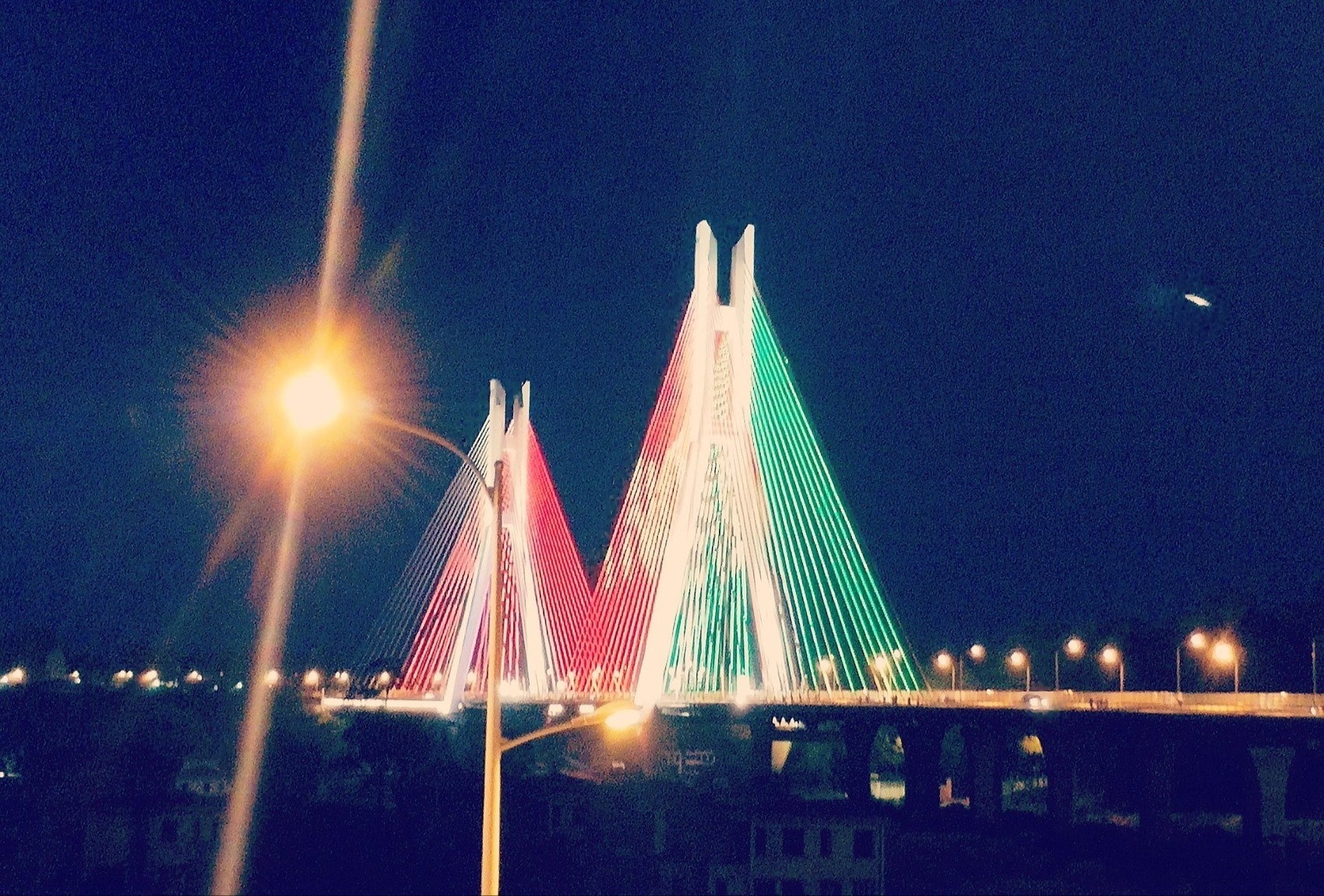
Brazzaville: Capital City Profile
Useful Country Information
| Land Area | 342,000 km² (about the size of Germany) |
| Population | 5.8 million (2025 est.) |
| Capital & Largest City | Brazzaville — est. population 2.5 million; sits directly opposite Kinshasa, DRC, across the Congo River, making them the world's closest pair of national capitals |
| Languages | French (official) | Kituba | Lingala | and numerous other Bantu languages |
| Ethnicity | Predominantly Bantu-speaking peoples — including the Bakongo (Kongo), Teke, Mboshi, and others — whose ancestors settled the region during the Great Bantu Migration. Pygmy communities (Aka and Mbenga) are among the earliest known inhabitants. |
| Religion | Christian 95.8% | Muslim 1.5% | No affiliation 1.8% | Other 0.9% |
| National Holiday | Independence Day — August 15 (independence from France, 1960) | Republic Day — November 28 |
| Currency | Central African CFA franc (XAF) — pegged to the euro |
| Time Zone | WAT — West Africa Time (UTC+1), no daylight saving |
| Electricity | 230V / 50Hz — Type C and E plugs (European-style round pins) |
Monetary unit: CFA Franc