

Country's codes
International phone code for Czech Republic: +420
Standard ISO 3166-1:
3 letters: CZE
2 letters (internet domain): .CZ
digital country code: 203
Standard EAN-13 (country barcode): 859
 Olympic country code: CZE
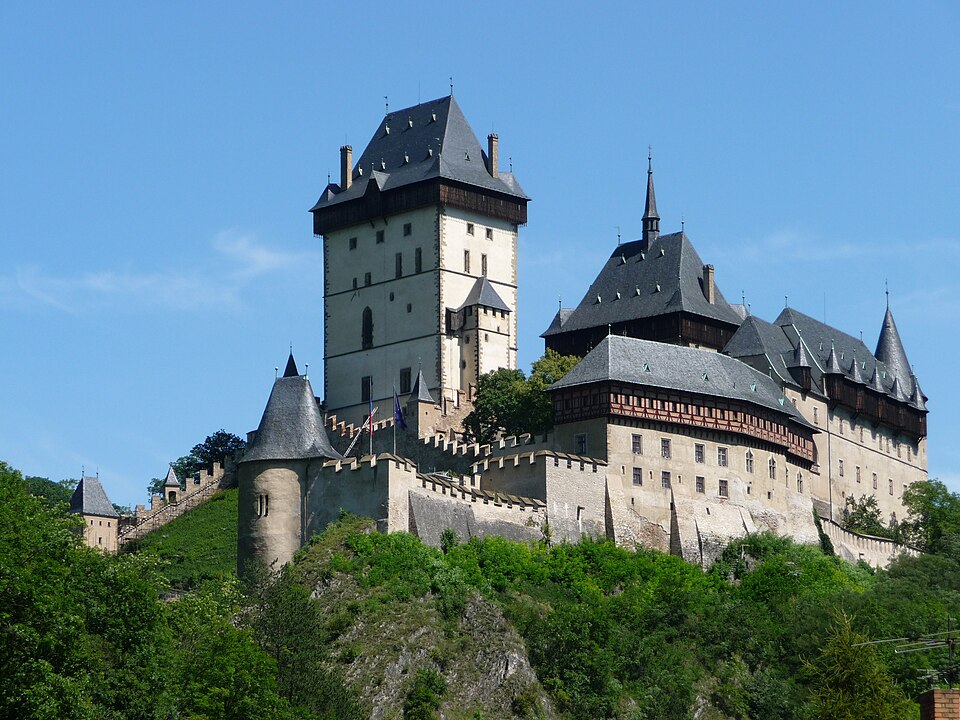
Czechia: A Central European Treasure of Culture, Castles & Wellness
With fairy‑tale towns, centuries‑old castles, spa traditions, and vibrant cultural life, Czechia is one of Europe’s most charming destinations. From the cobblestone streets of Prague to peaceful countryside trails, the country blends history, nature, and wellness in perfect harmony.
Travel Tips for Tourists
Getting There
Czechia is part of the Schengen Area, offering easy access for many travelers. Most visitors can enter visa‑free for short stays. The main international gateway is Václav Havel Airport Prague, with excellent rail and bus connections across Central Europe.
Best Time to Visit
The most pleasant times to explore Czechia are during late spring (May) and early autumn (September–October). These months offer mild temperatures, fewer crowds, and beautiful scenery. Summer brings festivals and lively streets, while winter offers Christmas markets and skiing in the Krkonoše Mountains.
Expect comfortable weather, great photo conditions, and lower accommodation rates.
Top Attractions in Czechia
Prague
A magical city of Gothic towers, Baroque palaces, cozy cafés, and medieval lanes. Major highlights include Prague Castle, Charles Bridge, and the world‑famous Astronomical Clock.
CityHistoricIconic
Český Krumlov
A UNESCO‑listed medieval town wrapped around a river bend, offering a fairytale castle, cobbled lanes, and peaceful views.
UNESCOCulture
Karlovy Vary
One of Europe’s most famous spa towns, known for hot springs, elegant colonnades, and relaxing wellness experiences.
SpaWellness
Kutná Hora
A historic gem featuring the unique Sedlec Ossuary and the majestic St. Barbara’s Cathedral.
UNESCOHistory
Bohemian Switzerland National Park
A nature lover’s paradise with sandstone cliffs, arches, forests, and scenic hiking trails, including the famous Pravčická Gate.
NatureHiking
Telč & Lednice-Valtice
Charming towns and grand chateaux showcasing Renaissance and Baroque architectural beauty surrounded by peaceful lakes and parks.
ArchitectureCultural
Healthy Travel Advice
Czechia maintains high health and safety standards. Travelers planning time in the countryside should consider protection against tick‑borne illnesses. Forested areas are excellent for hiking, but insect repellent and good footwear are recommended.
Emergency services are reliable, and dialing 112 connects you to assistance anywhere in the country.
A Glimpse into Czechia’s History
Czechia’s story spans Celtic and Slavic beginnings, the rise of the Great Moravian Empire, and the establishment of the Czech state under the Přemyslid dynasty. During the 14th century, the reign of Charles IV transformed Prague into a major European center.
Over the centuries, the region experienced religious struggles, Habsburg rule, and a national cultural revival. Following World War I, Czechoslovakia was formed. After decades of communist rule in the 20th century, the peaceful Velvet Revolution in 1989 opened a new democratic chapter. In 1993, Czechia became an independent nation.
Current National Landscape
Today, Czechia is a stable parliamentary democracy and an active member of the European Union. Its government institutions focus on economic development, sustainable tourism, and cultural preservation.
The country continues to balance tradition and modernity, maintaining a strong European identity while celebrating its rich historic and cultural heritage.
Useful Country Information
Land area: 29,813 sq mi (77,218 sq km) | Total area: 30,452 sq mi (78,871 sq km)
Population (2026 est.): Approximately 10.9 million
/world-capitals"> Capital and largest city: Prague
Official language: Czech
Currency: Czech Koruna (CZK)
Time zone: Central European Time (CET, UTC+1)

Other major cities: Brno, Ostrava, Plzeň, Olomouc, Liberec
Government type: Parliamentary republic
Monetary unit: Koruna
Get Travel Insurance Quote

Culture, Government & Society
National name: Česká republika (Czech Republic)
Languages: Czech is the official language. Slovak is also widely understood, while English and German are commonly spoken in tourist and business areas.
Ethnic groups: The population is predominantly Czech, with Slovak, Ukrainian, Vietnamese, Polish, and other minority communities contributing to the country’s cultural diversity.
Religions: The Czech Republic is one of Europe’s most secular countries. Christianity, mainly Roman Catholicism, is the largest religion, alongside Protestant communities and a large unaffiliated population.
National Holiday: 28 October – Independent Czechoslovak State Day (Czech Founding Day)
Government type: Parliamentary republic
European affiliations: Member of the European Union, NATO, and the Schengen Area
Background
The Czech Republic is a landlocked country located in the heart of Central Europe, known for its medieval towns, castles, cultural heritage, and historic cities such as Prague. The lands of Bohemia, Moravia, and Czech Silesia were historically important parts of the Holy Roman Empire and later the Austro-Hungarian Empire.
Following the collapse of Austria-Hungary after World War I, the Czechs and Slovaks united in 1918 to form the independent state of Czechoslovakia. During World War II, the country was occupied by Nazi Germany, and many Czech citizens, including Jewish communities, suffered persecution and destruction.
After World War II, Czechoslovakia became part of the Soviet sphere of influence and joined the Warsaw Pact under a communist government. In 1968, reform efforts known as the “Prague Spring” attempted to create a more liberal form of socialism with greater political freedoms. However, these reforms were suppressed by a Warsaw Pact military invasion led by the Soviet Union.
The peaceful “Velvet Revolution” of 1989 marked the end of communist rule and restored democracy to the country. On 1 January 1993, Czechoslovakia peacefully split into two independent states — the Czech Republic and Slovakia — in an event often called the “Velvet Divorce.”
Since independence, the Czech Republic has developed into a stable parliamentary democracy with a strong industrial economy and high standard of living. The country joined NATO in 1999 and became a member of the European Union in 2004, strengthening its role in European political and economic affairs.
Today, the Czech Republic is internationally recognized for its historic architecture, classical music heritage, world-famous beer culture, and scenic destinations including Prague, Český Krumlov, Karlovy Vary, and the Bohemian countryside.


