Dar es Salaam Weather
DAR ES SALAAM WEATHERAbout Dar es Salaam
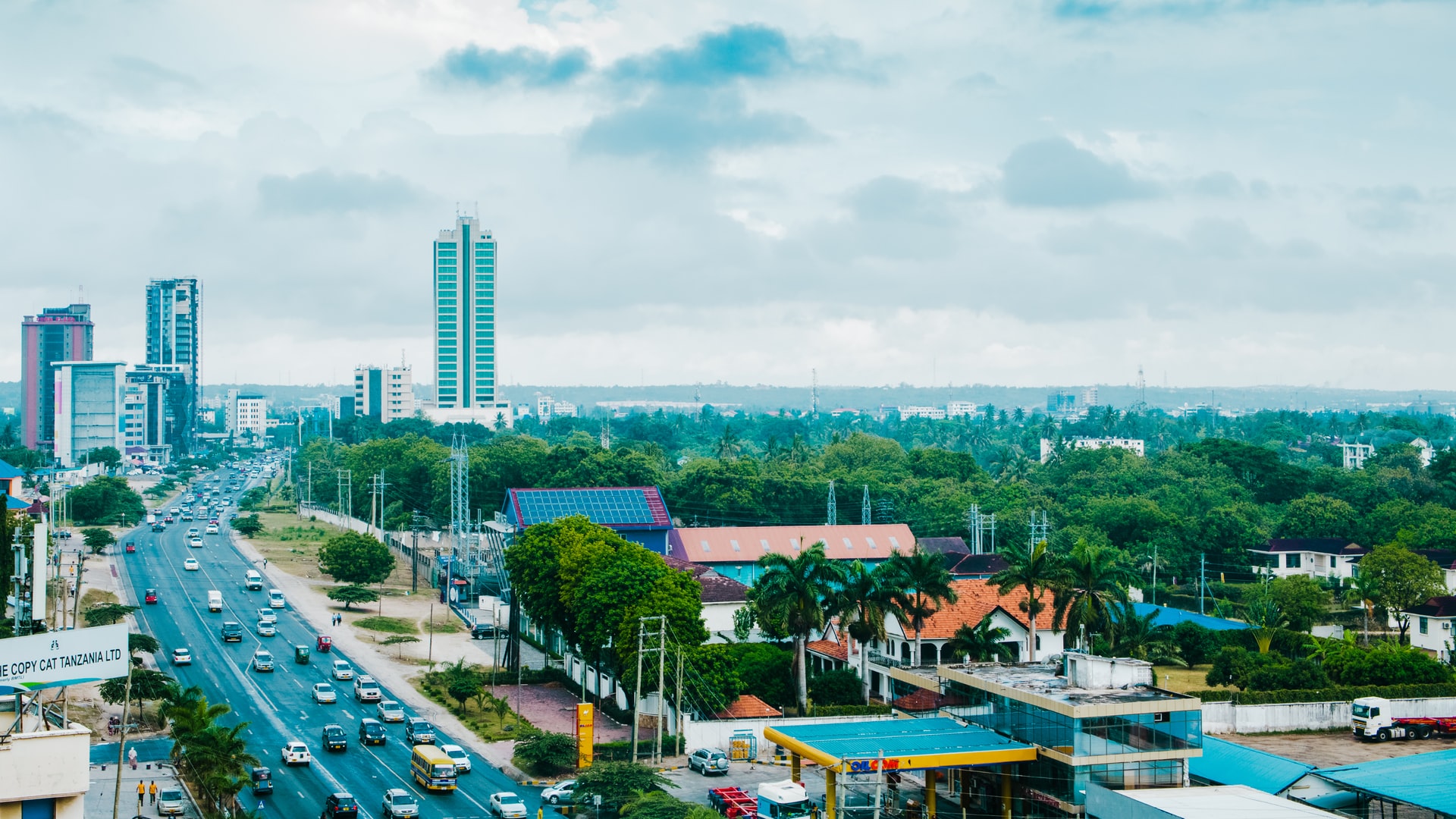
Dar es Salaam — whose name translates from Arabic as "Harbour of Peace" — is Tanzania's largest city, its commercial and economic capital, its primary port, and by far its most dynamic and internationally connected urban centre. Though Dodoma was designated the official political capital by Act of Parliament in 1974, Dar es Salaam has remained the de facto seat of Tanzanian government and the centre of its financial, commercial, and cultural life for over a century and a half, and shows no sign of relinquishing that dominant role. Situated on a natural harbour of extraordinary sheltered beauty on the Indian Ocean coast of East Africa — a bay of calm, turquoise-blue water enclosed by mangrove-fringed headlands and lined with the colonial-era buildings, dhow moorings, and waterfront promenades that give the city its most characteristic and most beloved urban character — Dar es Salaam has grown from a small fishing settlement and seasonal camp of the Sultan of Zanzibar (who established a summer residence here in the 1860s) into one of the fastest-growing cities in Africa, with a population of over 7 million in 2021 and a trajectory that makes it a candidate for one of the continent's megacities within the coming decades. Founded formally in 1866 by Sultan Majid bin Said of Zanzibar, developed as the capital of German East Africa from 1891 (when the colonial administration transferred from Bagamoyo), and subsequently the capital of British Tanganyika from 1916, Dar es Salaam carries the layered architectural, cultural, and commercial legacy of all these influences: the Swahili stone-town architecture of the old harbour district, the broad tree-lined avenues and grand public buildings of the German colonial era, the garden suburbs and institutional buildings of the British mandate period, and the modernist commercial towers, luxury hotels, and infrastructure investments of the post-independence and contemporary era. The city is simultaneously Tanzania's gateway to the world — through Julius Nyerere International Airport (the busiest in East Africa outside Nairobi) and the Port of Dar es Salaam (the principal deep-water port serving Tanzania, Uganda, Rwanda, Burundi, the DRC, and Zambia) — and the keeper of Tanzania's most vibrant street culture, finest restaurant scene, most significant museums, and most diverse and most energetic urban social life. Dar es Salaam is not merely Tanzania's largest city — it is Tanzania's beating heart.
Best Time to Visit Dar es Salaam & Weather Guide
Dar es Salaam has a tropical monsoon climate — hot and humid year-round, with two distinct rainy seasons and two dry seasons shaped by the Indian Ocean monsoon system that has defined the rhythms of East African coastal life for millennia. The city sits just 6 degrees south of the Equator at sea level, giving it consistently high temperatures and humidity that are moderated by the sea breezes off the Indian Ocean.
☀️ Long Dry Season (June–September)
The finest time to visit Dar es Salaam for most purposes — temperatures of 24–29°C, the lowest humidity of the year, the reliable southeast kusi trade wind bringing a refreshing ocean breeze that makes even the warmest days comfortable, and the clearest skies of the annual cycle. July and August are the coolest and most comfortable months — the sea breeze is at its most consistent, the air has a pleasant dryness, and the city's outdoor spaces — the waterfront Kivukoni promenade, the Coco Beach strip, the Msasani Peninsula restaurant terraces — are at their most enjoyable. The long dry season is the best time for day trips to Zanzibar (a 2-hour ferry ride), for exploring the historic Swahili coast towns of Bagamoyo and Kilwa Kisiwani, and for the northern Tanzania safari circuit, which is at its most accessible from Dar es Salaam via domestic flight during this period.
Best Time to Visit🌿 Short Dry Season (December–January)
The short dry season — between the long rains of March–May and the short rains of October–November — brings a second period of relatively dry and pleasant weather to Dar es Salaam, with temperatures of 27–32°C, moderate humidity, and the northwest kaskazi monsoon wind beginning to establish itself. December and January are the hottest months of the year, but the reduced humidity compared to the rainy seasons makes them manageable. The Christmas and New Year period brings a festive atmosphere to the city's hotels, restaurants, and beach establishments; the Msasani Peninsula and Oyster Bay beaches are at their most popular with both residents and visitors. This is also the season of the traditional dhow sailing on the monsoon wind — wooden sailing vessels of ancient design still crossing the Indian Ocean between Oman, Zanzibar, and the Tanzanian coast.
Short Dry Season🌧️ Long Rains (March–May)
The long rains — the masika season — bring Dar es Salaam's heaviest and most sustained rainfall, with March through May seeing daily downpours of considerable intensity, high humidity, and the lush, green, intensely tropical landscape that transforms the city and its surrounding coast into a vivid tableau of mangoes, bougainvillea, and dripping palm trees. Temperatures remain high at 26–30°C and the heavy rain can cause flooding in low-lying areas of the city. The long rains season is the quietest and most affordable period for visitors — hotel rates are at their lowest, the tourist sites are uncrowded, and the city operates in a slower, more relaxed rhythm that reveals a different and arguably more authentic side of Dar es Salaam's coastal character. The surrounding countryside and the bush roads to upcountry destinations are at their most challenging.
Rainy Season🌦️ Short Rains (October–November)
The short rains — the vuli season — bring a period of intermittent rainfall to Dar es Salaam in October and November, generally less intense and less prolonged than the long rains, with warm temperatures of 26–31°C and an increasingly humid atmosphere as the southeast monsoon gives way to the northwest. The short rains are a transitional season of considerable charm — the city's gardens are lush and flowering, the Indian Ocean is at its warmest and most inviting for swimming and snorkelling, and the reduced tourist numbers mean that Zanzibar and the Dar es Salaam beach establishments operate at a more relaxed and affordable pace. October and November represent a useful shoulder season for budget-conscious visitors who can tolerate occasional afternoon showers.
Short Rains ShoulderLong Dry Season (Jun–Sep): Light, breathable clothing for the warm days — the sea breeze makes even 29°C comfortable. A light layer for air-conditioned restaurants and offices. High-factor sunscreen (SPF 50+) and sunglasses for the intense equatorial sun. Comfortable walking sandals for the waterfront and beach areas.
Long Rains (Mar–May): The lightest breathable cotton or linen clothing; a compact waterproof jacket or umbrella for the daily downpours. Waterproof sandals or shoes. Insect repellent for outdoor evenings — mosquitoes are most active after rain. Malaria prophylaxis is strongly recommended for all visits to Dar es Salaam.
Year-round: Tanzania uses the Type G three-pin plug (British standard, 230V/50Hz) — bring a suitable adaptor. Swahili is the national language; basic phrases (Habari — Hello; Asante — Thank you; Karibu — Welcome) are warmly appreciated. Drink only bottled or treated water. Malaria prophylaxis is essential for Dar es Salaam — consult your travel health physician. Yellow fever vaccination certificate required if arriving from a yellow-fever endemic country.
Top Attractions in Dar es Salaam
Dar es Salaam rewards visitors with a rich and varied range of attractions spanning East African history, Swahili coastal culture, world-class natural history, vibrant contemporary urban life, and some of the finest beaches and Indian Ocean diving accessible from any African city.
🏛️ National Museum & House of Culture
Tanzania's most important museum and one of the finest natural history and cultural institutions in sub-Saharan Africa — the National Museum and House of Culture on Shaaban Robert Street holds collections of extraordinary significance spanning palaeontology, archaeology, natural history, and Tanzanian cultural heritage. The museum's most celebrated exhibit is the cast of the Zinjanthropus boisei skull discovered by Mary Leakey at Olduvai Gorge in 1959 — one of the most important hominid fossils ever found and a defining moment in the scientific understanding of human evolution. Further highlights include the German colonial history gallery, the Shirazi and Swahili archaeological collections from the coastal city-states, the traditional musical instruments hall, and the botanical garden surrounding the museum building. Admission is highly affordable and the museum is one of the finest investments of a morning in Dar es Salaam.
Tanzania's Finest Museum⛵ Kivukoni Waterfront & Old Harbour
The most atmospheric and most characteristically Dar es Salaam public space in the city — the Kivukoni waterfront and Old Harbour district, stretching along the southern shore of the city's magnificent natural harbour, is where the city's Swahili, Arab, Indian, German, and British histories converge in a single, richly textured urban landscape: the Azania Front Lutheran Cathedral (built by the Germans in 1898, the most elegant colonial-era building in Dar es Salaam), the Old Boma (the original German colonial fort and administrative headquarters, now the city's most important historic building), the High Court of Tanzania (a fine example of early British colonial architecture), and the dhow harbour — where traditional wooden sailing vessels from Zanzibar, Pemba, and the Arabian Peninsula still tie up alongside modern ferries and commercial vessels in a scene that has barely changed in its essential character since the 19th century.
Historic Waterfront🛍️ Kariakoo Market
The largest, most exuberant, and most sensory overwhelming market in East Africa — Kariakoo Market, covering several city blocks in the densely populated Kariakoo neighbourhood west of the city centre, is a trading spectacle of staggering scale and vitality: fresh produce from across Tanzania (mangoes, jackfruit, cassava, yams, coconuts, dried fish, and every spice of the Swahili coast), textiles, kanga fabrics, electronics, household goods, traditional medicines (dawa za kienyeji), and the extraordinary variety of craftwork and imported goods that flow through the Port of Dar es Salaam. The market building itself — a multi-storey covered structure of considerable architectural interest — is surrounded by the teeming, narrow-laned commercial streets of the Kariakoo neighbourhood, which constitute one of the most dense and most vibrant urban commercial districts in East Africa. Visit in the morning for the freshest produce and the most energetic atmosphere.
East Africa's Greatest Market🎨 Village Museum (Makumbusho)
Tanzania's most comprehensive living museum of traditional culture and architecture — the Village Museum (Makumbusho ya Taifa), located in the northern suburbs on the Bagamoyo Road, presents authentic full-scale recreations of traditional homesteads representing 16 of Tanzania's diverse ethnic communities: Maasai bomas, Gogo thatched compounds, Makonde carved-wood villages, Chagga highland farmsteads, and the coastal Swahili stone-town house — all constructed using traditional materials and methods by artisans from each community. The museum hosts regular weekend performances of traditional music, dance, and craft demonstrations that provide the most accessible and most authentic encounter with Tanzania's extraordinary cultural diversity available in the capital. The craft shops within the museum sell high-quality traditional craft work directly from producing communities at fair prices.
Living Culture Museum🏖️ Coco Beach & Msasani Peninsula
Dar es Salaam's most beloved urban beach and the most popular leisure destination for the city's residents — Coco Beach (Oyster Bay Beach) on the Msasani Peninsula, 8km north of the city centre, is a broad, white-sand Indian Ocean beach of genuine tropical beauty, with the warm, clear waters of the Indian Ocean, a consistent surf, and the relaxed, mixed-demographic social atmosphere that makes it the most characteristic weekend leisure space in the city. The beach is lined with coconut palms, beach bars, and the outdoor restaurants and nyama choma stalls that come alive on weekend afternoons with music, football, and the social energy of a city of seven million. The broader Msasani Peninsula — the upmarket residential and diplomatic suburb north of Coco Beach — contains Dar es Salaam's finest restaurant strip, the Slipway Shopping Centre waterfront complex, and the majority of the city's international-standard boutique hotels and guesthouses.
Ocean Beach & Lifestyle🌿 Botanic Garden & Mnazi Mmoja Park
Two of Dar es Salaam's most pleasant and most historically significant green spaces — the Botanic Garden (Bustani ya Mimea), established by the German colonial administration in 1893 and one of the oldest botanical gardens in East Africa, is a tranquil, shaded sanctuary of tropical trees and flowering plants in the heart of the city, housing a significant collection of East African flora including mahogany, African teak, and a remarkable diversity of tropical fruit trees. Mnazi Mmoja Park — the large public park and recreational ground adjacent to the city centre, named for the single coconut palm (mnazi mmoja) that once stood alone on the coastal plain — is the principal public open space of central Dar es Salaam, hosting sports events, political rallies, evening football games, and the relaxed, unhurried street life that gives the city its most accessible public character.
Green City Spaces🕌 Dar es Salaam's Religious Architecture
The most visually striking expression of Dar es Salaam's extraordinary cultural and religious diversity — the city's skyline is defined by the minarets, domes, and spires of a remarkable concentration of significant religious buildings: the Azania Front Lutheran Cathedral (1898 — the finest German colonial building in Tanzania, its cream-and-red Rhineland Romanesque tower visible from the harbour approach); the St. Joseph's Metropolitan Cathedral (the Roman Catholic cathedral, built 1897–1902 in a distinctive Gothic revival style by German missionaries); the Ismaili Jamatkhana (the principal mosque of the Ismaili Muslim community, reflecting the significant Indian commercial community's architectural contribution to the city); and the Jumuah Mosque (one of the oldest mosques in Dar es Salaam, serving the long-established Swahili Muslim community of the harbour district). Together, these buildings constitute an unmatched architectural record of the Indian Ocean world's religious diversity in a single city.
Architecture & Faith🎶 Mwenge Craft Village & Contemporary Arts
The most important craft and contemporary arts destination in Dar es Salaam and one of the finest in East Africa — the Mwenge Craft Village (Mwenge Handicraft Market), on the Bagamoyo Road in the northern suburbs, is a permanent outdoor market of over 100 craft stalls and workshops where Tanzanian artisans — carvers, weavers, painters, jewellers, and textile artists — produce and sell their work directly to visitors: Makonde ebony carvings of extraordinary quality and complexity, Tingatinga paintings (the vivid, enamel-paint-on-board tradition founded in Dar es Salaam by Edward Said Tingatinga in the 1960s and now one of the most internationally recognised East African art forms), Maasai beadwork, batik fabrics, and carved wooden furniture. The Nyumba ya Sanaa (House of Arts) gallery complex near the botanical garden provides a more curated presentation of Tanzanian fine art and performing arts in a beautiful courtyard setting.
Craft & Arts HubLocal Food Recommendations
Dar es Salaam's food scene is the finest, most diverse, and most cosmopolitan in Tanzania — a city where the ancient Swahili coastal cooking tradition, shaped by a millennium of Indian Ocean trade with Arabia, India, Persia, and Southeast Asia, coexists with the street food culture of a rapidly growing African metropolis, a sophisticated restaurant scene serving the diplomatic and business community, and the remarkable diversity of Tanzania's 120+ ethnic communities all bringing their culinary traditions to the city.
🍽️ Must-Try Dar es Salaam Dishes
- Pilau — the king of Swahili coastal cooking and the dish most closely associated with Dar es Salaam's culinary identity: a richly aromatic rice dish cooked in beef or chicken broth with a whole-spice blend of cardamom, clove, cinnamon, cumin, and black pepper, layered with caramelised onions and slow-cooked meat, producing a fragrant, deeply flavoured one-pot meal of extraordinary complexity. Dar es Salaam's pilau — particularly from the specialist pilau restaurants of the Kariakoo and Ilala neighbourhoods, where the spice balance and quality of the long-grain rice are matters of fierce neighbourhood pride — is considered the finest in Tanzania. A proper Dar es Salaam pilau, eaten with a cold Konyagi and a side of kachumbari on a Friday lunchtime, is one of the great pleasures of East African food culture.
- Urojo (Zanzibar Mix) — the most distinctive and most beloved street food of the Dar es Salaam waterfront and the Swahili coastal tradition: urojo — a remarkable, complex, multi-component soup-and-snack combination in which a thin, tangy, tamarind-flavoured yellow broth is ladled over a mixture of fried cassava, boiled potatoes, bhajia (fried lentil fritters), mkate wa kumimina (sponge bread), baazi (coconut-braised pigeon peas), mango pickle, and fresh coconut — creates a layered, explosive combination of flavours and textures that has no equivalent in any other cuisine. Available from specialist urojo vendors in Kariakoo, the harbour district, and the Kivukoni food stalls from mid-morning onwards.
- Mchuzi wa Samaki (Fish Curry) — the finest expression of Dar es Salaam's position on the Indian Ocean and the most important fish cooking tradition of the East African coast: fresh fish (red snapper, kingfish, barracuda, or the excellent local changu — emperor fish) simmered in a rich coconut milk curry sauce fragrant with fresh ginger, garlic, turmeric, tomatoes, and green chilli, served with wali wa nazi (coconut rice) and a squeeze of fresh lime. The fish curry of the Dar es Salaam waterfront restaurants — where the fish was swimming in the Indian Ocean that morning — is among the finest seafood dishes in Africa, and the combination of fresh Indian Ocean fish with the Swahili coconut curry tradition is one of the great culinary achievements of the East African coast.
- Nyama Choma — East Africa's universal grilled meat ritual: slow-grilled goat, beef, or chicken over charcoal, served in communal portions with ugali, kachumbari, and cold beer. The nyama choma belt of open-air restaurants along the Kimara and Ubungo trunk roads north of the city centre constitutes the most significant concentration of charcoal-grill cooking in Tanzania, and a Sunday afternoon nyama choma at one of these establishments — family groups, cold Kilimanjaro, football on the TV, and the smell of charcoal smoke in the warm evening air — is as characteristically Dar es Salaam an experience as any available in the city.
- Zanzibar Spice Cuisine — the full richness of the Zanzibari culinary tradition is available in Dar es Salaam through the specialist Zanzibari restaurants of the harbour district and Kariakoo: biriani ya Zanzibar (Zanzibar biryani — a saffron-tinted, whole-spice layered rice and meat dish of extraordinary luxury, the food of celebration and special occasions on the Swahili coast); mchuzi wa pweza (octopus coconut curry — rubbery, smoky, intensely flavoured octopus slow-simmered in coconut milk with ginger, cardamom, and fresh tomatoes); kuku wa kupaka (grilled chicken marinated in a paste of coconut cream, lime, and turmeric — the most beloved chicken dish of the Zanzibar archipelago).
- Street Food & Breakfast — Dar es Salaam's streets offer the finest and most varied street food in Tanzania: vitumbua (coconut rice pancakes — small, golden, cardamom-scented, sold from clay pots at roadside stalls from dawn); mandazi (the triangular, lightly sweet, cardamom-flavoured fried bread that is the universal East African breakfast); mkate wa kumimina (Zanzibari sponge bread — a leavened, slightly sour, griddle-cooked flatbread unique to the Swahili coast); chips mayai (omelette-and-chips — Tanzania's most popular fast food); and the incomparable chai ya tangawizi (ginger tea, simmered with fresh ginger root and sweetened generously) served in glass tumblers at every street corner from dawn to dusk.
🍺 Drinks & Bar Culture
- Tanzanian beer — the social lubricant of Dar es Salaam is cold, well-made Tanzanian lager: Kilimanjaro Premium Lager (the premium brand, clean and refreshing), Safari Lager (the classic working-class favourite since the 1950s), and Serengeti Premium (a slightly more robust lager) are available at every bar, restaurant, and beach establishment in the city. In the warm, humid evenings of Dar es Salaam, a cold 500ml bottle of Kilimanjaro on the Msasani Peninsula waterfront terrace — with the Indian Ocean breeze, the lights of the harbour, and the smell of charcoal from the nearby nyama choma grill — is one of the finest simple pleasures available in East Africa.
- Konyagi — Tanzania's most distinctive and most beloved spirit: Konyagi, a clear, juniper-and-herb-flavoured spirit (broadly comparable to a light gin) produced by Tanzania Distilleries Limited since the 1970s and available at every bar and supermarket in the country at a price of extraordinary affordability, is the most consumed spirit in Tanzania and the most characteristically Tanzanian cocktail ingredient. Drunk mixed with tonic water and a squeeze of lime (a "Konyagi Tonic" — the house cocktail of Dar es Salaam's beach bars and outdoor terraces), Konyagi has a refreshingly low price point and an authentically Tanzanian provenance that makes it the most culturally appropriate drink choice in any Dar es Salaam bar setting.
- Chai ya Tangawizi and specialty coffee — chai ya tangawizi (ginger tea) is the national hot drink of Tanzania and the beverage of morning markets, street corners, and social gatherings throughout Dar es Salaam: hot, strong, generously sweetened, and aggressively gingered, sold at TZS 300–600 (USD 0.12–0.24) per glass at every street stall. The specialty coffee culture in Dar es Salaam is more developed than in most Tanzanian cities — the independent coffee bars of the Msasani Peninsula, Oyster Bay, and the upmarket Sea Cliff and Slipway areas serve genuine third-wave single-origin Tanzanian and East African coffees in an increasingly sophisticated café culture.
- Fresh fruit juices and coconut water — the tropical fruit abundance of the Tanzanian coast produces some of the finest fresh juice available in Africa: sugarcane juice pressed at street-corner vendors throughout Kariakoo and the city markets; fresh passion fruit, mango, papaya, and pineapple juices at the juice bars of the central district; and, most characteristically of all, fresh green coconut water (madafu) — macheted open at roadside stalls throughout the city and drunk straight from the shell — which is simultaneously the most refreshing, most hydrating, most affordable, and most quintessentially East African beverage experience available anywhere in Dar es Salaam.
🍽️ Where to Eat — Local Tips
- Slipway Shopping Centre (Msasani Peninsula) — the finest single concentration of quality restaurants in Dar es Salaam and the best location for a relaxed dinner or weekend lunch with Indian Ocean views: the Slipway waterfront complex at the tip of the Msasani Peninsula contains a cluster of excellent restaurants including The Waterfront (seafood and grills), Mediteraneo (Italian and Mediterranean), and several excellent café terraces overlooking the yacht moorings and the mangrove-fringed inlet. Budget TZS 25,000–60,000 (USD 10–23) per person for a main course with a drink — mid-range by international standards and excellent value for the quality and the setting.
- Kariakoo Pilau Houses — for the most authentic and most flavourful Dar es Salaam pilau experience: the specialist pilau restaurants of the Kariakoo and Ilala neighbourhoods — characteristically simple, tile-floored, ceiling-fan-cooled local restaurants with no menu beyond pilau, kachumbari, and cold drinks — serve the finest version of Tanzania's most beloved rice dish at prices of extraordinary affordability (TZS 3,000–6,000 / USD 1.20–2.50 for a generous plate). Friday lunchtime is the peak moment for Dar es Salaam pilau culture; arrive early or expect to queue.
- Kivukoni Fish Market & Waterfront Stalls — the most characteristically Dar es Salaam food experience available to visitors: the Kivukoni Fish Market at the Old Harbour, where fishing boats unload their catch in the early morning and the fresh fish of the Indian Ocean — red snapper, kingfish, prawns, octopus, and squid — are sold directly from the boats and immediately cooked at the adjacent waterfront stalls. A grilled whole fish with chips, kachumbari, and a cold Safari beer at a Kivukoni waterfront table, watching the dhows in the harbour, is one of the most satisfying and most authentically Dar es Salaam meals available in the city. Budget TZS 8,000–18,000 (USD 3–7).
- Addis in Dar (Oyster Bay) — the finest Ethiopian restaurant in East Africa and one of the most distinctive dining experiences available in Dar es Salaam: Addis in Dar on the Oyster Bay peninsula serves the full Ethiopian injera-and-wot feast in a beautifully designed garden setting, with an outstanding wine list and the convivial, communal dining tradition that makes Ethiopian food culture one of the great hospitality traditions of the African continent. Outstanding value at TZS 20,000–40,000 (USD 8–15) per person.
- Sea Cliff Hotel Terrace (Oyster Bay) — for the finest views and the most glamorous sundowner setting in Dar es Salaam: the cliff-top terrace of the Sea Cliff Hotel at Oyster Bay — perched on a coral limestone bluff directly above the Indian Ocean — serves cocktails, cold Kilimanjaro, and light meals as the sun sets over the ocean in a blaze of tropical colour that is one of the most beautiful evening experiences available in any East African city. Sundowner cocktails TZS 12,000–20,000 (USD 4.50–7.50).
🎨 Art, Culture & Creative Scene
- Dar es Salaam is the undisputed cultural capital of Tanzania — the city that has produced the country's most significant visual artists, musicians, playwrights, and writers, and the city that hosts the most important cultural institutions, galleries, and performing arts venues in the country. The Nyumba ya Sanaa (House of Arts) in the botanical garden area provides a beautiful courtyard gallery, theatre, and craft workshop complex that is the most important arts institution in the city, hosting exhibitions, theatre performances, musical events, and the craft market of the Tingatinga Artists Cooperative — the most important school of East African painting.
- Bongo Flava — Tanzanian hip-hop and R&B — emerged from the streets of Dar es Salaam in the 1990s as one of the most distinctive and most commercially successful popular music genres in sub-Saharan Africa, and Dar es Salaam remains its creative and commercial capital. The city's music scene — from the established Bongo Flava recording studios of the Mikocheni and Sinza districts to the live music bars of the Masaki and Oysterbay areas — is the most dynamic and most internationally significant in Tanzania. The annual Sauti za Busara music festival (held in Zanzibar but deeply connected to the Dar es Salaam music community) is the most important East African music event of the year.
- The Tingatinga painting tradition — founded in Dar es Salaam by Edward Said Tingatinga (1932–1972), who developed a unique style of enamel-paint-on-board depicting East African wildlife and village scenes in vivid, flat colours of great decorative power — is now one of the most internationally recognised East African art forms, collected worldwide and producing an estimated 1,000 active artists in Tanzania. The Tingatinga Arts Cooperative Society in the Oyster Bay area is the original and most authentic source of these works.
- The Little Theatre Club and the British Council Tanzania programme maintain a consistent schedule of English-language theatre, film, and cultural events accessible to visitors; the Goethe-Institut Tanzania and the Alliance Française de Dar es Salaam add further programmes of international cultural exchange to the city's already rich cultural calendar. The Dar es Salaam International Film Festival (DIFF) is the most important film event in East Africa, attracting films and filmmakers from across the continent.
Day Trip Itineraries from Dar es Salaam
Dar es Salaam's position on the Indian Ocean coast — with ferry connections to Zanzibar, road access to the historic Swahili coast towns, and domestic flight links to Tanzania's greatest safari destinations — makes it one of the finest bases for regional travel in East Africa:
🌴 Day Trip: Zanzibar
Travel time: 2 hours by fast ferry | Cost: Ferry from USD 35–50 return; day trip from USD 80
The most iconic and most irresistible day trip from Dar es Salaam — Zanzibar (Unguja Island), the legendary spice island of the Indian Ocean, is a 2-hour fast ferry ride from the Dar es Salaam terminal and one of the most extraordinary places in Africa: the UNESCO World Heritage Stone Town (a labyrinthine Swahili-Arab city of carved wooden doors, narrow coral-stone alleys, ornate mosques, and the 19th-century merchant palaces of the former Zanzibar Sultanate), the spice plantation tours of the northern interior, and the incomparably beautiful beaches of Nungwi, Kendwa, and the East Coast (Paje, Jambiani). A day trip covers Stone Town beautifully; an overnight or multi-day stay is strongly recommended to experience the full richness of the island.
Spice Island Paradise🏛️ Day Trip: Bagamoyo
Travel time: 1.5 hours north by road | Cost: Car hire TZS 80,000–150,000; entry to historical sites TZS 5,000–10,000
The most historically significant town on the Tanzanian coast and a UNESCO World Heritage tentative list site of extraordinary importance — Bagamoyo, 75km north of Dar es Salaam, was the principal terminus of the slave trade caravans from the East African interior (the name means "lay down your heart" in Swahili — a reference to the despair of those enslaved and transported through the town), the landing point of the great East African explorers Livingstone, Burton, and Speke, and the first capital of German East Africa (1886–1891). The Bagamoyo Stone Town (a remarkably intact 19th-century Swahili coastal townscape), the Holy Ghost Mission (the oldest Catholic mission in East Africa, where Livingstone's body was temporarily held before transport to England), and the Bagamoyo Museum make this an extraordinarily rich historical day trip from Dar es Salaam.
Historic Slave Coast🦁 Safari: Northern Circuit (Fly-In)
Travel time: 1 hour by domestic flight to Arusha/Kilimanjaro | Cost: Flights from USD 100; safari from USD 250/day
Tanzania's greatest safari destinations — the Serengeti National Park, Ngorongoro Crater, Tarangire National Park, and Lake Manyara — are all accessible from Dar es Salaam via a 1-hour domestic flight to Kilimanjaro International Airport (JRO) or Arusha Airport, making the northern circuit the finest and most practical multi-day safari extension for visitors based in Dar es Salaam. The Serengeti's Great Migration (the movement of 1.5 million wildebeest and 500,000 zebra through the Serengeti-Mara ecosystem) and the Ngorongoro Crater (a 20km-wide volcanic caldera supporting one of the densest concentrations of wildlife on earth) constitute two of the greatest natural spectacles available anywhere on the planet. Recommended minimum: 3 nights in the northern circuit.
World's Greatest Safari🏺 Day Trip: Kilwa Kisiwani
Travel time: 1 hour by domestic flight (recommended) or 7 hours by road | Cost: Flight from USD 80; entry USD 10
The most important and most hauntingly beautiful archaeological site on the East African coast and a UNESCO World Heritage Site of world significance — Kilwa Kisiwani, an island settlement 300km south of Dar es Salaam, was between the 13th and 16th centuries the most important and most wealthy trading city in sub-Saharan Africa: the commercial entrepôt through which the gold of Great Zimbabwe reached the Arab and Indian Ocean world. The ruins of the Husuni Kubwa Palace (the largest pre-colonial building in sub-Saharan Africa), the Great Mosque of Kilwa, and the Gereza Fort (built by the Portuguese in the early 16th century) constitute one of the most significant and most atmospheric historical sites in Africa. Best reached by domestic flight to Kilwa Masoko.
Ancient Swahili RuinsTourist Tips for Dar es Salaam
🚌 Getting Around
- Uber operates reliably and safely throughout Dar es Salaam and is the strongly recommended transport option for all visitor journeys within the city — safe, metered, English-language, and with a clear paper trail. A typical Uber journey within the city (city centre to Msasani/Oyster Bay) costs TZS 8,000–20,000 (USD 3–7.50) depending on traffic. Avoid street taxis, dala dalas (minibuses), and unofficial drivers; always use Uber or hotel-arranged transport.
- The BRT (Bus Rapid Transit) DART system — Dar es Salaam's modern bus rapid transit network, launched in 2016 and progressively expanded — operates dedicated bus lanes on the principal urban corridors from Kimara in the west to the city centre and Kivukoni, providing affordable, reasonably reliable public transport for the main commuter routes. The DART is safe for daytime use on the main corridors (fares TZS 650–1,000 per journey) and provides a useful option for budget visitors travelling between the Kariakoo/city centre area and the western suburbs.
- The Zanzibar Ferry — operated by Azam Marine, Coastal Fast Ferries, and several other operators from the Dar es Salaam Ferry Terminal at Kivukoni — departs multiple times daily for Stone Town, Zanzibar (fast ferry: 2 hours, USD 35–50) and provides the most important and most used maritime transport connection in Tanzania. Book tickets in advance through your hotel or the ferry company office; arrive 30–45 minutes before departure for check-in. The ferry terminal area requires standard urban vigilance.
- Julius Nyerere International Airport (DAR) — Dar es Salaam's international airport, 13km southwest of the city centre — is the busiest airport in Tanzania and one of the most important aviation hubs in East Africa, served by Ethiopian Airlines, Kenya Airways, Qatar Airways, Emirates, Turkish Airlines, RwandAir, Oman Air, KLM, and British Airways, with direct connections to Europe, the Middle East, Asia, and all major East African cities. Airport transfers: Uber from the airport to the city centre or Msasani Peninsula costs TZS 25,000–45,000 (USD 10–17); hotel shuttle services are available from major hotels.
- Car hire with a driver is strongly recommended for day trips along the coast (Bagamoyo, the Kunduchi beach hotels) and for any journey outside the city centre. International car hire companies (Europcar, Avis) operate from the airport. Self-drive is possible but not recommended for first-time visitors — Dar es Salaam traffic can be extremely heavy during peak hours and road signage inconsistent.
💡 General Safety & Travel Tips
- Tanzania uses the Tanzanian Shilling (TZS). ATMs are widely available at the main bank branches, shopping centres (Mlimani City, Sea Cliff Village, Dar City Centre Mall), and the airport. USD is widely accepted at hotels, upmarket restaurants, and for safari/ferry bookings; all local transactions use TZS. Mobile money (M-Pesa, Tigo Pesa, Airtel Money) is the dominant payment system for everyday Tanzanian transactions — active widely throughout the city. Major credit cards (Visa, Mastercard) are accepted at the better hotels, restaurants, and supermarkets.
- Tanzania uses the Type G three-pin British plug (230V/50Hz). International visitors require a Type G adaptor, available at the airport, supermarkets (Shoprite, Nakumatt), and hardware stores. Power outages (umeme) are occasional but less frequent in Dar es Salaam's commercial areas than in inland cities — a power bank for mobile devices is still recommended.
- The Tanzania Tourist Board (TTB) has an information office in central Dar es Salaam, and the main international hotel concierge desks (Hyatt Regency, Serena Hotel, Sea Cliff Hotel) provide excellent visitor information, tour arrangements, and security guidance. The tanzaniatourism.go.tz website provides official tourism information; the Tanzanian e-visa portal (eservices.immigration.go.tz) handles all visa applications.
- Dar es Salaam is at sea level in the tropics — UV exposure is extreme and sunscreen (SPF 50+) is essential year-round. Heat and humidity are significant, particularly in the rainy season — stay well hydrated with bottled water at all times. Drink only bottled or treated water; avoid ice in drinks at informal establishments. Malaria is a serious risk in Dar es Salaam — prophylaxis (typically atovaquone/proguanil or doxycycline) is strongly recommended; use DEET insect repellent after sunset and sleep under a mosquito net.
- The Yellow fever vaccination certificate is required for entry to Tanzania if arriving from or transiting through a yellow-fever endemic country — ensure you carry the International Certificate of Vaccination or Prophylaxis (yellow card). Travel insurance with medical evacuation cover is essential; the Aga Khan Hospital on Aga Khan Road provides the highest standard of private medical care available in Tanzania.
Apply for Tourist Visa
Tanzania operates an e-visa system for tourist visitors — citizens of most countries must apply online through the Tanzania Immigration Services Department portal before travel; Tanzania does not offer a general visa-on-arrival programme. The Tanzania tourist e-visa is typically processed within 2–5 working days and issued as a single-entry visa valid for 90 days. Citizens of East African Community partner states (Kenya, Uganda, Rwanda, Burundi, South Sudan) may enter Tanzania without a visa. All visitors require a passport valid for at least 6 months beyond the intended departure date and a yellow fever vaccination certificate if arriving from or transiting through a yellow-fever endemic country. Verify your country's current entry requirements with the Tanzania Immigration Services Department before travel. Tanzania e-Visa Application
Important Emergency Numbers
🇹🇿 Dar es Salaam Emergency Contacts
- 🚑 Ambulance: 111
- 🔥 Fire Brigade: 111
- 👮 Police: 111
- 🆘 General Emergency (mobile): 112
International Emergency Phone Numbers
Find Flights to Dar es Salaam
Airport Code: DAR — Julius Nyerere International Airport (13km southwest of city centre — all international and domestic flights)
Airport Transfer: Uber from Julius Nyerere International (DAR) to the Msasani Peninsula or city centre costs TZS 25,000–45,000 (USD 10–17), approximately 30–60 minutes depending on traffic. Hotel shuttle services are available from major hotels. International airlines serving Dar es Salaam include Ethiopian Airlines, Kenya Airways, Qatar Airways, Emirates, Turkish Airlines, RwandAir, Oman Air, KLM, and British Airways, with direct connections to Europe, the Middle East, Asia, and all major East African cities. Domestic connections to Zanzibar, Arusha, Kilimanjaro, Dodoma, Mwanza, and other Tanzanian cities via Air Tanzania and Precision Air.
International Airport FinderCurrency in Dar es Salaam
The currency of Tanzania is the Tanzanian Shilling (TZS). ATMs are widely available at all major bank branches, shopping centres (Mlimani City, Sea Cliff Village, Dar City Centre Mall), and at the airport. USD is widely accepted at hotels and for safari and ferry bookings; all local transactions use TZS. Mobile money (M-Pesa, Tigo Pesa) is extremely widely used. Visa and Mastercard are accepted at the better hotels, restaurants, and supermarkets. Currency exchange is available at the airport (competitive rates) and at bureaux de change throughout the Msasani Peninsula and city centre.