Country's codes
International phone code for Dominican Republic: +1 809
Standard ISO 3166-1:
3 letters DOM,
2 letters (internet domain) .DO
digital country code 214
Standard EAN-13 (country barcode): 746
 Olympic country code: DOM,
Welcome to the Dominican Republic, a vibrant Caribbean nation known for golden beaches, lush mountains, lively culture, and rich colonial history. It is one of the most diverse travel destinations in the Caribbean.
Dominican Republic Travel Guide
The Dominican Republic occupies the eastern portion of the island of Hispaniola, sharing a border with Haiti. It is the second‑largest country in the Caribbean and offers a mix of pristine beaches, historical cities, tropical rainforests, and vibrant music and dance traditions.
📆 Best Time to Visit the Dominican Republic
The best time to visit is between December and April, during the dry season when temperatures are warm and rainfall is low.
- December – April: Ideal weather and peak tourist season
- May – June: Warm, humid, and fewer crowds
- August – October: Hurricane season with higher humidity
📍 Top Attractions in the Dominican Republic
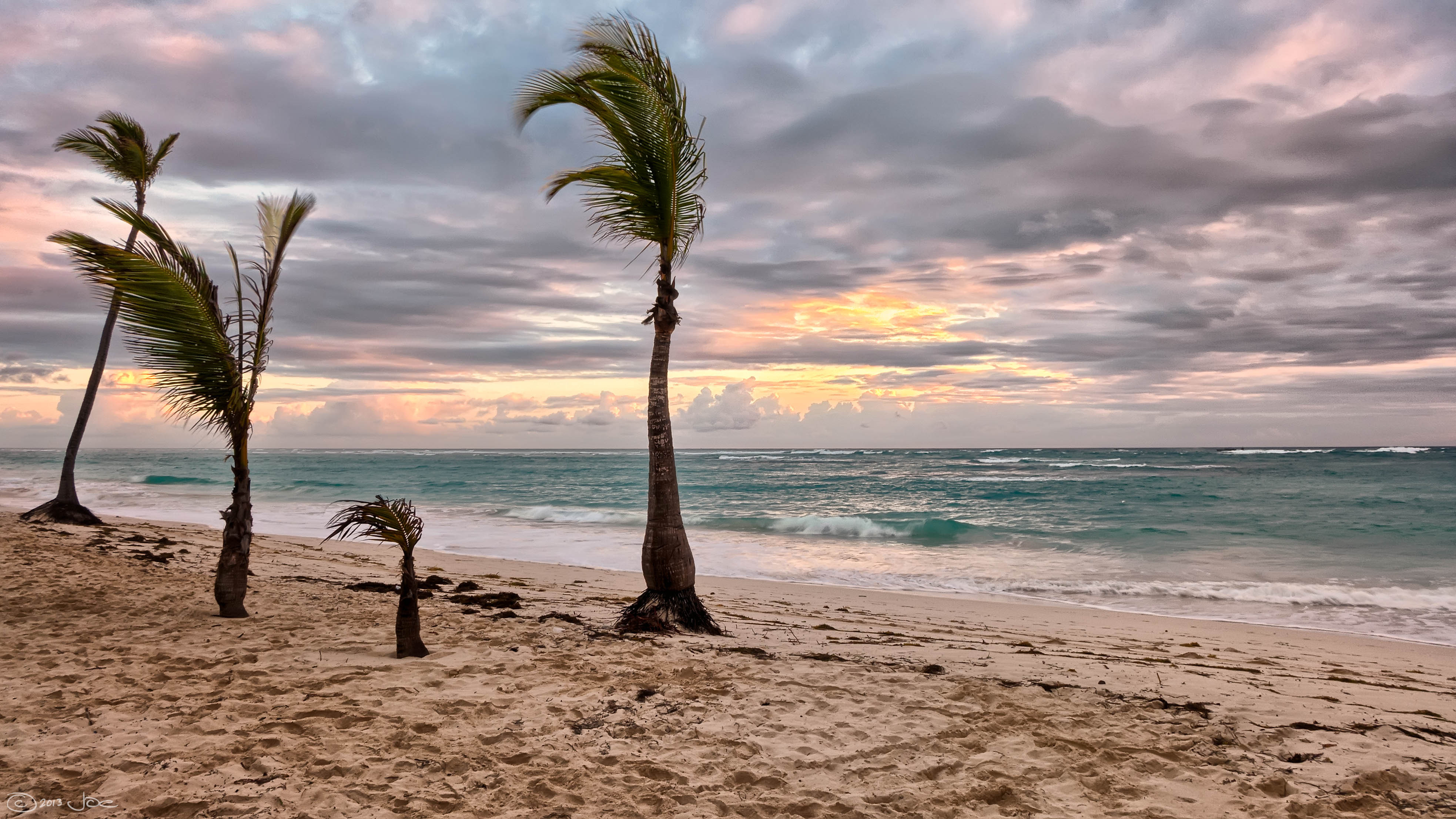
🏖️ Punta Cana
Famous for its all‑inclusive resorts, Punta Cana boasts white‑sand beaches, calm turquoise waters, and excellent snorkeling and water sports.
🏛️ Santo Domingo Colonial Zone
A UNESCO World Heritage Site, this historic area is home to the oldest European buildings in the Americas, including cathedrals, fortresses, and cobblestone streets.
🌄 Jarabacoa
Known as the country’s mountain retreat, Jarabacoa offers cooler weather, waterfalls, hiking, rafting, and scenic landscapes.
🐋 Samaná Peninsula
A natural paradise famous for beaches, coconut palms, and whale watching between January and March.
🏝️ Saona Island
Part of Cotubanamá National Park, Saona Island is known for pristine beaches, shallow clear waters, and idyllic tropical scenery.
💡 Travel Tips
- Carry cash for small purchases outside major resorts.
- Spanish is the official language; basic phrases are helpful.
- Use official taxis or hotel‑arranged transport.
- Protect yourself from the sun — heat can be intense year‑round.
🍽️ What to Eat in the Dominican Republic
Dominican cuisine is hearty and flavorful, blending African, Spanish, and Caribbean influences. Must‑try dishes include:
- La Bandera (rice, beans, and meat)
- Mangu with fried cheese and eggs
- Sancocho (traditional stew)
- Tostones (fried plantains)
- Fresh tropical fruits and juices
🚗 Getting Around
Car rentals are common in tourist areas, while taxis and ride services are widely available in cities. Intercity buses offer affordable travel between major destinations.
📞 Important Emergency Numbers
🇩🇴 Dominican Republic Emergency Contacts
- 🚑 Ambulance: 911
- 🔥 Fire Brigade: 911
- 👮 Police: 911
• Healthy Travel Advice:
- Vaccinations: Recommended vaccines include Hepatitis A and B, Typhoid, Rabies (for rural or adventure travelers), and routine immunizations like MMR and Tetanus.
- Mosquito Protection: Use repellents with DEET or Picaridin to prevent dengue and Zika.
- Water Safety: Always drink bottled or purified water. Avoid ice unless you’re sure it’s made from safe water.
- Food Safety: Eat freshly cooked meals and peel fruits. Be cautious with street food unless from reputable vendors.
- Sun Protection: Use high-SPF sunscreen, wear hats and sunglasses, and stay hydrated.
A Glimpse into the Dominican Republic’s History
The Dominican Republic shares the island of Hispaniola with Haiti. Its history began with the Taíno people, who inhabited the island before Christopher Columbus arrived in 1492. The Spanish established Santo Domingo, the first permanent European settlement in the Americas.
Colonial rule led to the near extinction of the Taíno due to disease and forced labor. African slaves were brought in to work on sugar plantations, shaping the island’s cultural and ethnic makeup.
The country declared independence from Haiti in 1844, after 22 years of occupation. It experienced brief re-annexation by Spain and later a U.S. occupation from 1916 to 1924. The 20th century was marked by the dictatorship of Rafael Trujillo, who ruled until his assassination in 1961. Since then, the Dominican Republic has transitioned toward democracy, with regular elections and growing political stability.
Current Political Landscape
The Dominican Republic is a representative democracy. President Luis Abinader, re-elected in 2024, leads the Modern Revolutionary Party (PRM). His administration focuses on economic growth, anti-corruption, and managing migration from neighboring Haiti.
While elections are generally free and competitive, challenges remain. These include vote buying, press freedom concerns, and discrimination against Haitians and Dominicans of Haitian descent. A controversial intelligence law passed in 2024 raised concerns about privacy and press freedom.
Despite these issues, the country maintains a relatively high level of civil liberties and continues to strengthen democratic institutions. The Dominican Republic is also one of the fastest-growing economies in the Caribbean, driven by tourism, trade, and infrastructure development.
Useful country information
Land area: 18,680 sq mi (48,381 sq km); total area: 18,815 sq mi (48,730 sq km)
Population (2022): 10.95 million.
Capital and largest city (2022 est.): Santo Domingo, 3,389,000
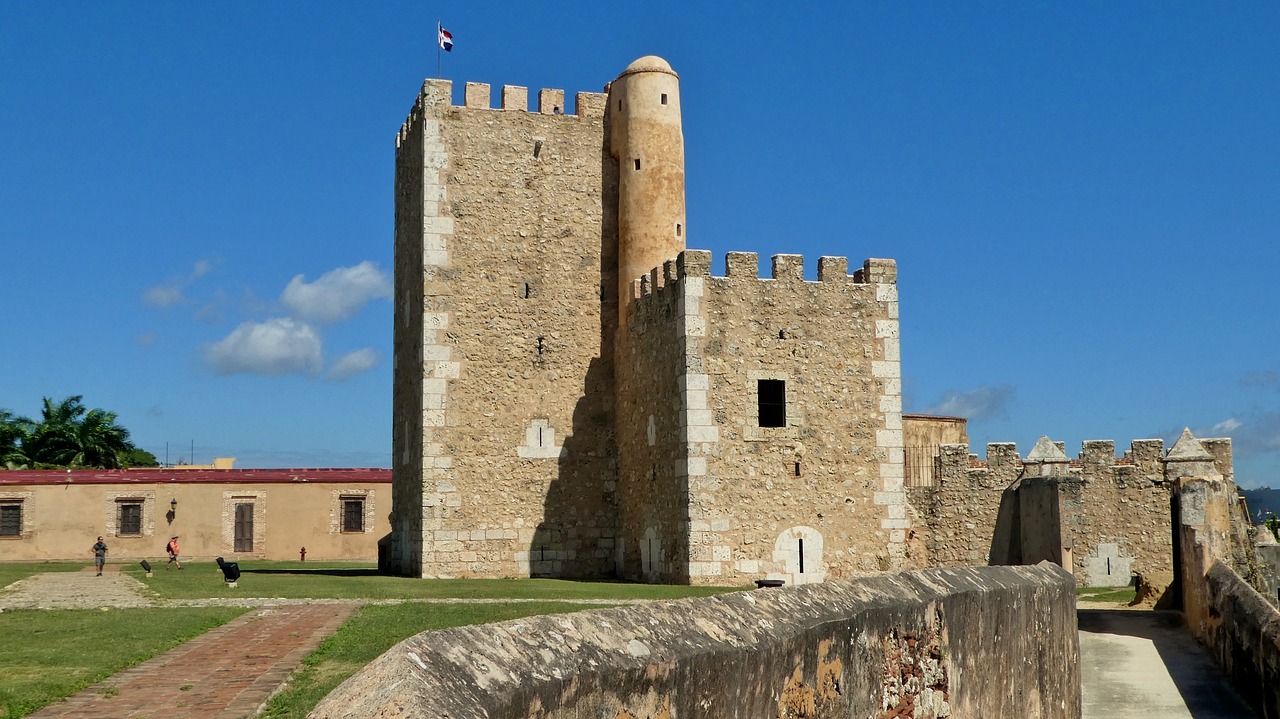
Santo Domingo: Capital City Profile
Other large city: Santiago de los Caballeros, 501,800
Monetary unit: Dominican Peso
National name: Repblica Dominicana
Language: Spanish
Ethnicity/race: mixed 73%, white 16%, black 11%
National Holiday: Independence Day, February 27
Religion: Roman Catholic 95%, other 5%

The Dominican Republic forms the eastern two-thirds, and Haiti the remainder of the Hispaniola island, formerly known as Santo Domingo.
In pre-columbian times the island was inhabited by Tainos, an Arawak-speaking people. In 1492 C. Columbus discovered the island and claimed it immediately for the Spanish Crown. It was then occupied by the usual ruling forces of that time, the Spanish and the French. The not so friendly colonizers reduced the Taino population from about 1 million to about 500 within 50 years.
Today Dominican Republic is inhabited mostly by people of mixed European and African origins. The African heritage is reflected most noticeably in the music, the merengue. The country is a main tourist destination of the region.