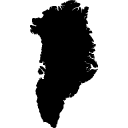
Country's codes
International phone code for Greenland: +299
3 letters: GRL
2 letters (internet domain): .GL
Digital country code 304
Standard EAN-13 (country barcode): N/A (Danish prefix 570-579)
 Olympic country code: GRL
🇬🇱 Greenland Travel Guide
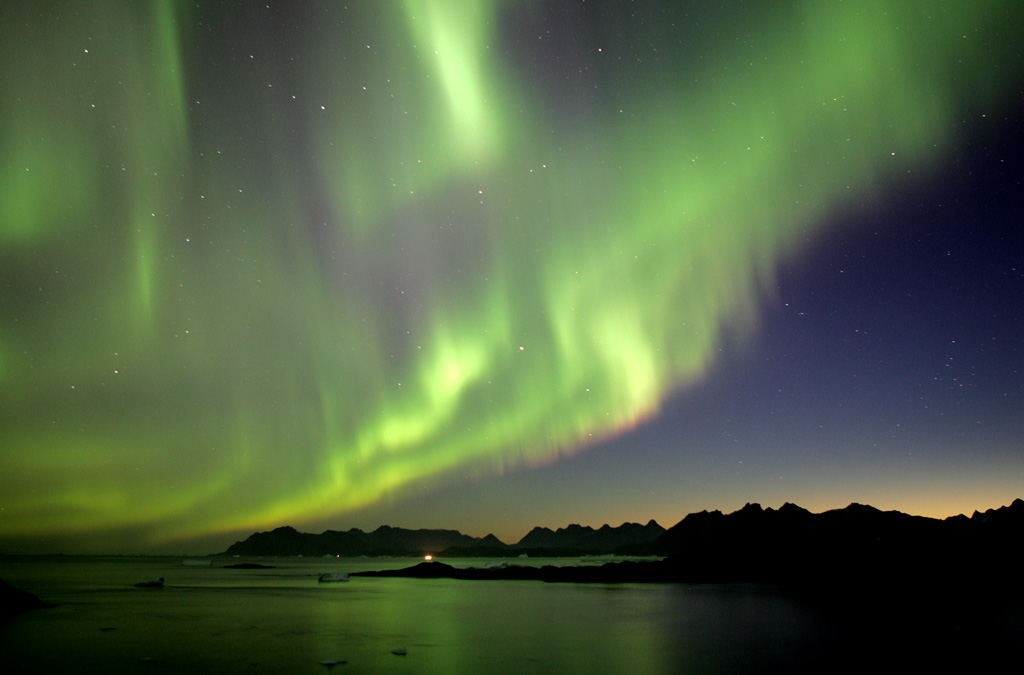
Greenland offers an experience unlike anywhere else on Earth — sailing among cathedral-sized icebergs, witnessing the Aurora Borealis dance over frozen fjords, hiking across pristine Arctic tundra, and connecting with the resilient Greenlandic Inuit culture. For travellers seeking the extraordinary, Greenland delivers on every level.
Top Attractions in Greenland
🧊 Ilulissat Icefjord
A UNESCO World Heritage Site and one of the world's most spectacular natural wonders — a vast fjord choked with enormous icebergs calved from the Sermeq Kujalleq glacier, one of the fastest-moving glaciers on Earth.
🌌 Northern Lights (Aurora Borealis)
Greenland's dark, pollution-free skies make it one of the very best places on the planet to witness the northern lights, with vivid displays common from September through March.
🥾 Arctic Circle Trail
A legendary 165 km wilderness trek from Kangerlussuaq to Sisimiut through pristine tundra, glacial lakes, and remote valleys — one of the world's great long-distance hiking routes.
🐋 Whale & Wildlife Watching
Greenland's rich waters are home to humpback, minke, and fin whales, as well as polar bears, musk oxen, Arctic foxes, and vast seabird colonies along the dramatic coastline.
Best Places to Visit
- 🏙️ Nuuk – The world's smallest capital, with a fascinating museum, colourful houses, and stunning fjord scenery.
- 🧊 Ilulissat – Gateway to the legendary Icefjord and the most visited destination in Greenland.
- 🌅 Sisimiut – A vibrant town straddling the Arctic Circle, perfect for hiking, dog sledding, and northern lights.
- 🦭 Tasiilaq (East Greenland) – One of the most remote and dramatic destinations on Earth, with towering peaks, glaciers, and traditional Inuit villages.
- 🚣 Kangerlussuaq – The main international hub and starting point for the Arctic Circle Trail and glacier day trips.
Things to Do in Greenland
- Hike the iconic Arctic Circle Trail from Kangerlussuaq to Sisimiut.
- Take an iceberg boat tour from Ilulissat into the UNESCO Icefjord.
- Chase the Aurora Borealis in the dark winter skies over Nuuk or Sisimiut.
- Go dog sledding across frozen fjords in the traditional Greenlandic way.
- Visit the Greenland National Museum in Nuuk to discover ancient Inuit mummies and kayaks.
Travel Tips for Visitors
- ☀️ The midnight sun (May–July) means 24-hour daylight in summer — bring a sleep mask; ❄️ winters are extreme with temperatures dropping to –30°C inland.
- ✈️ All travel between settlements is by air or sea — there are no connecting roads, so plan transfers carefully.
- 💳 Cards are widely accepted in towns, but carry some Danish Krone for smaller settlements and boat tours.
- 🧥 Pack layers for all seasons — Arctic weather is highly unpredictable and can change within hours even in summer.
📌 Useful Country Information
Quick Facts
Total area: 836,330 sq mi (2,166,086 sq km) — world's largest island
Population (2023 est.): ~56,000
Capital: Nuuk (~19,000)
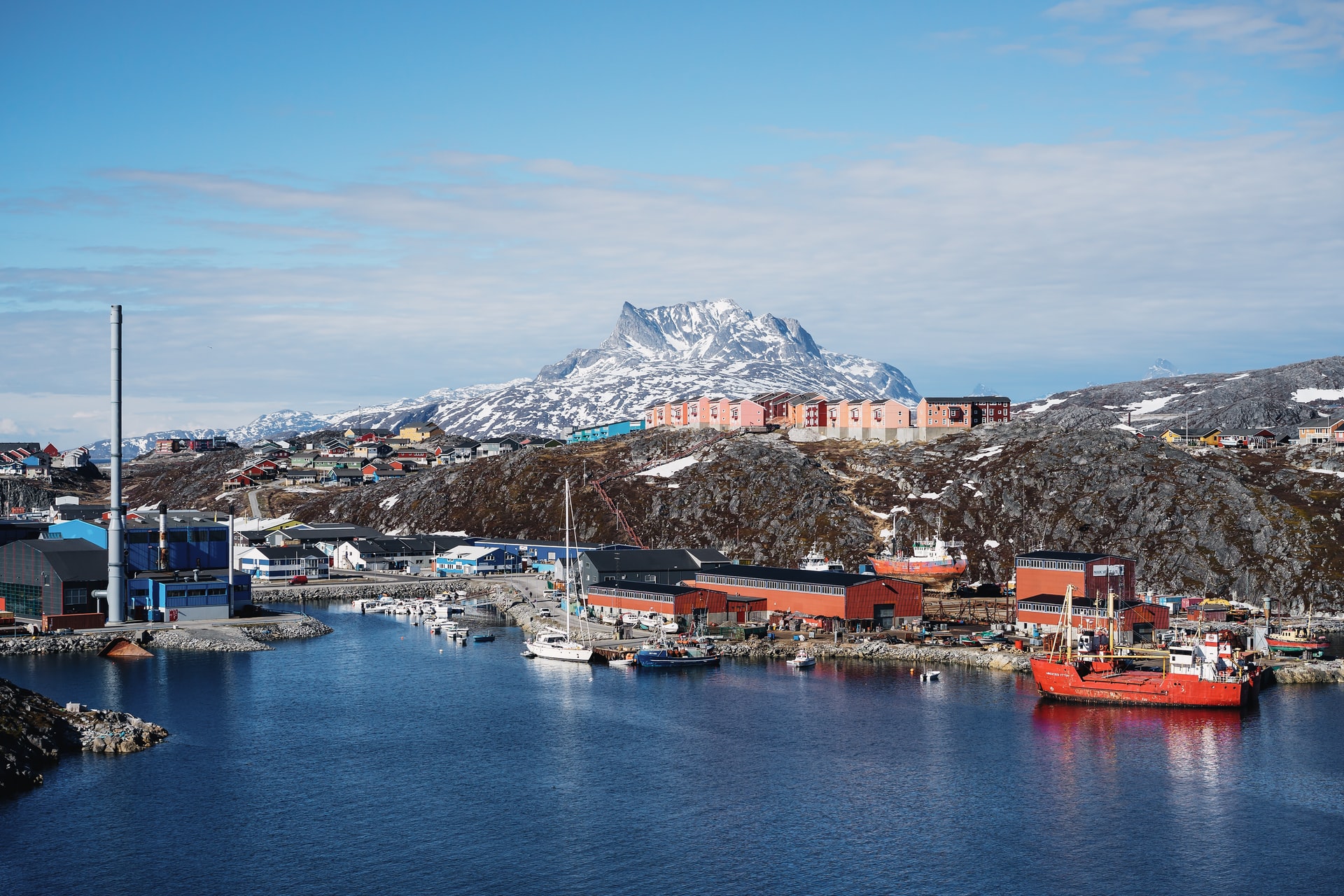
🇬🇱 Nuuk: Capital City Profile
Other major cities: Sisimiut, Ilulissat, Qaqortoq, Aasiaat
Currency: Danish Krone (DKK)
National name: Kalaallit Nunaat (Greenlandic) / Grønland (Danish)
Language: Greenlandic/Kalaallisut (official); Danish widely spoken
Ethnicity/race: Greenlandic Inuit 88%, Danish and other European 12%
Religions: Evangelical Lutheran (Church of Greenland) 95%, other/none 5%
National Holiday: June 21, National Day (Ullortuneq — the longest day of the year).
Background
🛶 The island has been inhabited for over 4,500 years by successive waves of Arctic peoples. Today's Greenlandic population descends primarily from the Thule people, ancestors of the modern Inuit, who arrived around 1,000 years ago and developed a sophisticated culture perfectly adapted to one of Earth's harshest environments.
🇩🇰 Greenland was colonised by Denmark in the 18th century and became a Danish county in 1953. In 1979 it was granted home rule, and in 2009 it achieved self-governance (Selvstyre), giving Greenland control over most domestic affairs while Denmark retains responsibility for foreign affairs and defence.
🌍 Greenland has become increasingly significant in global geopolitics and climate science. Its melting ice sheet is one of the most visible and consequential indicators of global climate change, while its vast mineral and hydrocarbon resources have attracted growing international interest.