

Country's codes
International phone code for Guinea: +224
3 letters: GIN
2 letters (internet domain): .GN
Digital country code 324
Standard EAN-13 (country barcode): 611
 Olympic country code: GUI
🇬🇳 Guinea Travel Guide
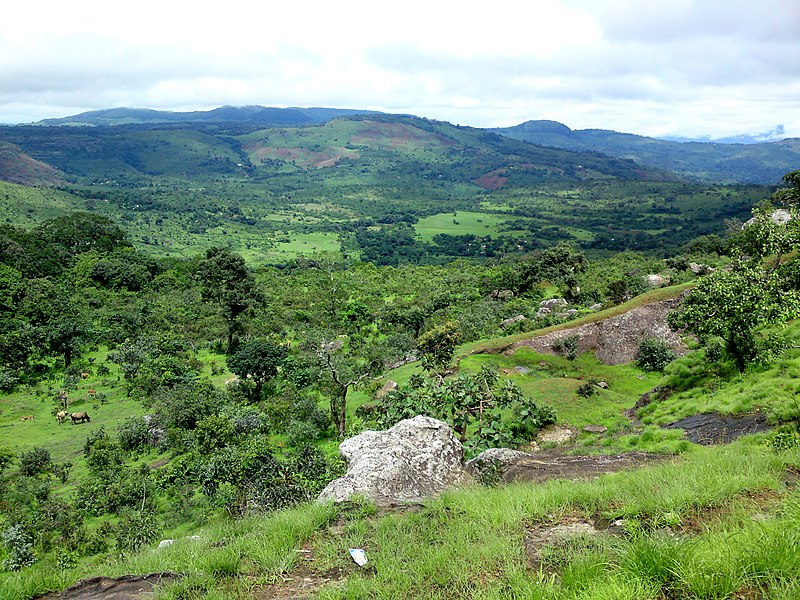
Guinea offers a raw and authentic West African experience. Trek through the stunning Fouta Djallon highlands with its cascading waterfalls, explore the bustling markets of Conakry, discover traditional villages, and experience the vibrant rhythms of Guinean music — the heartbeat of the region.
Top Attractions in Guinea
🏞️ Fouta Djallon Highlands
A breathtaking plateau nicknamed the “water tower” of West Africa, dotted with deep canyons, waterfalls like Voile de la Mariée, and scenic trekking routes.
💧 Chutes de Kambadaga (Kinkon Falls)
One of Guinea’s most spectacular waterfalls, plunging 80 meters into a lush green pool, surrounded by traditional Fulani villages.
🏝️ Îles de Los (Los Islands)
A small archipelago off Conakry with pristine white-sand beaches, palm trees, and excellent snorkeling — a perfect weekend escape.
⛰️ Mount Nimba Strict Nature Reserve
A UNESCO World Heritage site (shared with Côte d'Ivoire and Liberia), home to unique montane forests, rare chimpanzees, and viviparous toads.
Best Places to Visit
- 🏙️ Conakry – Bustling capital with the Grand Mosque, lively markets, and the National Museum.
- ⛰️ Labé & Mamou – Gateway towns to the Fouta Djallon, starting points for waterfall treks.
- 🏞️ Dalaba – A scenic hill station with cool climate, colonial-era charm, and stunning views.
- 🌴 Kindia – Known as the “city of waterfalls” and the gateway to the Gangan Valley.
- 🏝️ Bel Air Island (Los Islands) – Secluded beaches and coconut groves, perfect for relaxation.
Things to Do in Guinea
- Trek through the Fouta Djallon highlands, visiting waterfalls, caves, and traditional Fulani villages.
- Take a boat trip to the Îles de Los for beach relaxation and snorkeling.
- Experience traditional Guinean music and dance — Guinea is famous for its djembe drumming.
- Visit the Grand Mosque of Conakry, one of the largest in West Africa (built with support from Saudi Arabia).
- Explore the lush forested slopes of Mount Nimba (permits required).
Travel Tips for Visitors
- ☀️ Dry season (Nov–April) is best for trekking and travel; ☔ Rainy season (May–Oct) makes roads difficult.
- 🚗 4x4 vehicles are essential for travel outside Conakry, especially to Fouta Djallon.
- 💵 Carry cash (Guinean francs) — credit cards are rarely accepted outside major hotels in Conakry.
- 💉 Yellow fever vaccination is required for entry; malaria prophylaxis is strongly recommended.
📌 Useful Country Information
Quick Facts
Total area: 94,926 sq mi (245,857 sq km)
Population (2023 est.): ~14.8 million
Capital: Conakry (~2.0 million)

🇬🇳 Conakry: Capital City Profile
Other major cities: Nzérékoré, Kankan, Kindia, Labé
Currency: Guinean franc (GNF)
National name: République de Guinée
Language: French (official); Pular (Fulfulde), Maninka, Susu (national languages)
Ethnicity/race: Fulani (Peuhl) 33.4%, Malinke 29.4%, Susu 21.2%, other 16%
Religions: Muslim 89.1%, Christian 6.8%, animist/other 1.6%, none 2.5%
National Holiday: October 2, Independence Day (from France, 1958).
Background
💧 Guinea is called the “water tower” of West Africa because its highlands give rise to major rivers including the Niger, Senegal, and Gambia rivers.
⛏️ The country holds over half of the world’s known bauxite reserves (aluminum ore), making mining the economic backbone. Despite its mineral wealth, most Guineans rely on agriculture and trade.
🎶 Guinea is renowned for its musical heritage — the djembe drum originated here, and artists like Mory Kanté and Bembeya Jazz National gained international fame.
Online Travel Visa Check.
Find Visa information for your destination.Get Travel Insurance Quote


