
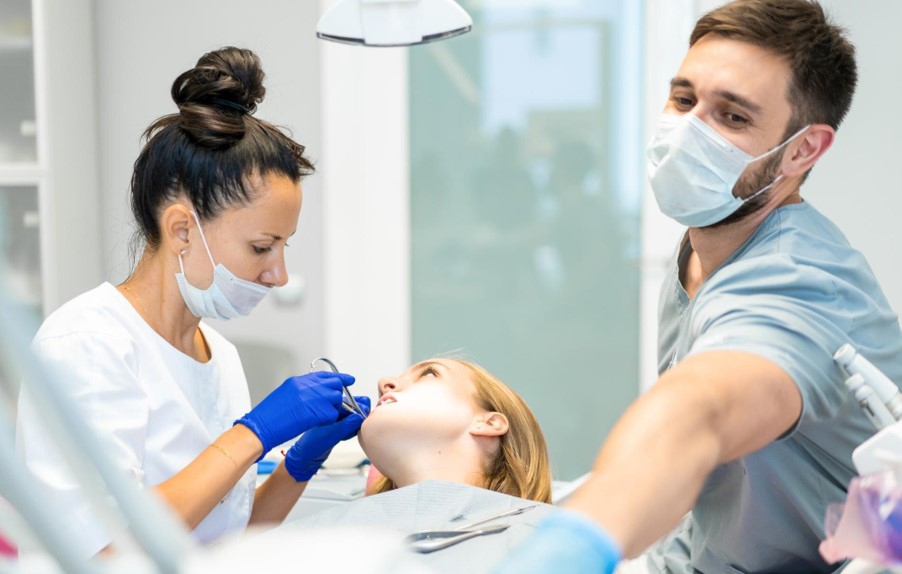
🦷 5 Signs You Need to Visit the Dentist Immediately
🦷 Dental Health ⚠️ Warning Signs 🚑 Emergency Care🦷 Dental troubles don't appear to come with much fanfare. Or a dull, persistent pain. It's fairly usual to have swelling of the gums for a few days. A chipped tooth may not alarm you until you notice discomfort every time you bite down on that side. When you're busy with employment, school and family commitments, it's tempting to put off those modifications. But if you ignore some dental warning signs you may exacerbate a small condition.
⚠️ Why Ignoring Dental Warning Signs Can Lead to Serious Problems
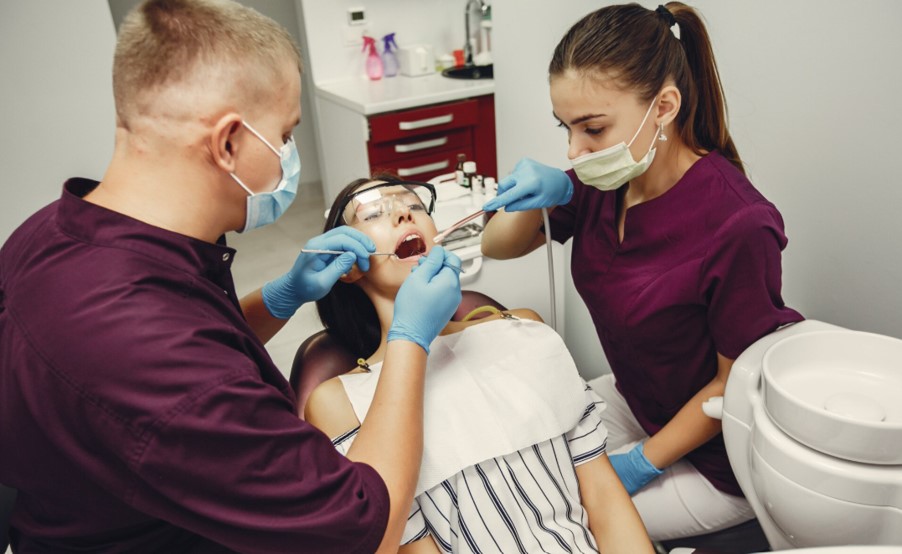
One night a tooth can be quite painful and the next morning almost normal. The change typically leads to patients delaying therapy. But when pain subsides, it doesn't always indicate the reason has settled.
Decay can penetrate deeper into a tooth without persistent discomfort. Gum disease might be accompanied with bleeding, a familiar presence that scarcely registers.
If your toothache lasts more than two days and doesn't get better with medication, NHS advice is to see a dentist. If you are suffering from severe mouth pain that is making it impossible for you to sleep or do your normal daily tasks, you may need to seek urgent dental care.
There is also a difference between a medical emergency and dental emergency. You need emergency medical care from an emergency dentist ipswich if:
- 🩸 The bleeding that won't stop is heavy
- 🦴 Serious injuries
- 😷 Swelling of the face that makes it hard to breathe
1️⃣ Sign 1: Severe or Persistent Tooth Pain That Won't Go Away
Very many people will not admit that there is anything the matter until the toothache has made a very marked impression on their behaviour. Someone gnawing on the other side. The tea cools. No soda pop. Many dental problems can be painful include cavities, abscesses, cracked teeth, broken fillings, gum disease and damaged teeth.
Short term fixes might be misleading. Analgesics may help in the short term. But they won't tell you whether a nerve is irritated or diseased. After the medicine wears off, the returning tooth may need care.
Problems with heat, swelling, bad taste, extremely slow recovery. In fact, try to get emergency medical help as soon as possible, if by any chance you experience swelling of the eyes, along with neck issues. No less, it can also involve trouble breathing, speaking or swallowing.
2️⃣ Sign 2: Swollen, Bleeding or Painful Gums
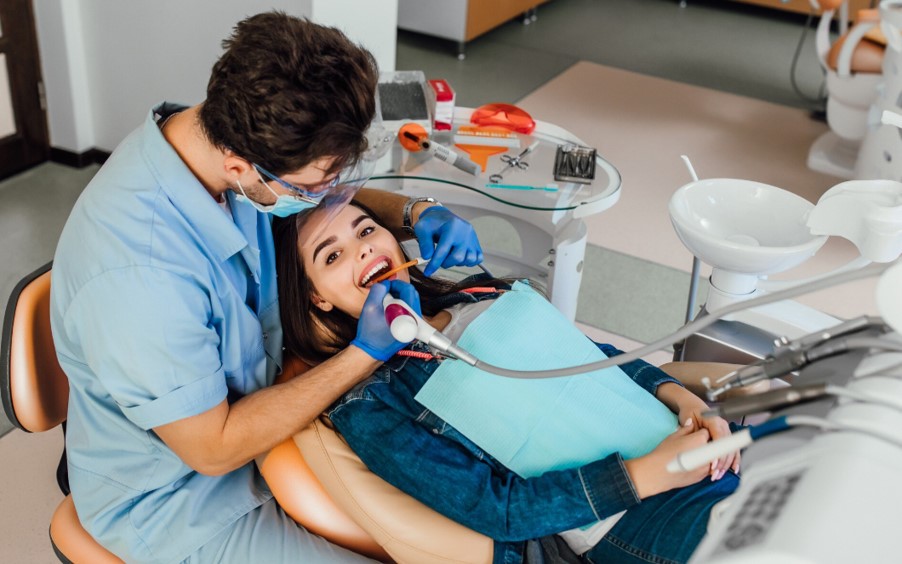
Perhaps bleeding gums is one of the simplest dental signs to overlook. There is a blood spot on the toothbrush. It's fast. The moment slips by. Nothing is that bad.
Another is bleeding over and over again. Red, swollen, painful or bleeding gums can be caused by gum disease. Bad breath might become more noticeable. Some people notice that their gums look lower around specific teeth. In more catastrophic instances teeth might become loose.
There is also one inflammatory area around a single tooth which needs care. Maybe it's not a normal gum discomfort. A painful lump, discharge or bad taste localised to one area may be a local issue that should be checked by a dentist.
And if your gums aren't much sore, they're worth a look. Quiet circumstances are generally the most delayed.
3️⃣ Sign 3: A Cracked, Chipped or Knocked-Out Tooth
Some may overreact that a chipped tooth can be a drastic matter. However, the reality is that it isn't as bad as it feels. A crack can do the reverse. When someone bites in a certain way every time, it might be hard to recognise when it hurts sharply.
Most chips and cracks still need to be looked at by a dentist to see how deep the damage goes. The NHS recommends:
- 🦷 If a tooth comes off you should save the fragment in milk or saliva as a dentist may be able to glue it back on.
- ⏱️ A knocked out adult tooth is far more time sensitive. Not the source, but the crown has to be dealt with. If dirty, wash gently with milk, saline or saliva.
- 🥛 If it does not go back in the socket easily it can be maintained in milk or saliva until arrangements are made for urgent dental treatment . Never replace a knocked-out baby tooth.
A tooth on the floor may hurt less but it doesn't make the harm any less significant.
4️⃣ Sign 4: Sensitivity to Hot and Cold That Is Getting Worse
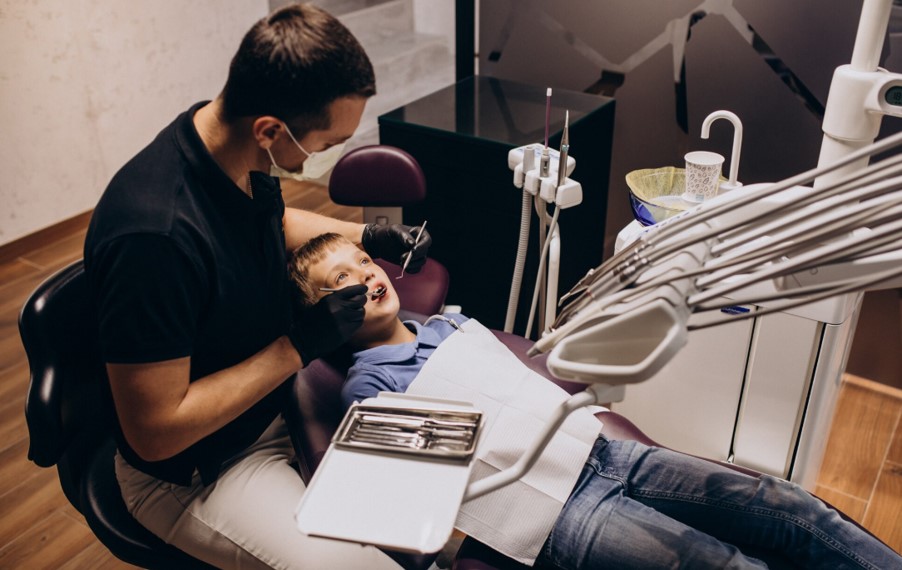
Sensitivity is painfully easy to get around. Instead of room temperature water, use cold water. The ice cream on the opposite side is eaten up . Eventually the person can cease recognising how many tiny habits have been changed.
Mild sensitivity is a frequent complaint. But increasing sensitivity is another. Cavities hurt a lot when you eat food that is hot, cold or sweet. The older the filling, the more susceptible it might be to fractures, worn surfaces or surrounding problems in a tooth.
It's often the length of time that sensation lasts. Unlike a quick zap that disappears right away, pain that lingers after the booze is gone. More attention should be paid to increase the sensitivity or sensitivity with throbbing pain .
It can be a little sensitive and a desensitising toothpaste can help. It can not explain a new change in a single tooth. A dental exam can tell you what's happening behind that shift.
5️⃣ Sign 5: A Dental Abscess or Visible Infection in Your Mouth
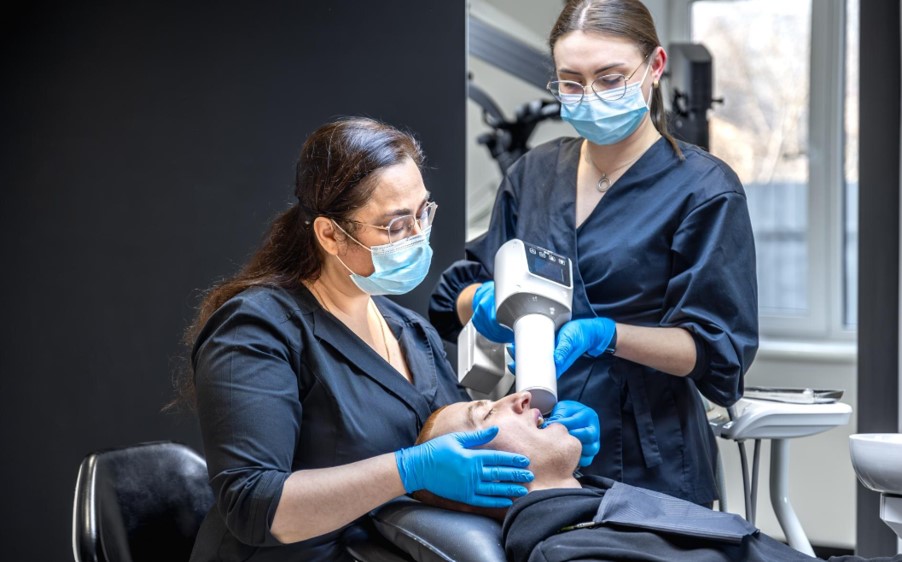
Symptoms may be minor in abscesses. Toothache. Gum high. Sometimes there is a particular taste. Then the cheek will swell or the ache will become distracting.
A dental abscess is pus resulting from infection of the tooth or gum. It requires immediate dental treatment and it's not going away. You may have significant tooth or gum pain, redness, sensitivity to cold, facial swelling, difficulty chewing, swollen glands in the neck and fever.
Treatment depends on the source. The dentist can get rid of the infection. Root canal therapy is a treatment for infection of the tooth. Some teeth can't be salvaged and need to be pulled.
If the swelling is significant or begins to affect your breathing, eating, speaking or the region around your eyes it is a medical emergency. You can't look for it at home any more.
📝 Final Word
One of those changes may be happening unexpectedly for someone looking for an emergency dentist. A quick examination can tell you what is really going on, which is significantly more valuable than guessing just from pain.
🦷 The 5 Warning Signs at a Glance
- 1️⃣ Persistent Tooth Pain – Lasting more than 2 days and not improving with medication.
- 2️⃣ Swollen, Bleeding or Painful Gums – Repeated bleeding, receding gums, or localised swelling.
- 3️⃣ Cracked, Chipped or Knocked-Out Tooth – Time-sensitive, especially for adult teeth.
- 4️⃣ Worsening Hot & Cold Sensitivity – Especially if pain lingers after the stimulus ends.
- 5️⃣ Dental Abscess or Visible Infection – Requires immediate treatment; can become a medical emergency.
- 🚑 Go to A&E if – Bleeding won't stop, serious injury, or facial swelling affecting breathing.
