

Country's codes
International phone code for Indonesia: +62
3 letters: IDN
2 letters (internet domain): .ID
Digital country code 360
Standard EAN-13 (country barcode): 899
 Olympic country code: INA
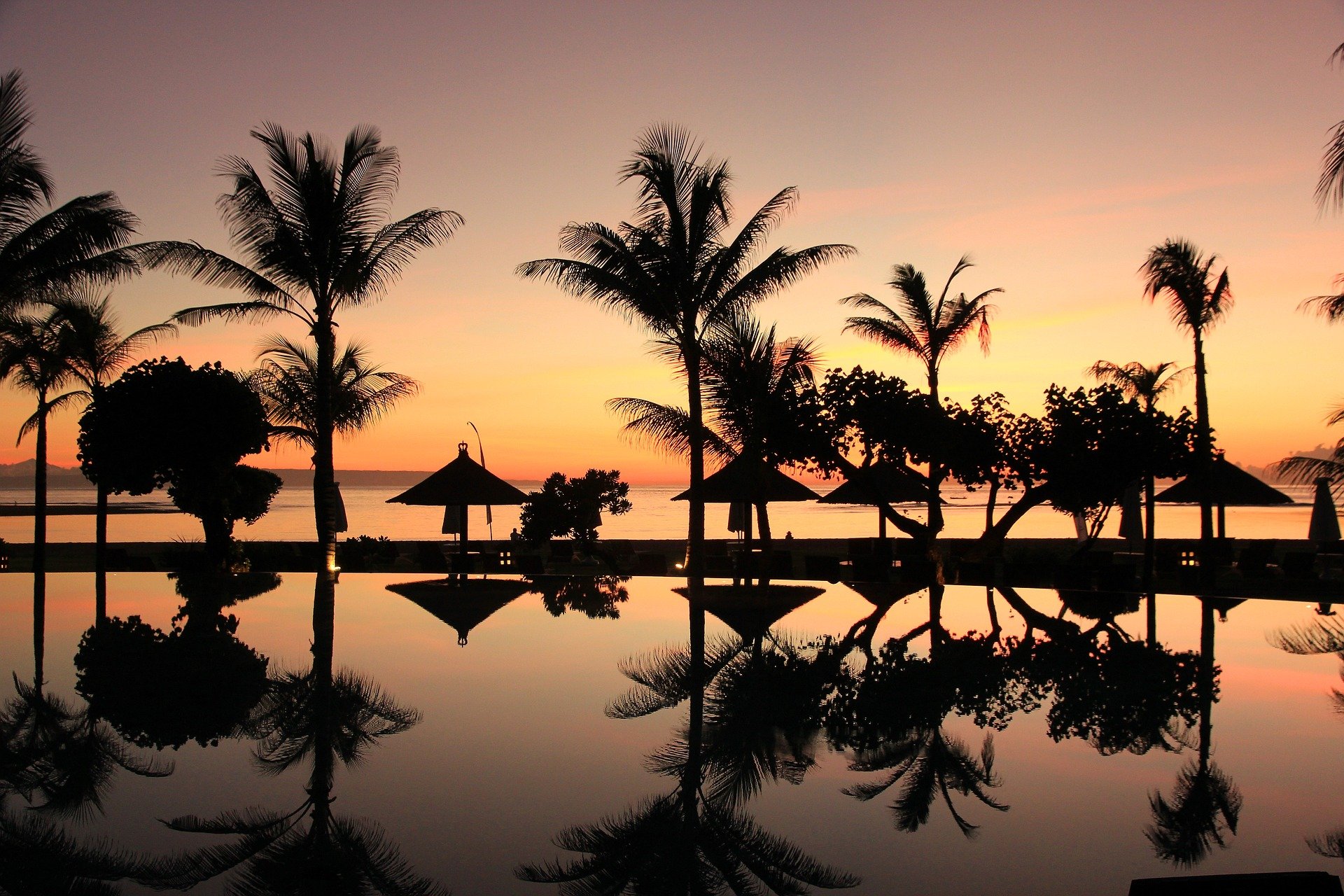
Indonesia Travel Guide: Top Attractions & Best Time to Visit
A vast archipelago of over 17,000 islands, Indonesia is a world of volcanic peaks, emerald rice terraces, pristine coral reefs, and rich ancient cultures. From the spiritual heart of Bali to the wild jungles of Borneo, Indonesia offers extraordinary adventures for every kind of traveler.
Best Time to Visit Indonesia
Indonesia's tropical climate means warm temperatures year-round, but the dry and wet seasons vary by region. The best time to visit depends on your destination and preferred activities, from diving to temple-hopping.
The dry season offers the most reliable weather across most of the archipelago, with sunny skies and calm seas ideal for island-hopping and outdoor activities.
- Dry Season (Apr–Oct): Best for Bali, Lombok, and Komodo; clear skies and ideal diving conditions.
- Peak Season (Jul–Aug): Busiest period with festivals, beach events, and vibrant nightlife across the islands.
- Shoulder Season (Apr–May, Sep–Oct): Fewer crowds, competitive prices, and still favorable weather.
- Wet Season (Nov–Mar): Lush landscapes, dramatic waterfalls, and fewer tourists in areas like Sumatra and Sulawesi.
Top Attractions in Indonesia
Bali
Indonesia's most iconic destination blends stunning rice terraces, Hindu temples, vibrant arts, and world-class surf beaches. Top spots include Ubud, Seminyak, Tanah Lot, and the Sacred Monkey Forest.
IslandCulturalBeach
Yogyakarta
The cultural heartland of Java, home to the magnificent Borobudur and Prambanan temple complexes — two of Southeast Asia's greatest ancient monuments.
TemplesHeritage
Komodo National Park
A UNESCO World Heritage Site famous for the legendary Komodo dragon, stunning pink-sand beaches, turquoise bays, and some of the world's richest marine biodiversity.
NatureWildlife
Raja Ampat
A remote paradise in West Papua considered the world's premier diving destination, with thousands of fish species, dramatic karst islands, and crystal-clear lagoons.
DivingAdventure
Borneo (Kalimantan)
One of the world's last great rainforests, home to orangutans, pygmy elephants, and exotic biodiversity. Ideal for river safaris, jungle trekking, and wildlife encounters.
JungleWildlife
Lombok & the Gili Islands
Quieter than Bali, Lombok offers pristine beaches, the majestic Mount Rinjani volcano, and the legendary Gili Islands for snorkeling, diving, and sunset relaxation.
BeachNature
Jakarta
Indonesia's bustling capital offers a dynamic mix of modern skyscrapers, colonial history, world-class malls, vibrant street food scenes, and the old city district of Kota Tua.
CityCuisine
Flores & Kelimutu
Dramatic volcanic landscapes, traditional Ngada villages, and the extraordinary Kelimutu crater lakes — whose waters shift between vivid blue, green, and red hues.
VolcanicCultural
Travel Tips for Indonesia
Transport:
Domestic flights connect major islands efficiently and affordably. On-island transport
includes motorbike taxis (ojek), ride-hailing apps like Gojek and Grab, and private
drivers. Ferries link nearby islands and are a scenic way to explore.
Food & Culture:
Savor nasi goreng, rendang, satay, gado-gado, and fresh seafood at every turn. Warungs
(small local eateries) offer the most authentic and affordable dining experiences.
Each island has its own distinct culinary traditions.
Drink bottled or filtered water and use reef-safe sunscreen to protect Indonesia's coral ecosystems. Carry cash in smaller towns and islands, as ATMs and card payments may be limited outside major tourist areas.
From the mystical temples of Java and the terraced hillsides of Bali to the untouched reefs of Raja Ampat and the wild heart of Borneo, Indonesia is a destination unlike any other — endlessly diverse, deeply beautiful, and forever memorable.
Healthy Travel Advice:
- Vaccinations: Ensure you are up to date on routine vaccines and consider Hepatitis A, Typhoid, and Japanese Encephalitis for extended stays.
- Mosquito Protection: Use repellents and wear long sleeves to prevent dengue and malaria in certain regions.
- Food & Water Safety: Avoid tap water; drink bottled or filtered water. Be cautious with street food and ensure it's freshly cooked.
- Emergency Numbers: Ambulance: 118, Police: 110. Carry travel insurance for medical emergencies.
Useful country information
Total area: 741,096 sq mi (1,919,440 sq km)
Population (2022 est.): 276.4 million
Capital and largest city (2022 est.): Jakarta, 10,915,000

Jakarta: Capital City Profile
Other large cities: Surabaya 2.787 million; Bandung 2.429 million; Medan 2.118 million; Semarang 1.573 million; Palembang 1.455 million
Monetary unit: Rupiah
National name: Republik Indonesia
Languages: Bahasa Indonesia (official), English, Dutch, Javanese, and more than 580 other languages and dialects
Ethnicity/race: Javanese 40.1%, Sundanese 15.5%, Malay 3.7%, Batak 3.6%, Madurese 3%, Betawi 2.9%, Minangkabau 2.7%, Buginese 2.7%, Bantenese 2%, Banjarese 1.7%, Balinese 1.7%, Acehnese 1.4%, Dayak 1.4%, Sasak 1.3%, Chinese 1.2%, other 15% (2010 est.)
Religions: Muslim 87.2%, Christian 7%, Roman Catholic 2.9%, Hindu 1.7%, other 0.9% (includes Buddhist and Confucian), unspecified 0.4% (2010 est.)
National Holiday: Independence Day, August 17

Background:
Indonesia is the largest archipelago in the world. It consists of five major islands and about 30 smaller groups. The islands are located at a crossroads between two oceans, the Pacific and Indian Oceans, and straddles two continents, Asia and Australia/Oceania. Its strategic location in maritime Southeast Asia has always shaped the cultural, social, political and economic life of the country, which only gained independence from the Netherlands in 1949.
Influenced for centuries by Indian culture, which brought Hinduism and Buddhism, the archipelago gradually adopted Islam between the 13th and 16th centuries.
The Dutch began colonizing Indonesia in the early 17th century; Imperial Japan occupied the islands from 1942 to 1945.
Indonesia declared independence shortly before Japan surrendered to Allied forces. Still, it took four years of sometimes brutal fighting, interrupted negotiations and UN mediation before the Netherlands agreed to transfer sovereignty in 1949.


Source of Information:


