

Country's codes
International phone code for Iran: +98
Standard EAN-13 (country barcode): 626
 Olympic country code: IRI
Iran: A Healthy Travel Guide
Travel Tips for Tourists
Getting There:
Iran is accessible mainly by air, with Tehran’s Imam Khomeini International Airport serving as the primary gateway. Direct flights connect Iran to major cities in Europe, Asia, and the Middle East. Most travelers need a visa, which can often be obtained online or as a Visa on Arrival at select airports. Carry sufficient cash, as international credit cards are generally not accepted due to sanctions.
Best Time to Visit:
The ideal seasons are spring (March to May) and autumn (September to November), offering mild temperatures and pleasant conditions for sightseeing. Summer can be extremely hot, especially in southern regions, while winter brings cold weather and snow to the north and mountainous areas.
Top Attractions:
- Persepolis: The ancient ceremonial capital of the Achaemenid Empire, a UNESCO World Heritage site.
- Naqsh-e Jahan Square (Isfahan): A stunning example of Persian-Islamic architecture surrounded by historic mosques and palaces.
- Golestan Palace (Tehran): A lavish Qajar-era complex showcasing Persian art and architecture.
- Nasir al-Mulk Mosque (Shiraz): Known as the Pink Mosque, famous for its colorful stained-glass windows.
- Yazd: A desert city with unique windcatcher architecture and Zoroastrian heritage sites.
Healthy Travel Advice:
- Vaccinations: Ensure routine vaccines are up to date; consider Hepatitis A & B, Typhoid, and Rabies for extended stays.
- Mosquito Protection: Malaria risk exists in southeastern provinces; use repellents and consider prophylaxis.
- Food & Water Safety: Drink bottled or boiled water; avoid raw salads and street food unless freshly cooked.
- Sun & Heat Precautions: Use sunscreen, wear light clothing, and stay hydrated in hot regions.
- Emergency Numbers: Ambulance: 115. Carry travel insurance for medical emergencies.
A Glimpse into History
Iran, historically known as Persia, is home to one of the world’s oldest civilizations, with roots dating back to the 5th millennium BCE. The Medes unified the region in the 7th century BCE, followed by the rise of the Achaemenid Empire under Cyrus the Great in 550 BCE, which became the largest empire of its time. After Alexander the Great’s conquest, Iran saw successive dynasties including the Parthians and Sassanians. The Arab conquest in the 7th century introduced Islam, shaping Iran’s cultural and religious identity. Later, the Safavid dynasty in the 16th century established Shi’a Islam as the state religion, creating a distinct national character. Modern Iran emerged after the 1979 Islamic Revolution, replacing the monarchy with a theocratic republic.
Current Political Landscape
Iran is an Islamic Republic with a unique system combining theocratic and democratic elements. The Supreme Leader, Ayatollah Ali Khamenei, holds ultimate authority over state affairs, while the President, currently Masoud Pezeshkian, manages day-to-day governance. The country faces economic challenges due to international sanctions, high inflation, and internal political divisions. Regional tensions remain high, with Iran involved in conflicts through its alliances and proxy groups. Domestically, protests over economic hardship and civil liberties continue, highlighting deep societal and political rifts. Despite these challenges, Iran remains a key player in Middle Eastern geopolitics, balancing negotiations with global powers and asserting its influence in regional affairs.
Useful country information
Total area: 636,293 sq mi (1,648,000 sq km)
Population (2022 est.): 85.03 million
Capital and largest city (2022 est.): Tehran, 9,259,000
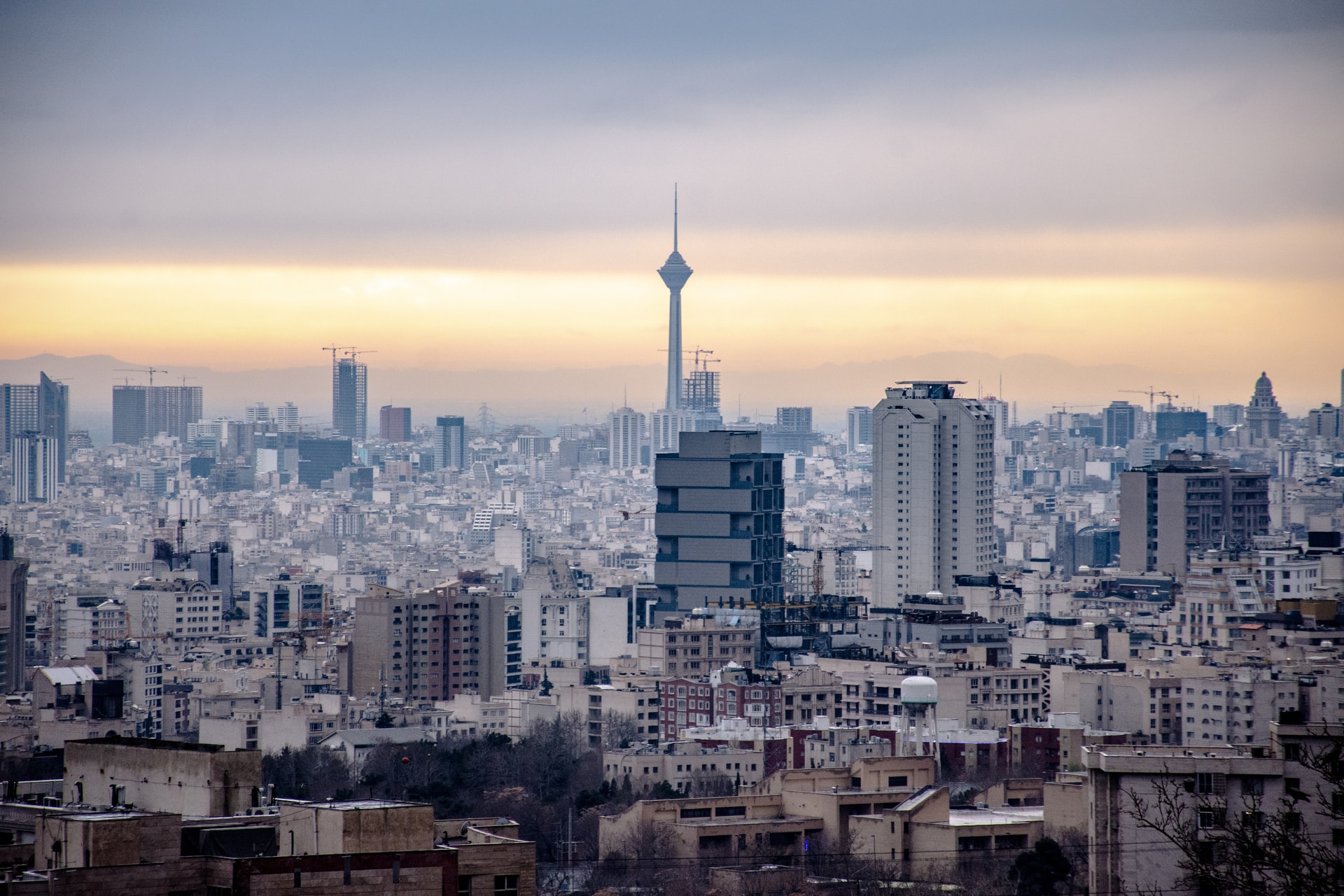
Tehran: Capital City Profile
Other large cities: Mashhad 2.713 million; Esfahan 1.781 million; Karaj 1.635 million; Tabriz 1.509 million; Shiraz 1.321 million (2011)
Monetary unit: Rial
National name: Jomhuri-ye Eslami-ye Iran
Languages: Persian (official) 53%, Azeri Turkic and Turkic dialects 18%, Kurdish 10%, Gilaki and Mazandarani 7%, Luri 6%, Balochi 2%, Arabic 2%, other 2%
Ethnicity/race: Persian 61%, Azeri 16%, Kurd 10%, Arab 2%, Lur 6%, Baloch 2%, Turkmen 2%, other
Religions: Muslim (official) 99.4% (Shia 90-95%, Sunni 5-10%), other (includes Zoroastrian, Jewish, and Christian) 0.3%, unspecified 0.4% (2011 est.)
National Holiday: Republic Day, April 1

Background:
Iran is historically known as Persia. The Persian Empire was one of the greatest empires of the ancient world with a series of imperial dynasties. The empire also was frequently invaded, first by Alexander the Great, then by the Parthians, later ruled by the Hellenistic Seleucid Empire.
Iran's hereditary monarch, Shah Mohammad Reza Pahlavi, fled the country in 1979 after decades of corrupt and authoritarian rule, and mounting religious and political unrest. Exiled Ayatollah Ruhollah Khomeini returned from Paris to lead an Islamic revolution and formed the world's first Islamic republic the same year. An eight-year war with Iraq followed.
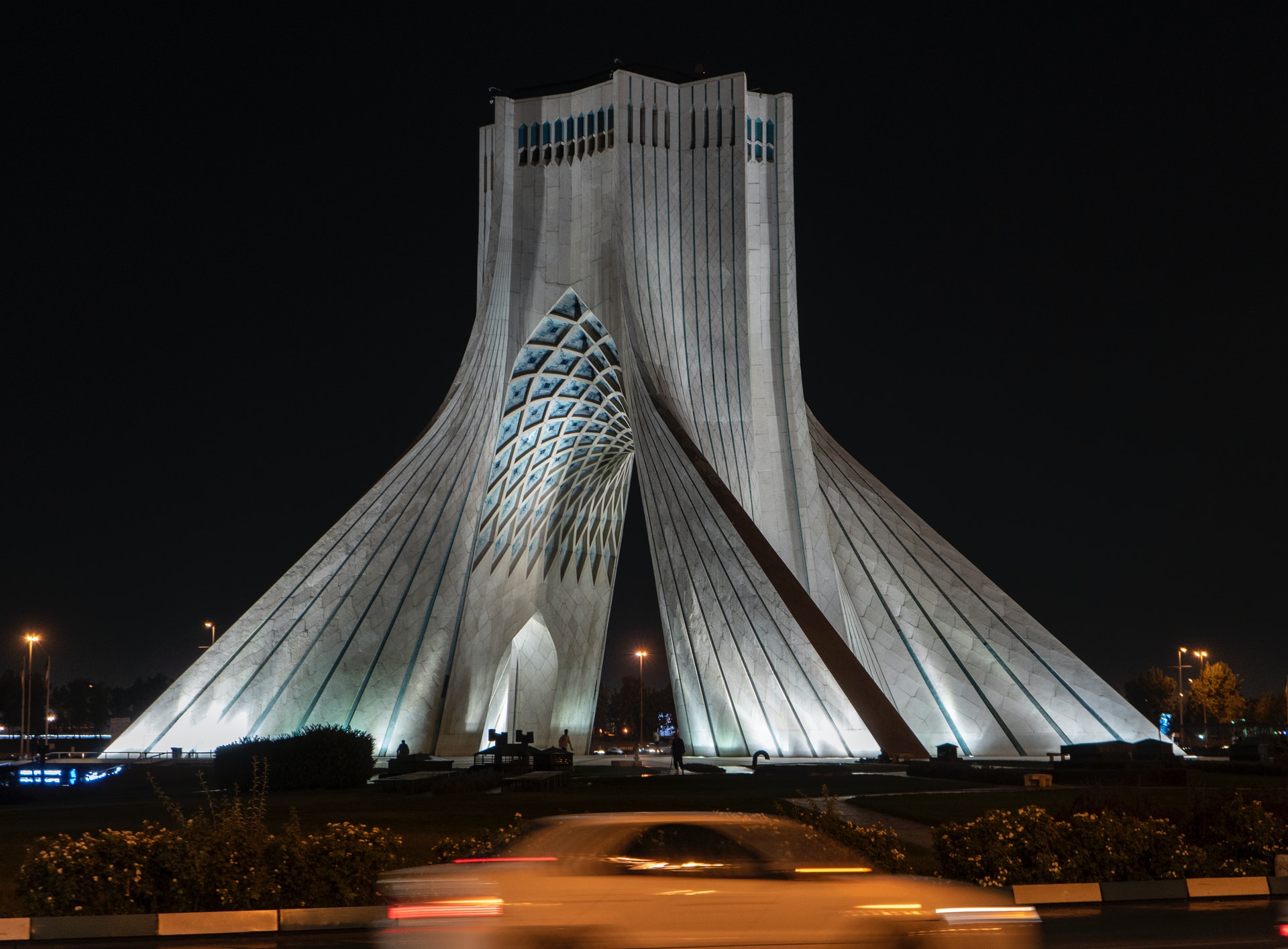
Country Map

COUNTRY MAP WITH STATES/PROVINCES BOUNDARIES CLICK HERE

Source of Information:


