Country's codes
International phone code for Japan: +81
3 letters: JPN
2 letters (internet domain): .JP
Digital country code: 392
Standard EAN-13 (country barcode): 490-499
 Olympic country code: JPN

Japan Travel Guide: Top Attractions & Best Time to Visit
A fascinating blend of ancient tradition and futuristic innovation, Japan offers breathtaking landscapes, historic temples, neon-lit cities, world-class cuisine, and a warm culture of hospitality. From cherry blossoms to snow-capped mountains, Japan delivers unforgettable experiences in every season.
Best Time to Visit Japan
Japan’s four distinct seasons each create a uniquely beautiful travel experience. Your ideal time to visit depends on whether you want cherry blossoms, autumn leaves, snow activities, or mild city sightseeing.
Spring and autumn offer Japan at its most picturesque, with mild temperatures and stunning natural colors.
- Spring (Mar–May): Famous for cherry blossoms, comfortable weather, and lively festivals.
- Summer (Jun–Aug): Ideal for festivals, beaches, and Mount Fuji hikes; expect warm, humid days.
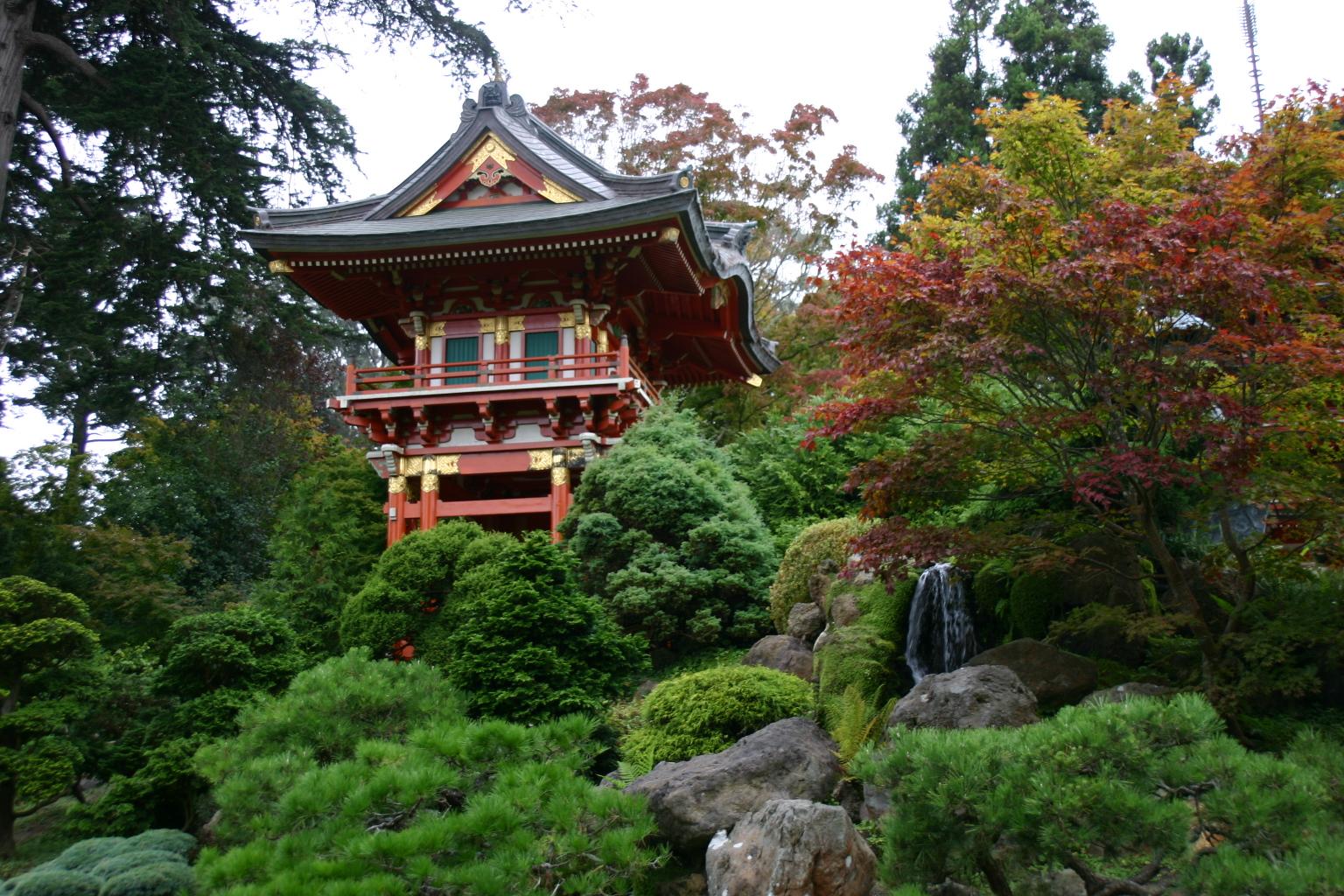
- Autumn (Sep–Nov): Brilliant red and gold foliage across temples, gardens, and mountains.
- Winter (Dec–Feb): Perfect for skiing in Hokkaido, hot springs, and peaceful temple visits.
Top Attractions in Japan
Tokyo
Japan’s futuristic capital offers vibrant neighborhoods, ancient shrines, world‑class shopping, and unmatched culinary adventures. Top districts include Shibuya, Shinjuku, Asakusa, and Akihabara.
CityCuisineCultural
Kyoto
Home to golden temples, serene gardens, traditional tea houses, and geisha culture. Highlights include Fushimi Inari Shrine, Arashiyama Bamboo Grove, and Kinkaku‑ji.
TemplesHeritage
Mount Fuji & Fuji Five Lakes
Japan’s iconic peak offers stunning viewpoints, lakeside scenery, and hiking opportunities. Popular with outdoor lovers and photographers.
NatureIconic
Osaka
A lively city known for street food, neon nightlife, Osaka Castle, and the bustling Dotonbori district. A favorite for food lovers.
CuisineCity
Hokkaido
Famous for powder snow, ski resorts, hot springs, and national parks. Perfect for winter sports and scenic summer adventures.
SkiingAdventure
Hiroshima & Miyajima
A city of reflection and resilience, paired with Miyajima Island’s iconic floating torii gate, one of Japan’s most photographed sights.
CulturalHeritage
Okinawa
Tropical islands with turquoise beaches, coral reefs, and unique Ryukyu culture. Ideal for diving, snorkeling, and beach relaxation.
BeachNature
Nara
Japan’s ancient capital featuring friendly deer, massive temple halls, and cultural treasures like Todai‑ji and Kasuga Taisha.
HistoricCultural
Travel Tips for Japan
Transport:
Japan’s trains are fast, punctual, and easy to use. The Shinkansen connects major cities,
and local transit is efficient and safe.
Food & Culture:
Enjoy sushi, ramen, tempura, wagyu beef, matcha desserts, and local specialties
in every region. Many restaurants display plastic models of dishes for easy ordering.
Tap water is safe to drink, and cities are extremely clean. Convenience stores provide healthy snacks, drinks, and travel essentials day and night.
From ancient temples and tea houses to ultramodern skylines and lush national parks, Japan offers unforgettable experiences for every traveler — a perfect blend of culture, nature, and innovation.
Useful country information
Land area: 140,728 sq mi (364,485 sq km); total area: 145,913 sq mi (377,915 sq km)
Population (2022 est.): 125.7 million
Capital and largest city (2022 est.): Tokyo, 37.35 million

Tokyo: Capital City Profile
Other large cities: Osaka-Kobe 11.494 million; Nagoya 3.328 million; Fukuoka-Kitakyushu 2.868 million; Sapporo 2.742 million; Sendai 2.428 million (2011)
Monetary unit: Yen
National name: Nippon
Language: Japanese
Ethnicity/race: Japanese 98.5%, Koreans 0.5%, Chinese 0.4%, other 0.6% note: up to 230,000 Brazilians of Japanese origin migrated to Japan in the 1990s to work in industries; some have returned to Brazil (2004)
Religions: Shintoism 83.9%, Buddhism 71.4%, Christianity 2%, other 7.8% note: total adherents exceeds 100% because many people belong to both Shintoism and Buddhism (2005)
National Holiday: Birthday of Emperor Akihito, December 23
Get Travel Insurance Quote

Background:
While retaining its time-honored culture, Japan rapidly absorbed Western technology during the late 19th and early 20th centuries.
After its devastating defeat in World War II, Japan recovered to become the third most powerful economy in the world and a strong ally of the US.
While the emperor retains his throne as a symbol of national unity, actual power rests in networks of powerful politicians, bureaucrats, and business executives.
The economy experienced a significant slowdown in the 1990s following three decades of unprecedented growth.
The most beautiful Japanese tourist destinations: Mount Fuji, Tokyo Tower, Himeji Castle, Nikko temple complex, Kyoto Monument Cluster and Itsukushima Shrine.