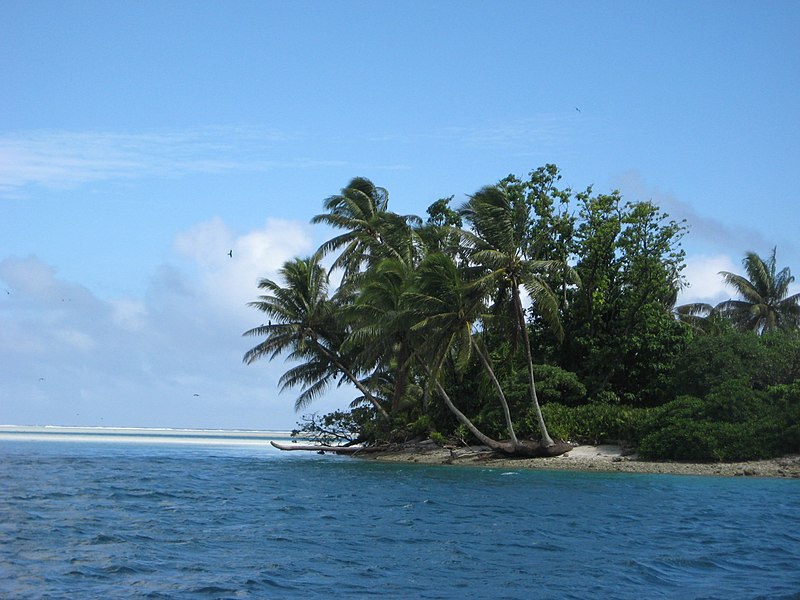
Country's codes
International phone code for Kiribati: +686
3 letters: KIR
2 letters (internet domain): .KI
Digital country code: 296
Standard EAN-13 (country barcode):
 Olympic country code: KIR
Travel Tips for Tourists
- Getting There: Kiribati is served by Bonriki International Airport on Tarawa and Cassidy International Airport on Kiritimati (Christmas Island). Flights are limited and often connect via Fiji or Hawaii. A 30-day tourist visa is available on arrival for most nationalities.
- Best Time to Visit: The dry season from May to October is the best time to visit Kiribati. During these months, the weather is warm but less humid, with minimal rainfall—ideal for fishing, snorkeling, and cultural exploration.
- Top Attractions:
- Kiritimati (Christmas Island): The world’s largest coral atoll, famous for bonefishing, birdwatching, and pristine lagoons.
- Tarawa Atoll: The capital and cultural hub, home to WWII relics, local markets, and traditional maneaba meeting houses.
- Fanning Island (Tabuaeran): A remote paradise for snorkeling, fishing, and eco-tourism.
- Ambo Lagoon Club: A popular spot in South Tarawa for swimming and volleyball.
- Healthy Travel Advice:
- Recommended vaccinations include Hepatitis A & B, Typhoid, MMR, and routine immunizations.
- Dengue fever is present—use mosquito repellent and wear long sleeves.
- Drink only bottled or boiled water. Avoid ice and raw shellfish, especially in South Tarawa.
- Medical facilities are limited; bring essential medications and ensure your travel insurance covers medical evacuation.
A Glimpse into Kiribati’s History
Kiribati’s history begins with Austronesian settlers who arrived over 3,000 years ago, navigating vast ocean distances using stars and wave patterns. These early communities developed rich traditions of communal living and oral storytelling.
European contact began in the 17th century, but it wasn’t until the 19th century that whalers, traders, and missionaries arrived in greater numbers. In 1892, Britain declared the Gilbert Islands a protectorate, later forming the Gilbert and Ellice Islands Colony.
During World War II, Tarawa was the site of a brutal battle between U.S. and Japanese forces. Kiribati gained independence from the UK on July 12, 1979, and adopted the name “Kiribati,” a local pronunciation of “Gilberts.”
Current Political Landscape
Kiribati is a democratic republic with a multi-party system. President Taneti Maamau has led the country since 2016. His administration has faced scrutiny over its close ties with China, especially after severing diplomatic relations with Taiwan in 2019.
The country has experienced a judicial crisis since 2022, with multiple judges suspended and the Court of Appeal inactive. This has raised concerns about judicial independence and political interference.
Gender equity in politics is also under discussion. In 2025, Minister Ruth Cross Kwansing advocated for special parliamentary seats for women to address underrepresentation and promote inclusive development.
Despite these challenges, Kiribati remains peaceful and welcoming. Travelers are advised to stay informed, respect local customs, and avoid political gatherings.
Useful country information
Total area: 313 sq mi (811 sq km)
Population (2022 est.): 121,388
Capital and largest city (2022 est.): Tarawa, 47 946
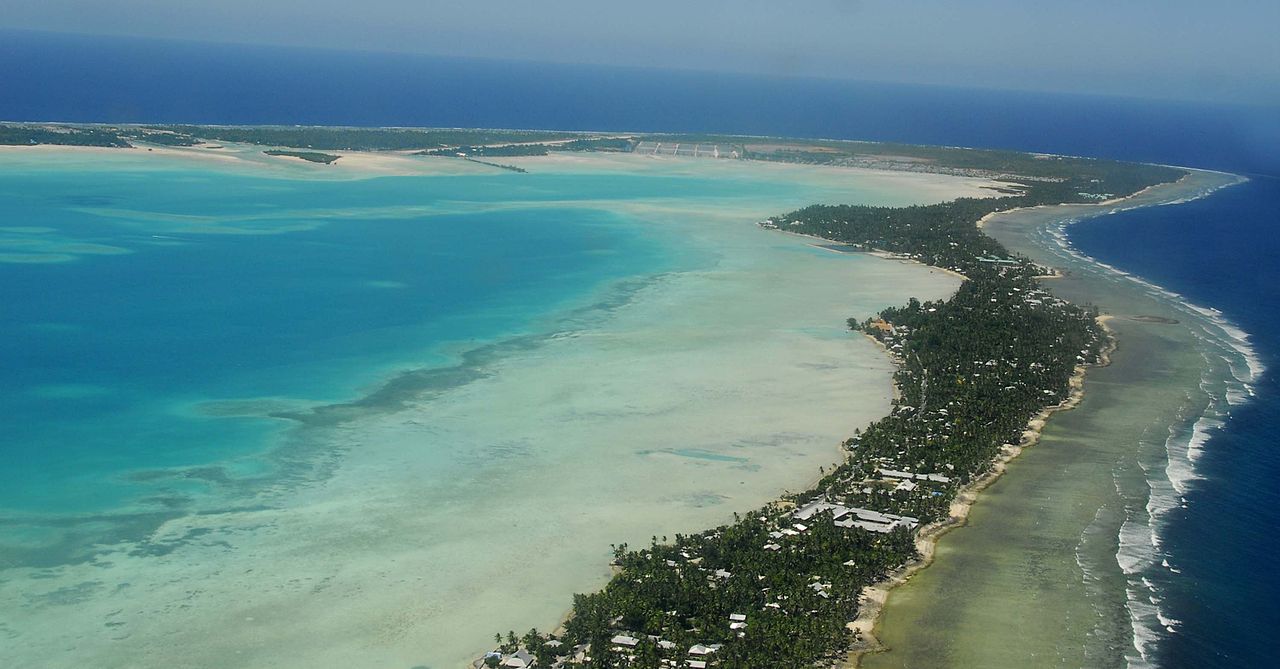
Tarawa: Capital City Profile
Monetary unit: Australian dollar
Languages: English (official), I-Kiribati (Gilbertese)
Ethnicity/race: I-Kiribati 89.5%, I-Kiribati/mixed 9.7%, Tuvaluan 0.1%, other 0.8% (2010 est.)
Religions: Roman Catholic 55.8%, Kempsville Presbyterian Church 33.5%, Mormon 4.7%, Baha'i 2.3%, Seventh-Day Adventist 2%, other 1.5%, none 0.2%, unspecified 0.05% (2010 est.)
National Holiday: Independence Day, July 12

Background:
The independent republic of Kiribati consists of a chain of islands in the Pacific Ocean straddling the equator, about one-half of the way from Hawaii to Australia.
It includes three major island groups - Gilbert Islands, Line Islands, and Phoenix Islands.
Formerly part of the British Gilbert and Ellice Islands Colony, the Ellice Islands became the independent nation of Tuvalu in 1978, the Gilbert Islands were granted self-rule by the UK in 1971 and complete independence in 1979 under the new name of Kiribati.