

Lisbon
Known as the "City of Seven Hills", Lisbon is the westernmost capital city in continental Europe — a captivating Atlantic metropolis of sun-bleached facades, rattling yellow trams, magnificent Age of Discovery monuments, world-class pastéis de nata, and a deeply soulful musical tradition called fado that perfectly captures the city's bittersweet spirit of saudade.
City at a Glance
About Lisbon
Lisbon is one of the oldest cities in Europe — pre-dating Rome by centuries — a city whose streets carry the weight of an extraordinary history stretching from Phoenician traders and Roman legions through Moorish occupation to the Age of Discovery, when Portuguese navigators launched from these very shores to chart the coasts of Africa, Brazil, India, and Japan, transforming the world's map and making Lisbon one of the wealthiest cities on earth. The city was devastated by the catastrophic earthquake, tsunami, and fire of 1755 — one of the deadliest natural disasters in European history — and was rebuilt in the disciplined Pombaline style, whose elegant grid still defines the downtown Baixa neighbourhood today.
Today, Lisbon is one of Europe's most compelling and fashionable capitals — a city that wears its history lightly while embracing a vibrant contemporary culture. Its seven hills, connected by vintage trams and vertiginous elevators, offer breathtaking miradouros (viewpoints) at every turn. Colourful azulejo-tiled facades line the narrow lanes of the Alfama, Mouraria, and Bairro Alto districts. The world-class Belém district preserves the soaring Manueline masterpieces of a seafaring empire, while Lisbon's food scene — from the iconic pastel de nata to the city's outstanding fish and seafood restaurants — is among the finest in Europe. Consistently ranked as one of the continent's most liveable, affordable, and welcoming capitals, Lisbon rewards visitors who give it more than a day.
Best Time to Visit & Weather
Spring Best Time
March – May. The finest time to visit Lisbon. Temperatures rise pleasantly to 18–24 °C, the city is blanketed in jacaranda blossom, and the Atlantic light is extraordinary. Crowds are manageable, prices are reasonable, and every outdoor café terrace and miradouro is at its most inviting. The city's gardens — particularly the Jardim da Estrela and Parque Eduardo VII — are spectacular in spring bloom.
Summer Peak Season
June – August. Lisbon's peak tourist season — warm to hot (25–35 °C), reliably sunny, and extremely busy. June is enlivened by the famous Festas de Lisboa (Santos Populares) — neighbourhood street parties with grilled sardines, wine, and music throughout the city. Book accommodation well in advance. The nearby beaches of Cascais and Estoril are packed but irresistible on hot days.
Autumn Great Value
September – November. An excellent time to visit — the summer heat eases to a very comfortable 20–26 °C in September and October, tourist numbers thin out, and hotel prices fall significantly. The city takes on a quieter, more authentic character after the summer rush. September and early October are particularly beautiful — warm, golden, and uncrowded. November brings occasional rain but remains mild.
Winter
December – February. Lisbon's mildest winter in Western Europe — temperatures rarely drop below 8 °C and daytime highs of 14–18 °C are common. Rain is more frequent, particularly in January and February, but Lisbon remains far warmer than most European capitals in winter. A superb low-season choice for those who want to explore the city without crowds, at the year's lowest prices, with cosy fado houses and tascas (taverns) at their most atmospheric.
- Lisbon enjoys over 2,800 hours of sunshine per year — the sunniest capital city in Europe. Even in winter, sunny days are common; always pack sunscreen.
- The Festas de Lisboa (Festa de Santo António) on 12–13 June is the city's greatest street party — the entire Alfama neighbourhood erupts in grilled sardines, street dancing, and music. One of Europe's most joyful urban festivals.
- Lisbon's hills mean comfortable walking shoes are non-negotiable — cobblestones (calçada portuguesa) are beautiful but uneven. The vintage trams (especially Tram 28) and funiculars (elevadores) are essential tools for navigating the steeper quarters.
- The Belém district is best visited early on weekday mornings — the queues for the famous Pastéis de Belém and the Jerónimos Monastery can be very long by mid-morning in peak season.
- Day trips to Sintra (40 minutes by train) and Cascais (30 minutes by train) are among the finest in Europe — both are easily done from Lisbon's Rossio or Cais do Sodré stations without a car.
Top Attractions
Jerónimos Monastery (Mosteiro dos Jerónimos)
A UNESCO World Heritage Site and the supreme masterpiece of Manueline architecture — a breathtakingly ornate Late Gothic monastery commissioned by King Manuel I in 1501 to celebrate Vasco da Gama's discovery of the sea route to India. The soaring south portal, exquisitely carved with maritime and tropical motifs, and the serene double-storey cloister are among the most beautiful works of architecture in Europe. The tombs of Vasco da Gama and Luís de Camões lie within. In Belém — an essential half-day.
Belém Tower (Torre de Belém)
The iconic symbol of Lisbon — a UNESCO-listed fortified tower rising from the bank of the Tagus River at Belém, built between 1516 and 1521 as a ceremonial gateway to the city and a monument to Portugal's Age of Discovery. The tower's intricate Manueline exterior, combining Gothic battlements, Moorish balconies, and maritime decoration, is one of the most photographed sights in all of Europe. The views up the Tagus from the upper terrace are superb.
Alfama District
Lisbon's oldest and most atmospheric neighbourhood — a labyrinth of steep, narrow lanes cascading down the hillside below the São Jorge Castle, where the Moorish city once stood. The Alfama survived the 1755 earthquake almost intact, preserving its medieval street pattern and azulejo-tiled facades. Explore the morning market at Feira da Ladra, seek out a tiny traditional tasca (tavern), and listen for the haunting sound of fado drifting from an open doorway. The miradouros of Portas do Sol and Santa Luzia offer extraordinary views.
São Jorge Castle (Castelo de São Jorge)
Perched on Lisbon's highest hill, this magnificent Moorish fortress — occupied successively by Phoenicians, Romans, Visigoths, Moors, and the Portuguese royal family — commands panoramic views over the entire city, the Tagus estuary, and the distant Cristo Rei statue. The archaeological site within the castle walls has revealed occupation layers dating back 2,700 years. The castle's towers, battlements, and leafy gardens make for one of Lisbon's most rewarding half-day explorations.
Tram 28 & Bairro Alto
Lisbon's beloved vintage yellow trams — still running the original 1930s Remodelado cars — are both a practical transport system and a city icon. Tram 28's route is Lisbon's greatest free sightseeing journey: rattling through the Alfama's impossibly narrow streets, over the hilltops of Graça and Estrela, and down into the leafy Prazeres quarter. The adjoining Bairro Alto neighbourhood — Lisbon's bohemian heart — is the city's finest area for fado houses, wine bars, and late-night dining.
Monument to the Discoveries (Padrão dos Descobrimentos)
A dramatic 52-metre white limestone monument on the Belém waterfront, built in 1960 to mark the 500th anniversary of the death of Prince Henry the Navigator. The monument's prow-shaped form carries sculpted figures of 33 of Portugal's greatest explorers, navigators, cartographers, and artists from the Age of Discovery — including Vasco da Gama, Magellan, and Bartolomeu Dias. A mosaic world map on the waterfront pavement shows the dates of Portuguese exploration routes. Climb to the top for superb Tagus views.
National Museum of Ancient Art (MNAA)
Portugal's finest museum — an outstanding collection of European painting, decorative arts, and artefacts from the 12th to the 19th centuries, housed in a magnificent 17th-century palace in the Santos quarter. The museum's highlights include Nuno Gonçalves' extraordinary 15th-century polyptych Panels of Saint Vincent, Hieronymus Bosch's Temptation of Saint Anthony, and one of the world's finest collections of Japanese Namban screens depicting the Portuguese arrival in Japan. Essential for art lovers.
Ribeira & Cais do Sodré Waterfront
Lisbon's magnificent Tagus waterfront stretches from the elegant Praça do Comércio — the city's great riverside square, once the entry point for ships arriving from the empire — westward through the renovated Cais do Sodré market hall (Mercado da Ribeira) to the fashionable Pink Street (Rua Nova do Carvalho). The sunset over the Tagus from the Praça do Comércio, with the 25 de Abril Bridge glowing in the golden light, is one of the great European city views.
Day Trip Itineraries
Day 1 — Belém, History & the Tagus
- 8:30 AM – Pastéis de Belém — Start at the legendary Antiga Confeitaria de Belém, open since 1837 — the original home of the pastel de nata. The custard tarts here, dusted with cinnamon and powdered sugar and eaten warm from the oven, are in a different category from all imitations. Arrive early to avoid the queues that form by 9:30 AM.
- 9:30 AM – Jerónimos Monastery — Spend 1.5 hours in the greatest building in Portugal. The south portal, the church interior, and the cloister are breathtaking. The tombs of Vasco da Gama and Luís de Camões are here. Buy tickets online in advance to skip the queue.
- 11:30 AM – Monument to the Discoveries & Belém Tower — Walk the waterfront to admire the Padrão dos Descobrimentos and cross to the Belém Tower for the classic Tagus photographs. Climb the tower for upper-terrace views.
- 1:30 PM – Lunch in Belém — Try a riverside restaurant in Belém for bacalhau à brás (shredded salt cod with scrambled egg and crisps) or fresh grilled fish — the classic Portuguese lunch. A cold Super Bock beer is the essential accompaniment.
- 3:30 PM – Praça do Comércio & Baixa — Take the tram or walk to the grand riverside square. Stroll through the Pombaline grid of the Baixa district and up the pedestrian Rua Augusta to the Praça do Rossio — the city's historic heart. Ride the Santa Justa Elevator for rooftop views over the Baixa roofline.
- 7:30 PM – Sunset at a miradouro then fado dinner — Watch the sunset from Miradouro de Santa Catarina (Adamastor), then descend to Bairro Alto or the Alfama for a traditional fado dinner — live music, grilled fish, and excellent Portuguese wine in a candlelit tasca.
Day 2 — Alfama, the Castle & Day Trip to Sintra
- 8:00 AM – Alfama morning walk & Feira da Ladra — Head to the Alfama early (Tuesday or Saturday for the flea market at Feira da Ladra). Explore the steep lanes, photograph the azulejo-tiled stairways, and stop at the Portas do Sol miradouro for the morning light over the terracotta rooftops and the Tagus.
- 10:00 AM – São Jorge Castle — Climb to the castle for 360° panoramic views over the city. Explore the archaeological site, walk the battlements, and enjoy the peacocks and resident cats that inhabit the leafy inner grounds.
- 12:00 PM – Lunch in Mouraria — Descend from the castle into the Mouraria — Lisbon's original Moorish neighbourhood and now one of its most multicultural and vibrant districts. Try a simple bifanas (pork sandwiches) or a full lunch at one of the neighbourhood's outstanding local restaurants.
- 2:00 PM – Train to Sintra — Board the direct train from Rossio station (40 minutes, €2.35 each way). In Sintra, visit the extraordinary colourful Pena Palace on the hilltop — one of the most romantically spectacular buildings in Europe — and wander the UNESCO-listed historic town. The Palace of Sintra (Palácio Nacional de Sintra) in the town square is also superb.
- 6:30 PM – Return to Lisbon — Take the train back to Rossio. Stop at a ginjinha (sour cherry liqueur) bar near Rossio for the classic Lisbon after-excursion tipple — served in a tiny chocolate cup for the full experience.
- 8:00 PM – Final dinner in Chiado — End at the elegant Chiado neighbourhood — Lisbon's literary and arts quarter — for dinner at one of its excellent restaurants. A caldo verde (potato and kale soup), followed by grilled black pork (porco preto) from the Alentejo, and a glass of Douro red wine is the ideal final Lisbon meal.
Local Food & Dining
Portuguese cuisine is one of Europe's most honest, ingredient-led, and deeply satisfying culinary traditions — built on exceptional Atlantic seafood, outstanding olive oil, the world's finest salt cod (bacalhau), aged presunto ham, magnificent cheeses, and the extraordinary wines of the Douro, Alentejo, and Vinho Verde regions. Lisbon's dining scene ranges from tiny neighbourhood tascas serving home-style petiscos (Portuguese tapas) to Michelin-starred restaurants celebrating the country's extraordinary produce with modern technique.
Must-Try Portuguese Foods in Lisbon
- Pastel de Nata — Portugal's most famous contribution to world cuisine and Lisbon's defining food experience. A flaky pastry shell filled with a rich, silky custard, blistered and caramelised on top, served warm and dusted with cinnamon. The original — and the best in the world — is at Antiga Confeitaria de Belém since 1837. Do not leave Lisbon without eating at least three.
- Bacalhau à Brás — The most beloved preparation of Portugal's legendary salt cod. Shredded bacalhau is sautéed with onions and thinly cut fried potato, then bound with scrambled eggs, garnished with black olives and flat-leaf parsley. Portugal reputedly has 365 ways to prepare bacalhau — one for every day of the year. Bacalhau à Brás is the finest of them all.
- Grelhado Misto (Mixed Grill) — Portuguese seafood at its most elemental: fresh Atlantic fish — sea bass (robalo), bream (dourada), or sole (linguado) — grilled whole over charcoal and served with boiled potatoes, greens, and an extraordinary drizzle of the finest Portuguese olive oil. Simple, perfect, and impossible to improve upon.
- Caldo Verde — Portugal's great national soup — a silky, deep green potage of potato purée and finely shredded couve galega (Galician kale), enriched with a disc of smoky chouriço and a thread of olive oil. Eaten throughout the country as a starter, a meal in itself, or the traditional accompaniment to grilled sardines at the June festivals.
- Bifanas — Lisbon's beloved street food — thin slices of pork marinated in white wine, garlic, and piri piri, cooked rapidly on a flat grill and stuffed into a crusty papo-seco roll with mustard. Eaten standing at a counter in a tiny café, with a bica (espresso) alongside, this is as close to the soul of Lisbon eating as it is possible to get.
- Ginjinha — Lisbon's beloved sour cherry liqueur — deep ruby red, intensely flavoured, and served in a tiny glass (or a chocolate cup) at the city's traditional ginjinha bars. A Lisbon ritual since 1840. The original is at A Ginjinha in Largo de São Domingos, next to Rossio — one sip and you understand why Lisboetas are devoted to it.
Tasca do Chico
Lisbon's most celebrated intimate fado and petiscos restaurant — a tiny, candle-lit room in the Bairro Alto where outstanding traditional food and spontaneous live fado performances create one of the most authentic and moving dining experiences in the city. The bacalhau and the grilled fish are superb. Reservations essential — book weeks in advance in peak season. No tourist traps here: this is the real thing.
Solar dos Presuntos
A classic Lisbon institution in the Restauradores district — three decades of serving the finest traditional Portuguese cuisine: outstanding caldo verde, whole-roasted suckling pig (leitão), bacalhau com broa (salt cod with cornbread), and the definitive arroz de pato (duck rice). The wine cellar is superb. Loved equally by local politicians, visiting dignitaries, and knowledgeable tourists. Book in advance.
Cervejaria Ramiro
The definitive Lisbon seafood restaurant — a beloved, buzzing institution in the Intendente neighbourhood serving enormous platters of the freshest Atlantic shellfish: percebes (goose barnacles), gamba à guilho (garlic prawns), sapateira (spider crab), and amêijoas à bulhão pato (clams in white wine and coriander). End with a prego (steak sandwich) — the traditional Ramiro finale. Always busy, always outstanding, always worth the queue.
A Brasileira
Lisbon's most iconic café — a magnificent Art Nouveau institution in the heart of the Chiado, open since 1905, with mirrored walls, marble counters, and gilded fittings unchanged since the days when Fernando Pessoa sat at its corner table. The bronze statue of Portugal's greatest poet still occupies his pavement seat outside. The bica (espresso) here is excellent — and the atmosphere is irreplaceable. A mandatory Lisbon cultural experience.
- Lisbon offers outstanding value dining by Western European standards — a full traditional lunch at a neighbourhood tasca (often a prato do dia/dish of the day) typically costs €8–14 per person including wine and coffee.
- The couvert (bread, butter, olives, cheese, or pate placed on the table) is not free — it is charged per item. Simply ask the waiter to remove it if you don't want it.
- Portuguese dining times run late by northern European standards — lunch is 1–3 PM and dinner rarely starts before 8 PM. Restaurants before 7:30 PM will be largely empty and may not yet be at their best.
- Explore beyond the tourist areas: the neighbourhoods of Mouraria, Intendente, Prazeres, and Campo de Ourique have excellent, authentic restaurants at significantly lower prices than the Alfama and Chiado.
- Lisbon's wines are exceptional and affordable — a Vinho Verde (light, slightly sparkling white) is the perfect aperitif; an Alentejo red is the ideal dinner companion; a late-harvest Moscatel de Setúbal is one of the great dessert wines of Europe.
Entry Requirements
Lisbon is the capital of Portugal, a member of the European Union and the Schengen Area. EU/EEA citizens travel freely. Most other nationalities may visit visa-free for up to 90 days. Check the official Portuguese visa portal for your country's requirements. Apply for Portugal Tourist Visa List of e-Visa Countries
Important Emergency Numbers
Find Flights to Lisbon
Lisbon Airport Code: LIS — Humberto Delgado International Airport
Cities with IATA Airport CodesCurrency: Euro (EUR)
Currencies of the WorldLisbon Streets Map
Lisbon Coordinates: 38.7167°N, 9.1333°W
Coordinates of World CitiesBook the Best Tours
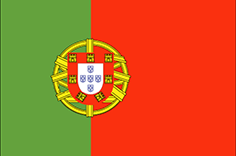
Lisbon is the capital city of Portugal, Southern Europe.
Portugal Country Profile


