

Country's codes
International phone code for Macedonia: +389
3 letters:MKD
2 letters (internet domain): .MK
Digital country code 442
Standard EAN-13 (country barcode): 540-549
 Olympic country code: MKD
Travel Tips for Tourists
- Getting There: North Macedonia is accessible via Skopje International Airport and Ohrid Airport, with connections to major European cities. Many nationalities can enter visa-free for up to 90 days. Buses and trains from neighboring Balkan countries also provide convenient access.
- Best Time to Visit: The best times to visit are spring (April to June) and autumn (September to October), when the weather is mild and ideal for hiking, sightseeing, and cultural festivals. Summer (July–August) is great for lake activities but can be hot and crowded, especially around Lake Ohrid.
- Top Attractions:
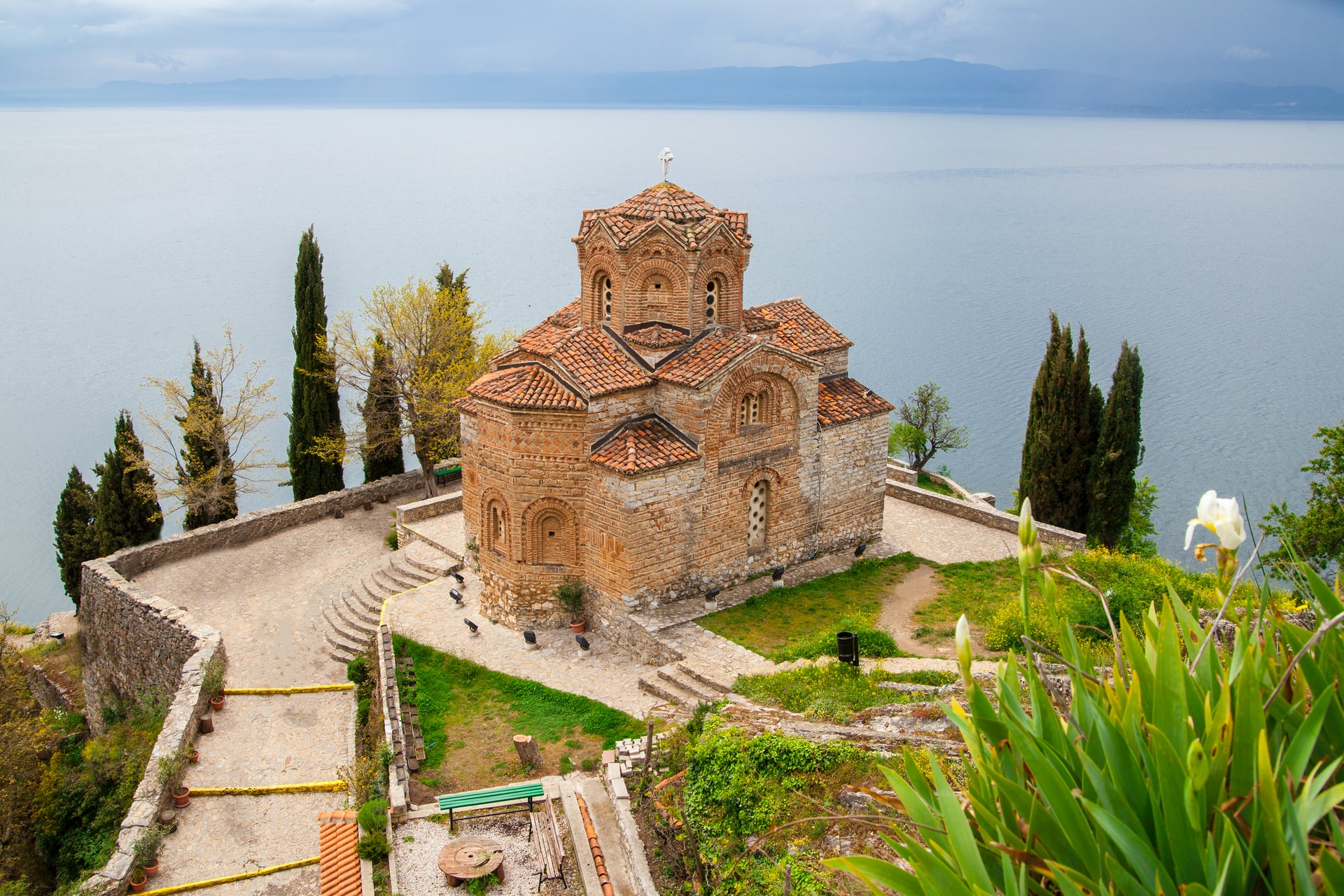
- Lake Ohrid: A UNESCO World Heritage site known for its crystal-clear waters, ancient churches, and charming old town.
- Skopje: The capital city features the Old Bazaar, Stone Bridge, Kale Fortress, and quirky statues in Macedonia Square.
- Matka Canyon: A stunning natural escape near Skopje, perfect for kayaking, hiking, and cave exploration.
- Mavrovo National Park: Ideal for hiking in summer and skiing in winter, with scenic mountain views and rustic lodges.
- Bitola & Heraclea Lyncestis: A city with Ottoman charm and nearby Roman ruins showcasing mosaics and ancient history.
- Healthy Travel Advice:
- Ensure routine vaccinations are up to date: MMR, DTP, Polio, Influenza, and COVID-19.
- Recommended vaccines include Hepatitis A & B, Rabies (for rural or wildlife exposure), and Typhoid.
- Drink bottled or filtered water, especially in rural areas. Avoid raw or undercooked food.
- Use insect repellent to protect against mosquito-borne illnesses like West Nile virus.
- Altitude sickness may occur in mountainous regions; acclimatize gradually and stay hydrated.
A Glimpse into North Macedonia’s History
North Macedonia’s history is a rich tapestry woven from ancient civilizations, empires, and cultural shifts. The region was inhabited as early as the Neolithic period and later became part of the ancient kingdom of Paeonia. In the 4th century BCE, it was annexed by Philip II of Macedon, father of Alexander the Great, linking it to the legacy of the Macedonian Empire.
Under Roman rule, the area became part of the province of Macedonia, followed by centuries of Byzantine and Ottoman influence. Ottoman rule lasted over 400 years, leaving a lasting impact on architecture, cuisine, and culture. In the 20th century, North Macedonia was part of Yugoslavia until it declared independence peacefully in 1991. The country officially adopted the name “North Macedonia” in 2019 after resolving a long-standing dispute with Greece.
Best Time to Visit
The sweet spots are late spring (May–June) and early autumn (September–October) when temperatures are mild, hiking trails are green and open, and lakeside towns like Ohrid are lively without peak-season crowds.
July–August bring summer buzz, festivals, and warm lake swims (expect higher prices and more visitors), while December–March suits skiers heading for Popova Šapka and the Šar Mountains. Early spring and late autumn are great for city breaks and winery touring around Tikveš with fewer crowds.
- Mar–Apr: Cool to mild; blossoms, quieter cities and trails.
- May–Jun: Prime hiking & canyon trips; warm but not hot.
- Jul–Aug: Beachy lake days, festivals, busiest period.
- Sep–Oct: Harvest season, ideal weather, gorgeous foliage.
- Nov–Feb: Cozy city breaks; ski season in mountain resorts.
Current Political Landscape
North Macedonia is a parliamentary republic with a multi-party system. The current government is led by the conservative VMRO-DPMNE party, which recently secured a strong victory in local elections. Political polarization remains a challenge, with opposition parties calling for reforms and greater transparency.
The country continues its efforts toward European Union membership, though progress has been slow due to disputes with neighboring Bulgaria over historical and cultural issues. Prime Minister Hristijan Mickoski has voiced concerns about external pressures and called for fair treatment in the EU accession process.
Despite these challenges, North Macedonia maintains stable inter-ethnic relations and is committed to democratic development. Travelers are advised to stay informed about local news and respect cultural sensitivities, especially regarding national identity and history.
North Macedonia offers a unique blend of history, nature, and hospitality—perfect for travelers seeking authenticity and adventure in the Balkans.
Useful country information
Total area: 9,781 sq mi (25,333 sq km)
Population (2022 est.): 2.065 million
Capital and largest city (2022 est.): Skopje, 422,540

Skopje: Capital City Profile
Monetary unit: Denar
Languages: Macedonian (official) 66.5%, Albanian (official) 25.1%, Turkish 3.5%, Roma 1.9%, Serbian 1.2%, other 1.8% (2002 census)
Ethnicity/race: Macedonian 64.2%, Albanian 25.2%, Turkish 3.9%, Roma (Gypsy) 2.7%, Serb 1.8%, other 2.2% (2002 census)
Religions: Macedonian Orthodox 64.7%, Muslim 33.3%, other Christian 0.37%, other and unspecified 1.63% (2002 census)
National Holiday: Ilinden Uprising Day, August 2

Background:
North Macedonia is a landlocked state in the heart of the Balkans and is slightly smaller than the state of Vermont. It is a mountainous country with small basins of agricultural land. The Vardar is the largest and most important river.
International recognition of The Former Yugoslav Republic of Macedonia's (FYROM) independence from Yugoslavia was delayed by Greece's objection to the new state's use of what it considered a Hellenic name and symbol.
Greece finally lifted its trade blockade in 1995, and the two countries agreed to normalize relations, despite continued disagreement over FYROM's use of "Macedonia." FYROM's large Albanian minority and the de facto independence of neighboring Kosovo continue to be sources of ethnic tension.
Country Map

COUNTRY MAP WITH STATES/PROVINCES BOUNDARIES CLICK HERE

Source of Information:


