
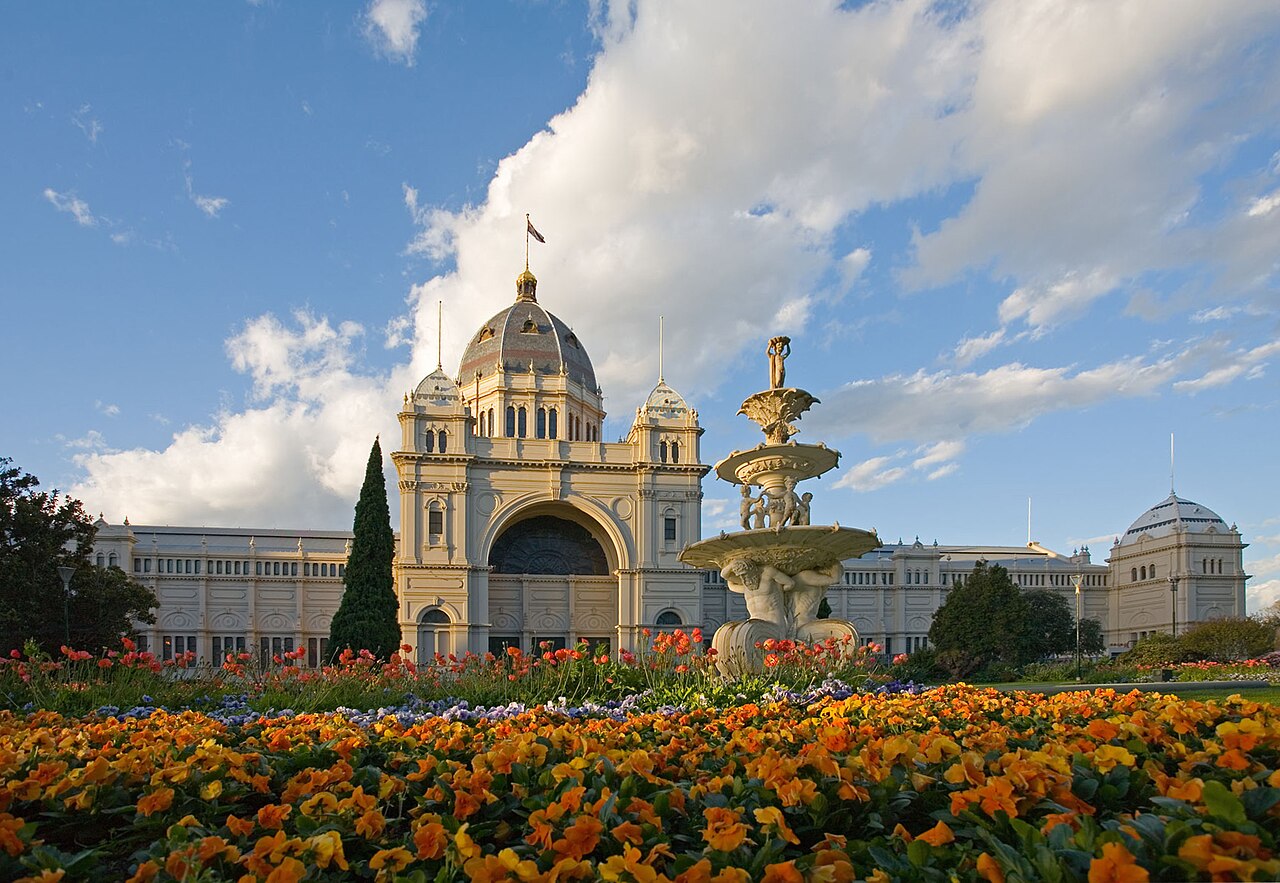
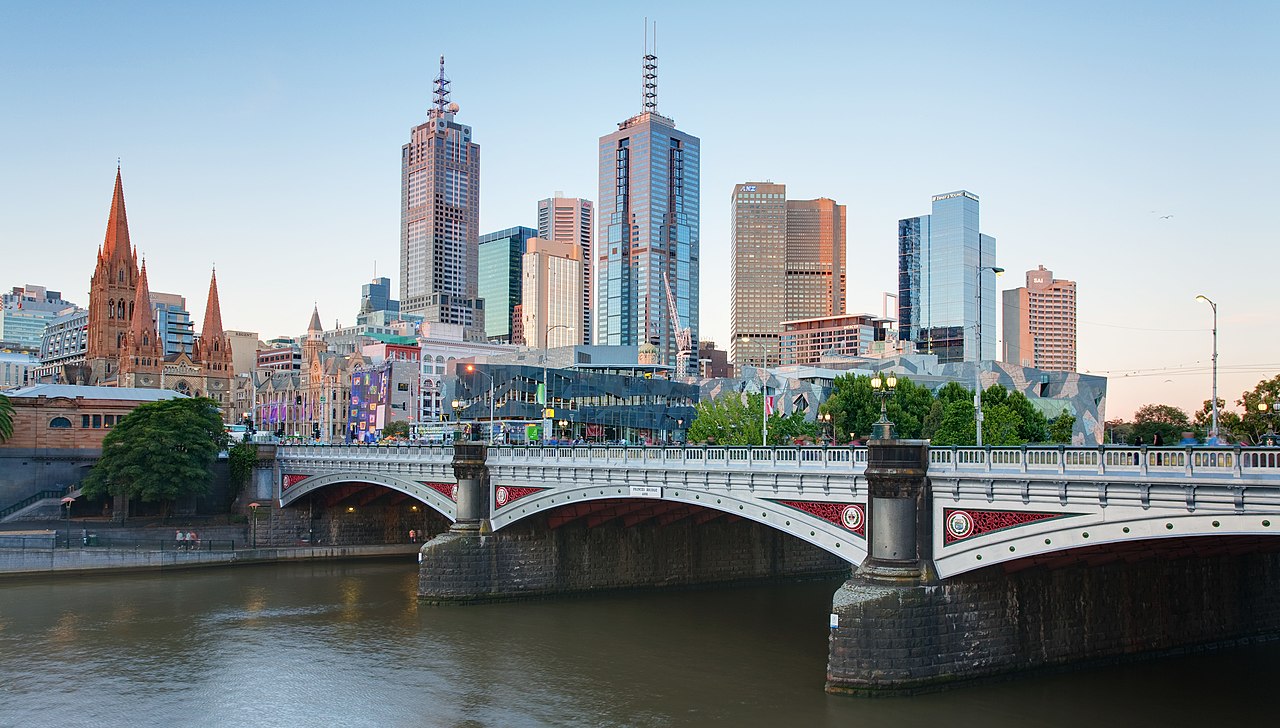
About Melbourne
Melbourne, the capital of the state of Victoria, is widely considered Australia’s cultural, culinary, and sporting heart. Located on the shores of Port Phillip Bay, the city covers 9,992 km² and is known for its Victorian‑era architecture, world‑famous coffee culture, laneways filled with street art, and one of the highest quality‑of‑life rankings globally. Melbourne regularly appears among the world’s most liveable cities and is a hub for arts, theatre, sport, higher education, and innovation.
Best Time to Visit Melbourne & Weather Guide
Melbourne has a temperate oceanic climate with mild summers, cool winters, and famously unpredictable weather — locals joke that you can experience “four seasons in one day.”
🌤️ Spring–Summer (October–April)
The ideal period to visit Melbourne, with temperatures between 18–30°C. Long daylight hours, outdoor dining, festivals, and major sporting events such as the Australian Open in January.
Best Time to Visit🍁 Shoulder Seasons (September / May)
Pleasant temperatures (15–22°C), blossoming gardens in September, and fewer crowds. May offers crisp days ideal for cultural attractions and exploring the city’s laneways.
Good Alternative❄️ Winter (June–August)
Cooler weather (6–15°C) with cloudy days, perfect for museum visits, cafés, and theatre. Winter also brings the lively truffle season and many indoor festivals.
Cool Season / Indoor Culture🎉 Festivals & Cultural Calendar
Melbourne hosts world‑class events: Australian Open (Jan), Formula 1 Australian Grand Prix (Mar), Melbourne International Comedy Festival (Mar–Apr), and White Night (various dates).
World-Class EventsAny season: layers, as weather can change quickly.
Summer: sunscreen, hat, light layers.
Winter: warm jacket, umbrella. Comfortable walking shoes essential.
Top Attractions in Melbourne
Melbourne’s charm lies in its blend of modern architecture, lush parks, historic districts, and vibrant arts and food culture.
🎨 National Gallery of Victoria (NGV)
Australia’s oldest and most visited art museum, home to over 75,000 artworks spanning centuries. Free permanent collection, major international exhibitions yearly.
Australia’s Top Museum🌃 Federation Square & Flinders Street Station
The city’s iconic meeting point — architectural landmarks, galleries, restaurants, and events. Flinders Street Station is one of Melbourne’s most photographed buildings.
City Centre Icon🖌️ Laneways & Street Art (Hosier Lane)
Melbourne’s laneways are world‑famous for street art, indie cafés, boutique shops, and hidden bars. Hosier Lane is the city’s most iconic street art site.
Street Art Capital🌿 Royal Botanic Gardens
A 38‑hectare oasis near the city centre featuring 8,500 plant species, lakes, and peaceful walking trails.
Urban Nature🐧 St Kilda Beach & Penguins
A relaxed bayside suburb known for its beach, cafés, live music, and a colony of adorable Little Penguins visible at sunset.
Beach & Wildlife🏟️ Melbourne Cricket Ground (MCG)
One of the world’s greatest sporting stadiums — host of cricket, AFL, and major international events. Guided tours available.
Sports MeccaLocal Food Recommendations
Melbourne is Australia’s culinary capital, with an incredibly diverse food scene — from high‑end restaurants to multicultural street food and iconic brunch cafés.
🍽️ Must-Try Melbourne Dishes
- Flat White — Melbourne’s signature coffee style, beloved worldwide.
- Meat Pie — Australia’s classic savoury snack, available everywhere.
- Avocado Smash — a Melbourne brunch institution.
🍹 Drinks & Bar Culture
- Australian Craft Beer — Melbourne has a booming craft beer scene.
- Local Wines — Yarra Valley and Mornington Peninsula produce world‑class wines.
- Rooftop Bars — a Melbourne classic for sunsets and city views.
🍽️ Where to Eat — Local Tips
- Lune Croissanterie — globally acclaimed pastries.
- Chin Chin — modern Southeast Asian fusion.
- Queen Victoria Market — fresh produce, deli goods, and street food.
🎨 Art, Culture & Creative Scene
- Melbourne is the creative heart of Australia, with thriving music, theatre, design studios, galleries, and a dynamic festival culture.
Day Trip Itineraries from Melbourne
Melbourne is perfectly positioned for unforgettable day trips featuring wildlife, beaches, wineries, and iconic Australian landscapes.
🐨 Day Trip: Phillip Island Penguin Parade
Travel time: 2 hrs by car
Cost: From AUD 30–50
Watch hundreds of Little Penguins waddle ashore at sunset — one of Australia’s most iconic wildlife experiences.
Wildlife Experience🍇 Day Trip: Yarra Valley Wineries
Travel time: 1 hr by car
Cost: Tours from AUD 120–180
Australia’s premier cool‑climate wine region — Chardonnay, Pinot Noir, sparkling wines, gourmet food, and scenic landscapes.
Wine Country🌊 Day Trip: Great Ocean Road & Twelve Apostles
Travel time: 3 hrs by road
Cost: Tours from AUD 100–150
One of the world’s most spectacular coastal drives — cliffs, beaches, rainforests, and the limestone Twelve Apostles.
Scenic Coastline🏞️ Day Trip: Dandenong Ranges
Travel time: 1 hr by road
Cost: AUD 20–60 depending on activities
Cool forests, hiking, gardens, and the historic Puffing Billy steam train.
Forest EscapeTourist Tips for Melbourne
🚈 Getting Around
- Melbourne’s tram network is the largest in the world.
- The Free Tram Zone operates in the CBD.
- Myki card required for trains, trams (outside free zone), and buses.
💡 General Safety & Travel Tips
- Tap water is safe to drink.
- Weather changes quickly — carry layers.
- Use official taxis or Uber, especially at night.
Important Emergency Numbers
🇦🇺 Melbourne Emergency Contacts
- 🚑 Ambulance: 000
- 🔥 Fire Brigade: 000
- 👮 Police: 000
International Emergency Phone Numbers
MELBOURNE WEATHERList of e-visa countries.
What is the currency in use in the city of Melbourne? Australian dollar.
Value of $1 USD in AUD Loading...
Melbourne Streets Map
Canada Country Profile

Source of Information


