

Country's codes
International phone code for Mongolia: +976
3 letters: MNG
2 letters (internet domain): .MN
Digital country code 496
Standard EAN-13 (country barcode): 865
 Olympic country code: MGL
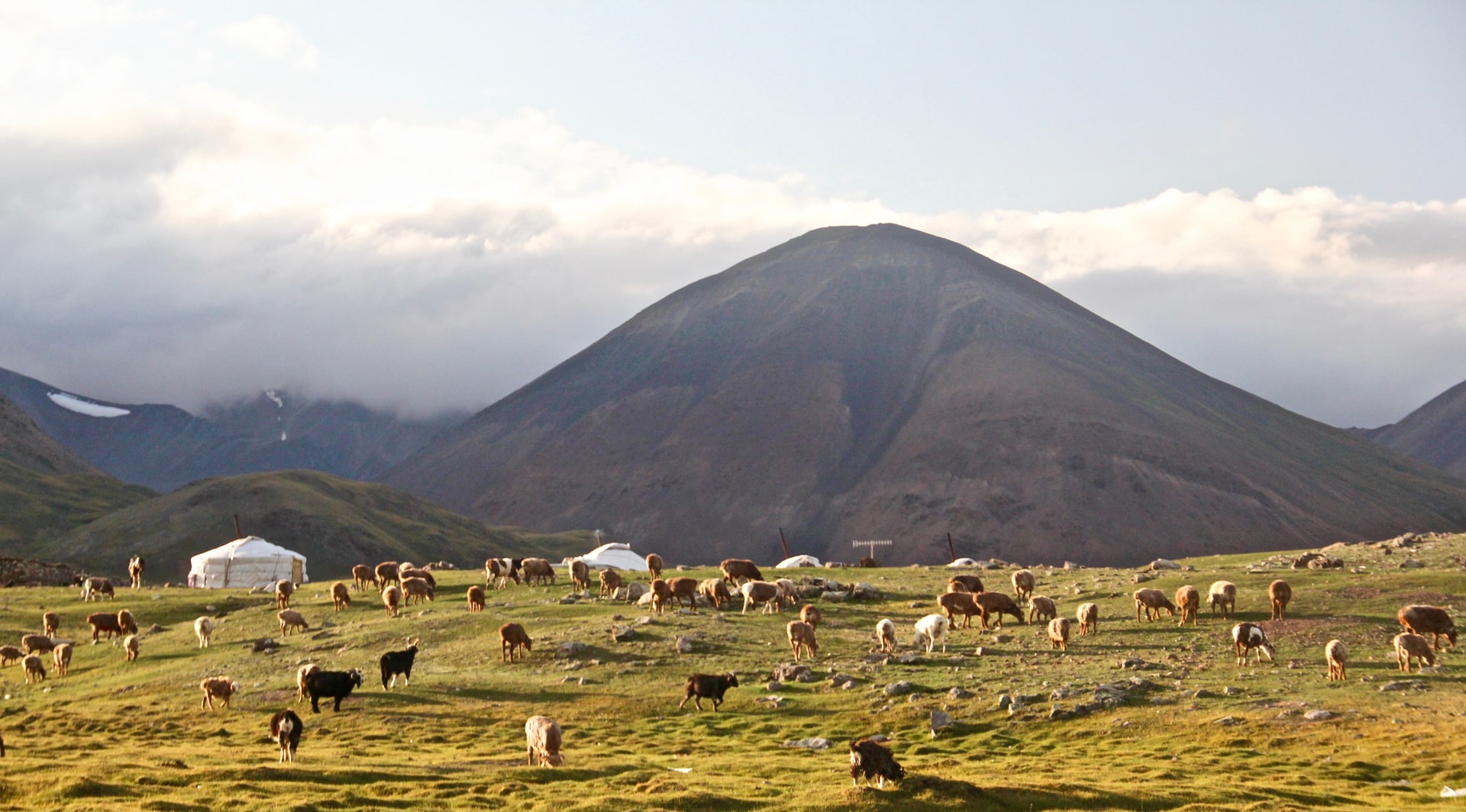
Mongolia: Top Attractions & Best Time to Visit
A land of vast steppes, rolling dunes, ancient monasteries, and star‑filled skies—Mongolia rewards slow, immersive travel. Use this guide to pick the right season and plan unmissable experiences from Ulaanbaatar to the Gobi and the northern taiga.
Why Visit Mongolia
Mongolia is one of the world’s last great frontiers for open‑land adventure: camp beside gers on boundless grasslands, ride horses with nomadic herders, scramble up golden dunes at sunset, and wander Buddhist monasteries steeped in history. Whether you want wildlife tracking, desert silence, or alpine peaks, Mongolia delivers unforgettable scale and solitude.
- Witness the Naadam festival (wrestling, horse racing, archery) each July.
- Traverse the Gobi’s cinematic landscapes—singing dunes, flaming cliffs, ice canyons.
- Recharge amid northern lakes and larch forests, with yurt stays under raven skies.
Ulaanbaatar & Gandan Monastery
Start in the capital: explore Sükhbaatar (Chinggis) Square, the National Museum, and the Gandan Monastery’s golden Maitreya statue. Time an evening for a throat‑singing and morin khuur (horse‑head fiddle) performance.
Gobi Desert: Khongoryn Els & Bayanzag
The Gobi’s “singing” dunes at Khongoryn Els glow at sunset; ride camels with herder families and climb the ridgelines. Bayanzag (Flaming Cliffs) is famed for dinosaur fossils and blazing evening light—bring a headlamp for twilight walks.
Yolyn Am (Eagle Valley)
A cool, narrow gorge in Gurvan Saikhan National Park where summer ice can linger. Hike along the stream, watch lammergeiers, and enjoy shade even in peak heat. Best early morning for quiet trails and wildlife.
Orkhon Valley & Kharkhorin
The Orkhon Valley (UNESCO) blends nomadic culture with history. Visit Kharkhorin (Karakorum), the 13th‑century capital, and Erdene Zuu Monastery with its iconic white stupas. Nearby waterfalls and riding routes make a classic ger‑camp base.
Terelj National Park
Granite “Turtle Rock,” alpine meadows, and rivers only a short drive from Ulaanbaatar. Great for day hikes, rock formations, and overnight ger stays with sunrise views over flowered valleys in June–August.
Khövsgöl Lake
Called the “Blue Pearl,” Mongolia’s largest freshwater lake is ringed by larch forest. Kayak the glassy water, hike ridges, or ride horses along the shore. September brings golden colors and crisp air, with fewer midges.
Hustai National Park
Track the reintroduced wild Przewalski’s horses (takhi) on evening safaris. Keep an eye out for marmots and steppe raptors. Combine with an overnight ger stay to stargaze under exceptional dark skies.
Altai Tavan Bogd
In the far west, glacier‑clad peaks and Kazakh eagle‑hunter culture await. Multi‑day treks reveal high‑alpine passes, petroglyph fields, and yaks grazing beside turquoise lakes. Best in July–early September.
Best Time to Visit Mongolia
- Weather: Warm days, cool nights; green steppe and blooming wildflowers.
- Festivals: National Naadam is mid‑July; regional Naadams run June–August.
- Where to go: Gobi itineraries are most comfortable; lakes and mountain trekking are accessible.
Spring (April–May) can be dusty and windy on the steppe; wildlife viewing improves as grazing begins. Pack layers year‑round—temperatures vary widely between day and night.
Suggested 7–10 Day Outline
- Day 1: Ulaanbaatar—Gandan, museum, folk performance.
- Day 2–4: Fly/drive to Gobi—Yolyn Am, Khongoryn Els dunes, Bayanzag sunsets.
- Day 5–6: Orkhon Valley & Kharkhorin—Erdene Zuu, horseback rides, waterfalls.
- Day 7: Terelj NP—easy hikes, granite formations, ger stay.
- Extend (8–10): Khövsgöl Lake or Hustai for takhi; or west to Altai Tavan Bogd (trekking).
Ger Stays & Etiquette
When entering a ger, step over the threshold, move clockwise, and avoid touching the central poles. Accept offerings (milk tea, dairy) with your right hand supported by the left at the wrist.
Getting Around
Most routes are on rough tracks; a 4×4 and experienced driver/guide are invaluable. Trains connect some hubs, but for the Gobi and west, domestic flights plus jeep expeditions work best. Download offline maps.
Costs & Cash
ATMs and cards are common in Ulaanbaatar, rare in rural areas. Bring sufficient cash (MNT) for countryside days. Ger camps usually offer half‑board/full‑board; tipping is appreciated for drivers and guides.
Connectivity
City speeds are solid; outside towns, expect intermittent signal or none. Local SIMs are inexpensive; eSIM support is improving but verify at the airport or main city outlets.
Fit‑to‑Travel: Health & Safety
Motion sickness can occur on long, bumpy drives—consider medication. In rural areas, carry a small first‑aid kit, oral rehydration salts, and any personal prescriptions. For horseback and camel rides, use helmets where available.
Quick FAQs
How long do I need? A focused loop is 7–10 days; add 3–5 days for the far west or Khövsgöl.
Is Mongolia family‑friendly? Yes—ger stays, easy hikes, and wildlife tracking suit families; plan shorter drive days.
Do I need a guide? Strongly recommended outside major towns for navigation, translation, and safety.
What to pack? Layers, sturdy shoes, sun protection, power bank, water filter, and a universal adapter (Type C/E).
Online Travel Visa Check.
Find Visa information for your destination.Useful country information
Total area: 04,247 sq mi (1,565,000 sq km)
Population (2022 est.): 3.329 million
Capital and largest city (2022 est.): Ulaan Baatar, 1,615,000

Ulaan Baatar: Capital City Profile
Monetary unit: Tugrik
National name: Mongol Uls
Languages: Mongolian, 90%; also Turkic and Russian (1999)
Ethnicity/race: Khalkh 81.9%, Kazak 3.8%, Dorvod 2.7%, Bayad 2.1%, Buryat-Bouriates 1.7%, Zakhchin 1.2%, Dariganga 1%, Uriankhai 1%, other 4.6% (2010 est.)
Religions: Buddhist 53%, Muslim 3%, Christian 2.2%, Shamanist 2.9%, other 0.4%, none 38.6% (2010 est.)
National Holiday: Independence Day/Revolution Day, July 11

Background:
Mongolia is a land locked country lies in central Asia between Siberia on the north and China on the south. It is slightly larger than Alaska.
Long a province of China, Mongolia won its independence in 1921 with Soviet backing. A communist regime was installed in 1924. During the early 1990s, the ex-communist Mongolian People's Revolutionary Party (MPRP) gradually yielded its monopoly on power. In 1996, the Democratic Union Coalition (DUC) defeated the MPRP in a national election. Over the next four years the Coalition implemented a number of key reforms to modernize the economy and institutionalize democratic reforms. However, the former communists were a strong opposition that stalled additional reforms and made implementation difficult. In 2000, the MPRP won 72 of the 76 seats in Parliament and completely reshuffled the government. While it continues many of the reform policies, the MPRP is focusing on social welfare and public order priorities
Country Map

COUNTRY MAP WITH STATES/PROVINCES BOUNDARIES CLICK HERE

Source of Information:


