

Country's codes
International phone code for Montenegro: +382
Standard EAN-13 (country barcode): 860
 Olympic country code: MNE

Montenegro: Top Attractions & Best Time to Visit
Montenegro is one of Europe’s most breathtaking coastal‑mountain escapes—where medieval towns hug turquoise bays, winding mountain roads reveal glacial lakes, and sandy Adriatic beaches meet dramatic cliffs. Here’s your guide to the best places to visit and when to go.
Why Visit Montenegro
Small but incredibly diverse, Montenegro offers Adriatic beaches, UNESCO‑listed bays, alpine national parks, medieval fortresses, and outdoor adventures. You can swim in the sea and hike high‑altitude trails in the same day—making it one of Europe’s most rewarding compact destinations.
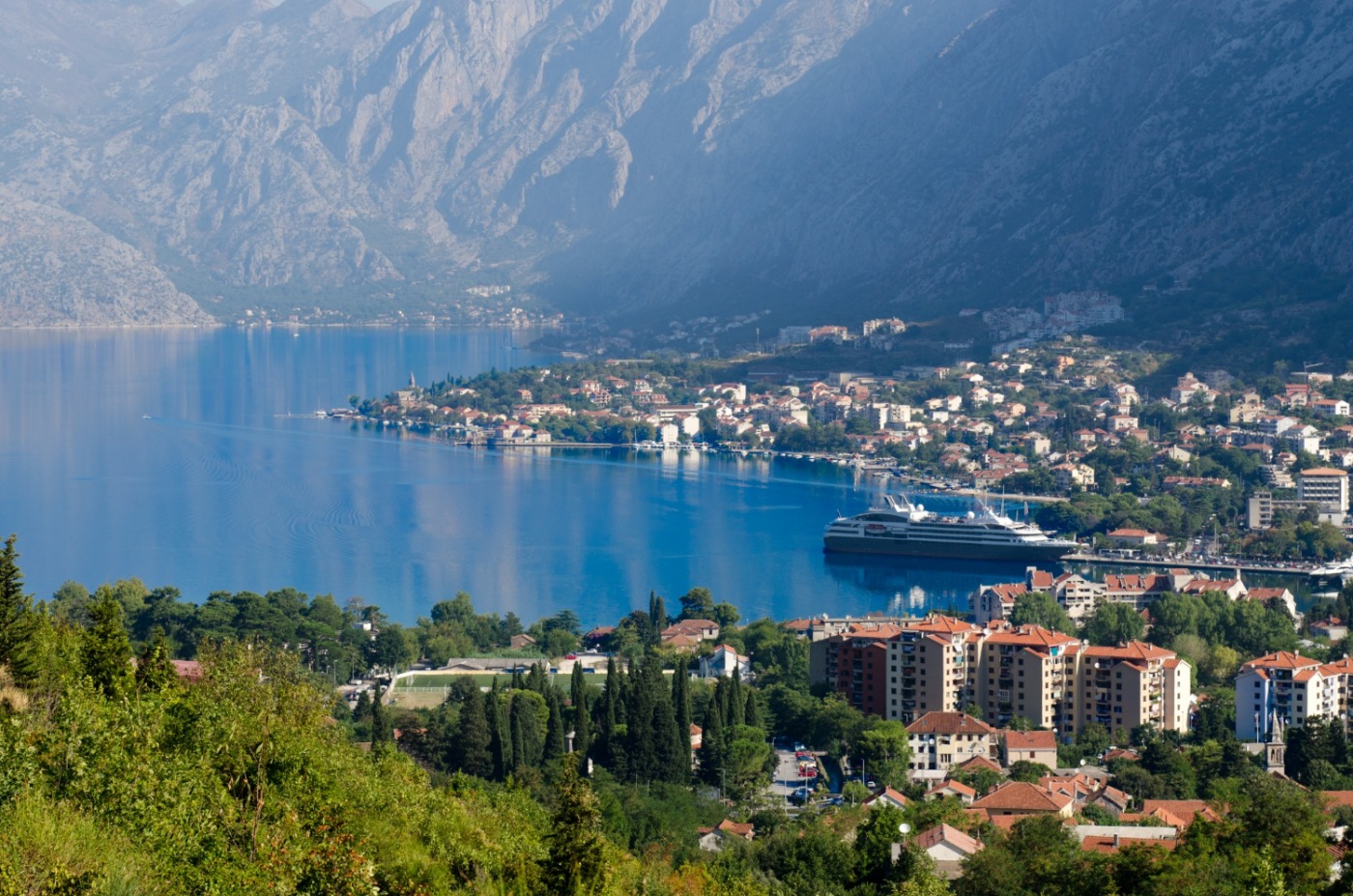
- The Bay of Kotor—often called Europe’s southernmost fjord.
- Stunning national parks like Durmitor and Biogradska Gora.
- Charming old towns, monasteries, and blue‑flag beaches.
Bay of Kotor (Boka Bay)
A spectacular bay surrounded by steep mountains, dotted with medieval towns. Wander Kotor’s old town, climb the fortress steps for panoramic views, and visit picturesque Perast with nearby islets like Our Lady of the Rocks.
Budva Riviera
Known for its beaches and nightlife, Budva also offers beauty beyond the clubs: the walled old town, Mogren Beach, and the iconic island‑hotel Sveti Stefan (viewpoints only unless staying).
Durmitor National Park
A paradise for hikers: glacial Black Lake, the Tara River Canyon (one of the deepest in Europe), and rugged peaks accessible by scenic trails. Popular for rafting, canyoning, and ziplining.
Ostrog Monastery
An extraordinary white monastery carved into a vertical cliff, attracting visitors of all backgrounds. The upper monastery offers dramatic views over the valley.
Lake Skadar
A serene freshwater lake known for birdlife, mountain‑backed viewpoints, and traditional villages. Take a boat trip through water‑lily channels or hike the ridgeline trails.
Biogradska Gora National Park
One of Europe’s last primeval forests with crystal lakes and peaceful trails. Great for nature lovers seeking quieter alternatives to busier national parks.
Herceg Novi
A charming coastal town near Croatia’s border with fortresses, botanical gardens, and a long seaside promenade. A good base for boat trips to the Blue Cave.
Ulcinj & Velika Plaža
In the far south, Ulcinj offers a blend of Eastern and Mediterranean flavors. Velika Plaža (Long Beach) stretches over 12 km—ideal for kitesurfing and sun‑soaked, crowd‑free days.
Best Time to Visit Montenegro
- Comfortable temperatures and fewer crowds.
- Ideal for hiking, sightseeing, and coastal trips.
- Sea is warm enough from late May onward.
For a balanced trip with sightseeing, outdoor activities, and swimming—May, June, or September offer the best experience.
Getting Around
The coast is well connected by buses, but renting a car gives you the most flexibility—especially for national parks and rural areas where transport is limited.
Food & Culture
Try local specialties such as smoked Njeguši ham, kačamak, grilled fish, and mountain cheeses. Montenegrin hospitality is warm—simple greetings and politeness go a long way.
Where to Stay
For views and history, stay inside Kotor’s old town. For nightlife and beaches, choose Budva. For adventure, base yourself in Žabljak (Durmitor) or Kolasin (Biogradska Gora).
Costs & Money
Prices vary widely: coastal resorts peak in summer, while inland and shoulder‑season travel can be very affordable. ATMs are widely available; the Euro makes budgeting easy.
Fit‑to‑Travel Notes
Mountain weather changes quickly—bring layers if visiting Durmitor or Biogradska Gora. For coastal swimmers, beaches are generally safe, but always follow local flags and signs.
Quick FAQs
How many days do I need? 5–7 days for highlights; 10+ to explore coast and mountains.
Is Montenegro expensive? Generally affordable, especially compared to Western Europe.
Do people speak English? Widely in tourist areas, less in rural mountains.
Can you swim in May? Early May can be cool, but late May–October is ideal.
Montenegro offers the perfect blend of beaches, mountains, and medieval charm. Choose your season and build a route that mixes coast, lakes, and highland adventures for an unforgettable trip.
Useful country information
Country's codes:
Land area: 5,333 sq mi (13,812 sq km); total area: 5,415 sq mi (14,026 sq km)
Population (2022 est.): Montenegro
Capital (2022 est.): Podgorica, 236,852

Podgorica: Capital City Profile
Monetary unit: Euro
National name: Republike Crne Gore
Languages: Serbian 42.9%, Montenegrin (official) 37%, Bosnian 5.3%, Albanian 5.3%, Serbo-Croat 2%, other 3.5%, unspecified 4% (2011 est.)
Ethnicity/race: Montenegrin 45%, Serbian 28.7%, Bosniak 8.7%, Albanian 4.9%, Muslim 3.3%, Roma 1%, Croat 1%, other 2.6%, unspecified 4.9% (2011 est.)
Religions: Orthodox 72.1%, Muslim 19.1%, Catholic 3.4%, atheist 1.2%, other 1.5%, unspecified 2.6% (2011 est.)
National Holiday: National Day, July 13

Background:
Unlike other countries of the Balkan Peninsula, Montenegro was able to maintain its independence from the Ottoman Empire. From the 16th to 19th centuries, Montenegro became a theocratic state ruled by a series of bishop princes; in 1852, it was transformed into a secular principality and later it became part of the Kingdom of Yugoslavia.
Country Map
COUNTRY MAP WITH STATES/PROVINCES BOUNDARIES CLICK HERE

Source of Information:


