
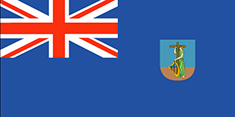
Country's codes
International phone code for Montserrat: +1-664.
3 letters: MSR
2 letters (internet domain): .ms
Digital country code : 500
Standard EAN-13 (country barcode): n/a
 Olympic country code: MNT

Montserrat: Top Attractions & Best Time to Visit
Known as the “Emerald Isle of the Caribbean,” Montserrat blends lush volcanic landscapes, black‑sand beaches, a rich Irish-Caribbean heritage, and one of the most dramatic modern geological stories in the region. Here’s a guide to its top sights and the ideal time to visit.
Why Visit Montserrat
Montserrat offers something few Caribbean islands can: the chance to witness nature’s power up close. The Soufrière Hills Volcano, black‑sand beaches, lush hiking trails, and warm village culture make this a uniquely uncrowded and authentic destination. Whether you want a serene getaway or a deeper look into volcanic history, Montserrat delivers a memorable experience.
- Home to the Caribbean’s only modern-day buried city: Plymouth.
- Lush green mountains and quiet black‑sand beaches.
- A fusion of Irish and Afro-Caribbean culture found nowhere else.
Soufrière Hills Volcano & Exclusion Zone
The island’s most dramatic feature. Guided tours and lookout points offer views of the still-simmering dome, ash fields, and abandoned areas. This is a rare chance to safely observe modern volcanic landscapes.
Plymouth Buried City
Once the island’s capital, Plymouth now lies frozen in time beneath layers of ash. Boat tours along the coast give a surreal look at roofs, buildings, and streets encased in volcanic deposits.
Woodlands Beach
A serene black‑sand beach popular for sunsets, sea turtles, and quiet relaxation. Surrounded by cliffs and greenery, it’s ideal for unwinding away from crowds.
Jack Boy Hill
A major viewpoint with coastline panoramas and distant views of the volcano’s northeastern slopes. Interpretive signs explain the island’s geological story.
Montserrat Volcano Observatory (MVO)
Learn about past eruptions, seismic monitoring, and how scientists track volcanic activity. Displays and videos offer fascinating insight into the Soufrière Hills’ ongoing story.
Rendezvous Bay
The island’s only white‑sand beach—reachable by boat or a scenic hike. Calm waters make it perfect for snorkeling and picnics.
Centre Hills Forest Reserve
A protected rainforest famous for the Montserrat oriole and diverse birdlife. Hike shaded trails through lush, biodiverse terrain.
Little Bay & Carr’s Bay
The island’s developing port area with restaurants, cafés, and calm beaches nearby. Great for an easy half‑day of swimming and local dining.
Best Time to Visit Montserrat
- Sunny days, low humidity, and cool evenings.
- Best for hiking, beach time, and outdoor volcano viewpoints.
- Peak season for festivals and cultural events.
For the best mix of weather, activities, and sea conditions, plan your trip between December and April.
Getting Around
Taxis and rental cars are the most convenient. Roads are steep in places, so drive slowly. Tours are recommended for exclusion-zone viewing areas.
Cuisine
Try goat water (a local stew), fresh seafood, coconut-based dishes, and island-style breads. Small restaurants and local cafés offer hearty Caribbean flavors.
Culture & Heritage
Montserrat is the only Caribbean island to celebrate St. Patrick’s Day as a national holiday—a blend of African and Irish traditions unique to the island.
Where to Stay
Options include hillside guesthouses, villas with ocean views, and boutique lodges in quiet neighborhoods around Woodlands, Sweeney’s, and Little Bay.
Fit‑to‑Travel Notes
Trails can be steep and humid—wear sturdy shoes and pace yourself. For exclusion-zone viewpoints, follow official safety guidance and avoid unauthorized areas.
Quick FAQs
How many days do I need? 3–5 days for main sights; longer for hiking and in‑depth exploration.
Is Montserrat safe? Very safe, with friendly communities and low crime.
Can I visit the exclusion zone? Only with authorized tours or from designated lookout points.
Are beaches swimmable? Yes—calm in the west, slightly rougher in the east.
Montserrat is a peaceful, green, and fascinating island offering nature, culture, and rare volcanic history. Visit during the dry season for the best experience—and enjoy one of the Caribbean’s most unique destinations.
Online Travel Visa Check.
Find Visa information for your destination.Useful country information
Total area: 102 km2 (39 sq mi)
Population (2022 est.): 4,999
Plymouth is a ghost town and the de jure capital of the island of Montserrat. Brades is a town and the de facto capital of Montserrat since 1998 with an approximate population of 1,000. (2021).
Plymouth: Capital City Profile
Apply for tourist visa
Important Numbers:
In case of emergency, please contact:
-
AMBULANCE : 911999
FIRE: 911999
POLICE: 911999
What is the currency in use in the city of Plymouth? Eastern Caribbean dollar

Background:
Montserrat is an island in the Caribbean Sea, in the Leeward Islands. It is a mountainous island, part of the Lesser Antilles chain and a British Overseas Territory.
Its nearest neighbours in the island chain include Guadeloupe to the southeast, Antigua to the north-east and Nevis to the northwest.
Montserrat is known for its coral reefs and its caves along the shore. These caves house many species of bats, and efforts are underway to monitor and protect the ten species of bats from extinction.
Country Map
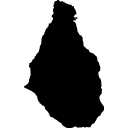
COUNTRY MAP WITH STATES/PROVINCES BOUNDARIES CLICK HERE

Source of Information:


