

Moroni
One of the Indian Ocean's most authentic and least-visited island capitals, Moroni is a captivating blend of Swahili-Arab heritage, French colonial architecture, and raw volcanic landscape — a city of ancient mosques, carved-door medinas, spice-scented markets, and the looming silhouette of Mount Karthala, one of the world's largest active volcanoes, rising dramatically behind the waterfront.
City at a Glance
About Moroni
Moroni — whose name derives from the Shingazidja word mroni, meaning "at the river" — is the capital and largest city of the Union of the Comoros, a small sovereign archipelago nestled in the Indian Ocean between Madagascar and the Mozambique coast. Situated on the western shore of Grande Comore (Ngazidja), the largest of the three principal islands, the city has served as the political and cultural heart of the archipelago for centuries, with Arabic heritage in its streets, mosques, and carved wooden doors dating back to the 10th century.
What makes Moroni truly exceptional among Indian Ocean capitals is its raw, unpolished authenticity. Unlike the manicured resort islands of Mauritius or the Seychelles, Moroni offers a genuinely off-the-beaten-track experience: a working port city where traditional wooden dhows bob in the harbour beside the white-domed Friday Mosque, where the air is heavy with ylang-ylang and clove, and where the massive green silhouette of Mount Karthala — one of the world's largest active volcanoes — looms dramatically over the rooftops. It is a city that rewards curious, independent travellers with an authenticity rarely found elsewhere in the Indian Ocean.
Best Time to Visit & Weather
Dry Season Best Time
May – November. The finest time to visit Moroni. Sunny skies, lower humidity, and comfortable temperatures of 24–29 °C make outdoor exploration, hiking, and beach visits ideal. The sea is calmer and bluer, snorkelling and diving conditions are at their best, and Mount Karthala treks are most accessible. The peak months of June–August offer the most settled weather.
Wet Season Cyclone Risk
December – April. The hot and humid wet season brings heavy tropical rainfall and elevated cyclone risk, particularly January–March. Temperatures climb to 28–32 °C with high humidity. The landscape turns vivid green and flights can be disrupted. Budget travellers find the lowest rates of the year. If visiting in this period, travel insurance with weather disruption cover is strongly recommended.
Shoulder Season Good Value
April–May & November. The transition months offer a reasonable compromise — lower rainfall than the wet season peak, more comfortable temperatures than the height of summer, and fewer visitors than the July–September dry-season peak. Hotel prices dip, and the city's markets and cultural life continue at full pace. Good months for budget travellers wanting reasonable weather.
Whale Season Special Interest
July – September. The most exciting time for wildlife travellers — humpback whales migrate through Comorian waters from July to September, and boat excursions from Moroni offer excellent whale-watching opportunities. This coincides with the peak dry season, making it the best all-round time to visit for travellers combining cultural exploration with wildlife experiences.
- Comoros is a predominantly Muslim country — dress modestly, especially when visiting mosques and the Old Medina. Shoulders and knees should be covered in religious sites.
- Prince Said Ibrahim International Airport (HAH) is located ~19 km north of the city — allow 30–50 minutes for the taxi journey to central Moroni, depending on traffic.
- A visa on arrival ($50 / €30) is available to most nationalities at the airport — pay in euros to get the better rate.
- Comoros is one of the world's least-visited countries — tourist infrastructure is limited; book accommodation in advance and carry cash (KMF or euros), as ATMs are unreliable.
- The Volo Volo Market and harbour area are best explored in the morning; the famous evening street-food scene near the market comes alive after sunset.
Top Attractions
Ancienne Mosquée du Vendredi (Old Friday Mosque)
The architectural and spiritual jewel of Moroni — a coral-stone mosque dating to 1427 standing right at the harbour's edge, its white colonnaded façade reflected in the port waters at dawn. One of the oldest surviving mosques in the Comoros and a masterpiece of Swahili-Arab architecture. The surrounding lanes of the Old Medina, with their elaborately carved wooden doors and ancient fountains, make this area the most atmospheric quarter of the city.
Mount Karthala Trek
An extraordinary adventure — Mount Karthala is one of the world's largest active volcanoes, rising to 2,361 metres above sea level with a massive caldera spanning nearly 3 km in diameter. The two-day guided trek through dense tropical forest to the lunar summit is one of East Africa's most dramatic hiking experiences. Local guides are essential and depart from the villages just outside Moroni. Views from the summit, on a clear day, stretch across the entire archipelago.
La Médina — Old Arab Quarter
The ancient heart of Moroni — a labyrinth of narrow paved lanes, carved wooden doors, coral-stone houses, and old Arabic fountains that transport visitors to another century. The medina is one of the best-preserved Swahili-Arab old towns in the Indian Ocean, rich in unrestored architectural detail and everyday neighbourhood life. Look out for the remnants of the old bangwees (traditional public discussion spaces) — the Comorian equivalent of the Greek agora.
National Museum of Comoros
Established in 1989, the National Museum houses four permanent galleries covering the Comoros' history, archaeology, art, and religion; social anthropology and culture; oceanography and natural sciences; and volcanology and earth sciences. The volcanology gallery — detailing Karthala's eruption history — and the coelacanth exhibit (the Comoros is one of the world's primary habitats of this rare prehistoric fish) are unmissable highlights.
Itsandra Beach
The most beautiful beach near Moroni — Itsandra lies just a short taxi ride north of the city centre, offering calm turquoise waters, soft volcanic sand, and a backdrop of swaying palm trees and lush tropical vegetation. Technically associated with the Itsandra Beach Hotel but accessible to all, it is the perfect half-day escape from city exploration. Snorkelling around the coastal rocks reveals vivid coral and Indian Ocean marine life.
Volo Volo Market
Moroni's vibrant central market — the commercial and social heart of the city, packed with tropical produce, local spices, ylang-ylang oil, vanilla pods, handmade crafts, colourful salouva textiles, and everyday goods. The inner market restaurants serve the city's cheapest and most authentic lunches: fried fish with bananas or rice with meat for under CF1,000. After dark, street barbecues proliferate around the market perimeter — brochettes, chicken wings, sweet potatoes, and mandioc grilling under open skies.
Iconi Village & Sultan's Ruins
Just 3 km south of Moroni, the ancient village of Iconi was home to the last sultanate of Grande Comore. The ruins of Kapviridjeo Palace — where Sultan Tibe Mlanao lived — and the royal tombs stand among the village lanes, alongside the magnificent Friday Mosque and a natural tidal pool that fills and empties with the tides. One of Grande Comore's most historically significant and photogenic sites, and an easy half-day excursion from the capital.
Ylang-Ylang Perfume Distillery
The Comoros is one of the world's leading producers of ylang-ylang — the intensely fragrant flower used as a base note in many of the world's most celebrated perfumes, including Chanel N°5. Several distilleries on the outskirts of Moroni offer guided visits to see the traditional steam distillation process and purchase pure essential oil directly at source. A unique and aromatic experience entirely unlike anything else in the Indian Ocean.
Day Trip Itineraries
Day 1 — Medina, Mosque & Market
- 8:00 AM – Breakfast at a local café — Start with a Comorian breakfast of savoury samossas (samosas), fresh tropical fruit, and sweet milky tea at one of the small cafés near the harbour. The morning light on the waterfront mosques is exceptional at this hour.
- 9:00 AM – Old Friday Mosque & Harbour — Begin at Moroni's most iconic sight: the 1427 coral-stone mosque by the water's edge. Walk the harbour front to watch the traditional dhow fishermen at work and admire the views out to the Indian Ocean. Allow 45 minutes.
- 10:00 AM – La Médina walking tour — Plunge into the labyrinth of narrow lanes behind the mosque. Spend 1.5–2 hours getting delightfully lost among the carved wooden doors, old fountains, and centuries-old coral-stone architecture. Look for the remnants of the old bangwees.
- 12:00 PM – Lunch at Volo Volo Market — Head into the inner-market restaurants for the authentic budget lunch experience: fried fish with bananas or rice and meat, eaten at a shared table with market traders and locals. Budget under CF1,000 for a full meal.
- 2:00 PM – Volo Volo Market exploration & spice shopping — Browse the market stalls for ylang-ylang oil, vanilla pods, cloves, cinnamon, and handmade crafts. Bargain respectfully and take your time — this is the real commercial heart of Comorian life.
- 4:00 PM – National Museum of Comoros — Spend 1.5 hours in the national museum. Prioritise the volcanology gallery and the remarkable coelacanth exhibit — the living fossil fish found only in Comorian waters is one of the most extraordinary wildlife stories in the Indian Ocean.
- 7:30 PM – Harbour evening & street barbecues — As the sun sets over the Indian Ocean, join the evening stroll along the Corniche. After dark, the street barbecues around the Volo Volo market ignite — grab brochettes, grilled chicken wings, and sweet potatoes as the city comes alive.
Day 2 — Beaches, Villages & Volcanic Scenery
- 8:00 AM – Itsandra Beach morning swim — Take a shared taxi north for a peaceful morning at Itsandra Beach. The calm, clear water is perfect for swimming and snorkelling before the midday heat. Arrive early to have the beach almost entirely to yourself.
- 10:30 AM – Iconi Village — A short taxi ride south of the city, explore the ancient sultanate village. Visit the ruins of Kapviridjeo Palace, the royal tombs, the magnificent Friday Mosque, and the extraordinary tidal pool — local children swim here every afternoon after school.
- 1:00 PM – Lunch at Le Sim Sim — One of Moroni's best-regarded restaurants, Le Sim Sim is located near the public beach with views of the Indian Ocean. Try the house speciality: coconut chicken or grilled tuna caught that morning. One of the few places in Moroni to reliably find alcohol if required.
- 3:00 PM – Ylang-ylang distillery visit — Take a taxi to one of the distilleries on the city outskirts for a guided tour of the traditional steam distillation process. Purchase pure ylang-ylang essential oil at source — the finest quality and best price you will find anywhere in the world.
- 5:00 PM – Corniche sunset walk — Return to the city for the golden hour. Walk the Corniche waterfront promenade as the sun drops into the Indian Ocean and the mosque minarets glow in the light. The views towards the harbour and Mount Karthala from the corniche are the most evocative in Moroni.
- 8:00 PM – Dinner at a city restaurant — End the day with a full Comorian dinner: start with samoussas and mshakiki (grilled spiced meat skewers), followed by langouste à la vanille (fresh lobster cooked with locally grown vanilla) — the signature dish of the Comoros and one of the most extraordinary flavour combinations in the Indian Ocean world.
Local Food & Dining
Comorian cuisine is one of the Indian Ocean's most distinctive and underrated culinary traditions — an aromatic fusion of Arab, African, Indian, and French influences, built on exceptional local ingredients: fresh Indian Ocean seafood, tropical fruits, home-grown vanilla and ylang-ylang, cloves, cinnamon, cardamom, and coconut. The result is a cuisine of extraordinary fragrance and depth, unlike anything else found in East Africa or the wider Indian Ocean. Moroni's restaurants range from tiny market stalls and harbour-front barbecues to modest family-run restaurants and the polished dining rooms of the city's few international hotels.
Must-Try Comorian Foods
- Langouste à la Vanille — The signature dish of the Comoros and one of the Indian Ocean's greatest culinary experiences. Fresh lobster caught that morning, cooked in a rich sauce of locally grown vanilla, coconut milk, and butter. The combination of the sea and the island's most famous spice is extraordinary — sweet, fragrant, and deeply satisfying. Available at better restaurants in Moroni at a fraction of the price it would command in Europe.
- Mataba — One of the Comoros' most beloved traditional dishes: shredded cassava leaves slow-cooked with coconut milk, garlic, and spices until silky and rich. Often served with rice or bread as a hearty main or side dish. Deeply nutritious and completely authentic — found at every local restaurant and home table in Moroni.
- Mshakiki — The ubiquitous Comorian street food: skewered meat (beef or chicken) marinated in a blend of aromatic spices — cumin, coriander, chilli, garlic — and grilled over charcoal. Sold at every street-corner barbecue after dark. Cheap, intensely flavoured, and best eaten standing at the grill with a cold drink.
- Pilau — The archipelago's festive rice dish: long-grain rice cooked in spiced broth with meat (usually chicken or goat), scented with cloves, cumin, cardamom, and cinnamon. A direct reflection of the Arab trading heritage that shaped Comorian culture over many centuries. Rich, fragrant, and deeply satisfying — the dish served at all celebrations and special occasions.
- Samoussas — The Comorian breakfast and street snack of choice: crispy fried triangular pastries filled with spiced minced meat, fish, or vegetables. A legacy of Indian trading influence on Comorian food culture. Sold at every café and street stall from early morning, eaten dipped in a tangy chilli sauce.
- Tropical Fruits & Vanilla Crépes — The Comoros produces some of the finest vanilla in the world alongside abundant tropical fruits: mangoes, passion fruit, jackfruit, breadfruit, and papaya. Local street vendors and small restaurants serve fresh fruit plates and vanilla-scented crépes — the perfect light dessert or breakfast, fragrant with the island's most famous ingredient.
Le Sim Sim
Moroni's most consistently recommended restaurant — a beachside dining room near the public beach with views over the Indian Ocean. Renowned for its fresh seafood — grilled tuna, coconut lobster, and smoked swordfish spaghetti — prepared in the Comorian fusion style. One of the few restaurants in the city where alcohol is available. The ideal setting for a relaxed long lunch or a special-occasion dinner.
Volo Volo Market Restaurants
Hidden in the heart of the central market, these simple, no-frills local eateries serve the most authentic and affordable food in Moroni. Daily menus of fried fish with bananas or rice with slow-cooked meat, eaten at shared tables alongside market workers and city residents. Under CF1,000 per meal — the best value eating in the Comoros and an essential cultural experience.
Golden Tulip Moroni Restaurant
The restaurant of Moroni's most internationally recognised hotel serves polished Comorian and international cuisine in the most professionally run dining room in the city. Outstanding Indian Ocean seafood, French-influenced preparations, and a menu incorporating local vanilla, spices, and coconut. The most reliable option for business dinners or travellers wanting a familiar international-standard experience.
Harbour Barbecue Stalls
After sunset, the area around the Volo Volo market and the Karthala (place du Mahoriens) square transforms into Moroni's most atmospheric open-air dining experience: dozens of charcoal grills fire up, filling the warm night air with the smoke of mshakiki, chicken wings, sweet potatoes, banana, and mandioc. Eaten standing or perched on plastic chairs, this is authentic Comorian street life at its finest — and utterly unmissable.
- Comoros is a predominantly Muslim country — alcohol is not widely available and is absent from most restaurants. It is available at Le Sim Sim, the Golden Tulip, and a small number of other venues, usually at high prices.
- Always drink bottled water — tap water is not safe for visitors. Bottled water is widely available at the Volo Volo market and city shops.
- The daily budget for food can be extremely low if eating local — CF1,000–3,000 (approx. €2–6) covers a generous market meal. Mid-range restaurant mains start at around CF4,500 (approx. €9).
- Fresh seafood is exceptional — the Comoros' location in the Indian Ocean means lobster, tuna, and swordfish are landed daily. Always ask what the catch of the day is at seafood restaurants.
- The fragrant local vanilla is among the finest in the world — buy vanilla pods, vanilla oil, and vanilla-infused products directly from market vendors for a fraction of European prices.
Entry Requirements
Most nationalities can obtain a visa on arrival at Prince Said Ibrahim International Airport (HAH) for $50 or €30 — pay in euros for the better rate. No prior application is required for most passport holders. Check current requirements before travel. Comoros Visa Information List of e-Visa Countries
Important Emergency Numbers
Find Flights to Moroni
Moroni Airport Code: HAH — Prince Said Ibrahim International Airport
Cities with IATA Airport CodesCurrency: Comorian Franc (KMF)
Currencies of the WorldMoroni Streets Map
Book the Best Tours
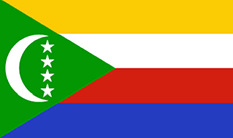
Moroni is the capital city of Comoros, Indian Ocean.
Comoros Country Profile


