

Country's codes
International phone code for Mozambique: +258
Standard EAN-13 (country barcode): -
 Olympic country code: MOZ

Mozambique: Top Attractions & Best Time to Visit
From pearl‑white Indian Ocean islands and coral reefs to soulful cities and wild national parks, Mozambique rewards travelers with nature, culture, and warm hospitality. Use this guide to pick the right season and the must‑see highlights across the coast and interior.
Why Visit Mozambique
Mozambique stretches along a dazzling coastline with palm‑fringed beaches, colorful reefs, and archipelagos where traditional dhow boats glide over clear lagoons. Inland, restored parks like Gorongosa teem with life, while historic towns showcase Swahili‑Portuguese heritage and distinctive cuisine rich in peri‑peri, coconut, and fresh seafood.
- World‑class island escapes and diving in the Bazaruto & Quirimbas Archipelagos.
- Wildlife returns to Gorongosa National Park—safaris with a conservation story.
- Historic Ilha de Moçambique and energetic Maputo for culture, music, and markets.
Maputo
A vibrant capital with art‑deco and colonial architecture, lively markets, seafood restaurants, and a growing contemporary art scene. Don’t miss the Central Market, FEIMA craft market, the Iron House (Gustave Eiffel’s design), and sunset on the Marginal.
Bazaruto Archipelago (Vilankulo)
Turquoise shallows, sweeping sandbanks, and protected reefs. Base in Vilankulo for day trips to Bazaruto or Benguerra islands. Expect snorkeling with colorful reefs, dugong sightings (rare), kayaking in calm lagoons, and postcard‑perfect dune walks.
Tofo & Barra (Inhambane)
A laid‑back beach hub famed for ocean megafauna. Between about November and March, plankton blooms can attract whale sharks and manta rays (sightings vary by year). Great surf, village vibes, and sunset dhow cruises add to the charm.
Gorongosa National Park
One of Africa’s great conservation stories. Go for lion, elephant, antelope herds, and rich birdlife; add waterfall hikes on Mount Gorongosa. Dry months offer easier wildlife viewing and smoother roads.
Ilha de Moçambique
A UNESCO‑listed island with coral‑stone architecture, atmospheric alleys, and centuries of Indian Ocean trade history. Visit Fort São Sebastião, local museums, and take a dhow to nearby sandbars.
Quirimbas Archipelago (Ibo, Matemo, Quirimba)
Remote and pristine, with powdery sands and mangrove channels. Sea‑kayaking, snorkeling, dhow sailing, and village life offer a slower, authentic rhythm. Logistics are more complex but the payoff is serenity.
Ponta do Ouro & Maputo Special Reserve
South near the South Africa border: beach breaks and seasonal turtle nesting (roughly Oct–Mar). Combine with Maputo Special Reserve for elephants, lagoons, and birdlife—4×4 recommended.
Lake Niassa (Lake Malawi) & Niassa Reserve
Crystal‑clear freshwater beaches along the lake and vast, little‑visited wilderness in Niassa Reserve. Ideal for off‑grid escapes, fishing, paddling, and birding. Plan carefully—facilities are limited.
Best Time to Visit Mozambique
- Sunniest weather, lower humidity, and calmer seas—excellent visibility for snorkeling & diving.
- Ideal for island time (Bazaruto, Quirimbas), coastal road trips, and Gorongosa safaris.
- Humpback whales migrate along the coast roughly June–October; peak varies by region.
If you’re prioritizing calm seas and clear water, aim for June–October. For big‑animal ocean encounters, late spring to summer (roughly Nov–Mar) can be rewarding—but carry flexibility for weather and visibility.
Getting Around
Distances are long and roads can be rough outside major corridors. For islands, combine domestic flights, boat transfers, and 4×4. Always plan buffer time for weather on coastal/archipelago legs.
Money & Connectivity
ATMs and card acceptance are best in cities/resorts; bring cash (MZN) for smaller towns and islands. Local SIMs are affordable; coverage drops in remote areas—download offline maps and e‑tickets.
Cultural Etiquette
Greet with a friendly “Bom dia/Boa tarde.” Dress modestly away from beaches and ask before photographing people. Bargaining is common in markets—keep it light‑hearted and respectful.
Food to Try
Grilled prawns, matapa (cassava leaves with coconut), peri‑peri chicken, and bolo polana. Coastal towns excel in fresh seafood—pair with local cashew snacks and tropical fruits.
Fit‑to‑Travel Notes
Ocean activities: follow local guidance on currents and marine life. Consider seasickness meds for choppy crossings. In rural areas, bring a small first‑aid kit and any personal prescriptions. Use repellent and long sleeves at dusk.
Suggested 8–10 Day Outline
- Day 1: Arrive Maputo — city walk, seafood dinner on the Marginal.
- Day 2–3: Fly to Vilankulo — Bazaruto sandbanks, snorkeling, dhow at sunset.
- Day 4–5: Tofo — ocean safari for whale sharks/mantas (seasonal), beach time.
- Day 6–7: Gorongosa — game drives, birding, Mount Gorongosa hike.
- Day 8–10 (extend): Ilha de Moçambique or Quirimbas for heritage or remote islands.
Quick FAQs
How many days do I need? 8–10 days covers a city + beach + park; 12–14 for both Bazaruto and Quirimbas.
When is diving best? Generally May–November for calm seas and visibility; megafauna sightings vary by season.
Is tap water safe? Stick to bottled or filtered water, especially on islands and in smaller towns.
What plug do I need? Type C/F/M (220V). A universal adapter is handy.
Ready for turquoise lagoons and wild savannas? Time your trip for the dry season if you want clear seas and easy logistics, or visit in the green season for quieter shores—then mix islands, wildlife, and culture for the perfect Mozambique journey.
Useful country information
Total area: 309,494 sq mi (801,590 sq km)
Population (2022 est.): 32.16 million
Capital and largest city (2022 est.): Maputo, 1,122,000
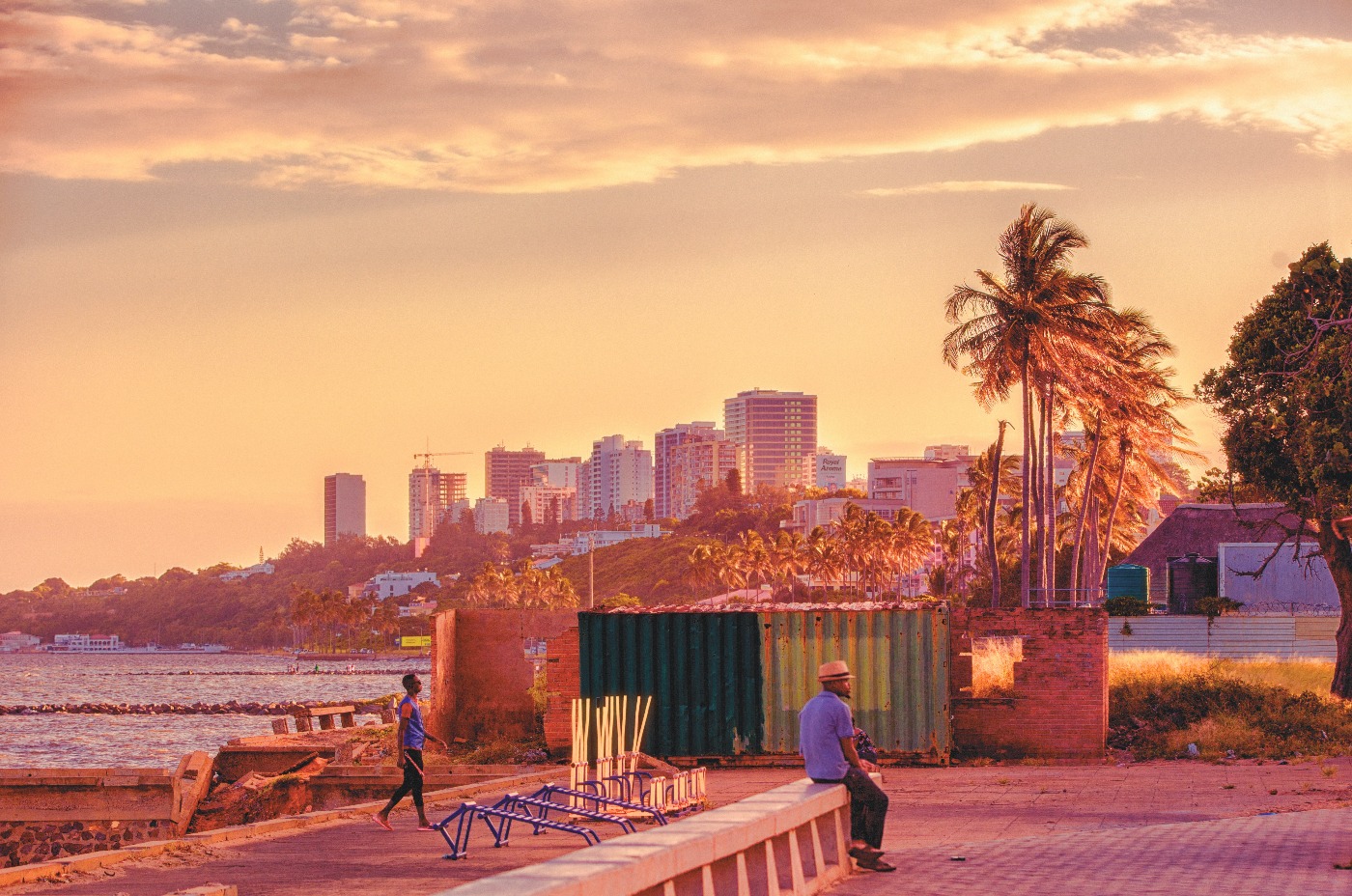
Maputo: Capital City Profile
Monetary unit: Metical
National name: Repblica de Moambique
Languages: Emakhuwa 25.3%, Portuguese (official) 10.7%, Xichangana 10.3%, Cisena 7.5%, Elomwe 7%, Echuwabo 5.1%, other Mozambican languages 30.1%, other 4% (1997 census)
Ethnicity/race: African 99.66% (Makhuwa, Tsonga, Lomwe, Sena, and others), Europeans 0.06%, Euro-Africans 0.2%, Indians 0.08%
Religions: Catholic 28.4%, Protestant 27.7% (Zionist Christian 15.5%, Evangelical Pentecostal 10.9%, Anglican 1.3%), Muslim 17.9%, other 7.2%, none 18.7% (1997 census)
National Holiday: Independence Day, June 25

Background:
2022 stretches along Africa's southeast coast. It is nearly twice the size of California. Tanzania is to the north; Malawi, Zambia, and Zimbabwe to the west; and South Africa and Swaziland to the south.
Almost five centuries as a Portuguese colony came to a close with independence in 1975. Large-scale emigration by whites, economic dependence on South Africa, a severe drought, and a prolonged civil war hindered the country's development. The ruling party formally abandoned Marxism in 1989, and a new constitution the following year provided for multiparty elections and a free market economy. A UN-negotiated peace agreement with rebel forces ended the fighting in 1992.
Country Map
COUNTRY MAP WITH STATES/PROVINCES BOUNDARIES CLICK HERE

Source of Information:


