

Country's codes
International phone code for Myanmar: +95
3 letters: MMR
2 letters (internet domain): .MM
Digital country code: 104
Standard EAN-13 (country barcode): Not assigned
 Olympic country code: MYA

Myanmar: Top Attractions & Best Time to Visit
A land of golden temples, misty mountains, serene lakes, and ancient kingdoms, Myanmar offers one of Southeast Asia’s most atmospheric and culturally rich travel experiences. Discover its timeless charm, sacred sites, and lush landscapes through this essential guide.
Why Visit Myanmar
Myanmar remains one of Asia’s most atmospheric destinations, offering a unique blend of spirituality, history, and natural beauty. From thousands of ancient pagodas scattered across the plains of Bagan to the tranquil waters of Inle Lake and the colonial charm of Yangon, the country captivates with authenticity and cultural depth.
- Timeless landscapes dotted with golden temples and ancient ruins.
- Rich Buddhist traditions, warm hospitality, and flavorful cuisine.
- Diverse natural beauty—from lakes and forests to mountains and islands.
Bagan Archaeological Zone
A UNESCO World Heritage Site with over 2,000 surviving temples and pagodas. Explore by e‑bike, horse cart, or hot‑air balloon at sunrise for unforgettable views across the plains.
Inle Lake
Known for floating gardens, leg‑rowing fishermen, and peaceful waterside villages. Take a boat tour, visit local markets, and watch artisans craft silver, lotus fiber textiles, and cigars.
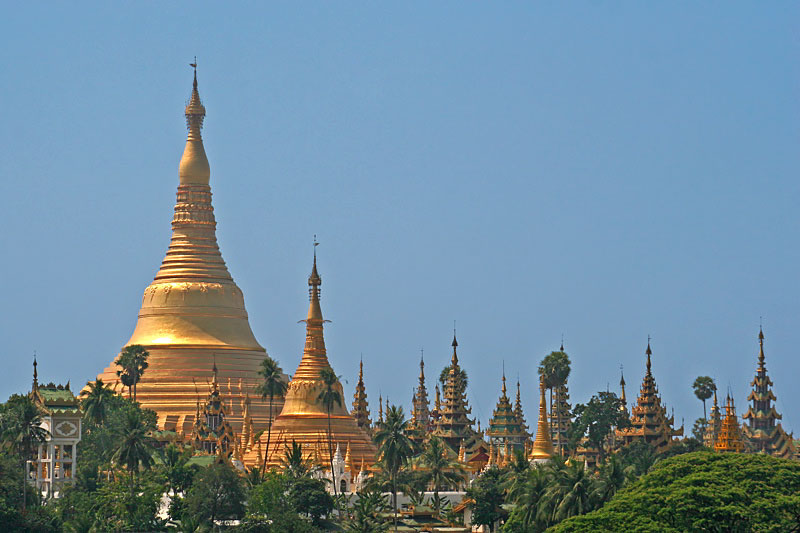
Yangon & Shwedagon Pagoda
Yangon blends colonial architecture with bustling markets and spiritual sites. Shwedagon Pagoda—gleaming in gold—is one of the most sacred Buddhist monuments in the world.
Mandalay
The cultural heart of Myanmar—home to royal palaces, monasteries, craft workshops, and the famous U Bein Bridge, the world’s longest teak footbridge.
Ngapali Beach
A stunning stretch of soft white sand and turquoise water. Perfect for unwinding, snorkeling, and fresh seafood. One of Southeast Asia’s most peaceful beach escapes.
Hsipaw & Shan Highlands
A gateway to trekking through tea plantations, hill tribe villages, and scenic ravines. Ideal for travelers who enjoy nature and light adventure.
Kyaiktiyo (Golden Rock)
A sacred pilgrimage site featuring a boulder covered in gold leaf, perched miraculously on a cliff edge. Best visited at sunrise or sunset.
Myeik Archipelago
Hundreds of pristine islands with white‑sand beaches and coral reefs. Still largely untouched—ideal for eco‑travelers, divers, and sailing trips.
Best Time to Visit Myanmar
- Pleasant weather across most regions.
- Ideal for temple visits, trekking, and sightseeing.
- Best time for beach destinations like Ngapali.
For comfort, scenery, and cultural exploration, November to February offers the best all‑round experience.
Getting Around
Domestic flights are the fastest between major destinations. Trains and buses offer scenic routes, but schedules can be slow—so plan extra time.
Food & Cuisine
Try mohinga (noodle soup), tea‑leaf salad, coconut curries, and fresh seafood. Markets and tea shops offer some of the country’s most authentic flavors.
Culture & Etiquette
Dress modestly at religious sites. Remove shoes before entering pagoda areas. A gentle, quiet demeanor is highly appreciated in Burmese culture.
Where to Stay
Inle Lake offers lakeside eco‑lodges; Bagan has boutique hotels near temples; Yangon offers a mix of colonial-style hotels and modern options.
Fit‑to‑Travel Notes
For trekking regions, pack good footwear and layers. At temples, bring socks to avoid walking barefoot on hot stone. Follow local guidance when visiting rural or remote regions.
Quick FAQs
How many days do I need? 7–10 days for the main highlights; 14+ including islands.
Do people speak English? Basic English is common in tourist areas.
Is Myanmar safe? Most main tourist zones are safe; always follow local updates.
Can I use cards? Cash is preferred; ATMs are available in major towns.
Myanmar offers one of the most rewarding cultural and scenic journeys in Southeast Asia. Plan your visit during the dry season and combine temples, lakes, mountains, and beaches for a rich and unforgettable experience.
Useful country information
Total area: 261,969 q mi (678,500 sq km)
Population 54.81 million
Capitalcity (2022 est.): Naypyidaw is the official capital with a population of 924,608, however, Yangon is the de facto capital city of Myanmar. The city has a population of 5.422 million people.
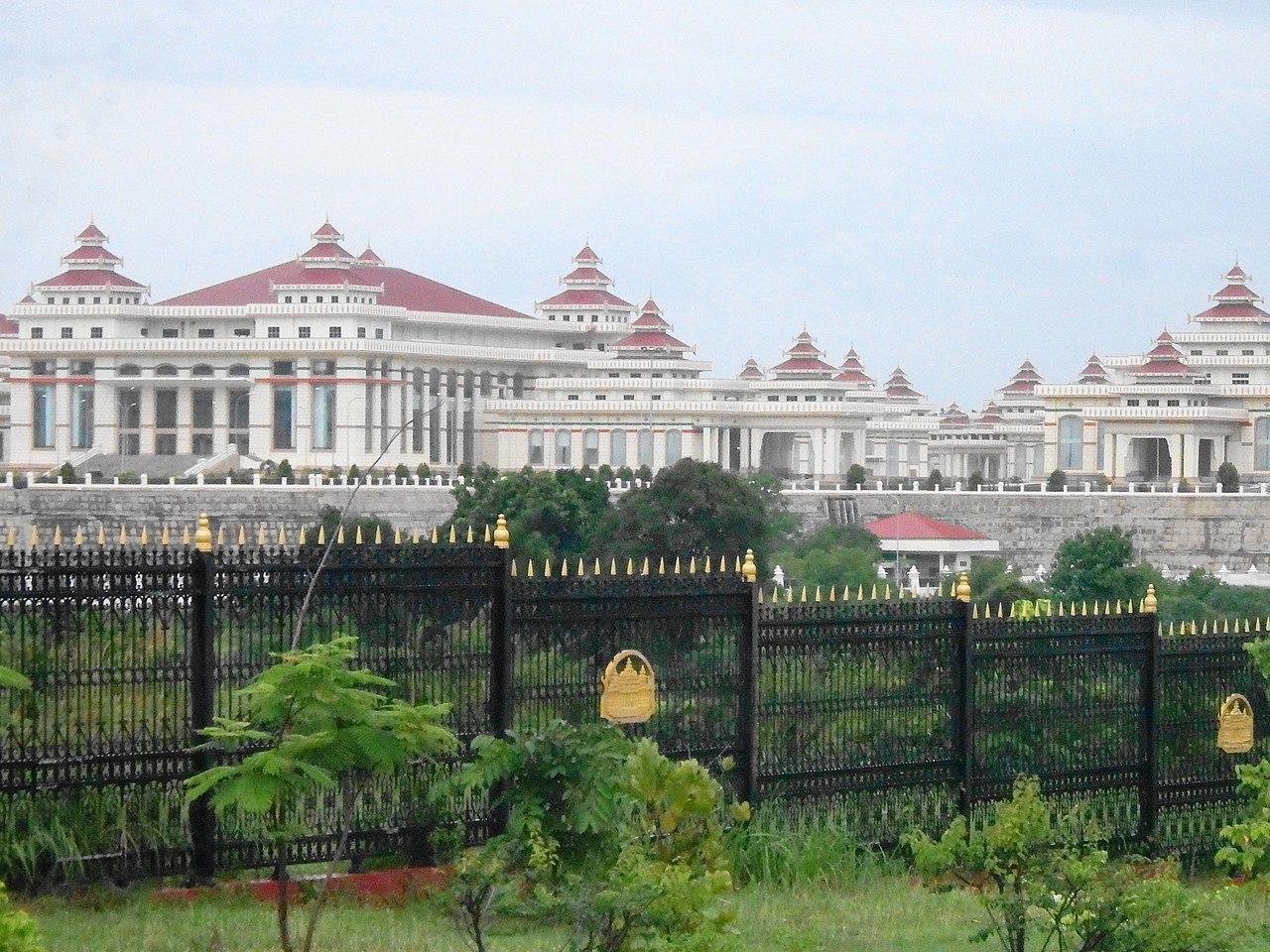
Other large cities: Mandalay, 1.063 million
Monetary unit: Kyat
National name: Pyidaungsu Myanmar Naingngandau
Languages: Burmese, minority languages
Ethnicity/race: Burman 68%, Shan 9%, Karen 7%, Rakhine 4%, Chinese 3%, Mon 2%, Indian 2%, other 5%
Religions: Buddhist 89%, Christian 4% (Baptist 3%, Roman Catholic 1%), Islam 4%, Animist 1%, other 2%

Background
Myanmar, formerly known as Burma, is located in Southeast Asia on the western edge of the Indochinese Peninsula. It shares borders with Bangladesh and India to the west and northwest, China to the north and northeast, and Laos and Thailand to the east. The country is renowned for its rich cultural heritage, diverse ethnic communities, ancient temples, and scenic landscapes.
The region has been inhabited for thousands of years and has been shaped by successive waves of migration and powerful kingdoms. Burmese civilization emerged through the blending of indigenous peoples with groups arriving from neighboring regions. In 1886, Burma became part of the British Empire and was administered as a province of British India. During World War II, the country became a major battleground between Allied and Japanese forces. Following years of political change and growing nationalist movements, Burma achieved independence from the United Kingdom on 4 January 1948.
Since independence, Myanmar has experienced periods of civilian rule, military governance, and political reform. The country held general elections in November 2020, after which a military takeover occurred in February 2021, leading to widespread protests and ongoing political challenges. Despite these difficulties, Myanmar remains a fascinating destination known for its historic cities, Buddhist monuments, traditional culture, and the warm hospitality of its people.


COUNTRIES OF THE WORLD
Read more!
Source of Information:


