

Country's codes
International phone code for Niger: +227
3 letters: NER2 letters: (internet domain): .ne
digital country code: 227
 Olympic country code: NIG

Niger Travel Guide: Top Attractions & Best Time to Visit
Niger is where the Sahara unfurls in grand dunes, ancient trade towns keep Sahelian rhythms, and the Niger River nurtures oases of culture and wildlife. Plan your route through desert, river, and savanna with the right season in mind.
Top Attractions in Niger
Agadez – Gateway to the Sahara
A storied caravan city with mud‑brick architecture and a striking Grand Mosque minaret. Wander the old quarter’s alleys, silver‑smith souks, and Tuareg craft ateliers.
Aïr Mountains & Ténéré Desert
Granite massifs rise from golden seas of sand. Multi‑day 4×4 expeditions reveal rock arches, gueltas (desert waterholes), prehistoric rock art, and nomadic encampments beneath star‑packed skies.
Niamey & the Niger River
The riverside capital blends Sahelian markets with leafy river islands. Sunset pirogue rides, craft markets, and seasonal sandbanks offer a relaxed counterpoint to the desert.
W National Park (W–Arly–Pendjari Complex)
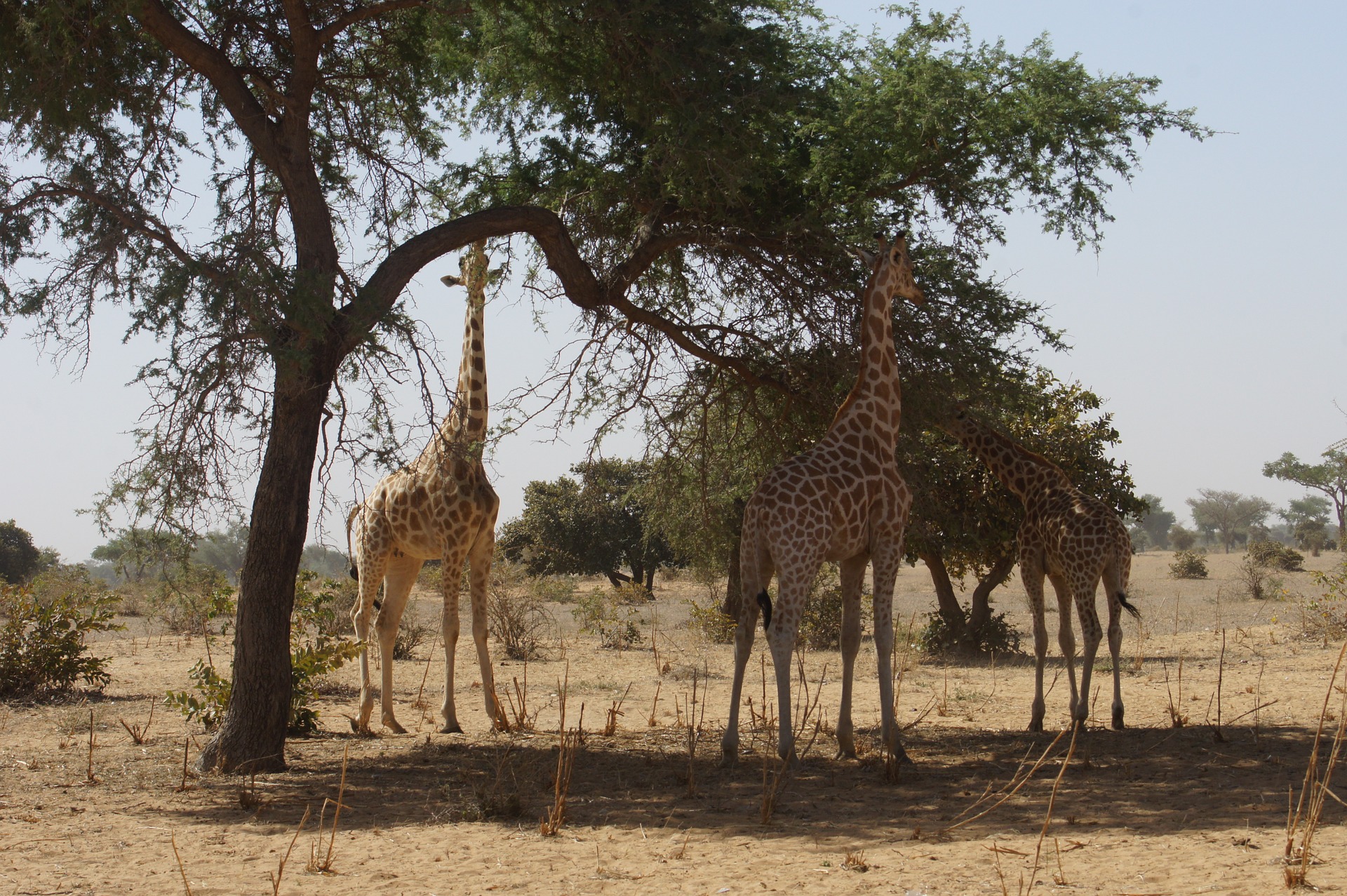
Part of a vast transboundary reserve with savanna, gallery forest, and wildlife like antelope, hippos, and diverse birdlife. Best explored with trained guides and during the dry season.
Zinder
Historic palaces and earth‑toned quarters reflect centuries of Saharan trade. The old city’s winding lanes reveal courtyards, carved doors, and local textile traditions.
Timia Oasis & Desert Oases
Date palms, citrus groves, and clear pools create a striking contrast to surrounding dunes. Villages welcome travelers with tea, seasonal fruit, and views of terraced gardens.
Prehistoric & Cultural Sites
Discover rock engravings and paintings across the Aïr & Ténéré region, and learn about Tuareg and Hausa craftsmanship—from indigo dyes to intricate silverwork.
Desert Festivals (Seasonal)
Seasonal gatherings celebrate nomadic culture with music, camel races, and traditional dress. Dates vary year to year and by region—check locally before you go.
Best Time to Visit Niger
Niger has a hot, dry Saharan climate for much of the year. The most comfortable window is the cool dry season (Nov–Feb). Heat builds from March–June, and a short rainy season typically arrives June–September with regional variation.
Cool Dry (November–February)
- Why go: Pleasant daytime temperatures for desert trips and city walks.
- Ideal for: Aïr & Ténéré expeditions, Agadez heritage, Niamey river evenings, W Park safaris.
- Note: Harmattan winds can bring dusty skies—beautiful soft light, cooler nights.
Hot Season (March–June)
- Why go: Clearer skies for star‑gazing; fewer visitors.
- Consider: Intense heat limits midday activity—plan dawn/dusk outings.
- Health: Hydration, electrolytes, and sun protection are essential.
Rainy/Green Season (June–September)
- Why go: Sahel greens up; birdlife and river scenery improve.
- Consider: Some tracks become muddy; sporadic storms and travel delays are possible.
- Best for: River landscapes, culture‑focused trips with flexible plans.
Practical Planning Tips
Getting Around
Distances are large; plan point‑to‑point overland segments with a driver/guide or reliable 4×4. Domestic flights may be limited—build in buffer days for desert routes.
Desert Travel
Travel in small convoys for remote tracks, share itineraries with your operator, and carry navigation backups (GPS + paper maps) and a satellite communicator where possible.
What to Pack
Breathable long sleeves, wide‑brim hat, scarf or buff (dust), strong sunscreen, electrolytes, sturdy closed shoes, headlamp, and a warm layer for nights.
Culture & Etiquette
Dress modestly, greet people respectfully, and ask before photographing. Buying directly from artisans supports communities and preserves traditional crafts.
Suggested Itineraries
6–7 Days – Desert & Agadez
- Day 1: Arrive Agadez, old quarter walk & sunset over the minaret
- Day 2–3: Aïr foothills – rock formations, petroglyphs, oasis stops
- Day 4–5: Ténéré dunes camp – star‑gazing & Tuareg tea ceremony
- Day 6–7: Return via Timia Oasis; crafts and date gardens
8–10 Days – River & Savannah
- Day 1–2: Niamey markets & Niger River sunset cruise
- Day 3–5: W National Park game drives & birding
- Day 6–7: Zinder historical quarters & palaces
- Day 8–10: Return to Niamey via countryside villages
12–14 Days – Grand Sahara Loop
- Niamey → flight/drive to Agadez (city & crafts)
- Aïr Mountains & Ténéré (multi‑day bivouac)
- Timia/Iférouane oases → back to Agadez
- Niamey & W Park extension before departure
Plan Your Niger Trip. Use the App!
Useful country information
Land area: 1,270,000 km2 (490,000 sq mi).
Population (2022): 25.13 million
Capital city: Niamey (1,336,000)

Niamey: Capital City Profile
Monetary unit: West African CFA franc
Language: The official languages are French and Arabic. Other languages are Hausa (by half of the population), Djerma, Fulani, Manga, and Tuareg dialects.
Ethnicity/race: The largest ethnic groups in Niger are the Hausa. The Fulani are another important nomadic group. Niger is also home to Kanuri, Gurma, Tabu, and Arab minorities.
National Holiday: August 3 - Nigerien Independence Day. Cure Salee is the largest traditional festival celebrated in the third week of September.
Religion: More than 98 percent of the population is Muslim with the vast majority being Sunni. Less than 1 percent are Shia. Roman Catholics, Protestants, and other religious groups account for less than 2 percent of the population.

Background:
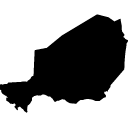
Niger is a landlocked country in West Africa. It is a unitary state bordered by Libya to the northeast, Chad to the east, Nigeria to the south, Benin and Burkina Faso to the southwest, Mali to the west, and Algeria to the northwest.

Source of Information:


