

Pago Pago
Known as one of the most beautiful natural harbours in the world, Pago Pago is the captivating capital of American Samoa — a remote South Pacific paradise of dramatic volcanic mountains, pristine coral reefs, ancient Samoan culture, lush tropical rainforests, and one of the last truly unspoiled island destinations in Polynesia.
City at a Glance
About Pago Pago
Pago Pago (pronounced "Pango Pango") is the capital and largest settlement of American Samoa, a US unincorporated territory located in the heart of the South Pacific Ocean, approximately 2,600 km northeast of New Zealand. The city sits on the south coast of Tutuila Island, wrapped around one of the most spectacular natural deep-water harbours on earth — a dramatic flooded volcanic caldera ringed by cloud-draped mountains that rise almost vertically from the glittering water. This extraordinary harbour made Pago Pago strategically vital throughout history, serving as a major US Navy base and coaling station from the late 19th century.
Despite its small population, Pago Pago carries enormous cultural and natural significance. The fa'a Samoa — the Samoan way of life — remains strong here, with traditional village structures, ceremonial customs, and communal values forming the backbone of daily life. American Samoa is home to the only national park in the US National Park System located in the Southern Hemisphere, covering dramatic rainforest, pristine coral reefs, and nesting grounds of the rare Pacific golden plover. For travellers seeking an off-the-beaten-track Pacific experience, Pago Pago offers an authenticity that the more heavily touristed islands of the Pacific can no longer provide.
Best Time to Visit & Weather
Dry Season Best Time
May – October. The best time to visit American Samoa. Trade winds bring drier, cooler conditions — temperatures hover around 27–29 °C (80–84 °F) with lower humidity. Rainfall is significantly reduced, skies are clearer, and the ocean is at its calmest for snorkelling, diving, and boat trips. Tourism is at its most manageable.
Wet Season
November – April. American Samoa's wet season brings heavy tropical rainfall, high humidity, and the risk of tropical cyclones (December–March). Temperatures remain warm (28–32 °C). The island is dramatically lush and green, waterfalls run full, and accommodation is cheaper. Travel insurance with cyclone cover is strongly recommended.
Diving & Snorkelling Season
May – September. The dry season coincides with the finest conditions for exploring American Samoa's outstanding coral reefs. Water visibility is at its best, seas are calm, and humpback whale migrations pass through these waters between July and September — offering remarkable whale watching opportunities.
Whale Season Special
July – September. Humpback whales migrate through Samoan waters between July and September, and sightings from both shore and boat are genuinely common during these months. A rare and unforgettable wildlife experience that draws nature-focused travellers from around the world.
- American Samoa is one of the world's most remote destinations — direct flights connect only via Honolulu (Hawaii) and Auckland (New Zealand). Plan ahead and book early.
- US citizens do not need a passport to enter American Samoa — a government-issued photo ID is sufficient. International visitors need a valid passport.
- The island is extremely wet by global standards — Pago Pago averages over 5,000 mm (197 inches) of rainfall per year, making it one of the wettest capitals in the world. Pack a good rain jacket year-round.
- Fa'a Samoa customs are taken seriously — dress modestly when visiting villages, ask permission before photographing people, and observe Sunday as a day of rest and church.
- American Samoa is UTC-11 — one of the last time zones on earth to enter a new day. The territory sits just east of the International Date Line.
Top Attractions
Pago Pago Harbour
One of the most beautiful natural harbours on earth — a drowned volcanic caldera enclosed by sheer jungle-clad peaks that rise almost vertically from the water's edge. The harbour has sheltered ships since ancient Polynesian voyaging canoes first landed here. Watch the fishing fleet return at sunrise and the dramatic cloud formations swirl around the surrounding ridgelines.
National Park of American Samoa
The only US National Park in the Southern Hemisphere, covering 13,500 acres of pristine tropical rainforest, dramatic volcanic ridges, and spectacular coral reefs across three islands (Tutuila, Ofu, and Ta'ū). Home to flying foxes, rare tropical birds, sea turtles, and extraordinary coral biodiversity. Hiking trails, reef snorkelling, and cultural programmes are all available.
Mount Alava & Cable Car
The Mount Alava aerial tramway — one of the world's longest single-span cable cars — connects Pago Pago to the summit of Mount Alava (491 m), offering jaw-dropping panoramic views of the harbour, surrounding peaks, and vast Pacific Ocean. The summit marks the start of the spectacular National Park ridge trail to Vatia village.
Fagatele Bay National Marine Sanctuary
A protected marine sanctuary within an ancient submerged volcanic crater on the southwestern tip of Tutuila. One of the finest coral reef ecosystems in the entire US Pacific — snorkellers and divers encounter sea turtles, sharks, eagle rays, and extraordinary coral formations. Access is by guided boat from Pago Pago.
Jean P. Haydon Museum
American Samoa's national museum, housed in a building dating to the US Naval Administration era (1900s). Permanent exhibits cover Samoan archaeology, traditional tattoo art (pe'a), weaving, woodcarving, and the history of the US Navy's presence on the island. An excellent introduction to fa'a Samoa culture and island history. Free entry.
Ofu Beach
Consistently rated one of the most beautiful and pristine beaches in the entire Pacific, Ofu Beach on the remote Manu'a Islands is a 3-km stretch of white sand fronted by a spectacular living coral reef in crystal-clear water. Accessible only by small inter-island flight from Pago Pago — an unforgettable experience for those who make the extra effort.
Faleolo (Traditional Samoan Meeting House)
Traditional open-sided fale (meeting houses) are the heart of Samoan village life and can be found throughout Tutuila island. Visitors who respectfully engage with local communities may be invited to witness or participate in kava ceremonies, traditional dance (siva), and weaving demonstrations — a rare and genuine cultural experience.
Two Dollar Beach & Utulei Beach
Two Dollar Beach (named after its modest entry fee) is Tutuila's most accessible and popular local swimming beach — calm, sheltered, and ideal for families. Utulei Beach on Pago Pago harbour is the main town beach, popular for evening strolls as the setting sun lights up the harbour mountains in spectacular golden tones.
Day Trip Itineraries
Day 1 — Harbour, History & Mountain Views
- 7:00 AM – Pago Pago Harbour at sunrise — Begin with a walk along the harbour waterfront as the fishing fleet returns and the morning mist lifts from the surrounding peaks. One of the most atmospheric harbour scenes in the Pacific.
- 9:00 AM – Jean P. Haydon Museum — Free entry. Spend an hour exploring Samoan cultural history, traditional tattooing, weaving, and the US Navy era. A compact but rewarding introduction to the island's layered past.
- 10:30 AM – Mount Alava cable car — Take the spectacular aerial tramway up to the summit for sweeping 360-degree views of Pago Pago harbour and the surrounding mountains. Allow 2 hours including the ridge walk.
- 1:00 PM – Local lunch at Sadie's by the Sea — Fresh Pacific seafood and local plates at Pago Pago's most popular waterfront restaurant, with views directly over the harbour.
- 3:00 PM – Two Dollar Beach swim — Spend the afternoon at this popular sheltered beach on the north coast. Excellent swimming, snorkelling from the beach, and a classic South Pacific afternoon.
- 6:30 PM – Utulei sunset walk — Return to the harbour for a golden-hour stroll along Utulei Beach as the sun sets behind the volcanic peaks surrounding the bay.
Day 2 — National Park, Reef & Village Culture
- 7:30 AM – National Park Visitor Center — Start at the National Park headquarters on the harbour for maps, trail briefings, and cultural exhibits. Rangers can advise on current trail conditions and cultural protocol for village visits.
- 9:00 AM – Vatia Village rainforest hike — Take the spectacular Mount Alava ridge trail through old-growth tropical rainforest to the traditional village of Vatia on the north coast — one of the most scenic hikes in American Samoa. Allow 3–4 hours round trip.
- 1:30 PM – Village lunch & cultural experience — Ask at the Vatia village fale (meeting house) about a simple local meal — village families occasionally host visitors for traditional Samoan food (palusami, chop suey, taro) with genuine warmth.
- 3:30 PM – Fagatele Bay snorkelling — Take an afternoon guided boat trip to the marine sanctuary for snorkelling over pristine coral — sea turtles, reef sharks, and vivid tropical fish in remarkably clear water.
- 6:00 PM – Kava ceremony (if invited) — If staying with a local host or visiting through a cultural programme, a kava ceremony is the most profound introduction to fa'a Samoa. Participate respectfully and follow the lead of your hosts.
- 8:00 PM – Dinner at DDW Restaurant — One of Pago Pago's most reliable restaurants for a relaxed evening meal of Pacific fish, Samoan staples, and cold Vailima beer.
Local Food & Dining
Samoan cuisine is hearty, communal, and built around the ocean and the island's fertile volcanic soil. Meals are generous and social — food is central to Samoan hospitality and ceremony. While dining options in Pago Pago are limited compared to larger Pacific capitals, the quality of fresh local seafood and traditional dishes is outstanding, and the experience of eating in a Samoan family setting is one of the highlights of any visit.
Must-Try Samoan Foods
- Palusami — Young taro leaves stuffed with coconut cream and onion, wrapped in banana leaves and slow-baked in an earth oven (umu). Rich, creamy, and deeply flavourful — the quintessential Samoan dish and the first thing any visitor should eat.
- Umu (Earth Oven Feast) — The traditional Samoan method of cooking — whole meats, root vegetables, breadfruit, and palusami slow-cooked over hot volcanic stones sealed under banana leaves. Sunday umu after church is a sacred weekly ritual throughout the islands.
- Oka (Raw Fish Salad) — Fresh Pacific tuna or wahoo marinated in fresh lime juice, coconut cream, chilli, and diced vegetables — Samoa's answer to ceviche. Incredibly fresh, light, and addictive — a staple of every local gathering.
- Taro & Breadfruit — The two most important starchy staples of the Samoan diet — both baked, boiled, or roasted. Taro has a rich, earthy flavour while breadfruit (when ripe) is subtly sweet. Both are served with almost every traditional meal.
- Povi Masima (Salt Beef) — Corned beef or salt beef slow-cooked with taro leaves and coconut cream — a beloved comfort dish introduced during the 19th century that has become thoroughly absorbed into traditional Samoan cooking.
- Vailima Beer — The beloved Samoan lager, originally from neighbouring Samoa (Independent State) and widely available throughout American Samoa. Cold, refreshing, and the social lubricant of Pacific island life — best enjoyed with fresh grilled fish and the sound of breaking waves.
Sadie's by the Sea
Pago Pago's most celebrated waterfront restaurant and hotel, with direct views over the harbour. Fresh Pacific seafood, local Samoan dishes, and American-style grills in a relaxed open-air setting. The most popular dining spot for both visitors and the local professional community. Reservations recommended for dinner.
DDW Restaurant
A reliable and popular local restaurant serving a mix of Samoan, Asian, and American dishes in a casual, welcoming setting. Known for fresh fish plates, chop suey, and generous portions at honest prices. One of the most consistently recommended eating spots among Pago Pago residents.
Pago Pago Market
The central market on the harbour is the best place to taste authentic Samoan street food — steamed taro, fresh coconut, baked breadfruit, palusami, and homemade Samoan cocoa (koko Samoa). A lively, sociable morning experience that gives a genuine taste of daily Pago Pago life.
Tradewinds Hotel Restaurant
One of Pago Pago's most comfortable hotel dining rooms, serving a broad menu of Pacific and international cuisine. A popular choice for business travellers and families visiting the island. The open terrace overlooks lush tropical gardens and offers a relaxed atmosphere for breakfast and dinner.
- Pago Pago has a limited number of restaurants — self-catering visitors should stock up at the Sadie's supermarket or the main harbour market for supplies.
- Sunday is a day of rest and church in American Samoa — many businesses and restaurants are closed. Plan meals accordingly and respect the quiet observance of Sunday.
- The tuna canning industry dominates American Samoa's economy — canned tuna is locally produced and exceptionally cheap. Buy a few cans to take home as an unusual souvenir.
- If invited to eat with a local family — always accept. Samoan hospitality is extraordinary, and sharing a home-cooked umu meal is the most authentic cultural experience the island can offer.
- Fresh tropical fruit — papaya, mango, coconut, bananas — is available cheaply at the market and from roadside stalls throughout the island.
Entry Requirements
Pago Pago is in American Samoa, a US unincorporated territory. US citizens may enter with a government-issued photo ID. Most other nationalities require a valid passport and may need to arrange entry documents in advance. American Samoa Entry Info List of e-Visa Countries
Important Emergency Numbers
Find Flights to Pago Pago
Pago Pago Airport Code: PPG — Pago Pago International Airport
Cities with IATA Airport CodesCurrency: US Dollar (USD)
Currencies of the WorldPago Pago Streets Map
Book the Best Tours
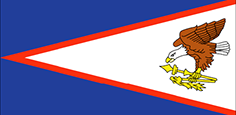
Pago Pago is the capital city of American Samoa, South Pacific.
American Samoa Country Profile


