
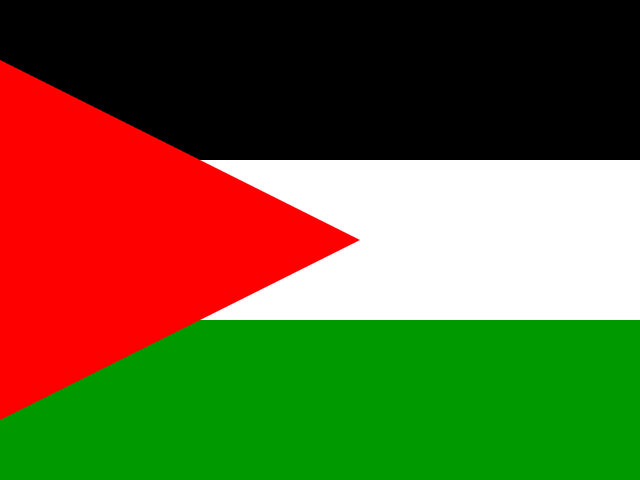
Country's codes
International phone code for Palestinian Territories: +970
3 letters: PSE
2 letters (internet domain): .PS
Digital country code: 275
Standard EAN-13 (country barcode): 625
 Olympic country code: PLE
🇵🇸 Palestinian Territories Travel Guide
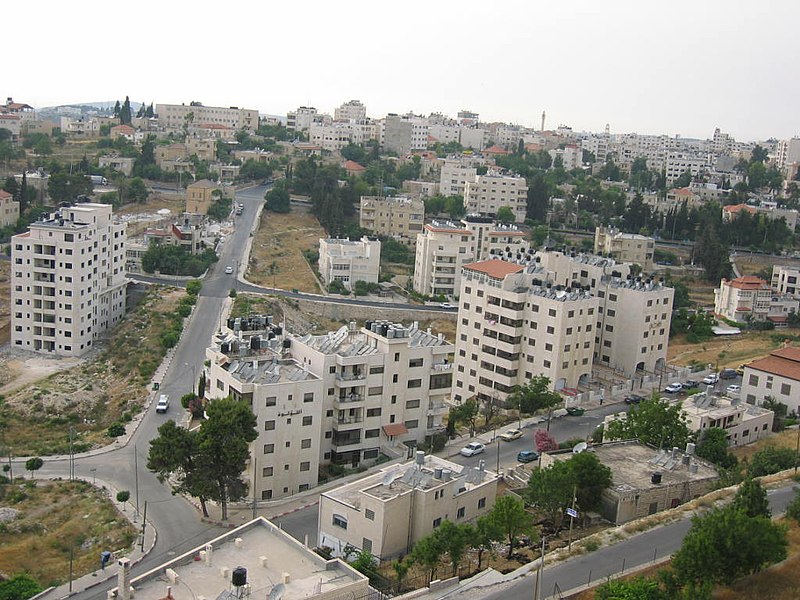
Few places on Earth carry the weight of history so visibly. The Palestinian Territories are home to Jericho — the world's oldest continuously inhabited city — the Church of the Nativity in Bethlehem, the ancient souks of Nablus, and some of the most generous hospitality in the Arab world. Visitors who make the journey discover a living culture of extraordinary warmth, world-renowned embroidery and craftsmanship, and landscapes of olive groves and limestone hills unchanged in their essence for thousands of years.
Top Attractions in Palestinian Territories
⛪ Church of the Nativity, Bethlehem
A UNESCO World Heritage Site and one of Christianity's holiest places, built over the traditional birthplace of Jesus Christ — the oldest continuously operating church in the world.
🏛️ Jericho — World's Oldest City
Dating back over 10,000 years, Jericho offers the ancient Tel es-Sultan archaeological site, the Mount of Temptation monastery, and lush citrus groves in the Jordan Valley.
🕌 Old City of Nablus
A captivating ancient city famous for its Ottoman-era soap factories, the Great Mosque, the Samaritan community on Mount Gerizim, and the legendary knafeh pastry.
🌿 Ramallah & Bireh
The vibrant cultural and administrative hub of the West Bank, with a thriving arts scene, lively restaurants, the Yasser Arafat Museum, and a surprisingly cosmopolitan atmosphere.
Best Places to Visit
- ⛪ Bethlehem – The birthplace of Jesus, with the Church of the Nativity, Manger Square, the Milk Grotto, and Banksy's Walled Off Hotel overlooking the separation barrier.
- 🏺 Jericho – The world's oldest city, with Hisham's Palace mosaics, the ancient tel, a cable car to the Mount of Temptation, and refreshing citrus markets.
- 🫒 Nablus – Ancient soap markets, Ottoman hammams, the Samaritan community, and the best knafeh in the world at its famous pastry shops.
- 🎨 Ramallah – The cultural capital with galleries, restaurants, the Khalil Sakakini Cultural Centre, and a palpable creative energy born of resilience.
- 🕌 Hebron (Al-Khalil) – Home to the Ibrahimi Mosque / Cave of Machpelah, one of the holiest sites in Islam and Judaism, set in a dramatically divided old city.
Things to Do in Palestinian Territories
- Attend Christmas Eve midnight mass at the Church of the Nativity in Bethlehem — one of the most atmospheric religious gatherings in the world.
- Visit an olive oil press during the October–November harvest season and participate in one of the region's oldest agricultural traditions.
- Explore Hisham's Palace near Jericho, whose 8th-century Umayyad mosaic floor is considered one of the finest surviving examples of early Islamic art.
- Walk the streets of Nablus old city, visit a traditional soap factory, and bathe in an Ottoman hammam still in daily use.
- Discover Palestinian embroidery (tatreez) — a UNESCO-recognised craft tradition — at cooperatives in Ramallah and Bethlehem that support local artisans.
Travel Tips for Visitors
- 🌤️ Spring (March–May) and autumn (September–November) offer the most pleasant temperatures for exploring; summers are hot and dry, winters mild with occasional rain.
- 🛂 Access to the West Bank is through Israeli checkpoints — keep your passport accessible at all times and budget extra travel time between cities.
- 💵 Israeli New Shekels are the most widely used currency; Jordanian Dinars are accepted in some areas near the Jordan Valley. US Dollars also widely accepted.
- 👗 Dress modestly when visiting mosques, churches, and religious sites — cover shoulders and knees, and women should carry a headscarf for mosque visits.
📌 Useful Country Information
Quick Facts
Total area: 2,263 sq mi (5,860 sq km) — West Bank: 2,183 sq mi; Gaza Strip: 139 sq mi
Population (2023 est.): ~5.4 million (West Bank ~3.1M; Gaza ~2.3M)
Capital: Ramallah (administrative); East Jerusalem (declared capital)
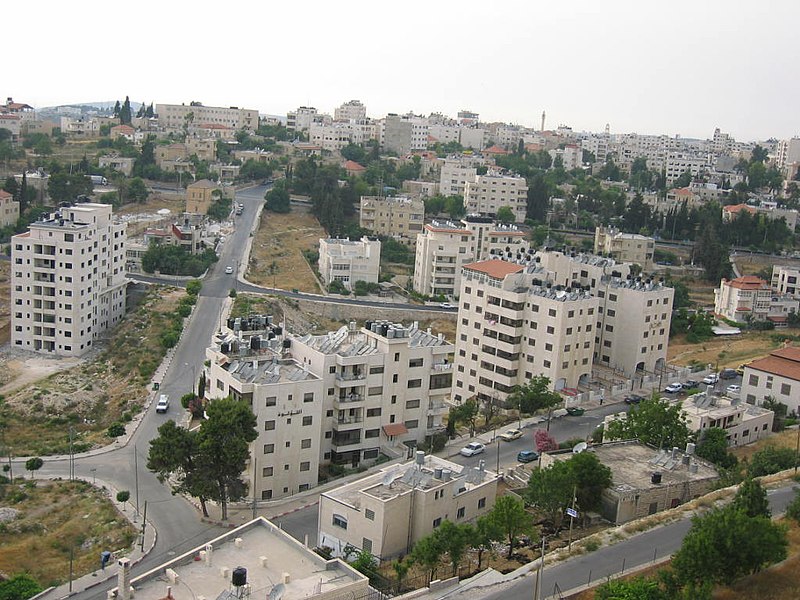
🇵🇸 Ramallah: Capital City Profile
Other major cities: Bethlehem, Nablus, Hebron, Jericho, Jenin, Gaza City
Currency: Israeli New Shekel (ILS); Jordanian Dinar (JOD) also used
National name: State of Palestine (Dawlat Filastin)
Language: Arabic (official); Hebrew and English widely understood
Ethnicity/race: Palestinian Arab 83%, Jewish settlers 17% (West Bank), Palestinian Arab 99% (Gaza)
Religions: Muslim 97–99% (predominantly Sunni), Christian 1–3% (Greek Orthodox, Roman Catholic, other)
National Holiday: November 15, Independence Day (Declaration of Independence, 1988).
Background
🇵🇸 The Palestinian Territories comprise the West Bank and the Gaza Strip — lands at the heart of one of the world's most complex and enduring political conflicts, yet also among the most historically and spiritually significant places in human civilisation. The region has been continuously inhabited for at least 10,000 years, with Jericho standing as perhaps the oldest city on Earth.🕌 Over millennia, this land was home to Canaanites, Philistines, Israelites, Assyrians, Babylonians, Persians, Greeks, Romans, Byzantines, early Muslims, Crusaders, Mamluks, and Ottomans. The Ottoman Empire governed the region for four centuries until Britain took control under a League of Nations mandate following World War I, a period that set in motion the political transformations of the 20th century.
🕊️ The 1947 UN Partition Plan and the 1948 Arab-Israeli War resulted in the displacement of hundreds of thousands of Palestinians — an event known as the Nakba (catastrophe). The West Bank came under Jordanian administration and Gaza under Egyptian administration until Israel occupied both territories in the 1967 Six-Day War. The Palestinian Liberation Organisation (PLO) declared independence in 1988, and the Oslo Accords of 1993 established the Palestinian Authority as a governing body for parts of the West Bank and Gaza.
🌿 Today, the West Bank is administered partly by the Palestinian Authority and partly under Israeli military control, while Gaza has been governed by Hamas since 2007. Despite decades of political difficulty, Palestinian culture — in its literature, cuisine, embroidery, music, and art — continues to flourish as a testament to a people's enduring connection to their land and identity.
Get Travel Insurance Quote


