

Country's codes
International phone code for Panama: +507
Standard EAN-13 (country barcode): 745
 Olympic country code: PAN

Panama: Top Attractions & Best Time to Visit
From turquoise Caribbean islands to misty cloud forests and the world‑famous Panama Canal, Panama is a vibrant tropical destination where modern energy meets incredible biodiversity.
Best Time to Visit Panama
Panama is a year‑round destination, but the most popular time to visit is during the dry season from December to April. Expect sunshine, calm seas, and perfect beach weather—great for exploring islands like San Blas or Bocas del Toro.
The green season (May to November) brings warm rains that keep the forests lush, with fewer crowds and excellent value. Mornings are often clear, with short afternoon showers.
- Dec–Apr: Dry, sunny, best for beaches & outdoor activities.
- May–Jul: Start of green season; good wildlife viewing.
- Aug–Nov: Rainiest months; vibrant greenery and fewer tourists.
Top Attractions in Panama
Panama Canal
One of the world’s greatest engineering marvels. Visit the Miraflores Locks or take a partial transit tour to experience ships moving between oceans.
Casco Viejo (Panama City)
A beautifully restored colonial district filled with plazas, cafés, museums, and boutique hotels—a perfect blend of old‑world charm and modern style.
San Blas Islands
A paradise of over 300 palm-fringed islands managed by the Guna indigenous community. Known for rustic cabins, perfect snorkeling, and turquoise lagoons.
Bocas del Toro
A laid-back Caribbean archipelago famous for coral reefs, surfing, nightlife, and wooden houses painted in bright tropical colors.
Boquete
A cool mountain town known for cloud forests, coffee farms, and scenic hiking—especially the route up Baru Volcano, the highest point in Panama.
Soberanía National Park
A rainforest gem near Panama City with world‑class birdwatching, monkeys, and lush jungle trails. The Pipeline Road is a must for nature lovers.
Pearl Islands
A stunning group of Pacific islands, perfect for white-sand beaches, whale watching (July–October), and snorkeling.
Portobelo
A historic Caribbean port town with Spanish colonial forts, UNESCO-listed ruins, and the famous Black Christ pilgrimage site.
Coiba National Park
A marine reserve with exceptional diving, rich marine life, and pristine beaches. Often compared to the Galápagos for its biodiversity.
El Valle de Antón
A beautiful valley town located inside a dormant volcano crater, known for hiking, waterfalls, and natural hot springs.
Suggested 7‑Day Panama Itinerary
- Day 1 — Panama City: Explore Casco Viejo + rooftop dining.
- Day 2 — Panama Canal: Visit Miraflores Locks + Amador Causeway.
- Day 3 — San Blas Islands: Full-day island hopping.
- Day 4 — Boquete: Coffee farm tour + cloud forest.
- Day 5 — Baru Volcano: Sunrise hike or hot springs relaxation.
- Day 6 — Bocas del Toro: Beach hopping & snorkeling.
- Day 7 — More Bocas: Starfish Beach + return to Panama City.
Food & Culture
Panamanian culture is a lively fusion of Latin, Caribbean, Afro‑Panamanian, and indigenous traditions. Music, festivals, and colorful folklore are part of daily life.
Food highlights include ceviche, sancocho (traditional chicken soup), patacones, fresh seafood, tropical fruits, and excellent coffee from Boquete.
Practical Tips
- Transport: Domestic flights save time for Bocas & the west.
- Weather: Lightweight, breathable clothing works best.
- Payments: USD accepted everywhere; ATMs widely available.
- Safety: Tourist areas are safe—use standard precautions.
- Language: Basic Spanish phrases enhance the experience.
Useful country information
Total area: 30,193 sq mi (78,200 sq km)
Population (2022 est.): 4.382 million
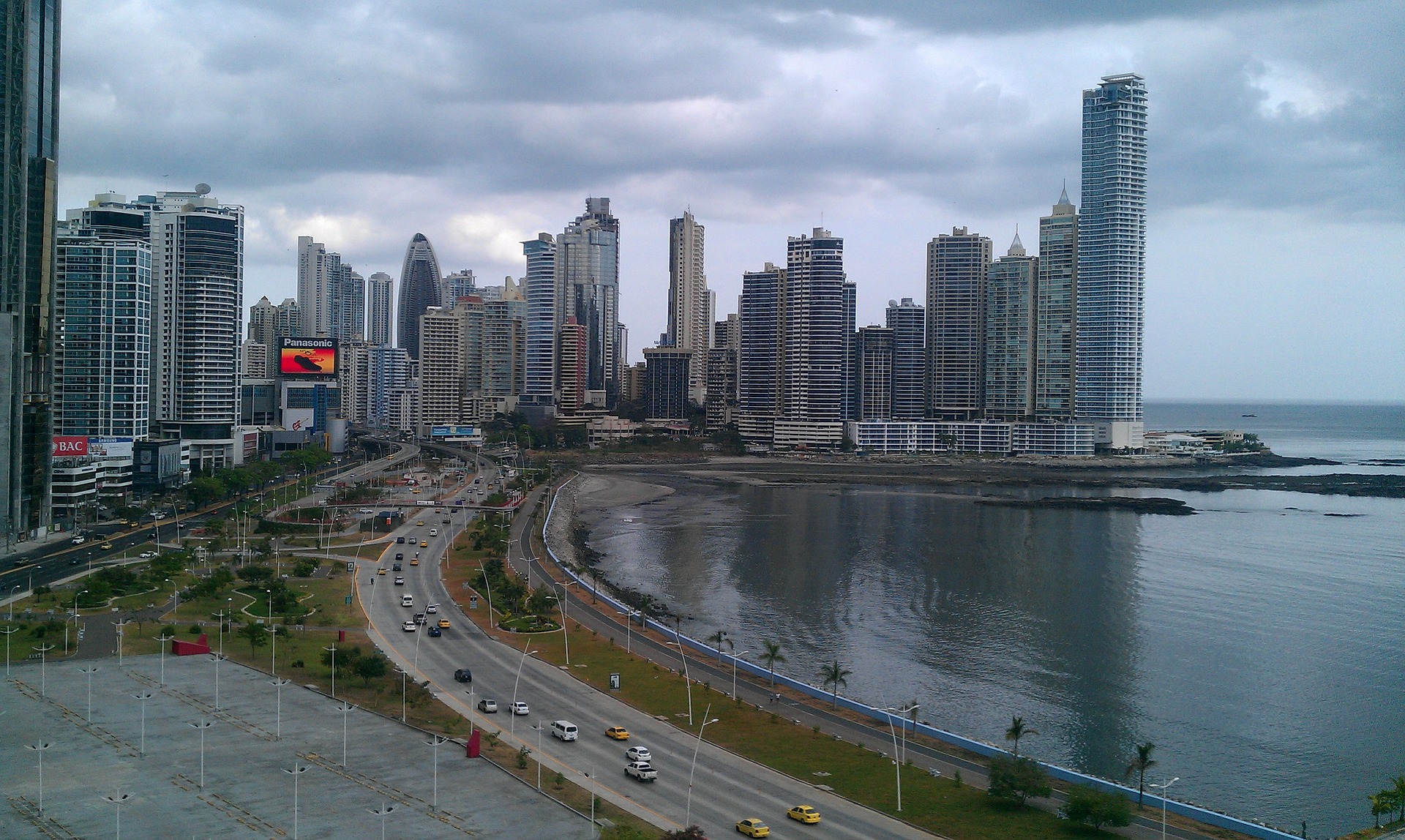
Capital and largest city (2022 est.): Panama City, 1,938,000

Panama City: Capital City Profile
Other large cities: San Miguelito, 321,501; Tocumen, 88,543
Monetary units: balboa; U.S. dollar
National name: Repblica de Panam
Languages: Spanish (official), English 14%, many bilingual
Ethnicity/race: mestizo 70%, Amerindian and mixed (West Indian) 14%, white 10%, Amerindian 6%
Religions: Roman Catholic 85%, Protestant 15%

Background:
The southernmost of the Central American nations, Panama is south of Costa Rica and north of Colombia.
With US backing, Panama seceded from Colombia in 1903 and promptly signed a treaty with the US allowing for the construction of a canal and US sovereignty over a strip of land on either side of the structure (the Panama Canal Zone). The Panama Canal was built by the US Army Corps of Engineers between 1904 and 1914.
On 7 September 1977, an agreement was signed for the complete transfer of the Canal from the US to Panama by the end of 1999. Certain portions of the Zone and increasing responsibility over the Canal were turned over in the intervening years. With US help, dictator Manuel NORIEGA was deposed in 1989. The entire Panama Canal, the area supporting the Canal, and remaining US military bases were turned over to Panama by or on 31 December 1999.
Country Map
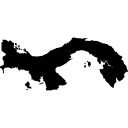
COUNTRY MAP WITH STATES/PROVINCES BOUNDARIES CLICK HERE

Source of Information:


