

Country's codes
International phone code for Papua New Guinea: +675
Standard EAN-13 (country barcode): -
 Olympic country code: PNG

Papua New Guinea: Top Attractions & Best Time to Visit
Papua New Guinea (PNG) is one of the world’s last great frontiers—home to tribal cultures, rainforests, volcanoes, pristine islands, and some of the richest biodiversity on Earth. A dream destination for divers, adventurers, and culture lovers.
Best Time to Visit Papua New Guinea
The best time to visit Papua New Guinea is during the dry season from May to October. Expect warm weather, calmer seas, and excellent conditions for diving, hiking, cultural shows, and island-hopping.
The wetter months, November to April, bring heavier rainfall and humidity. Some regions may be harder to access, but diving remains good, and rainforest landscapes become even more lush.
- May–Jun: Great overall weather, fewer crowds.
- Jul–Sep: Peak season with major cultural festivals.
- Oct: Ideal for trekking & birdwatching.
- Nov–Apr: Rainy season; vibrant green landscapes.
Top Attractions in Papua New Guinea
Goroka Show
PNG’s most iconic cultural festival, where tribes from across the country gather to perform dances, showcase traditional costumes, and celebrate their heritage.
Kokoda Track
A legendary multi-day trek through rainforest and rugged terrain, known for its WWII history and emotional significance.
Madang
A coastal gem with clear waters, coral reefs, and excellent diving sites. Perfect for snorkelers and underwater photographers.
Rabaul
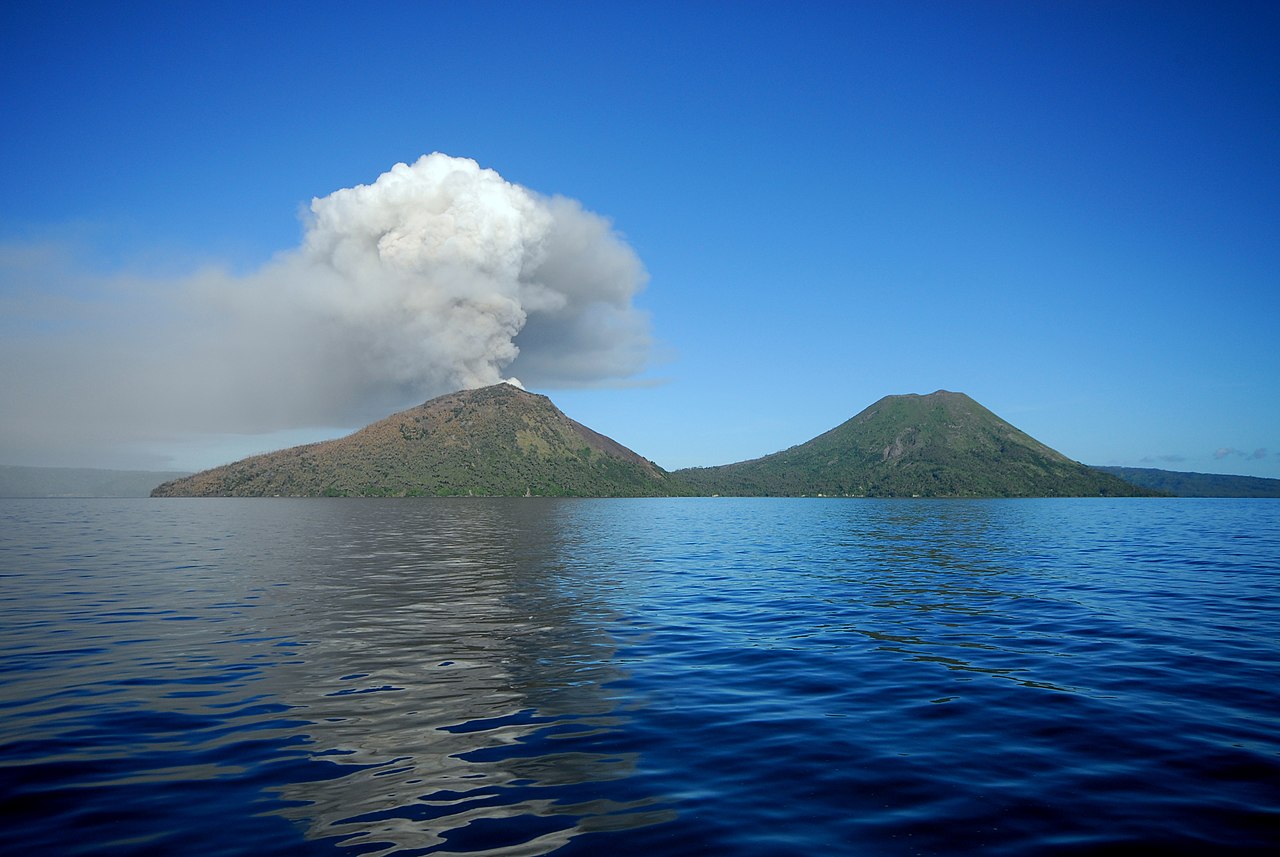
Known for active volcanoes, WWII relics, and dramatic landscapes. Visit Mount Tavurvur and explore the old wartime tunnels.
Tufi Fjords
A stunning region of deep volcanic fjords, rainforest villages, and fantastic diving. Ideal for culture-meets-adventure travel.
Sepik River
A journey along the Sepik River reveals remote villages, intricate wood carvings, and fascinating tribal traditions.
Mount Wilhelm
The highest peak in PNG, offering spectacular sunrise views and a challenging but rewarding climb across diverse ecosystems.
Alotau & Milne Bay
Crystal-clear waters, coral reefs, and island-hopping adventures await in this beautiful marine region of PNG.
Baining Fire Dance (New Britain)
Witness dramatic fire performances by the Baining people, a captivating display of culture and ritual.
Kimbe Bay
A diver’s paradise with colorful corals, sea mounts, and exceptional marine biodiversity.
Suggested 7‑Day Papua New Guinea Itinerary
- Day 1 — Port Moresby: Explore markets & cultural center.
- Day 2 — Fly to Rabaul: Visit volcano viewpoints & WWII sites.
- Day 3 — Rabaul: Take a boat trip & see cultural performances.
- Day 4 — Fly to Goroka: Tribal villages & local crafts.
- Day 5 — Goroka Show (seasonal): Full-day cultural immersion.
- Day 6 — Madang: Snorkeling & coastal relaxation.
- Day 7 — Madang: Diving or village excursions before departure.
Food & Culture
PNG is home to hundreds of ethnic groups and over 800 languages. Life revolves around community, tradition, and connection to the land.
Cuisine features root vegetables, coconut, fish, tropical fruits, and the famous mumu—an earth oven feast cooked with hot stones.
Practical Tips
- Transport: Domestic flights are essential for long distances.
- Safety: Travel with guides in remote areas for the best experience.
- Weather: Humid year-round—bring lightweight & quick-dry clothing.
- Health: Bring insect protection & stay hydrated on treks.
- Connectivity: Limited outside cities—plan offline tools.
Useful country information
Total area: 178,703 sq mi (462,840 sq km)
Population (2022 est.): 9.119 million
Capital and largest city (2022 est.): Port Moresby, 391,000
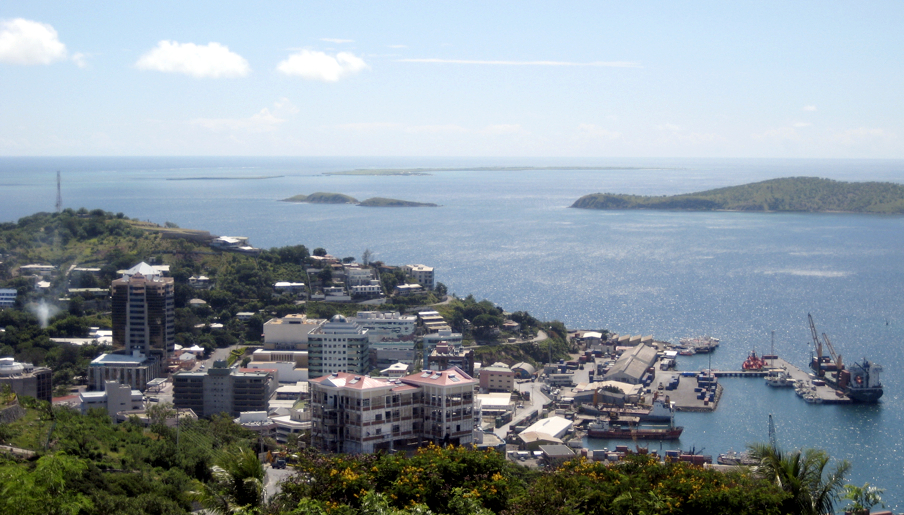
Port Moresby: Capital City Profile
Monetary unit: Kina
Languages: Tok Pisin (Melanesian Pidgin, the lingua franca), Hiri Motu (in Papua region) less than 2%, English 1%?2%; 836 indigenous languages
Ethnicity/race: Melanesian, Papuan, Negrito, Micronesian, Polynesian
Religions: Roman Catholic 27%, Protestant 69.4% (Evangelical Lutheran 19.5%, United Church 11.5%, Seventh-Day Adventist 10%, Pentecostal 8.6%, Evangelical Alliance 5.2%, Anglican 3.2%, Baptist 2.5%, other Protestant 8.9%), Baha'i 0.3%, indigenous beliefs and other 3.3% (2000 census)

Background:
The eastern half of the island of New Guinea - second largest in the world - just north of Australia, was divided between Germany (north) and the UK (south) in 1885. The latter area was transferred to Australia in 1902, which occupied the northern portion during World War I and continued to administer the combined areas until independence in 1975. A nine-year secessionist revolt on the island of Bougainville ended in 1997, after claiming some 20,000 lives.
The first inhabitants of the island New Guinea were Papuan, Melanesian, and Negrito tribes, who altogether spoke more than 700 distinct languages.
Country Map

COUNTRY MAP WITH STATES/PROVINCES BOUNDARIES CLICK HERE

Source of Information:


