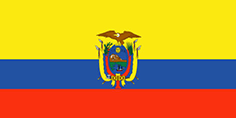
Quito
Capital City of Ecuador · The Middle of the World
Perched at 2,850 m (9,350 ft) in the Andes, Quito is one of the highest capitals on Earth and a UNESCO World Heritage Site. Its remarkably preserved colonial old town, volcanic backdrop, and gateway location to the Galápagos make it one of South America's most compelling cities to visit.
Current Weather & Time
Best Time to Visit & Weather Tips
Quito sits on the equator at high altitude, giving it a mild "spring-like" climate year-round (14–22 °C / 57–72 °F). The year divides into a dry season and a wet season rather than distinct hot and cold periods.
Top Attractions
From a UNESCO-listed colonial centre to active volcanoes and the literal equator, Quito packs an extraordinary range of experiences into a single city.
Historic Old Town (Centro Histórico)
The best-preserved colonial centre in Latin America and a UNESCO World Heritage Site since 1978. Wander Plaza Grande, La Compañía de Jesús church (decorated entirely in gold leaf), and the stunning Monastery of San Francisco.
Mitad del Mundo – Middle of the World
Stand on the equatorial line at the Middle of the World monument, just 26 km north of Quito. The Intiñan Solar Museum nearby lets you try famous equator experiments — water draining, balancing an egg on a nail, and more.
Telefériقo – Cable Car to Pichincha
Take the cable car from 2,950 m to 4,100 m on the slopes of Volcán Pichincha for jaw-dropping panoramic views over the entire city. From the top, hardy hikers can continue to the volcano's active crater rim at 4,784 m.
Basílica del Voto Nacional
South America's largest neo-Gothic church, whose towers are climbable for some of the best views of Quito's old town and the surrounding Andes. Unique in that its gargoyles are Galápagos animals rather than mythical creatures.
Casa del Alabado & City Museums
Quito has an exceptional museum scene. Casa del Alabado houses pre-Columbian art in a colonial mansion. The Ciudad Alfaro Museum and the Museo de la Ciudad offer fascinating insights into Ecuador's history and indigenous cultures.
La Mariscal & Mercado Central
La Mariscal neighbourhood is the hub of Quito's nightlife, restaurants, and craft shops. The Mercado Central is the best place to taste local food — fresh ceviche, seco de pollo, and tropical fruit juices all at street prices.
City Day Trip Itinerary
Make the most of a single day in Quito with this itinerary that blends colonial history, culture, and spectacular scenery.
One Perfect Day in Quito
Basílica del Voto Nacional — Climb the towers early for clear morning views over the old town before the clouds roll in.
Plaza Grande & La Compañía de Jesús — Stroll the main square and step inside the gold-leaf baroque church, one of the most ornate in the Americas.
Monastery of San Francisco — Explore the largest colonial complex in Quito and its tranquil courtyard. Free entry to the plaza and church.
Lunch at Mercado Central — Head to the market for fresh ceviche, hornado (roast pork), and fruit juices. Budget $3–8 per person.
Teleférico Cable Car — Ride to 4,100 m for panoramic city views. Allow 2 hours. Bring a warm layer — it gets cold fast.
Casa del Alabado Museum — Return to the old town to browse Ecuador's finest pre-Columbian art collection in a stunning colonial mansion.
Dinner in La Mariscal — Head north to the Mariscal neighbourhood for dinner at a rooftop restaurant, with craft cocktails and live Andean music.
Local Food Recommendations
Quiteño cuisine draws on Andean staples — potatoes, corn, quinoa, and hearty stews — combined with fresh Pacific seafood and tropical fruits from the coast. Eating out is very affordable.
Essential Tips for Tourists
Altitude Awareness
At 2,850 m, altitude affects most visitors. Rest on arrival, drink plenty of water, eat light meals, and avoid alcohol for the first 24–48 hours. Coca tea (mate de coca) is widely available and helps.
Safety
Quito has improved significantly but petty theft remains common in tourist areas. Keep phones and cameras out of sight in the old town, avoid displaying jewellery, and take taxis after dark rather than walking.
Getting Around
The Ecovía and Trolebús BRT lines run north–south for $0.35. Taxis are metered and affordable. The InDriver app offers reliable ride-hailing. Walking is fine in the old town during daylight hours.
Sun Protection
Quito sits on the equator with thin high-altitude air. UV radiation is extremely intense even on cloudy days. Wear SPF 50+, sunglasses, and a hat whenever you are outdoors.
Budget
Quito is one of South America's most affordable capitals. Set lunches cost $3–5, hostel dorms from $10/night, and most colonial-area museums charge under $5. Ecuador uses the US Dollar, so no currency exchange needed.
Connectivity
Free WiFi is widely available in hotels, cafés, and parks. Local SIM cards (Claro or Movistar) are cheap and available at the airport. Mobile data coverage across the city is reliable.
Galápagos Gateway
Quito is the main departure point for the Galápagos Islands. Most flights leave early morning from Mariscal Sucre Airport (UIO). Book island tours and flights well in advance, especially in high season.
Health
No mandatory vaccinations, but Hepatitis A and Typhoid are recommended. The tap water in Quito is technically treated but bottled water is advised. Medical facilities in the city are good and affordable.
Apply for Tourist Visa
How do I apply for a Quito tourist visa? Click Here
Important Emergency Numbers
- Ambulance: 101
- Fire: 101
- Police: 101
International Emergency Phone Numbers
Find Flights to Quito
Quito — Mariscal Sucre International Airport Code: UIO
Cities Around the World with IATA Airport Codes