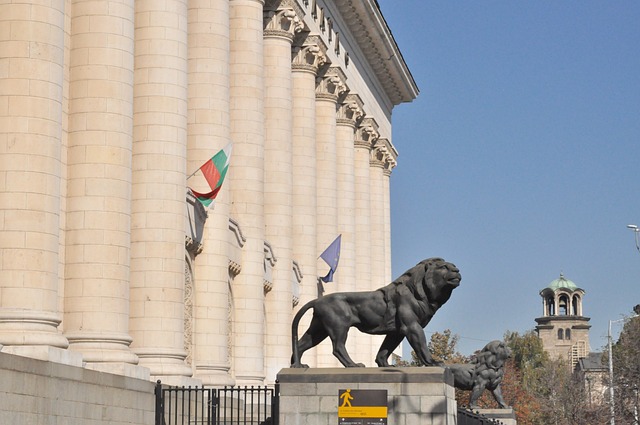
Sofia is the capital city of Bulgaria. The city has a population of 1.284 million (2021).

Sofia City Guide: Bulgaria’s Relaxed Capital at the Foot of Vitosha
Sofia, the capital of Bulgaria, is a laid‑back European city where Roman ruins, Orthodox churches, mineral springs, and café culture all sit under the watchful silhouette of Mount Vitosha. It’s compact, affordable, and easy to explore in a long weekend or as part of a wider Balkan trip.
This guide covers the top attractions, practical tips, and health‑minded advice for travellers planning a trip to Sofia.
Why Sofia deserves a spot on your itinerary
Sofia is often used as a gateway to Bulgaria’s mountains and Black Sea coast, but the city itself is worth slowing down for. You can walk between centuries in minutes: from Roman Serdica ruins to Ottoman‑era mosques, grand Orthodox cathedrals, and socialist‑era boulevards.
The centre is compact and mostly flat, making it easy to explore on foot. When your legs need a break, the modern metro, trams, and buses connect most neighbourhoods and even reach the airport.
Getting in and around Sofia
- Airport: Sofia International Airport is about 20–30 minutes from the centre by metro or taxi.
- Metro: Clean, inexpensive, and usually the fastest way to move across the city.
- Trams & buses: Useful for shorter hops and reaching residential areas.
- On foot: Most major sights in the centre are within a 10–20 minute walk of each other.
Top attractions in Sofia
You can see many of Sofia’s highlights in one or two days, but each site rewards a bit of extra time. Here are the key places most travellers should prioritise.
1. Alexander Nevsky Cathedral
The Alexander Nevsky Cathedral is Sofia’s most iconic landmark, with its gilded domes and Neo‑Byzantine architecture dominating the skyline. Inside, you’ll find marble, mosaics, and religious icons that reflect Bulgaria’s Orthodox heritage.
2. Saint Sofia Basilica and the Tombs
Just across from the cathedral, the red‑brick Saint Sofia Basilica gives the city its name. Beneath the church, an archaeological level reveals ancient tombs and early Christian mosaics, offering a powerful sense of continuity through the centuries.
3. Roman ruins of Serdica
Around the Serdika metro station, you’ll walk past exposed Roman streets, walls, and building foundations. Glass‑covered sections and open‑air ruins make it easy to imagine the ancient city that once stood here.
4. Sveta Nedelya Church
This domed Orthodox church sits at the heart of the city, framed by busy streets and modern buildings. Step inside for frescoes, candles, and a quiet contrast to the traffic outside.
5. Banya Bashi Mosque and Central Mineral Baths area
The Banya Bashi Mosque, built in the 16th century, is a reminder of Sofia’s Ottoman past. Nearby, the former Central Mineral Baths building—now a museum—overlooks public mineral water taps where locals still fill bottles with naturally warm spring water.
6. Vitosha Boulevard
Vitosha Boulevard is Sofia’s main pedestrian artery, lined with cafés, restaurants, and shops. On clear days, you’ll see Mount Vitosha rising at the end of the street, making it a scenic place for an evening stroll.
7. National Palace of Culture (NDK) and park
South of the centre, the National Palace of Culture is a large cultural complex surrounded by fountains and green spaces. The park is popular with families, joggers, and people simply enjoying a coffee outdoors.
8. Borisova Gradina Park
Borisova Gradina is one of Sofia’s largest and oldest parks, with tree‑lined paths, sports facilities, and lakes. It’s a good place for a morning run, a relaxed walk, or a picnic away from traffic.
9. Boyana Church (UNESCO site)
On the lower slopes of Vitosha, Boyana Church is famous for its 13th‑century frescoes and UNESCO status. It’s a short taxi or bus ride from the centre and pairs well with a half‑day escape into the nearby forest.
10. Day trip or half‑day escape to Mount Vitosha
When the weather is clear, locals head up Mount Vitosha for hiking, views, and fresh air. Trails range from gentle walks to more demanding routes, and in winter there are small ski areas.
Neighbourhoods and local experiences
- Centrum: Best for first‑time visitors; most sights are within walking distance.
- Lozenets: Leafier, more residential, with cafés and easy metro access.
- Studentski Grad: Livelier nightlife and student energy, further from the centre.
Free walking tours, food tours, and street‑art walks are a great way to get oriented and hear local stories. Many start near the Palace of Justice or in front of key landmarks in the centre.
Food, cafés, and healthy choices
Bulgarian cuisine is hearty but can be very balanced if you choose well. Look out for shopska salad (tomatoes, cucumbers, cheese), grilled vegetables, bean soups, and yoghurt‑based dishes.
- Breakfast: Bakeries selling banitsa (cheese pastry) and yoghurt drinks.
- Lunch: Cafés with salads, soups, and daily menus at good prices.
- Dinner: Traditional taverns (mehana) and modern bistros with vegetarian options.
Practical tips for tourists in Sofia
1. Safety and general health
- Overall safety: Central Sofia feels generally safe, especially during the day. As always, keep valuables secure and be aware of your surroundings at night.
- Water: Tap water is usually considered safe to drink; many locals also use public mineral taps.
- Air quality: On some winter days, air pollution can rise. If you have respiratory conditions, check local air‑quality apps and limit outdoor exertion on poor‑air days.
2. Money and payments
- Currency: Bulgarian lev (BGN).
- Cards vs cash: Cards are widely accepted in hotels, supermarkets, and many restaurants, but small kiosks and markets may prefer cash.
- ATMs: Use machines attached to banks where possible, and avoid dynamic currency conversion on card terminals.
3. Transport tips
- From the airport: The metro is usually the simplest and cheapest option; licensed taxis are also available.
- Tickets: Check whether single tickets, day passes, or contactless payments are currently in use on metro and buses.
- Walking: Many streets are cobbled; comfortable shoes are essential, especially if you have knee or ankle issues.
4. Cultural and practical etiquette
- Language: Bulgarian is the official language, written in Cyrillic. Younger people in the centre often speak some English.
- Religious sites: Dress modestly in churches and mosques; keep voices low and follow any photography rules.
- Smoking: Smoking is still relatively common in some outdoor café areas—choose non‑smoking sections where available if this bothers you.
When to visit Sofia
Spring (late April–June) and early autumn (September–October) offer comfortable temperatures and good light for sightseeing and photography. Summer can be hot in the city, but many locals leave for the coast, so some areas feel quieter than you might expect.
Winter brings cold temperatures and occasional snow; it’s atmospheric if you enjoy crisp air and Christmas lights, but pack proper layers and footwear.
Suggested 2‑day Sofia plan
- Day 1: Roman ruins of Serdica, Sveta Nedelya Church, Banya Bashi Mosque, Central Mineral Baths area, and evening on Vitosha Boulevard.
- Day 2: Alexander Nevsky Cathedral, Saint Sofia Basilica, Borisova Gradina or NDK park, and sunset views or a short trip towards Vitosha.
Final thoughts: Sofia as a fit‑to‑travel city break
Sofia combines manageable size, green spaces, and a rich historical core, making it an excellent “soft landing” in the Balkans. With thoughtful planning—comfortable shoes, flexible layers, and a balanced approach to food and activity—you can enjoy the city’s culture while still looking after your health and energy.
Whether you’re stopping over for two days or using Sofia as a base for wider Bulgarian adventures, this capital rewards curious, slow travellers who like to walk, observe, and connect the layers of history beneath their feet.
Apply for tourist visa
How do I apply for a Sofia tourist visa? Click Here
List of e-visa countries.Important Numbers:
In case of emergency, please contact:
-
AMBULANCE : 112
FIRE: 112
POLICE: 112
Find Flights to Sofia
What is the currency in use in the city of Sofia? Lev
Sofia Streets Map
BOOK THE BEST TOURS
Sofia is the capital city of Bulgaria.