Suva Weather
SUVA WEATHERAbout Suva
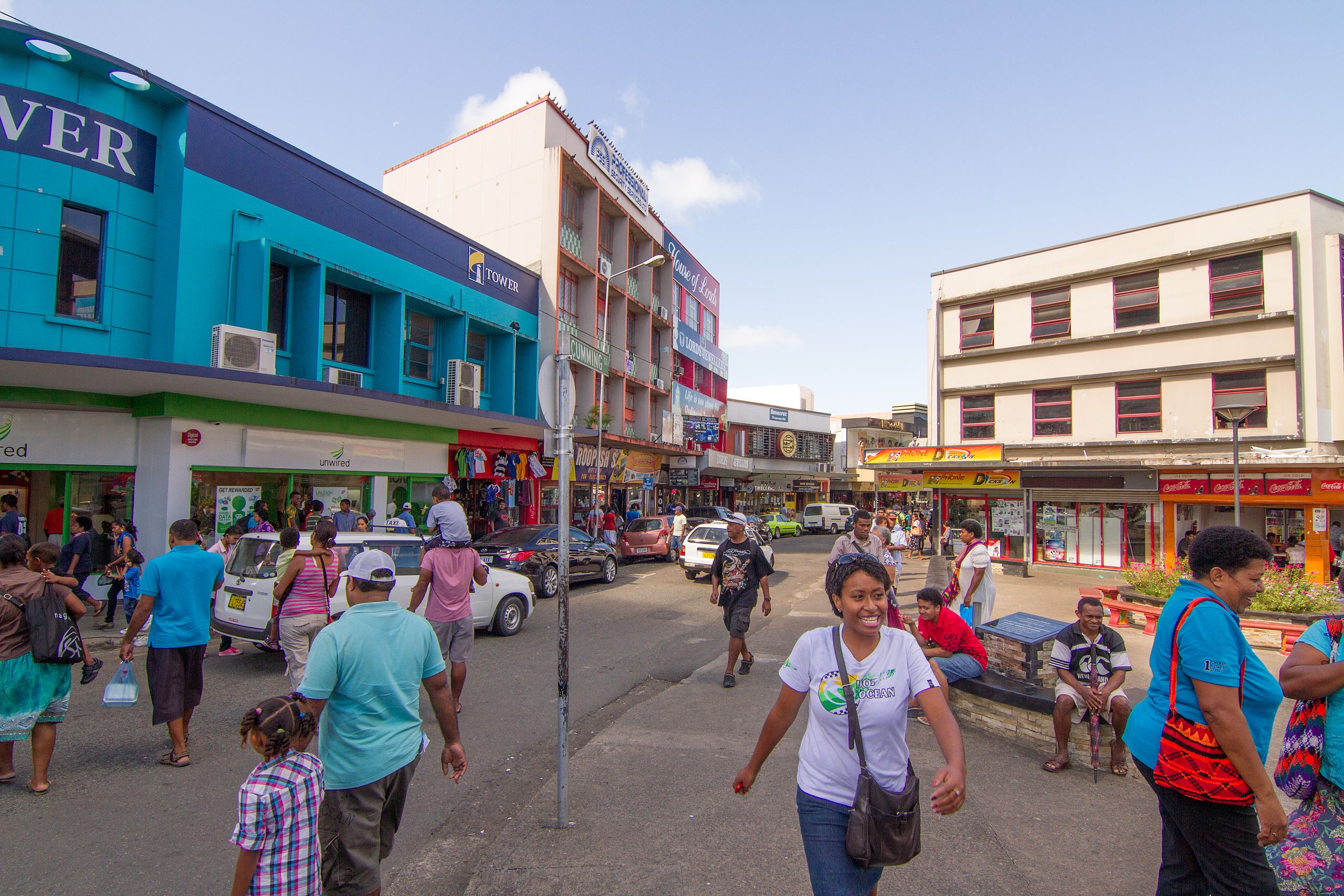
Suva is the capital and largest city of Fiji — a vibrant, cosmopolitan hub perched on a peninsula on the southeastern coast of Viti Levu, Fiji's main island, surrounded by spectacular natural harbour scenery and lush tropical hills. As the most populous city in the Pacific Islands south of the equator, Suva punches well above its weight as a cultural, political, and economic centre — home to the University of the South Pacific, the Pacific Islands Forum Secretariat, and an extraordinary cultural mix of indigenous Fijian, Indo-Fijian, Chinese, and European communities that gives the city a unique and fascinating character found nowhere else in the Pacific. While Fiji is world-famous for its resort islands and pristine beaches, Suva offers visitors an authentic, unvarnished glimpse of real Pacific island city life — busy markets, colonial-era architecture, excellent museums, and the legendary warmth of the Fijian people, expressed in the universal greeting of Bula!
Best Time to Visit Suva & Weather Guide
Suva is one of the rainiest capitals in the Pacific — its position on the wet, southeastern side of Viti Levu means it receives significantly more rainfall than the drier western resorts of the Coral Coast. Understanding the seasons is important for planning the right activities.
☀️ Dry Season (May–October)
The best time to visit Suva and Fiji. The southeast trade winds bring drier, cooler, and more comfortable conditions — temperatures average a pleasant 22–26°C, humidity is lower, and rainfall is significantly reduced. July and August are the coolest and driest months and the peak of the tourist season across Fiji. The surrounding countryside is still green and beautiful. Suva itself experiences more rain than the western resorts even in dry season — a waterproof layer is always useful.
Best Time to Visit🌧️ Wet Season (November–April)
The wet season brings heavy tropical rainfall, high humidity (28–32°C), and the risk of tropical cyclones — Fiji sits in an active cyclone belt and the season runs November to April. January, February, and March are the wettest months. Despite the rain, Fiji's resorts remain open and many visitors enjoy lower prices and emptier beaches between rain showers. Suva's lush greenery is at its most vivid. Always monitor cyclone alerts if visiting during this period.
Wet Season🎉 Hibiscus Festival
Suva's most celebrated annual event — the Hibiscus Festival takes place each August and transforms the capital into a week-long carnival of music, dance, street food, carnival rides, and the crowning of the Hibiscus Queen. It is the largest annual public festival in the Pacific Islands, drawing visitors from across Fiji and the wider Pacific region. The festival fills Suva's Albert Park and surrounding streets with an extraordinary energy that showcases the warmth and exuberance of Fijian culture at its most joyful. Book accommodation early if visiting in August.
Special Event🌡️ Climate Notes for the City
Suva is notoriously wet — it receives approximately 3,000mm of rainfall annually, one of the highest of any Pacific capital, due to its position on the windward southeastern coast of Viti Levu. Brief but intense tropical downpours can occur at any time of year, even in the dry season. Always carry a compact umbrella or light rain jacket regardless of the season. Temperatures are warm year-round (never below 18°C) and the city's lush tropical vegetation is a direct result of the generous rainfall.
Tropical WetDry season: Lightweight cotton or linen clothing, a compact umbrella or light rain jacket (Suva is wet even in dry season), comfortable walking shoes or sandals, high-SPF sun protection, and insect repellent for evening outings.
Wet season: Quick-dry clothing is essential, a quality waterproof jacket, waterproof footwear, and a dry bag for electronics and documents. Monitor weather forecasts for cyclone activity November–April.
For reef activities: Reef-safe sunscreen (mandatory in Fiji's protected marine areas), UV-protective rash vest, and water shoes for coral reef walking. Fiji's reefs are among the finest in the world — treat them with the utmost care.
Top Attractions in Suva
Suva is Fiji's most culturally rich city — its museums, markets, colonial architecture, and vibrant street life offer a fascinating contrast to the resort-focused experiences of western Fiji, and reward visitors who take the time to explore beyond the tourist trail.
🏺 Fiji Museum
The finest museum in the Pacific Islands — an outstanding collection of Fijian cultural artefacts, historical objects, and natural history exhibits housed in a beautiful colonial building in Thurston Gardens. The collections include the rudder of HMS Bounty (the ship of the famous mutiny), traditional Fijian war clubs and cannibal forks, ancient outrigger canoes, intricate bark cloth (masi), and one of the most important collections of pre-colonial Pacific artefacts anywhere in the world. An essential and genuinely absorbing visit — allow at least two hours.
World Class🌿 Thurston Gardens (Botanical Gardens)
Suva's beautiful Victorian-era botanical garden — established in 1889 and named after Sir John Thurston, one of Fiji's most important colonial governors — is a peaceful, shaded oasis of tropical plants, enormous banyan trees, ornamental ponds, and open lawns in the heart of the city. Home to the Fiji Museum, the gardens host outdoor concerts, cultural events, and lazy weekend picnics by Suva's residents. The ancient banyan trees are particularly magnificent — their aerial root systems create natural cathedrals of shade and shadow.
Must See🛒 Suva Municipal Market
The largest and most vibrant market in the Pacific — a vast, colourful covered market selling tropical fruits, vegetables, root crops (cassava, taro, yam), fresh fish, spices, traditional kava roots, handicrafts, and prepared foods. The market is the social and commercial heart of Suva's daily life — a sensory explosion of colour, aroma, and the sounds of bargaining in Fijian, Hindi, and English. The fresh produce here is extraordinary — tropical fruits you may never have encountered before, available at tiny prices. Visit in the morning for the best selection and atmosphere.
Unmissable🏛️ Government Buildings & Albert Park
Suva's impressive colonial heart — a grand ensemble of white colonial government buildings, parliament house, and the sprawling Albert Park that forms the civic centrepiece of the capital. The park is where Charles Kingsford-Smith landed after completing the first trans-Pacific flight from California in 1928 — a commemorative plaque marks the spot. The adjacent Grand Pacific Hotel (restored to its original 1914 elegance) is one of the most beautiful colonial hotels in the Pacific and worth a visit for afternoon tea even if not staying there.
Historic⛪ Sacred Heart Cathedral
Suva's most impressive colonial-era religious building — the magnificent Cathedral of the Sacred Heart, completed in 1902, dominates the city skyline with its distinctive twin spires and Gothic Revival architecture. The interior contains beautiful stained glass windows and elaborate woodcarving that reflect the extraordinary craftsmanship of early Fijian Catholic artisans. Adjacent to the cathedral, the Suva City Library — another fine colonial building — is worth a visit for its architecture and its collection of Pacific literature and historical documents.
Architecture🌊 Suva Harbour & Stinson Parade Waterfront
Suva's working harbour is one of the finest natural deep-water harbours in the South Pacific — a constant procession of cargo ships, inter-island ferries, yachts, and fishing boats creates a lively, atmospheric waterfront scene. The Stinson Parade waterfront promenade is the best place to enjoy sunset views over the harbour, watch the fishing boats return, and experience the unhurried pace of Pacific island life. The adjacent Handicraft Market sells good-quality traditional Fijian crafts, woodcarvings, and jewellery in a pleasant outdoor setting.
Waterfront🐠 Pacific Harbour & Beqa Lagoon Diving
Located 45 minutes west of Suva, Pacific Harbour is Fiji's adventure capital — home to the world-famous Beqa Lagoon, widely considered one of the finest shark diving destinations on Earth. Bull sharks, tiger sharks, and up to eight other species can be encountered on guided shark dives in the Shark Reef Marine Reserve. The area also offers some of Fiji's finest coral reef diving, river rafting through pristine rainforest gorges, and Kula Wild Adventure Park — home to Fiji's rare endemic wildlife including the Fijian crested iguana.
Adventure🌺 Colo-i-Suva Forest Park
A magnificent tropical rainforest reserve just 11km from the city centre — an extraordinary escape from urban Suva into a world of towering mahogany trees, crystal-clear natural swimming pools, jungle waterfalls, and a rich diversity of Fiji's endemic birds, including the striking orange dove and the silktail, found only in Fiji. The park has well-maintained hiking trails ranging from easy walks to more demanding forest treks. Swimming in the natural rock pools fed by cool mountain streams is one of the most refreshing experiences in the Suva area — particularly welcome after a morning in the city's tropical heat.
Nature EscapeLocal Food Recommendations
Suva's food scene reflects the city's extraordinary cultural diversity — indigenous Fijian, Indo-Fijian, Chinese, and international cuisines sit side by side in the city's restaurants, markets, and street stalls, creating one of the most varied and interesting food cultures in the Pacific.
🍲 Must-Try Fijian Dishes
- Kokoda — Fiji's national dish and one of the finest versions of ceviche in the world: fresh raw fish (usually mahi-mahi or wahoo) marinated in freshly squeezed lime juice until "cooked" by the citric acid, then mixed with coconut cream, chillies, spring onions, and tomatoes. Served in a coconut shell, it is the ultimate expression of Fijian coastal cuisine — fresh, creamy, zingy, and utterly delicious.
- Lovo — the traditional Fijian earth oven feast: meat, fish, root vegetables, and palusami (taro leaves cooked in coconut cream) wrapped in banana leaves and slow-cooked over heated volcanic stones buried in an earthen pit. The resulting food has an extraordinary depth of smoky, sweet flavour unlike any other cooking method. Lovo feasts are prepared for celebrations, ceremonies, and Sunday gatherings.
- Palusami — young taro leaves filled with onion, coconut cream, and sometimes corned beef, wrapped in foil or banana leaves and baked or cooked in the lovo. Rich, creamy, and deeply satisfying — one of the definitive flavours of Fijian home cooking.
- Rourou — taro leaves cooked in coconut milk — a simple, nourishing side dish served alongside fish or meat throughout Fiji. The combination of earthy taro leaves and rich coconut cream is deeply comforting.
- Indo-Fijian curry — brought by indentured labourers from India in the 19th century, Fijian Indian cuisine has developed its own distinct character. Dal, roti, and vegetable and meat curries — particularly the rich, fragrant chicken and goat curries — are found at every market food stall and represent a fascinating culinary heritage.
- Fijian mud crab — the mangrove mud crabs of Fiji's coastal estuaries are extraordinarily large, sweet, and flavourful. Steamed or cooked in coconut cream, they are a prized delicacy served at Suva's best seafood restaurants and at the municipal market.
🥥 Drinks & Street Food
- Kava (yaqona) — the most important social drink in Fijian culture, made from the ground roots of the pepper plant mixed with water and strained into a large communal wooden bowl (tanoa). Mildly narcotic, earthy in flavour, and deeply ceremonial — being offered kava is one of the greatest gestures of Fijian welcome and hospitality. Participating in a sevusevu (kava ceremony) is one of the most memorable cultural experiences in Fiji.
- Fresh coconut water — vendors with machetes throughout Suva's markets and streets sell fresh green coconuts for a few Fijian dollars. Cold, sweet, and the most refreshing drink imaginable in tropical heat.
- Fijian ginger beer — locally produced, fiery, and intensely gingery — a non-alcoholic soft drink of extraordinary character that has been brewed in Fiji for over a century. Found in every supermarket and many restaurants.
- Fiji Bitter and Fiji Gold — Fiji's two locally brewed lagers, ice-cold and perfectly suited to the tropical climate. The mandatory accompaniment to kokoda, grilled fish, and a Pacific sunset.
- Roti and curry wraps — Indo-Fijian street food at its finest: freshly made flatbread filled with potato curry, dal, or chicken. Available from market stalls throughout the city for a few dollars — one of the great budget meals of the Pacific.
🏪 Where to Eat — Local Tips
- Suva Municipal Market food stalls — the ground floor of the municipal market has dozens of food stalls serving traditional Fijian and Indo-Fijian lunches from early morning. Arrive between 11am and 1pm for the widest selection. The freshly cooked curry and roti for $3–5 is exceptional value and quality.
- Old Mill Cottage — one of Suva's most beloved traditional restaurants, set in a colonial-era cottage garden and serving excellent Fijian and Pacific cuisine in a relaxed, atmospheric setting. The kokoda and lovo dishes here are outstanding — a reliable first encounter with authentic Fijian food.
- Harbour lights and Victoria Parade restaurants — the main restaurant strip along Victoria Parade offers a wide range of options from casual cafés to more formal dining. Particularly good for fresh seafood, Pacific fusion cuisine, and cold Fiji Bitter at sunset.
- Lami town food market — a short drive west of Suva, the Lami market is a local favourite for fresh seafood, tropical fruit, and authentic Fijian cooking at very affordable prices. Less touristy than the central market and highly recommended for an authentic experience.
🌿 The Kava Story
- Kava — known as yaqona in Fijian — is far more than a drink in Fiji: it is the foundation of social interaction, the medium of ceremony, and the currency of respect. No significant meeting, celebration, or welcome takes place without kava.
- The kava ceremony (sevusevu) follows precise protocols: the guest presents a bundle of kava roots, the host prepares the drink in the tanoa, and cups are offered and accepted with a clap of the hands and the word Bula. Always accept kava when offered — refusing is considered rude.
- Kava's active compounds (kavalactones) produce a mild relaxing effect — a slight numbness of the lips and tongue, gentle muscle relaxation, and a sense of calm sociability. It is not intoxicating in the alcoholic sense but is deeply mood-altering in its own way.
- Kava bars (grog shops) are found throughout Suva — low-lit, relaxed spaces where locals gather in the evenings to drink kava, talk, and listen to music. Visiting one with a local guide is one of the most authentic cultural experiences Suva offers.
Day Trip Itineraries from Suva
Suva is the perfect base for exploring the spectacular natural and cultural attractions of eastern and central Viti Levu — as well as a gateway to Fiji's outer islands:
🦈 Day Trip: Pacific Harbour & Beqa Lagoon
Travel time: 45 minutes by road | Cost: ~$150–250 for shark dive including equipment
The most thrilling day trip from Suva — a drive west along the Queens Road to Pacific Harbour, Fiji's adventure capital. The Shark Reef Marine Reserve in Beqa Lagoon offers the world's most reliably spectacular shark dive — up to eight species of shark, including bull and tiger sharks, gather at a protected feeding site. For non-divers, the area also offers superb snorkelling, river tubing through the Navua River gorge, zip-lining through rainforest, and visits to traditional Fijian villages by river boat.
Most Popular🚣 Day Trip: Navua River & Fijian Village
Travel time: 1 hour by road to Navua | Cost: ~$80–120 with guide and river boat
One of the most beautiful and authentic experiences near Suva — a journey by flat-bottomed boat up the Navua River through spectacular jungle gorges, past cascading waterfalls and traditional bure (thatched Fijian houses) to a remote highland village. The visit includes a kava ceremony, traditional Fijian cooking demonstration, and the opportunity to meet villagers living largely as their ancestors did. The river journey itself — through pristine rainforest and towering canyon walls — is one of the most beautiful in the South Pacific.
Authentic🌊 Day Trip: Kula Wild Adventure Park & Coral Coast
Travel time: 1 hour by road | Cost: ~$25–35 entry to Kula Wild
Kula Wild Adventure Park at Pacific Harbour is Fiji's premier wildlife park — home to the critically endangered Fijian crested iguana, Fiji's endemic birds of prey, hawksbill sea turtles (which can be snorkelled with), and a spectacular collection of Fiji's endemic reptiles and wildlife. The adjacent Coral Coast — a string of small resorts and villages along the Queens Road — offers excellent snorkelling, beautiful beaches, and a gentler, more local version of the Fiji resort experience than the Mamanuca and Yasawa islands.
Wildlife🏝️ Day Trip: Offshore Islands — Leleuvia & Toberua
Travel time: 1–1.5 hours by boat from Suva area | Cost: ~$30–60 return by transfer boat
Two of Fiji's most beautiful small island resorts sit within easy reach of Suva — Leleuvia Island offers excellent snorkelling, hammocks under palm trees, and an authentically relaxed backpacker atmosphere on a small coral island. Toberua Island is a more upscale option — a tiny private island surrounded by extraordinary reef with beautiful overwater accommodation. Both offer the classic Fiji island experience — white sand, crystal water, and absolute tranquillity — without the long journey to the Mamanuca islands from Nadi.
Island EscapeTourist Tips for Suva
🚌 Getting Around
- Suva is a compact city and the central attractions — Fiji Museum, Thurston Gardens, Municipal Market, and Victoria Parade — are all within comfortable walking distance of each other in the city centre.
- Taxis are widely available, affordable, and the recommended transport option for visitors. Always use licensed taxis (identifiable by their yellow licence plates) and agree on the fare before departure or insist on the meter. Taxi apps are not yet widely used in Suva.
- Local buses are cheap and cover routes throughout the city and to surrounding areas — the main bus terminal is on Rodwell Road near the municipal market. Useful for reaching Colo-i-Suva Forest Park and surrounding suburbs.
- For day trips west toward Pacific Harbour and the Coral Coast, private car rental or organised tours from Suva hotels are the most practical options. The Queens Road west of Suva is well-maintained and offers spectacular coastal scenery.
- Suva's central streets are generally safe for walking during daylight hours. The area around the municipal market and bus station can be crowded — keep valuables secured and be aware of your surroundings in busy areas.
💡 General Safety & Travel Tips
- Fiji is one of the safer Pacific nations for tourists, but Suva has higher urban crime rates than the resort areas. Exercise normal urban precautions — avoid displaying expensive items, don't walk alone in unfamiliar areas after dark, and keep bags secured in markets and crowded spaces.
- Water: Tap water in Suva is generally treated and safe to drink in hotels and restaurants, but bottled water is widely available and recommended for visitors with sensitive stomachs. In rural areas and outer islands, always use bottled water.
- Sun protection: Fiji's equatorial sun is intense — high-SPF sunscreen (reef-safe for any water activities), UV-protective clothing, a hat, and sunglasses are essential for all outdoor activities.
- ATMs are widely available throughout central Suva and in major hotels. The Fijian Dollar (FJD) is the local currency — US dollars and Australian dollars are accepted at many tourist-facing establishments, but Fijian dollars are required for markets, taxis, and local transport.
- Dress respectfully when visiting villages, churches, and formal settings — shoulders and knees should be covered, and shoes removed when entering homes and some traditional buildings. Always follow your host's lead.
- Tipping is not a strong tradition in Fiji — it is appreciated but not expected. Small tips for exceptional service at restaurants and for boat/dive guides are welcomed.
Apply for Tourist Visa
Citizens of most countries — including the US, UK, EU nations, Australia, New Zealand, Canada, and Japan — can visit Fiji visa-free for up to 4 months. Other nationalities must apply for a visa in advance through the Fiji Immigration Department. Fiji has an online visa application system for eligible nationalities. Always verify current requirements for your specific passport before travelling. Apply for Fiji Visa Online
Important Emergency Numbers
🇫🇯 Suva Emergency Contacts
- 🚑 Ambulance: 911
- 🔥 Fire Brigade: 911
- 👮 Police: 9170
International Emergency Phone Numbers
Find Flights to Suva
Suva Airport Code: SUV — Nausori Airport / Suva Luvuluvu Airport (located approximately 23km northeast of the city centre)
Airport Transfer: Most international flights to Fiji land at Nadi International Airport (NAN) on the western side of Viti Levu — 197km from Suva (3.5–4 hours by road). Domestic flights from Nadi to Suva's Nausori Airport take 30 minutes and are the most practical option. Taxis and airport buses connect Nausori Airport to central Suva (approximately 30–40 minutes).
International Airport FinderCurrency in Suva
The currency of Fiji is the Fijian Dollar (FJD). US dollars and Australian dollars are widely accepted at hotels and tourist-facing establishments, but Fijian dollars are required for local markets, taxis, buses, and everyday purchases. ATMs are widely available in central Suva and major shopping centres. Credit cards are accepted at hotels, resorts, and most restaurants but cash is essential for market and local transport use.