Tegucigalpa Weather
TEGUCIGALPA WEATHERAbout Tegucigalpa
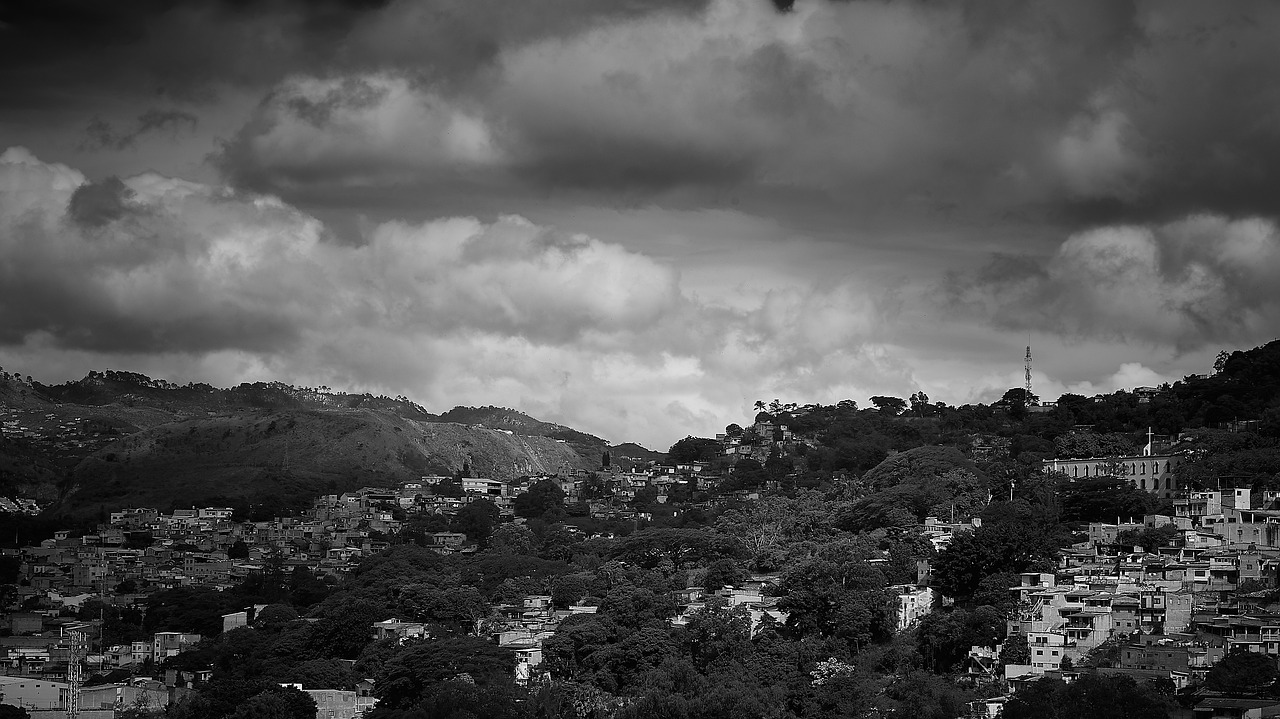
Tegucigalpa — known affectionately as "Teguz" by its residents — is the capital and largest city of Honduras, dramatically situated in a bowl-shaped valley surrounded by pine-forested mountains at an elevation of around 1,000 metres above sea level. The city's highland setting gives it one of the most agreeable climates in Central America — a perpetual spring-like temperature of 18–25°C that early Spanish colonists called the "City of Eternal Spring." Founded by the Spanish in 1578 as a silver and gold mining settlement (its full name, Tegucigalpa, derives from a Nahuatl phrase meaning "silver hills"), the city served as a colonial mining centre before becoming the Honduran capital in 1880. Tegucigalpa is a city of genuine contrasts: a compact, atmospheric colonial historic centre of cobblestone streets, baroque churches, and 18th-century plazas sits alongside the sprawling modern city spreading up the surrounding hillsides, its red-tiled rooftops cascading down the valley walls in a panorama that is — particularly at sunset and at night — genuinely beautiful. Honduras remains one of Central America's least-visited countries by international tourists, which means Tegucigalpa offers the rare experience of a Central American capital that is genuinely, unhurriedly itself — authentic, hospitable, and entirely without the tourist infrastructure that has homogenised so many of its neighbours.
Best Time to Visit Tegucigalpa & Weather Guide
Tegucigalpa's highland elevation (around 1,000 metres) gives it an exceptionally pleasant climate by Central American standards — mild, spring-like temperatures year-round, with a dry season and a rainy season providing two distinct visitor experiences.
☀️ Dry Season (November–April)
The best and most popular time to visit — clear skies, low humidity, and pleasantly warm temperatures of 20–26°C make the dry season ideal for exploring the city's colonial centre, hiking the surrounding pine forests, and travelling to Honduras's extraordinary Caribbean and Pacific coasts. December through February are the finest months — cool, dry evenings, brilliant sunshine, and a festive energy around the Christmas and New Year celebrations that transform the city's historic plazas and churches into some of the most beautifully decorated public spaces in Central America. The pine forests on the surrounding hills are at their most fragrant and photogenic in the dry season's clear mountain air.
Best Time to Visit🌺 Late Dry / Festival Season (March–April)
March and April bring the hottest and driest conditions of the year — temperatures can reach 28–32°C at midday — but also the most spectacular cultural calendar. Semana Santa (Holy Week) — the week before Easter — is Honduras's most important religious and cultural celebration, observed with extraordinary intensity in Tegucigalpa: elaborate street processions, carpets of coloured sawdust and flower petals laid on cobblestone streets, solemn Catholic ceremonies in the colonial churches, and a festive atmosphere throughout the city that draws Hondurans from across the country. Semana Santa in Tegucigalpa is one of the most authentic and moving Holy Week celebrations in Central America.
Festival Highlight🌧️ Rainy Season (May–October)
The rainy season brings afternoon and evening showers — typically 1–3 hours of rain from mid-afternoon, with mornings remaining bright and often warm (24–28°C). The surrounding pine forests turn intensely green, and the mountain views from the city are dramatically atmospheric after rain. September and October are the wettest months, with the occasional risk of tropical storm activity affecting Honduras. The rainy season is low season — accommodation prices drop, tourist sites are uncrowded, and the city has a genuinely local character without the high-season visitors. A good time for budget-conscious travellers comfortable with tropical afternoon rains.
Low Season🍂 Shoulder Season (October–November)
October and early November mark the transition from wet to dry season — the rains ease, the landscape retains the lush green intensity of the wet season, and the mountain air becomes progressively cleaner and clearer. Late October and November are underrated visiting months: moderate temperatures (20–25°C), light tourist traffic, reasonable prices, and the full cultural calendar of the Tegucigalpa arts and music season in operation. The city's colonial centre is at its most photogenically atmospheric in the soft light of the post-rainy season transition.
UnderratedDry Season (Nov–Apr): Light to medium layers — warm days (22–26°C) but cool mountain evenings that can drop to 15°C or below in December and January. A light jacket or cardigan is essential for evenings. Comfortable walking shoes for the colonial centre's cobblestone streets. Sun protection for midday hours.
Rainy Season (May–Oct): A compact umbrella or light rain jacket for afternoon downpours. Quick-dry clothing. Sturdy, waterproof footwear for navigating wet cobblestones. Mornings are typically dry and warm — plan outdoor sightseeing for the morning hours.
Year-round: Spanish phrasebook or translation app — English is not widely spoken outside major hotels. A money belt or secure bag for valuables — standard urban security precautions are important in Tegucigalpa. Insect repellent for evening use. A portable charger — power fluctuations are occasional in the city. USD cash in small denominations for exchange alongside local lempira.
Top Attractions in Tegucigalpa
Tegucigalpa's historic colonial centre is one of the most authentic and least-touristed in Central America — a genuine living city rather than a preserved showcase, with the full texture of Honduran urban life woven through its churches, plazas, and market streets.
⛪ Cathedral of San Miguel Arcángel
The defining landmark of Tegucigalpa and one of the finest examples of Spanish colonial baroque architecture in Central America — the Cathedral of San Miguel Arcángel, dominating the central Plaza Morazán, was begun in 1765 and completed in 1782. Its ornate baroque facade — carved in white stone with elaborate relief sculpture, saints in niches, and a magnificent central doorway — glows golden in the afternoon sun, creating one of the most photographically beautiful architectural compositions in Honduras. The interior is equally remarkable: a gilded retablo (altarpiece) of extraordinary craftsmanship, colonial paintings, and silver religious objects that survived the turbulent centuries of Honduran history largely intact. The cathedral's twin bell towers are a landmark visible from across the city.
Iconic Landmark🏛️ Plaza Morazán (Parque Central)
The living heart of Tegucigalpa — Plaza Morazán, the city's central square named for Central American independence hero Francisco Morazán, is the focal point of colonial Tegucigalpa: surrounded by the cathedral, the old Presidential Palace (now a cultural centre), the Palacio del Distrito Central, and the city's finest colonial buildings. The plaza is alive throughout the day with shoe-shiners, fruit vendors, students, and families — a genuine Central American urban plaza functioning exactly as its 18th-century builders intended, as the social and civic centre of the city. The equestrian statue of Morazán at the plaza's centre is one of Honduras's most iconic images.
Historic Heart🎨 Parque La Leona & Historic Barrio
Tegucigalpa's most atmospheric and historic neighbourhood — the Barrio La Leona, climbing the steep hillside above the colonial centre, contains some of the city's oldest and most characterful streets: narrow cobblestone lanes lined with brightly coloured colonial houses, bougainvillea cascading over whitewashed walls, and the extraordinary view from Parque La Leona — a hilltop park that offers the finest panoramic view of Tegucigalpa, the surrounding mountain amphitheatre, and the city's red-tiled rooftops spreading in every direction below. The view at sunset, when the mountain light turns the entire city gold, is one of the most memorable urban panoramas in Central America.
Best Views🏺 National Museum of Anthropology and History
Honduras's most important museum of pre-Columbian and colonial history — the Museo de Antropología e Historia de Honduras, housed in the beautifully restored Villa Roy (a 19th-century mansion in the colonial centre), contains an outstanding collection tracing Honduran history from the earliest human settlements through the Maya and Lenca civilisations to the Spanish colonial period and independence. The museum's pre-Columbian galleries display extraordinary Maya ceramic art, jade jewellery, and stone sculpture from the famous Copán archaeological site — including casts of the finest stelae and altars from what many archaeologists consider the most artistically refined Maya site in Mesoamerica. Essential preparation for a visit to Copán itself.
Essential⛪ Iglesia Los Dolores
One of Tegucigalpa's most beautiful and historically significant colonial churches — Iglesia Nuestra Señora de los Dolores, built in the 18th century, is renowned for its magnificent baroque facade with its ornate carved stonework and the remarkable painted interior ceiling — a rare survival of colonial decorative painting in Central America. The church faces a pleasant small plaza that is one of the most peaceful and photogenic corners of the colonial centre: less visited than the cathedral plaza, with a more intimate and authentic neighbourhood atmosphere. The early morning and late afternoon light on the church's baroque facade is extraordinary.
Hidden Gem🌿 Parque Naciones Unidas El Picacho
The finest natural attraction within the city limits — Parque Naciones Unidas El Picacho, a forested mountain park on the highest peak overlooking Tegucigalpa, offers hiking trails through cloud forest and pine-oak woodland to spectacular panoramic viewpoints over the city and the surrounding Valle de Tegucigalpa. The park is home to a large statue of Christ (similar in concept to Rio's Cristo Redentor, though smaller), a small zoo, and picnic areas used enthusiastically by local families on weekends. The 30-minute drive from the city centre and the subsequent trail climb to the summit viewpoint reward with some of the finest city views in Central America — particularly beautiful at dusk when the city lights begin to emerge from the valley below.
Natural Escape🛍️ Mercado San Isidro & Colonial Markets
Tegucigalpa's most authentic and immersive market experience — the Mercado San Isidro, the city's largest traditional market, sprawls across several city blocks near the colonial centre in a dense, vibrant maze of stalls selling everything from tropical produce and medicinal herbs to Honduran handicrafts, textiles, ceramics, and the full range of local street food. The market is a genuine working food and goods market, not a tourist attraction — arriving in the early morning when the produce stalls are most abundant and the street food vendors are in full operation provides the most vivid and authentic impression of everyday Honduran urban life.
Authentic🏛️ Chiminike Children's Museum
One of the finest and most unexpectedly excellent attractions in Tegucigalpa — the Chiminike Children's Interactive Museum, opened in 2002 in a striking purpose-built building, is one of the best children's science and culture museums in Central America: interactive exhibits on science, technology, the human body, Honduran history, and the environment, designed with genuine creativity and educational ambition. Widely cited as an example of Honduras at its most forward-looking and optimistic — a reminder that Tegucigalpa, beyond its security challenges, is a city with genuine intellectual and creative energy. Excellent for families and for adult visitors interested in Honduran culture and education.
Family FriendlyLocal Food Recommendations
Honduran cuisine is one of Central America's most hearty, flavourful, and underappreciated culinary traditions — rooted in the agricultural heritage of corn, beans, and tropical produce, enriched by indigenous Lenca and Maya traditions and the rich flavours of the Caribbean and Pacific coasts.
🌽 Must-Try Honduran Dishes
- Baleadas — the definitive Honduran street food and the dish most closely identified with the national culinary soul: a thick, handmade flour tortilla folded around refried beans, crumbled Honduran cheese (quesillo), and sour cream (mantequilla), with countless optional additions — scrambled eggs, avocado, chorizo, chicken, or beef. Simple, filling, and deeply satisfying, baleadas are eaten at all hours in Tegucigalpa — from early morning breakfast to late-night street food — at dedicated baleaderas (baleada stands) found on virtually every street corner in the city. The quality of the tortilla — thick, slightly chewy, and freshly pressed — is everything.
- Plato típico hondureño — the definitive full Honduran meal and a masterclass in Central American cooking: grilled or roasted meat (typically beef, chicken, or pork), refried beans, Honduran white rice, fried sweet plantain (tajadas), a fried egg, Honduran cheese, sour cream, and fresh salad. Served on a large plate that represents the full abundance of Honduran agricultural produce — filling, balanced, and deeply satisfying. Available at every comedor (local restaurant) and market food stall in Tegucigalpa from breakfast through dinner.
- Sopa de caracol — Honduras's most celebrated and beloved soup: a rich, creamy coconut milk broth with conch (caracol), plantain, yuca, and a distinctive spice combination of garlic, cumin, and achiote — a dish with deep roots in the Garifuna (Afro-Caribbean indigenous) culture of Honduras's Caribbean coast. Sopa de caracol achieved international recognition when it was featured in a famous Honduran song — it is now considered one of the great dishes of Central American coastal cooking. Available at seafood restaurants in Tegucigalpa and in its fullest glory on the Bay Islands and Caribbean coast.
- Tamales hondureños — the Honduran interpretation of the Mesoamerican tamale tradition: corn masa dough stuffed with spiced chicken or pork, olives, capers, and raisins in a rich sauce, wrapped in banana leaf and steamed for hours. The banana leaf imparts a subtle, grassy flavour to the corn and the filling that cannot be replicated any other way. Honduran tamales are larger, more complex, and more richly filled than their Mexican counterparts — and they are made with particular care and ceremony for Christmas, Semana Santa, and major family celebrations.
- Catrachitas and tajadas con carne — two of Honduras's most beloved everyday snack foods. Catrachitas are small, crisp fried tortillas topped with refried beans and grated cheese — addictive, versatile, and available at every market stall and street food stand. Tajadas con carne — fried green or ripe plantain chips topped with pulled or shredded beef and pickled cabbage slaw — is one of the finest Honduran street snacks, combining sweet, savoury, and acidic flavours in a single compelling mouthful.
- Mondongo — Honduras's great tripe soup: slow-cooked beef tripe and vegetables in a rich, herb-fragrant broth that is one of the most nourishing and deeply flavoured dishes in the Central American repertoire. A Sunday tradition in Tegucigalpa — the long cooking time (4–6 hours minimum) makes it a weekend dish prepared with care and shared communally. Available at traditional comedores and in market food stalls from early Sunday morning.
☕ Drinks & Street Food
- Honduran coffee — one of the world's finest and most underrated specialty coffees. Honduras is now the largest coffee producer in Central America, and the high-altitude beans grown in the Honduran highlands — particularly from the regions of Marcala, Copán, and Montecillos — produce coffee of extraordinary quality: bright, fruity, complex, and with a clean sweetness that has made Honduran specialty coffee increasingly sought after by the world's top roasters. In Tegucigalpa, excellent specialty coffee shops are concentrated around the Colonia Palmira and the Zona Viva — a revelation for visitors who may not have associated Honduras with fine coffee.
- Horchata and licuados — Honduras's most beloved non-alcoholic drinks. Horchata hondureña — made from ground rice, cinnamon, and vanilla — is a creamy, cold, fragrant drink quite different from the Mexican version and one of the most refreshing beverages in the Honduran heat. Licuados (fresh fruit blended with milk or water) take advantage of Honduras's extraordinary tropical fruit abundance: mangoes, papayas, pineapples, granadillas, and the extraordinary jocote (a small tart tropical plum unique to Central America) produce shakes of remarkable freshness and flavour at market stalls throughout the city.
- Fresco de tamarindo and agua de Jamaica — the definitive Honduran agua fresca: sweet-sour tamarind water and hibiscus flower (Jamaica) iced tea, sold in plastic bags at market stalls and in large clay pots at traditional restaurants. Cold, sweet, and deeply refreshing — among the most satisfying hot-weather drinks in the world. Available at the Mercado San Isidro and the street food stalls around the colonial centre for pennies.
- Honduran street food circuit — the streets around Plaza Morazán and the Mercado San Isidro area offer the most concentrated and authentic street food experience in Tegucigalpa: baleada stands operating from dawn, corn tortilla makers patting fresh masa by hand, pupusa vendors (the Salvadoran-influenced filled corn cake beloved across Central America), fresh elote loco (corn on the cob with mayonnaise, cheese, and chilli), and fruit stalls offering plastic bags of sliced mango with lime and chilli salt. A walk through the market area at lunchtime is one of the most sensory-rich experiences available in Tegucigalpa.
- Salva Vida beer — Honduras's beloved national lager, brewed since 1916: a clean, light, well-balanced golden lager perfectly calibrated to the Honduran climate. Salva Vida (meaning "lifesaver") is the most popular beer in Honduras and — like Beerlao in Laos or Pilsner Urquell in the Czech Republic — it has a local cultural significance that transcends its modest appearance. Served cold with baleadas or plato típico in any Tegucigalpa bar or restaurant, Salva Vida is the taste of Honduras.
🍽️ Where to Eat — Local Tips
- Comedores around Mercado San Isidro — the most authentic and affordable eating in Tegucigalpa: the small family-run comedores clustered around and inside the central market serve plato típico, baleadas, and daily specials of extraordinary flavour at prices of $2–4 for a full meal. The food is genuinely home-style — slow-cooked beans, handmade tortillas, and the full warmth of Honduran domestic cooking. Arrive by 12:30pm as the best dishes sell out quickly.
- El Patio Restaurant — one of Tegucigalpa's most celebrated traditional Honduran restaurants: a large, atmospheric courtyard restaurant in the colonial centre serving the finest plato típico, sopa de caracol, and grilled meats in the city. The setting — a colonial patio with flowering trees and traditional Honduran décor — is one of the most beautiful dining environments in the capital.
- Baleaderas on Bulevar Morazán — Tegucigalpa's main commercial boulevard is lined with excellent baleada stands operating from late afternoon well into the night. The best are the simple stands with high turnover — fresh tortillas pressed and cooked to order, beans kept warm and perfectly seasoned, and a selection of additions. A full baleada with egg, cheese, and avocado costs $1.50–2.50 and is one of the finest value meals in Central America.
- Colonia Palmira restaurant district — Tegucigalpa's most cosmopolitan neighbourhood, home to the city's finest international restaurants, specialty coffee shops, and upscale Honduran dining. The concentration of quality restaurants, wine bars, and cafés in Palmira makes it the best area for visitors seeking a more polished dining experience — excellent international cuisine alongside refined versions of Honduran classics.
- Mercado San Isidro food stalls — for the most immersive and affordable market food experience: fresh tropical juices, tamales, catrachitas, and the city's finest horchata available from dedicated stalls in the covered market from 7am onwards. A full breakfast of tamale, horchata, and fresh fruit costs $2–3.
🌿 Honduran Craft & Cultural Heritage
- Honduran traditional craft heritage is rich and diverse — shaped by the artistic traditions of the Lenca, Maya, and Garifuna peoples that have contributed to the country's cultural identity. The finest Honduran crafts include Lenca pottery — made by the indigenous Lenca communities of western Honduras in techniques unchanged for centuries, featuring distinctive geometric designs in red, black, and cream on hand-formed vessels. The Lenca potters of La Esperanza and San Marcos de Colón produce some of the most beautiful indigenous ceramics in Central America.
- Mahogany and tropical hardwood carving — Honduras's extraordinary tropical forest heritage has produced a tradition of fine furniture and decorative wood carving: bowls, figures, and decorative objects in mahogany, rosewood, and tropical cedar of exceptional quality. Available at the handicraft markets around the colonial centre and in specialist craft shops in Colonia Palmira.
- Copán jade — the ancient Maya city of Copán (150km west of Tegucigalpa) was one of the great jade-working centres of the Maya world. Contemporary Honduran jewellers continue this tradition with locally sourced jade — pendants, earrings, and bracelets in the green jade characteristic of the Motagua Valley, available at the National Museum shop and Copán handicraft markets.
- Honduras produces exceptional specialty coffee that makes one of the finest and most authentic food souvenirs from Tegucigalpa: vacuum-packed single-origin beans from Marcala or Copán, available at specialty coffee shops in Colonia Palmira and at the airport. Honduran coffee at specialty roaster quality is significantly cheaper in Tegucigalpa than when imported — an outstanding value purchase.
Day Trip Itineraries from Tegucigalpa
Tegucigalpa's central location in Honduras makes it an excellent base for exploring the country's extraordinary range of natural, archaeological, and cultural attractions:
🏛️ Day Trip: Copán Ruinas — UNESCO Maya Site
Travel time: 3.5–4 hours by bus | Cost: ~$10–15 by direct bus; site entry ~$15
The single most important cultural destination in Honduras and one of the great archaeological sites of the Americas — the Copán Maya ruins, a UNESCO World Heritage Site, represent the southernmost major Maya city and arguably the most artistically refined. The Hieroglyphic Stairway, the Great Plaza with its extraordinary portrait stelae, the ball court, and the tunnels beneath the acropolis revealing earlier temple structures buried within later constructions create an archaeological experience of extraordinary depth and beauty. The adjacent town of Copán Ruinas — a beautifully preserved colonial village — provides excellent guesthouse accommodation and one of Honduras's finest dining scenes for an overnight visit.
UNESCO Essential🌿 Day Trip: La Tigra Cloud Forest
Travel time: 30–45 minutes by taxi or bus | Cost: ~$10–15 return by taxi; park entry ~$10
The closest and most accessible natural escape from Tegucigalpa — La Tigra National Park, the oldest protected area in Honduras, covers the cloud forest on the mountain ridges directly north of the city: a remarkably beautiful and species-rich ecosystem of moss-covered oak and pine cloud forest at 1,800–2,290 metres, home to the quetzal (the resplendent sacred bird of the Maya), toucans, howler monkeys, and hundreds of orchid species. Well-maintained trail networks of varying difficulty offer everything from easy 2-hour nature walks to full-day ridge hikes. The proximity to the capital — 30 minutes — makes La Tigra an ideal half-day or full-day excursion with no overnight stay required.
Nature Escape🏘️ Day Trip: Valle de Ángeles & Santa Lucía
Travel time: 30–45 minutes by bus or taxi | Cost: ~$5–10 return by bus
Two of Honduras's most beautiful and best-preserved colonial villages, both easily accessible from Tegucigalpa in the surrounding mountain landscape. Valle de Ángeles — a perfectly preserved Spanish colonial village of cobblestone streets, whitewashed houses, and a lovely central plaza — is Honduras's premier craft market destination: its shops and artisan stalls sell the finest Honduran handicrafts (Lenca pottery, woodcarving, leatherwork, and textiles) in a setting of genuine colonial beauty. Santa Lucía — smaller and even more atmospheric — overlooks the valley in a setting of extraordinary natural beauty, with a spectacular mountain panorama from its hilltop church and colonial plaza.
Colonial Charm🌊 Day Trip: Pacific Coast — Gulf of Fonseca
Travel time: 2–2.5 hours by bus to Choluteca | Cost: ~$5–8 by bus
Honduras's Pacific coast — the dramatic Gulf of Fonseca, shared with El Salvador and Nicaragua — offers a completely different landscape from the Caribbean side: volcanic black sand beaches, mangrove estuaries, and the dramatic backdrop of active and dormant volcanoes rising from the coastal plain. The town of Coyolito is the departure point for boat trips to the Gulf's islands — including the beautiful Isla del Tigre, dominated by the cone of Volcán Conchagua and offering excellent beaches and fresh seafood in an almost entirely tourist-free environment. A full day from Tegucigalpa combining bus travel, boat trip, and beach time.
Pacific AdventureTourist Tips for Tegucigalpa
🚌 Getting Around
- Tegucigalpa's colonial centre — containing the cathedral, Plaza Morazán, the main churches, and the central market — is compact and best explored on foot. The cobblestone streets and hilly terrain make comfortable walking shoes essential. The city's topography (spread across multiple hillsides in a mountain bowl) means that walking between all attractions is not always practical.
- Taxis — the most practical and widely used transport in Tegucigalpa for visitors. Always negotiate the fare before getting in (taxis are not metered) — typical fares within the city centre are $3–6, to the airport $8–12. Use InDriver or Uber apps (both operate in Tegucigalpa) for transparent, safe pricing — strongly recommended over flagging street taxis, particularly at night.
- City buses — extensive but complex to navigate without Spanish and local knowledge. Useful for the most frequently travelled routes (colonial centre to Bulevar Morazán and Colonia Palmira) but challenging for first-time visitors. Fares are very low (5–8 HNL / $0.20–0.35). Yandex.Maps and Google Maps show bus routes with reasonable accuracy.
- For day trips to La Tigra, Valle de Ángeles, and Santa Lucía: buses depart from the Mercado San Pablo terminal — straightforward and very affordable at $1–3 return. For Copán: direct tourist buses depart from central hotels — book through your accommodation for the most convenient option.
- Walking in the colonial centre is best in daylight hours — stick to the areas around Plaza Morazán, the cathedral, and the main commercial streets during the day. Consult your hotel for the most current advice on which areas to avoid at night.
💡 General Safety & Travel Tips
- Tegucigalpa, like all major Central American capitals, requires sensible urban security awareness. Petty theft and street crime are the primary concerns for tourists — not violent crime targeting visitors specifically. Standard precautions apply: avoid displaying expensive jewellery, cameras, and phones in markets and crowded streets; use app-based taxis rather than flagging street taxis at night; and consult your hotel's current security advice, which will be more specific and up-to-date than any guidebook. The colonial centre and Colonia Palmira are the safest and most visitor-friendly areas.
- The Honduran Lempira (HNL) is the local currency. USD is widely accepted at hotels, tour operators, and larger restaurants. Exchange at banks or reputable exchange houses — street changers should be avoided. ATMs are available throughout the city centre and in Colonia Palmira. Carry a mix of HNL for everyday purchases and USD for larger transactions.
- Honduras does not currently offer an e-visa system — most visitors obtain a tourist visa on arrival at Toncontín Airport (TGU) or the new Palmerola Airport (XPL), valid for 90 days. Citizens of the USA, EU, UK, Canada, Australia, and most Western countries enter visa-free for 90 days. Honduras is part of the CA-4 agreement with El Salvador, Guatemala, and Nicaragua — a single 90-day stay covers all four countries without additional visa applications.
- Spanish is essential for meaningful travel in Tegucigalpa — English is spoken at major hotels and tour operators but rarely on the street, in markets, or at local restaurants. A translation app (download for offline use) and a basic Spanish phrasebook will transform your experience. Hondurans are warm, patient, and genuinely appreciative of any effort to communicate in Spanish.
- Honduras uses 110V/60Hz electricity with US-style flat two-pin sockets — the same standard as North America. European and Australian visitors need adapters. Power fluctuations are occasional — a surge protector is recommended for sensitive electronics.
- Altitude note: Tegucigalpa at ~1,000 metres is high enough that some visitors experience mild altitude adjustment symptoms (light headache, fatigue) on arrival, particularly if flying in from sea level. Rest, hydration, and avoiding strenuous activity on the first day is sufficient management for most visitors.
Apply for Tourist Visa
Citizens of the USA, EU, UK, Canada, Australia, Japan, and most Western countries enter Honduras visa-free for 90 days — simply present your passport on arrival at Toncontín Airport (TGU) or the new Palmerola International Airport (XPL). Honduras is part of the CA-4 Central American Border Control Agreement with El Salvador, Guatemala, and Nicaragua — a single 90-day entry covers travel across all four countries without additional visa stamps. Citizens of countries not covered by the visa-free agreement should check requirements and apply in advance through the Honduran consulate or an authorised visa service. Honduras Visa Information
Important Emergency Numbers
🇭🇳 Tegucigalpa Emergency Contacts
- 🚑 Ambulance: 195
- 🔥 Fire Brigade: 198
- 👮 Police: 199
International Emergency Phone Numbers
Find Flights to Tegucigalpa
Tegucigalpa Airport Code: TGU — Toncontín International Airport, located approximately 6km south of the city centre (one of the world's most dramatic airport approaches)
Airport Transfer: Taxis from Toncontín Airport to the city centre take approximately 15–20 minutes (fare ~200–300 HNL / $8–12 — negotiate or use InDriver app). The new Palmerola International Airport (XPL), opened in 2021 approximately 80km north of Tegucigalpa, is being progressively expanded with additional international routes and offers a less dramatic but more operationally straightforward alternative arrival point. Direct international flights connect Tegucigalpa (TGU/XPL) with Miami, Houston, Atlanta, New York, and major Central American hubs including San José (Costa Rica), Panama City, San Salvador, and Guatemala City. American Airlines, United, and Copa Airlines are the primary carriers for international routes.
International Airport FinderCurrency in Tegucigalpa
The currency of Honduras is the Honduran Lempira (HNL), named after the 16th-century Lenca chief Lempira who resisted the Spanish conquest. US dollars are widely accepted alongside lempira at hotels, restaurants, and larger businesses. Exchange USD at banks and authorised exchange houses for the best rates. ATMs dispensing lempira are available throughout the city centre. Carry a mix of lempira for everyday purchases and USD for hotels and larger transactions.