
Tripoli is the capital city of Libya. The city has a population of approximately 1.2 million in the wider urban area(2025).

Tripoli, Libya: Travel Guide to the Mediterranean Capital
Discover Tripoli’s historic medina, Mediterranean waterfront, traditional markets, architecture, food, and essential travel-health information for international visitors.
Apply for tourist visa
How do I apply for a Tripoli tourist visa? Click Here
List of e-visa countries.Libya Travel Resources
Libya Vacation Guide
Explore general destination information, geography, culture, transportation, attractions, and practical travel planning.
Libya Travel Health
Review vaccinations, healthcare access, medication preparation, food and water precautions, insurance, and emergency planning.
Important Safety Notice for U.S. Travelers
Conditions can change rapidly, including in Tripoli. Travelers should review the latest official advisory before making plans and should not rely solely on tourism websites, social media posts, or information from previous visits.
U.S. government assistance inside Libya may be extremely limited. Americans already in the country should keep travel documents accessible, maintain several communication options, and have an independent departure and emergency plan.
Tripoli Travel & Tourist Tips
About Tripoli
Tripoli is the capital and largest city of Libya. It lies on the Mediterranean coast in the country’s northwest and serves as an important administrative, commercial, cultural, and maritime center.
The wider urban area has an estimated population of approximately 1.2 million people. Population estimates differ depending on whether they refer to the municipality, city proper, or metropolitan area.
Tripoli combines a historic walled medina with Ottoman-era architecture, mosques, markets, public squares, coastal roads, government buildings, and newer urban districts.
Tripoli Quick Facts
Explore Tripoli’s Old City
Tripoli’s historic medina is one of the city’s most distinctive areas. Its lanes contain traditional shops, cafés, mosques, courtyard buildings, arches, workshops, and architectural remains from different periods.
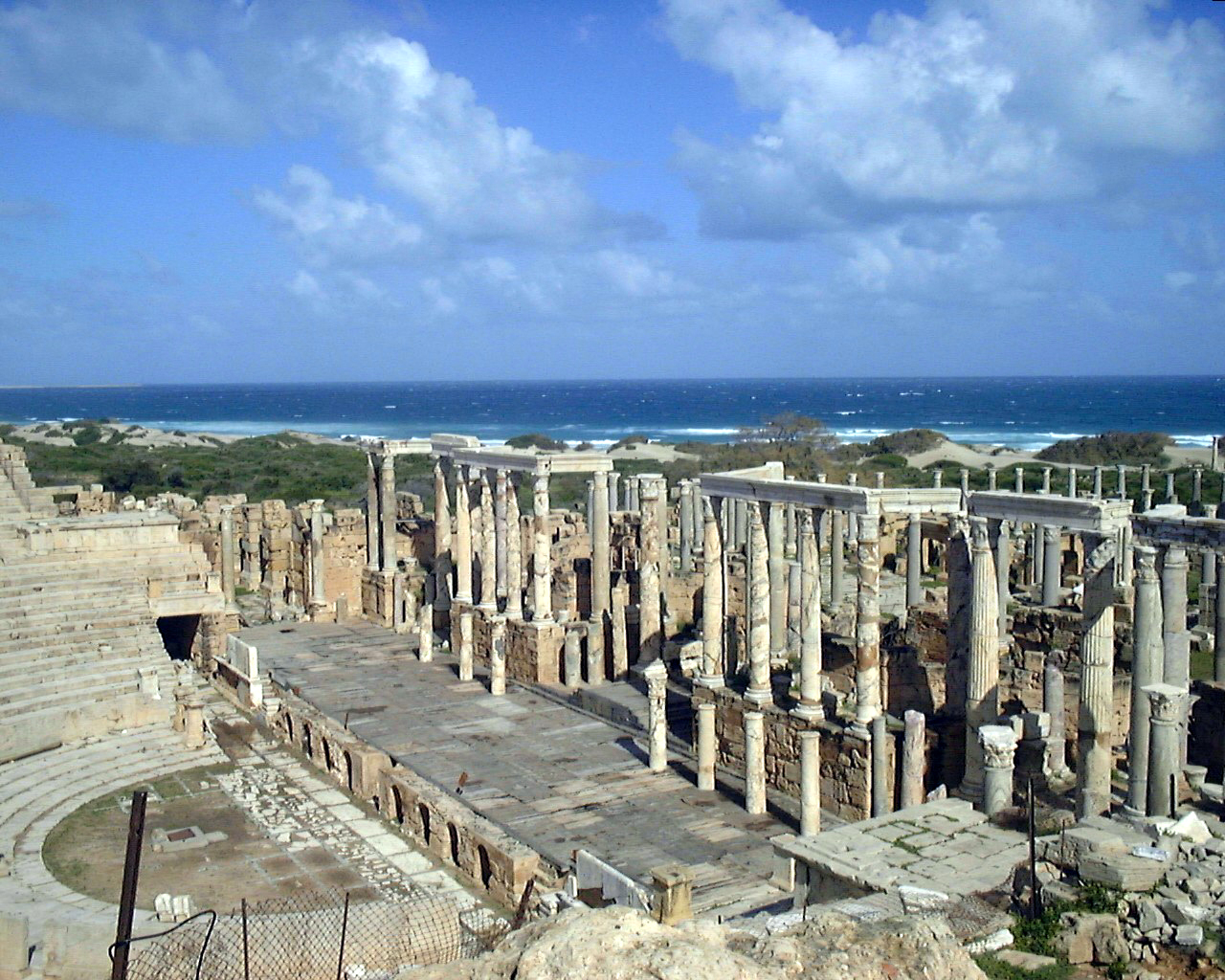
Much of the old city’s present appearance reflects Ottoman and Karamanli influence, although Tripoli’s history reaches back much further through Roman, Phoenician, Islamic, Spanish, Maltese, Ottoman, and Italian periods.
Marcus Aurelius Arch
This surviving Roman monument is one of Tripoli’s best-known archaeological landmarks and stands near the historic medina.
Red Castle
The Red Castle, also known as As-Saraya Al-Hamra, occupies a prominent position beside the old city and the Mediterranean waterfront.
Traditional Souks
The medina’s market streets have historically included textiles, jewelry, household products, spices, crafts, and small local businesses.
Historic Mosques
Tripoli contains several historic mosques reflecting different periods of Islamic and Ottoman architectural development.
Martyrs’ Square
This large central square connects the old city, waterfront, government district, and important urban routes.
Mediterranean Waterfront
The city’s coastal setting has shaped its history as a port, commercial center, and meeting point between North Africa and Europe.
Food and Local Dining
Tripoli’s food reflects Libyan, Mediterranean, North African, Arab, Ottoman, and Italian influences. Meals may include couscous, pasta, rice, lamb, seafood, legumes, vegetables, dates, olives, bread, soups, and strongly flavored sauces.
Libyan Couscous
Couscous may be served with meat, vegetables, chickpeas, and a seasoned tomato-based sauce.
Bazin
Bazin is a traditional dense barley-based dish commonly served with sauce, potatoes, eggs, vegetables, or meat.
Seafood
Tripoli’s coastal location supports dishes made with fish, shellfish, rice, pasta, spices, and grilled ingredients.
Shorba
Libyan soup is often prepared with tomato, grains or pasta, herbs, spices, and meat.
Tea and Coffee
Tea and coffee are important parts of local hospitality and social life.
Italian Influence
Pasta, baked goods, coffee, and some urban dining traditions reflect Libya’s historical connection with Italy.
Climate and Seasonal Health
Tripoli has a Mediterranean-influenced climate, with hot, dry summers and generally milder, wetter winters. Heat, strong sunlight, dust, and dry conditions can affect travelers.
Spring
Temperatures may be comfortable for walking, although dust, wind, and changing conditions can occur.
Summer
Summer can be very hot. Reduce strenuous outdoor activity during the hottest hours and monitor for signs of heat illness.
Autumn
Early autumn may remain hot, while later weeks can provide milder conditions and occasional rain.
Winter
Winter is usually milder than in much of the United States, but rain, wind, and cooler evenings are possible.
Travel-Health Preparation
- Consult a healthcare professional: Arrange a pre-travel consultation well before departure to review vaccinations and individual medical risks.
- Carry sufficient medication: Bring enough prescription medicine for the full trip in its original labeled packaging.
- Prepare for limited healthcare access: Medical facilities and supplies may be limited or disrupted.
- Purchase suitable insurance: Confirm whether the policy covers Libya, medical evacuation, armed conflict exclusions, and pre-existing conditions.
- Prevent foodborne illness: Choose safe food and water and maintain careful hand hygiene.
- Protect against heat: Plan outdoor activity around the temperature and drink regularly.
- Carry a medical summary: Travelers with chronic conditions should carry a concise medical history, medication list, allergies, and emergency contacts.
Important Emergency Information
Save emergency numbers before departure and confirm them with your accommodation, host, employer, or local contact after arrival. Telephone access and emergency response may be inconsistent.
Cultural and Practical Considerations
- Arabic is the main language; English may not be widely understood.
- Dress modestly and respect local Islamic customs.
- Ask permission before photographing people.
- Avoid photographing military, police, government, or security sites.
- Alcohol is prohibited in Libya.
- Public behavior considered acceptable in the United States may violate local law.
- Carry identification as required, but keep secure copies separately.
- Do not discuss sensitive political or security matters casually.
Transportation and Getting Around
Transportation arrangements should be planned carefully. Road conditions, checkpoints, security restrictions, fuel availability, and local disruptions may affect journeys with little notice.
Airport Transfers
Arrange a trusted driver or organization-approved transfer before arrival. Avoid accepting unverified transportation offers.
Local Driving
Traffic behavior and road conditions may differ significantly from those in the United States.
Intercity Travel
Long-distance travel can involve security risks and should not be undertaken without current local advice and reliable arrangements.
Before Considering Travel
- Read the latest U.S. Department of State advisory.
- Review Libya’s entry and visa requirements.
- Confirm that your passport is valid.
- Arrange an individual travel-health consultation.
- Check whether insurance coverage is valid in Libya.
- Prepare a medical and security evacuation plan.
- Save emergency contacts offline.
- Arrange trusted airport and local transportation.
- Share your itinerary with a responsible contact.
- Monitor local developments until departure.
Find Flights to Tripoli
What is the currency in use in the city of Tripoli? Libyan dinar
Tripoli Streets Map
BOOK THE BEST TOURS
Tripoli is the capital city of Libya.


Search Hotels
Choose your dates and guests — opens results in a new tab.


