

Country's codes
International phone code for Uruguay: +598
Standard EAN-13 (country barcode): 773
 Olympic country code: URU
Uruguay Travel Guide
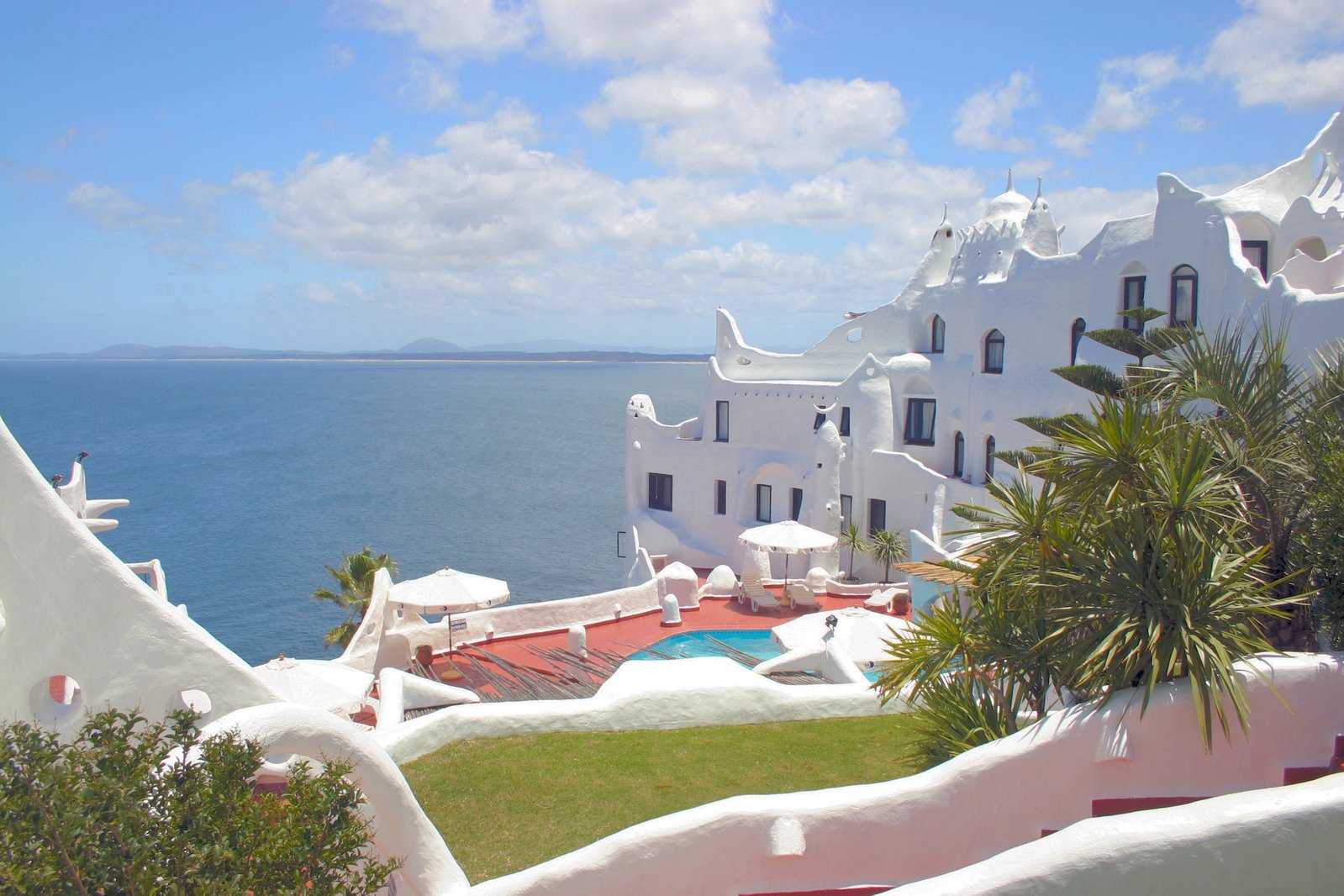

Uruguay offers beautiful coastlines, relaxed beach resorts, historic UNESCO sites, and a welcoming culture. From the elegant streets of Montevideo to the glamorous beaches of Punta del Este, the country combines natural beauty with rich cultural heritage.
Top Attractions in Uruguay
Punta del Este
Uruguay’s most famous beach resort, Punta del Este is known for luxury hotels, nightlife, and beautiful beaches such as Playa Brava and Playa Mansa.
Montevideo Old Town
The capital city’s historic district, Ciudad Vieja, features colonial buildings, art galleries, and lively markets along the waterfront.
Colonia del Sacramento
This UNESCO World Heritage Site is a beautifully preserved colonial town with cobblestone streets, historic architecture, and scenic river views.
Cabo Polonio National Park
A remote coastal reserve known for sand dunes, sea lion colonies, and a rustic village atmosphere without paved roads or electricity.
Best Places to Visit
- Montevideo – Uruguay’s vibrant capital with beaches, museums, and historic districts.
- Punta del Este – A glamorous resort destination along the Atlantic coast.
- Colonia del Sacramento – A charming colonial town near the Argentine border.
- Piriápolis – A scenic seaside resort surrounded by hills.
- Rocha Coast – A beautiful region with wild beaches and nature reserves.
Things to Do in Uruguay
- Relax on the beaches of Punta del Este.
- Walk through the historic streets of Colonia del Sacramento.
- Explore Montevideo’s markets and cultural landmarks.
- Watch sea lions along the Atlantic coast.
- Enjoy traditional Uruguayan barbecue known as “asado.”
Travel Tips for Visitors
- The summer months (December–February) are best for beach vacations.
- Public buses provide reliable transportation between cities.
- Spanish is the official language, but English is common in tourist areas.
- Uruguay uses the same electrical outlets as much of South America (Type C, F, and L).
Useful Country Information
Useful country information
Land area: 67,035 sq mi (173,621 sq km); Total area: 68,039 sq mi (176,220 sq km)
Population (2023 est.): about 3.5 million
Capital and largest city: Montevideo, approximately 1.8 million in the metropolitan area
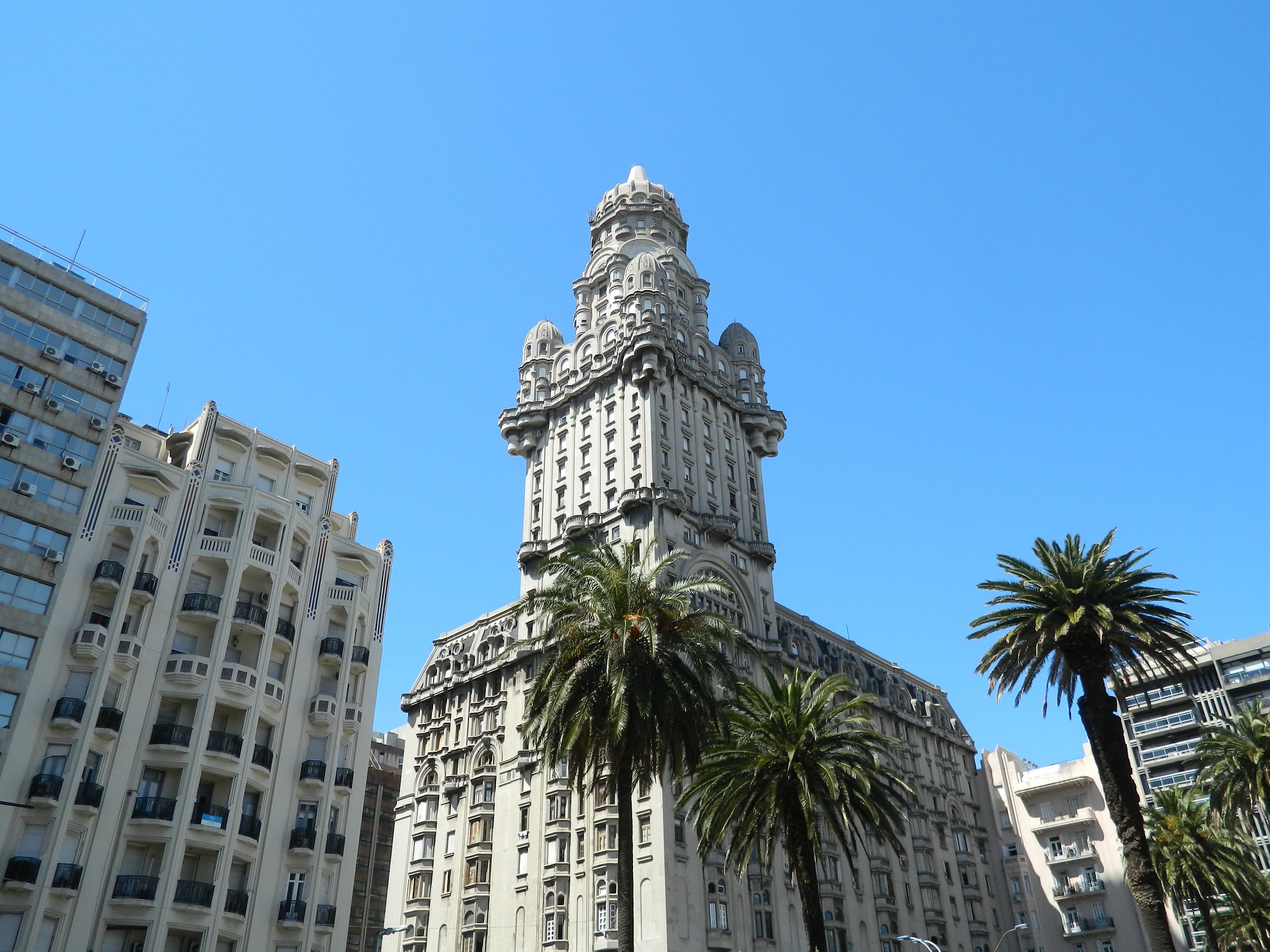
Montevideo: Capital City Profile
Monetary unit: Uruguayan peso (UYU)
National name: Oriental Republic of Uruguay (República Oriental del Uruguay)
Languages: Spanish (official); Portuñol or Brazilian Portuguese dialect spoken in border areas
Ethnicity/race: European descent about 88%, mestizo about 8%, Afro-Uruguayan about 4%
Religions: Roman Catholic about 47%, Protestant about 11%, Jewish about 0.3%, other and unaffiliated groups

Background:
Uruguay is famous for its beaches, good cultivatable lands and and brilliant soccer players. It is known as one of the most progressive nations on the continent.
Uruguay economic is based on agricultural sector, exporting products such as meat, grains, dairy wood, pharmaceuticals, and services.
A violent Marxist urban guerrilla movement, the Tupamaros, launched in the late 1960s, led Uruguay's president to agree to military control of his administration in 1973. By the end of the year the rebels had been crushed, but the military continued to expand its hold throughout the government. Civilian rule was not restored until 1985. Uruguay's political and labor conditions are among the freest on the continent.
(Source: CIA - The World Factbook)


