

Country's codes
International phone code for Venezuela: +58
3 letters: VEN
2 letters (internet domain): .VE
Digital country code: 862
Standard EAN-13 (country barcode): 759
 Olympic country code: VEN
Discovering Venezuela: South America's Land of Natural Wonders
From the world’s highest waterfall and Caribbean beaches to the Andes Mountains and Amazon rainforests, Venezuela offers extraordinary landscapes, vibrant culture, and unforgettable adventures for travelers seeking wellness, nature, and discovery.
Venezuela is one of South America's most geographically diverse countries. Home to Angel Falls, the Caribbean coastline, vast savannas, and tropical forests, it presents visitors with opportunities for eco-tourism, adventure travel, wildlife observation, and cultural experiences unlike anywhere else on Earth.
Getting There
Venezuela's primary international gateway is Simón Bolívar International Airport (Maiquetía) near Caracas. International access is mainly by air, with connections from several countries in Latin America, Europe, and the Caribbean.
By Air
International flights arrive primarily in Caracas, with domestic connections to major cities and tourist regions.
By Sea
Cruise ships and private vessels occasionally visit Caribbean destinations such as Margarita Island.
By Land
Venezuela shares borders with Colombia, Brazil, and Guyana, though border conditions should always be checked before travel.
Best Time to Visit Venezuela
Venezuela has a tropical climate with regional variations due to altitude and geography. The dry season generally provides the most comfortable conditions for exploring.
Ideal weather for beaches, national parks, mountain adventures, and wildlife viewing.
- December–April: Dry season with sunny conditions across most regions.
- May–November: Rainy season, bringing lush landscapes and fuller waterfalls.
- June–September: Excellent time for viewing Angel Falls at peak water flow.
- Year-Round: Coastal Caribbean destinations maintain warm temperatures throughout the year.
Top Destinations in Venezuela
Angel Falls
The world's highest uninterrupted waterfall plunges from the summit of Auyán-tepui in Canaima National Park. It is among the most spectacular natural attractions on Earth.
UNESCONatureAdventure
Canaima National Park
Famous for its ancient tabletop mountains known as tepuis, canoe excursions, waterfalls, and unique ecosystems found nowhere else in the world.
National ParkWildlifeHiking
Margarita Island
A popular Caribbean getaway featuring sandy beaches, warm waters, water sports, seafood restaurants, and year-round sunshine.
BeachRelaxationCaribbean
Caracas
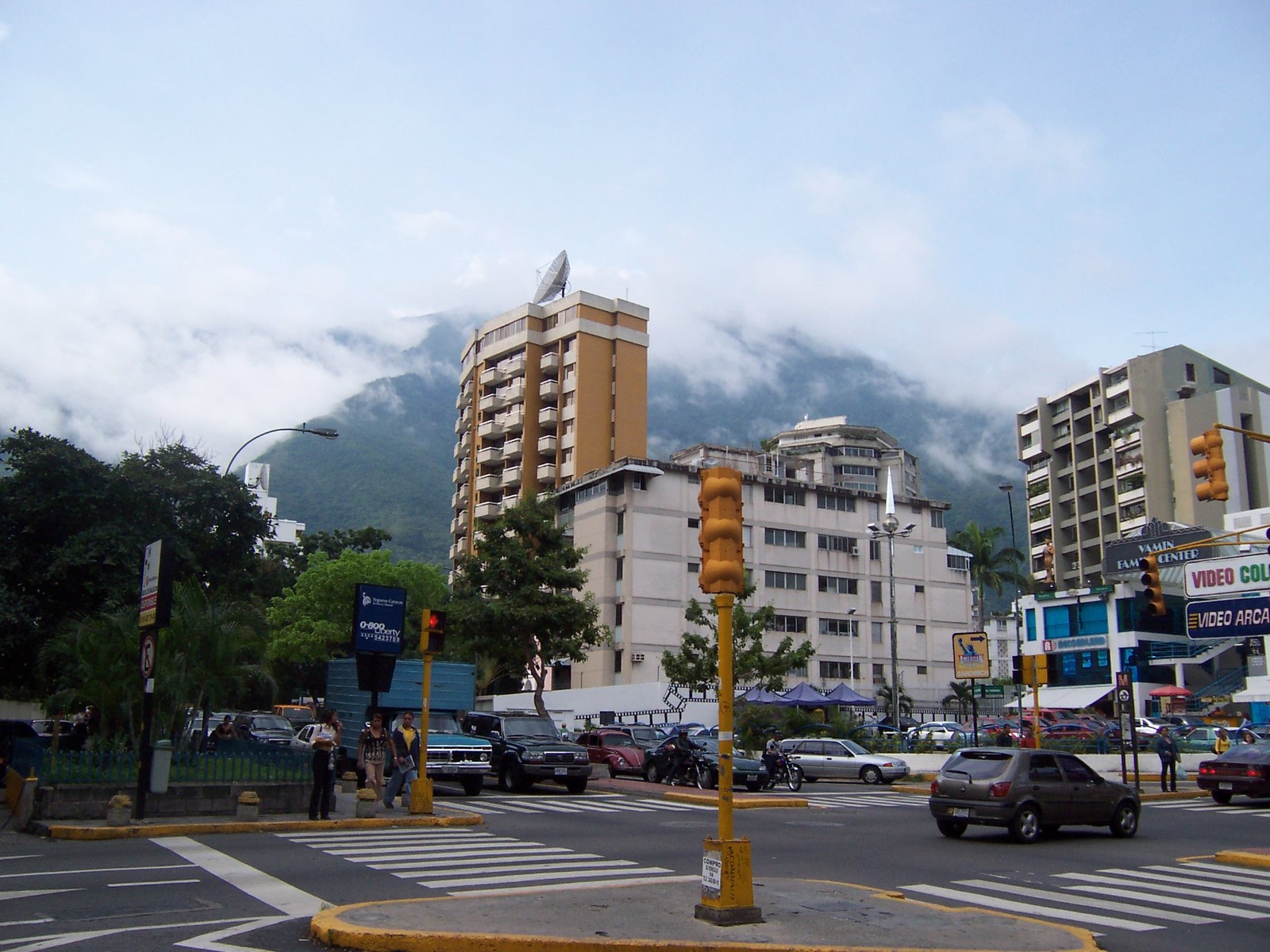
Venezuela's capital city blends modern urban life with historic districts, museums, parks, and mountain views provided by El Ávila National Park.
CityMuseumsCulture
Venezuelan Andes
Centered around Mérida, this region offers cool mountain air, hiking trails, scenic valleys, and some of the highest peaks in northern South America.
MountainsNatureTrekking
Healthy Travel Advice
Eat Local:
Sample traditional dishes such as Arepas, Pabellón Criollo,
fresh tropical fruits, and Caribbean seafood specialties.
Outdoor Activities: Venezuela is ideal for hiking, birdwatching, nature photography, kayaking, and exploring protected natural areas.
Travel Planning: Check current travel advisories, transportation options, and local conditions before visiting remote destinations.
Historical and Political Background
Indigenous and Colonial Heritage
Long before European arrival, Venezuela was home to indigenous peoples including the Arawak and Carib groups. Spanish colonization began in the 16th century, shaping much of the country's language, architecture, and culture.
Independence Era
Venezuela played a crucial role in South America's independence movement. Simón Bolívar, one of the region's most influential leaders, helped liberate several countries from Spanish rule during the early 19th century.
Modern Venezuela
Venezuela is a federal republic known for its significant petroleum reserves. Oil has shaped much of the country's economic and political development since the twentieth century, influencing both prosperity and modern challenges.
Useful Country Information
- Land Area: Approximately 340,560 sq mi (882,050 sq km)
- Total Area: Approximately 353,841 sq mi (916,445 sq km)
- Population: Approximately 28–29 million
- Capital: Caracas
- Other Major Cities: Maracaibo, Valencia, Barquisimeto, Maracay
- Monetary Unit: Bolívar
- Official Name: Bolivarian Republic of Venezuela
- Language: Spanish (official)
- Time Zone: UTC−4
- Highest Point: Pico Bolívar (4,978 m / 16,332 ft)

Monetary unit: Bolivar
Get Travel Insurance Quote

People, Culture & Background
Ethnic Diversity
Venezuela is one of Latin America's most culturally diverse nations. Its population reflects a rich blend of European, Indigenous, African, and Middle Eastern heritage. Communities with Spanish, Italian, Portuguese, German, Arab, and Indigenous ancestry have all contributed to the country's cultural identity.
Religion
Christianity is the dominant faith, with Roman Catholicism historically playing an important role in society and culture. Protestant communities and other religious groups are also present, contributing to the country's multicultural character.
Historical Overview
Following independence from Spain in the early nineteenth century, Venezuela experienced periods of political change, regional conflicts, and economic transformation. During the twentieth century, the discovery of vast petroleum reserves helped shape the country's development and positioned Venezuela among the world's major oil-producing nations.
Oil wealth contributed significantly to urban growth, infrastructure expansion, education, healthcare, and modernization, particularly during the mid-to-late twentieth century. Caracas emerged as one of South America's most dynamic cities, attracting migrants from Europe and neighboring countries.
Modern Venezuela
Since the late twentieth century, Venezuela has undergone major political, economic, and social changes. The governments of Hugo Chávez (1999–2013) and Nicolás Maduro introduced policies that significantly reshaped the country's institutions, economy, and international relations.
Culture & National Identity
Venezuelan culture combines Indigenous traditions, Spanish colonial heritage, African influences, and contributions from immigrant communities. Music genres such as Joropo, colorful festivals, Caribbean cuisine, baseball, and strong family traditions form an important part of everyday life.


