
Yaoundé
Known as the "City of Seven Hills", Yaoundé is the political capital and second-largest city of Cameroon — a captivating Central African metropolis renowned for its rolling green hills, vibrant markets, rich colonial history, excellent museums, and role as the administrative heart of one of Africa's most culturally diverse nations.
City at a Glance
About Yaoundé
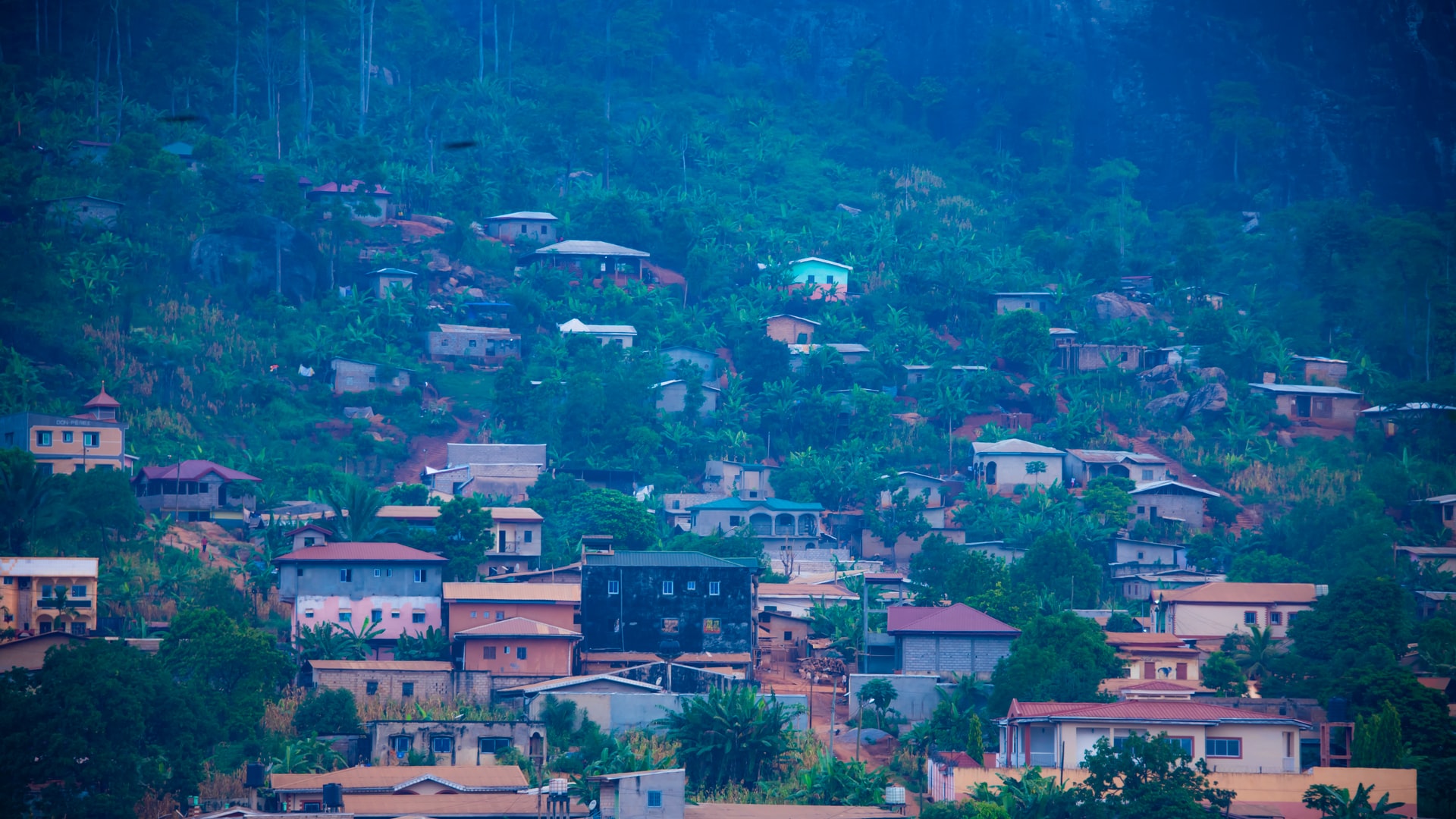
Yaoundé became the capital of Cameroon in 1922 during the French colonial administration and has grown from a small German research station — founded in 1889 by explorer Richard Kund as a base for the ivory trade — into a sprawling metropolis of over four million people. Nestled on a plateau of rolling hills at roughly 750 metres above sea level, between the Nyong and Sanaga rivers, the city enjoys a pleasantly temperate climate despite sitting just 3° north of the equator. Its distinctive undulating landscape, dotted with lush tropical vegetation, earned it the evocative nickname "City of Seven Hills."
Today, Yaoundé is the undisputed hub of Cameroonian political life — home to the presidency, parliament, Supreme Court, and dozens of foreign embassies. Yet beyond its administrative role, it offers travellers a genuinely rewarding experience: vibrant open-air markets bursting with colour and life, colonial and modernist architecture, some of Central Africa's most respected museums, and a welcoming culture shaped by over 200 ethnic groups. With the Congo Basin rainforest to the south and the road to the coast opening westward, Yaoundé is also a superb launching pad for exploring the remarkable diversity of "Africa in miniature."
Best Time to Visit & Weather
Long Dry Season Best Time
December – March. The finest time to visit Yaoundé. Sunny skies, lower humidity, and temperatures of 24–28 °C make for ideal conditions. This is peak tourist season — the city is at its liveliest, outdoor activities are easy, and excursions to the surrounding countryside are excellent. Book accommodation in advance over the Christmas–New Year period.
First Wet Season
April – June. The long rains arrive, bringing daily afternoon showers. The city turns a deeper, lusher green and temperatures stay warm (22–26 °C). Rain is typically intense but short-lived — mornings are often bright and clear. A reasonable time to visit with fewer tourists and lower hotel prices than the dry season.
Short Dry Season Great Value
July – August. A brief drier interlude brings cooler, misty conditions (20–24 °C) — the coolest period of the year. The city is quieter and hotels offer good value. Excellent for museum visits, market exploration, and city walks without the intense midday heat found at lower elevations.
Second Wet Season
September – November. The heaviest rains of the year — particularly July to September — can make some roads and excursions challenging. Humidity climbs significantly. That said, the city remains fully functional and the landscape is spectacularly green. Budget travellers will find the best hotel rates of the year during this period.
- Yaoundé sits at ~750 m (2,460 ft) above sea level — significantly cooler and more comfortable than the coast; daytime temperatures rarely exceed 30 °C year-round.
- Douala, Cameroon's main economic hub and international gateway, is just ~230 km (3 hours) by road — easily combined with a Yaoundé visit.
- The Mont Fébé hilltop on the city's northern edge offers the best panoramic views of Yaoundé and its seven hills — a must for a clear-day half-day excursion.
- French is the dominant language in Yaoundé — a few basic phrases are warmly received; English is spoken in some hotels and tourist-facing businesses.
- Yaoundé's markets — especially Mokolo Market — are best visited in the morning when they are freshest, coolest, and most vibrant.
Top Attractions
National Museum of Yaoundé
Housed in the former presidential palace — an imposing Italian Fascist-era building from the 1930s — Yaoundé's National Museum holds extensive collections of Cameroonian art, royal regalia, traditional crafts, masks, and historical artefacts from across the country's 200-plus ethnic groups. One of the richest cultural institutions in Central Africa and an essential introduction to Cameroon's extraordinary diversity.
Monument de la Réunification
A striking spiral tower built between 1973 and 1976 to commemorate the historic reunification of French and British Cameroons in 1961. Designed by Engelbert Mveng, Armand Salomon, and Gédéon Mpando, the monument features intertwining forms symbolising the merging of the two regions. Surrounded by tranquil gardens, it is one of Yaoundé's most photographed landmarks and a powerful emblem of national unity.
Cathedral of Saints Peter & Paul
Built in 1916 on a prominent hilltop in the heart of the city, this Romanesque-style Catholic cathedral is one of Yaoundé's most architecturally distinctive buildings. Its tall tower and the statues of saints lining the façade are visible from across the city. The peaceful interior, rich with religious art, offers a cool, contemplative escape from the urban bustle — and the surrounding hilltop provides some of the best views over central Yaoundé.
Mont Fébé
The highest hill within the city limits, Mont Fébé offers the most spectacular panoramic views over Yaoundé and its seven hills. A luxury hotel and forest walks make it a popular half-day retreat. The surrounding forested slopes are home to various bird species and offer a genuine taste of the tropical woodland that once blanketed this entire plateau. Best visited in the morning for the clearest visibility.
Mokolo Market
Yaoundé's largest and most vibrant open-air market — a sensory feast of colour, sound, and aroma spread across a vast area in the heart of the city. Stalls overflow with colourful textiles, traditional crafts, fresh tropical produce, street food, electronics, and everyday goods. A masterclass in the energy and ingenuity of Central African urban commerce. Visit early in the morning for the freshest produce and coolest conditions.
Independence Square & Monument
The ceremonial centrepiece of Yaoundé, Independence Square marks the spot where Cameroon declared independence from France on 1 January 1960. The independence monument — a tall column with sculptural figures — is a powerful symbol of national pride. The square hosts major state ceremonies, national day celebrations, and public gatherings. The surrounding Quartier des Ministères contains many of Cameroon's key government buildings.
Kennedy Avenue & Bastos Quarter
Yaoundé's main commercial boulevard — anchored at its head by a statue of JFK honouring the founding of the Peace Corps programme in the city. The avenue is always busy with commerce, cafés, and street life. Nearby, the leafy Bastos Quarter is the city's prestigious diplomatic neighbourhood, home to embassies, international organisations, and the city's finest hotels and restaurants.
Mfoundi River & City Parks
The Mfoundi River flows through the city from north to south, threading through its hills and valleys. The riverside areas and city parks — including the gardens around the Réunification Monument — offer green corridors of calm amid the urban activity. The city's forested hilltops provide natural breathing spaces and excellent birdwatching opportunities for nature-minded visitors.
Day Trip Itineraries
Day 1 — History, Culture & the City Heart
- 8:30 AM – Breakfast near Mokolo Market — Start at one of the city's many street-food stalls or local cafés. Try a fresh beignet (deep-fried dough ball) or a riz sauté with a strong Cameroonian café au lait — the perfect local morning fuel.
- 9:30 AM – Mokolo Market — Explore Yaoundé's largest market at its morning best. Wander the textile stalls, admire the fresh tropical produce, and pick up local crafts. Allow 1.5 hours and bring small change for bargaining.
- 11:30 AM – National Museum of Yaoundé — Spend 2 hours in one of Central Africa's finest museums. Don't miss the royal regalia from the Grassfields kingdoms and the remarkable collection of traditional masks.
- 2:00 PM – Lunch in the Bastos Quarter — Head to the diplomatic quarter for lunch at one of its excellent restaurants. Try ndolé (bitter-leaf stew with peanuts and plantain) — Cameroon's unofficial national dish — at a traditional restaurant.
- 4:00 PM – Cathedral of Saints Peter & Paul & hilltop views — Visit the 1916 cathedral and enjoy the views from its hilltop setting over the city centre. Walk the surrounding streets to admire the mix of colonial and modern architecture.
- 6:30 PM – Monument de la Réunification at sunset — The spiral tower is particularly atmospheric at dusk. Stroll the surrounding gardens before dinner at one of the city-centre restaurants.
Day 2 — Hills, Monuments & Local Life
- 8:00 AM – Mont Fébé sunrise excursion — Head to Mont Fébé early for the clearest panoramic views over Yaoundé and its surrounding hills. Walk the forest trails, spot birds in the canopy, and enjoy the cool morning air before the city heats up.
- 10:30 AM – Independence Square & Quartier des Ministères — Return to the city centre to visit Independence Square and the government quarter. The impressive colonial-era administrative buildings and the independence monument offer a fascinating insight into Cameroon's post-independence nation-building.
- 12:30 PM – Kennedy Avenue lunch — Walk the length of this busy commercial boulevard, visit the JFK statue, and stop for lunch at one of the many informal restaurants. Try a grilled fish or brochettes de viande from a street grill.
- 2:30 PM – Bastos Quarter & diplomatic neighbourhood walk — Explore the leafy streets of Bastos, admire the embassy buildings and French-colonial villas, and stop at one of the quarter's excellent patisseries for a coffee and French pastry.
- 4:30 PM – Mfoundi riverside walk — Follow the river path through the city, observing local daily life along its banks. The late afternoon light on the hills surrounding the city is particularly beautiful.
- 7:30 PM – Traditional evening dinner — End the day at a traditional Cameroonian restaurant. Order the full experience: koki (bean cake), grilled plantains, and a main of poulet DG (chicken with plantain and vegetables) — one of Cameroon's most celebrated dishes — washed down with a cold Cameroon beer.
Local Food & Dining
Cameroonian cuisine is one of Central Africa's richest and most varied culinary traditions — a vibrant fusion of tropical ingredients, Central African cooking techniques, and French culinary influence, built on exceptional local produce: fresh rainforest herbs, mountain vegetables, river fish, tropical fruits, and aromatic spices. Yaoundé's dining scene ranges from bustling street-food stalls and family-run maquis (local tavernas) to polished French-influenced restaurants in the Bastos Quarter.
Must-Try Cameroonian Foods
- Ndolé — Cameroon's unofficial national dish. A rich, slow-cooked stew of bitter ndolé leaves, ground peanuts, fish or meat, and spices — deeply savoury and complex. Served with fried plantains or boiled cassava. Found on every traditional restaurant menu in Yaoundé and absolutely unmissable.
- Poulet DG — "Director General's Chicken" — a festive, celebratory dish of chicken fried with ripe plantains, vegetables, and aromatic spices. Rich, colourful, and deeply satisfying — one of the most beloved dishes of Cameroonian urban cuisine.
- Eru — A bold, intensely flavoured stew from the forests of Southwest Cameroon, made from shredded eru leaves cooked with waterleaf, palm oil, smoked fish, and crayfish. One of the most nutritious and distinctive dishes in the Cameroonian repertoire.
- Koki — Traditional steamed bean cake made from ground black-eyed peas, palm oil, and spices, wrapped and cooked in banana leaves. A popular street food and side dish — dense, nutty, and satisfying. Often eaten at breakfast or as a snack.
- Beignets & Puff-Puff — The ubiquitous street breakfast of Yaoundé: deep-fried dough balls (puff-puff) or flattened beignets, eaten plain or with bean stew. Sold at every street corner from early morning — cheap, filling, and essential for the full local experience.
- Cameroon Beer (33 Export / Guinness Cameroun) — Cold beer is the default social lubricant in Yaoundé's maquis and restaurants. Local brewery 33 Export is an institution; Guinness Cameroun (brewed locally, stronger than the Irish original) is a local favourite with a devoted following.
La Terrasse du Lac
One of Yaoundé's most atmospheric restaurants, set on a lakeside terrace in the Grand Park area. Serves refined Cameroonian and French cuisine — ndolé, grilled fish, and excellent French pastries — in a beautiful outdoor setting. A favourite with the diplomatic community and the city's professional class. Outstanding for a leisurely Sunday lunch.
Maquis du Centre
An authentic local maquis (outdoor taverna) in the city centre — the type of restaurant that every neighbourhood in Yaoundé is built around. Simple plastic tables, cold beer, and outstanding home-style Cameroonian cooking: grilled fish, soya brochettes, plantains, and the daily pot of ndolé. Loud, cheerful, and completely genuine.
Restaurant Le Wouri
A well-regarded restaurant in the Bastos Quarter serving outstanding fresh river fish alongside Cameroonian classics and Franco-African fusion dishes. Known for its excellent smoked catfish, grilled tilapia, and beautiful presentation. A reliable choice for a special-occasion dinner or a long business lunch in a professional atmosphere.
Café de la Paix
Yaoundé's most beloved traditional café — a French-colonial institution in the heart of the city serving excellent café au lait, croissants, and simple French-Cameroonian lunches. The shaded terrace on the main boulevard is one of the best people-watching perches in the city. A daily ritual for Yaoundé's civil servants, journalists, and diplomats since the 1950s.
- Yaoundé offers excellent value dining — a generous traditional meal at a local maquis rarely exceeds 5,000–10,000 XAF (€8–15) per person including a cold beer.
- The Bastos Quarter has the city's highest concentration of international restaurants, French patisseries, and upscale dining — ideal for travellers wanting a wider range of cuisine.
- Street food — especially beignets, brochettes, and puff-puff — is generally safe when freshly cooked and served piping hot from busy stalls.
- Always drink bottled or filtered water — tap water is not reliably safe for visitors in Yaoundé.
- Lunch (12:30–2:30 PM) is the main meal of the day in Cameroonian culture — many traditional restaurants offer their best dishes and best value at lunchtime.
Entry Requirements
Yaoundé is in Cameroon. Most nationalities require a visa to enter Cameroon. An e-visa option is available for eligible nationalities, allowing you to apply online before your trip. Apply for Cameroon e-Visa List of e-Visa Countries
Important Emergency Numbers
Find Flights to Yaoundé
Yaoundé Airport Code: YAO — Yaoundé Nsimalen International Airport
Cities with IATA Airport CodesCurrency: Central African CFA Franc (XAF)
Currencies of the WorldYaoundé Streets Map
Book the Best Tours

Yaoundé is the capital city of Cameroon, Central Africa.
Cameroon Country Profile


