

Country's codes
International phone code for Yemen: +967
Standard EAN-13 (country barcode): -
 Olympic country code: YEM
Useful Country Information

Sana'a: Capital City Profile
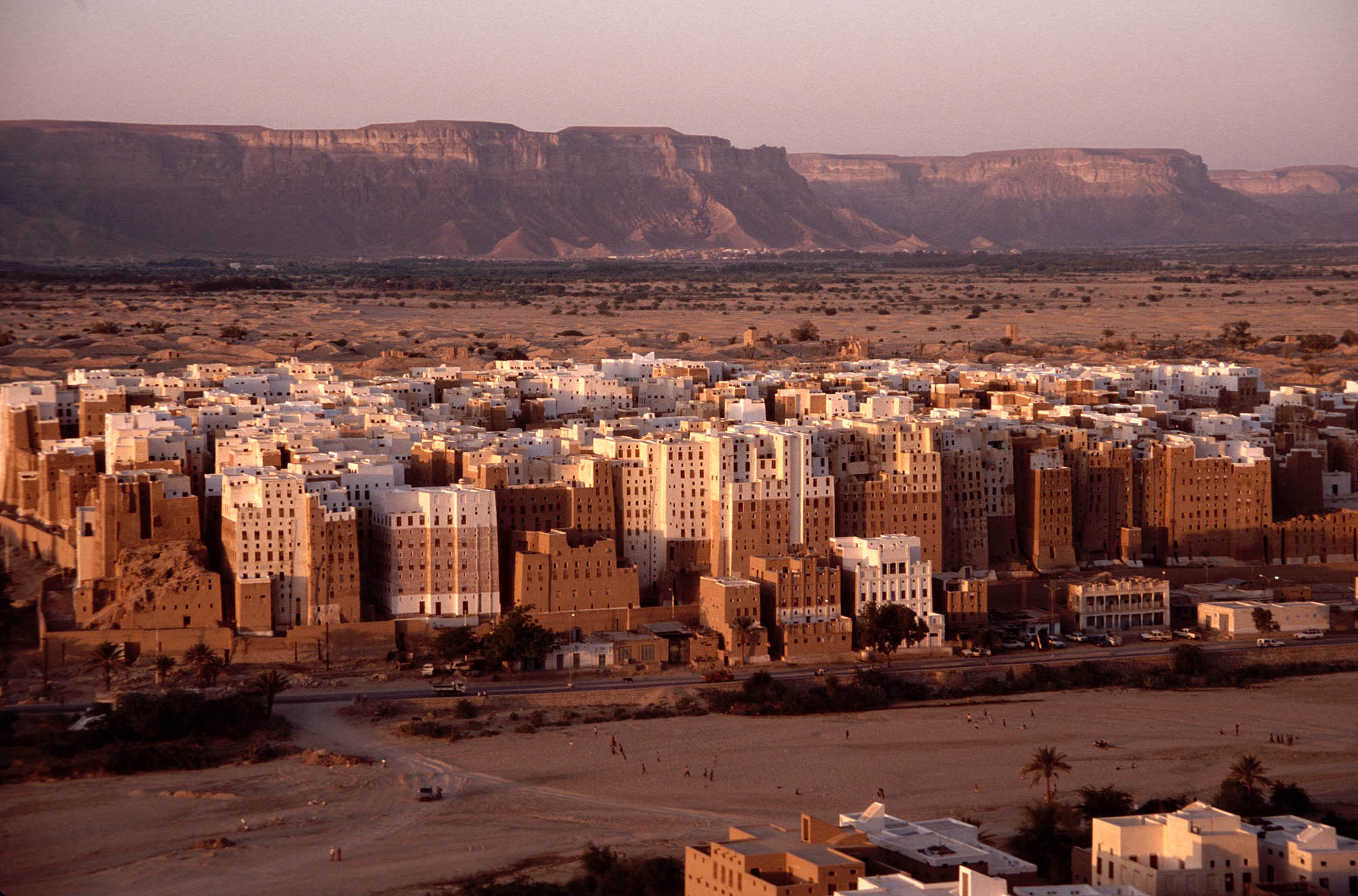
One of the oldest continuously inhabited cities in the world, famous for its UNESCO-listed Old City and tower houses.
Capital CityRepublic of Yemen
- National name: Al-Jumhuriyah al-Yamaniyah
- Other large cities: Aden (784,000), Taiz (596,672), Hodeidah (548,433)
- Language: Arabic
- Ethnicity: Predominantly Arab; also Afro-Arab, South Asian, and European
- Current government officials
Religions
Islam 99.1% (official; virtually all citizens — an estimated 65% Sunni and 35% Shia); other 0.9% (includes Jewish, Baha'i, Hindu, and Christian; many are refugees or temporary foreign residents) (2010 est.)
Background
🌍 Geography
Yemen occupies the southwest tip of the Arabian Peninsula. It faces Ethiopia and Eritrea across the Red Sea and stretches along the southern coast of the peninsula on the Gulf of Aden and the Arabian Sea. The country also includes the remote island of Socotra.
Arabian Peninsula🏺 Ancient Kingdoms
Yemen's history dates back to the Minaean (c. 1200–650 B.C.) and Sabaean (c. 750–115 B.C.) kingdoms — the Sabaeans are linked to the legendary Kingdom of Sheba. Ancient Yemen grew wealthy through the lucrative frankincense and myrrh trade, with the port of Aden at its center.
Historic⚖️ North and South Yemen
North Yemen became independent of the Ottoman Empire in 1918. The British, who had established a protectorate around the southern port of Aden in the 19th century, withdrew in 1967 from what became South Yemen, which adopted a Marxist orientation three years later. The mass movement of hundreds of thousands of Yemenis from south to north fueled two decades of hostility between the two states.
20th Century🤝 Unification
The two states were formally unified as the Republic of Yemen in 1990. A southern secessionist movement in 1994 was quickly subdued, and in 2000 Saudi Arabia and Yemen agreed to a delimitation of their shared border.
Modern Yemen


Source of Information:


