Abuja Weather
ABUJA WEATHERAbout Abuja
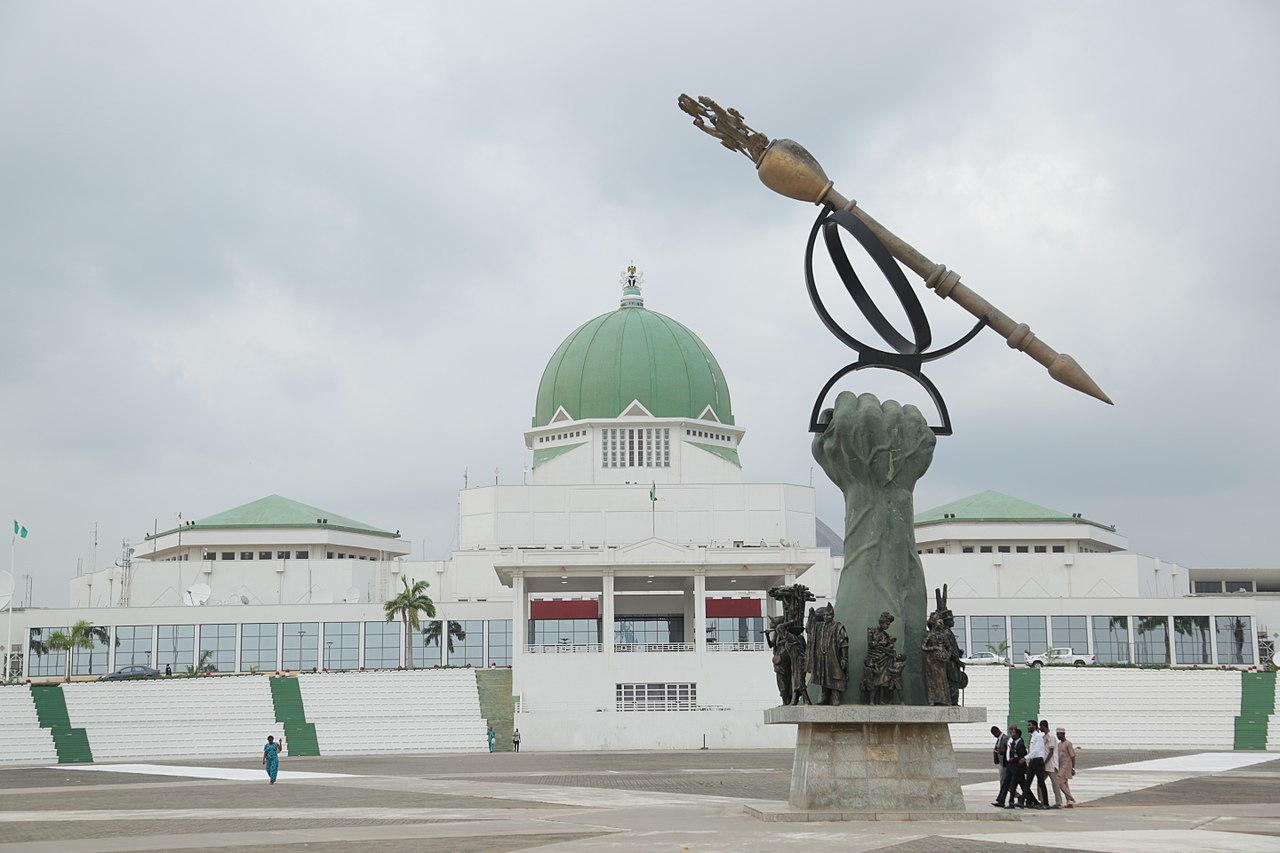
Abuja is the federal capital of Nigeria — a purpose-built, meticulously planned city rising from the savannah of Nigeria's Federal Capital Territory at the precise geographic centre of Africa's most populous nation, a location chosen with deliberate political intent: to create a neutral capital accessible to all of Nigeria's diverse ethnic and regional constituencies, free from the dominance of Lagos in the south and the historic Hausa-Fulani cities of the north. Lagos served as Nigeria's capital until December 1991, when the seat of government was formally transferred to Abuja — a transition that transformed a largely undeveloped plateau landscape into one of Africa's most modern, fastest-growing, and most dramatically situated capital cities. With a population approaching 3.5 million and a metropolitan area growing at one of the highest rates on the continent, Abuja is today a city of striking contrasts: the gleaming government buildings and wide boulevards of the Central Business District against the rocky granite inselbergs that erupt dramatically from the surrounding plateau; the world-class Nigerian National Mosque and National Christian Centre representing the deliberately balanced religious identity of a city designed to transcend Nigeria's historic divisions; and the extraordinary cultural vitality of a metropolis that has attracted Nigeria's political, diplomatic, business, and creative elite from every part of the country's extraordinary ethnic and cultural mosaic. Dominated by the iconic Aso Rock — a 400-metre monolithic granite outcrop that looms over the presidential complex and gives the city its most recognisable skyline — Abuja is a capital that wears its ambitions openly, a monument to Nigeria's determination to project modern statehood and continental leadership from the heart of the African continent.
Best Time to Visit Abuja & Weather Guide
Abuja has a tropical wet and dry climate (Köppen Aw) — characterised by a pronounced dry season from November to March and a rainy season from April to October — shaped by its position on the Jos Plateau at an elevation of approximately 840 metres, which moderates the extreme heat of Nigeria's lowland cities and produces a more comfortable year-round temperature range than Lagos or Kano.
☀️ Dry Season (November–February)
The finest time to visit Abuja — temperatures of 24–33°C, minimal rainfall, clear skies, and the relatively low humidity that makes outdoor sightseeing genuinely comfortable. December and January are the coolest months: the harmattan — the dry, dusty wind blowing from the Sahara across the West African savannah — brings haze and a characteristic dusty atmosphere that softens the light and gives the city a distinctive dry-season beauty, while dropping temperatures to a cool 18–22°C at night. The festive season brings considerable energy to Abuja's restaurants, hotels, and entertainment venues, as Nigerians from across the diaspora return for Christmas and New Year celebrations. The dry season is also the most comfortable period for day trips to Zuma Rock, the Gurara Falls, and the markets and cultural sites of the surrounding region.
Best Time to Visit🌤️ Late Dry / Early Rains (March–April)
A transitional period of rising heat and approaching rains — temperatures climb to 35–40°C in March and April as the harmattan retreats and the moisture of the approaching rainy season begins to build humidity. March can be very hot but remains relatively dry; the evenings in the restaurant gardens and rooftop bars of the Wuse and Maitama districts are still pleasant. April brings the first rains — often in the form of spectacular, dramatic thunderstorms of great intensity — that relieve the heat and turn the savannah landscape around the city to vivid green almost overnight. The transition season offers lower hotel prices than the December–January peak and can be an interesting time to visit for travellers comfortable with the heat.
Transition Season🌧️ Rainy Season (May–October)
Abuja's green season — temperatures of 25–32°C, regular afternoon and evening rainfall of considerable intensity, high humidity, and the lush transformation of the savannah landscape around the city into deep tropical green. The rainy season is not necessarily a deterrent for visitors: the rainfall is typically concentrated in afternoon and evening downpours rather than sustained grey days, mornings are usually clear and warm, and the surrounding landscape is at its most beautiful. The Gurara Falls and other waterfalls of the Federal Capital Territory region are at their most spectacular during the rainy season. Hotel prices are at their lowest. October marks the end of the rains and the beginning of the transition back to the dry season — a pleasant shoulder period of cooling temperatures and greening landscape.
Green Season🎉 Festive Season (December)
December is Abuja at its most vibrant and socially energetic — the confluence of the dry season's comfortable weather with the return of the Nigerian diaspora for Christmas and New Year creates an atmosphere of celebration, spending, and cultural richness that is unique to this time of year in the Nigerian capital. The city's restaurants, nightclubs, suya spots, and outdoor events venues operate at maximum intensity; hotel rates reach their annual peak and advance booking is essential. The Abuja Carnival (typically held in late November or early December) — a colourful parade of masquerades, cultural performances, and music from Nigeria's diverse ethnic traditions — is the most spectacular single cultural event in the city's annual calendar, drawing participants and spectators from across Nigeria and the wider African diaspora.
Peak Festive SeasonDry Season (Nov–Feb): Lightweight summer clothing for the warm days; a light layer for harmattan evenings when temperatures can drop noticeably after dark. Sunscreen and sunglasses for the bright dry-season sun. Lip balm and moisturiser — the harmattan wind is extremely drying for skin and lips. A dust mask or buff can be useful during peak harmattan haze in January.
Hot Season (Mar–Apr): The lightest possible breathable cotton or linen clothing; high-factor sunscreen; stay hydrated — the pre-rains heat can be severe. Light, quick-drying fabrics.
Rainy Season (May–Oct): A compact umbrella or lightweight rain jacket for intense afternoon downpours. Waterproof shoes or sandals for flooded streets after heavy rain. Insect repellent — mosquitoes are active during and after rainfall; malaria prophylaxis is strongly recommended for all visitors to Nigeria.
Year-round: Malaria prophylaxis (consult your GP before travel) and insect repellent are essential for all visitors. Dress modestly in traditional areas and when visiting mosques or churches. Nigerian business dress culture in Abuja tends towards the formal — smart casual is appropriate for restaurants and hotels. Comfortable footwear for the city's uneven pavements. A power bank is invaluable — electricity supply can be intermittent even in Abuja's better districts.
Top Attractions in Abuja
Abuja offers a distinctive range of attractions that reflect its identity as a planned modern capital — from the monumental government architecture of the Central Business District and the dramatic natural landmark of Aso Rock, to the vibrant craft markets, contemporary arts scene, and remarkable natural landscapes of the surrounding Federal Capital Territory.
🗿 Aso Rock & Aso Villa
The defining natural and political landmark of Nigeria's capital — Aso Rock, a massive 400-metre monolithic granite inselberg erupting from the plateau immediately north of the Central Business District, dominates the Abuja skyline from virtually every point in the city and has given its name to the Nigerian Presidency itself. The Aso Villa (Presidential Villa) — the residence and working office of the Nigerian President, constructed at the base of the rock in a compound of considerable architectural ambition — is not open to the public, but the rock itself forms the dramatic backdrop to the Three Arms Zone of government buildings: the National Assembly Complex, the Supreme Court, and the Presidential Complex. The view of Aso Rock from the Central Business District at sunset — the granite turning warm ochre in the fading light — is the most iconic image of the Nigerian capital.
City's Iconic Landmark🕌 Nigerian National Mosque
One of the most architecturally impressive mosques in sub-Saharan Africa and a deliberate symbol of Nigeria's federal identity — the Nigerian National Mosque, completed in 1984 on a prominent site in the Central Business District, was built by the federal government as an explicit statement of religious inclusion: a gift to the Muslim half of Nigeria's population, balanced by the adjacent Nigerian National Christian Centre built on an equally prominent site nearby. The mosque's four golden minarets and its capacity to accommodate 100,000 worshippers make it one of the largest mosques on the African continent. Non-Muslim visitors are welcome outside prayer times with appropriate modest dress; the mosque's interior, its vast courtyard, and the views of Aso Rock from the mosque terrace are among the most impressive experiences available in Abuja's monumental core.
Architectural Landmark🏛️ Nigerian National Museum & Arts & Crafts Village
Nigeria's federal cultural institutions in the capital — the National Museum Abuja, located in Wuse Zone 4, houses a representative collection of Nigerian archaeological and ethnographic material: Nok terracotta figurines (among the oldest figurative sculpture in sub-Saharan Africa, dating to 500 BC–200 AD), Benin bronze castings, Yoruba wooden sculpture, and Igbo ceremonial objects that provide an essential introduction to the extraordinary cultural depth of Nigeria's artistic heritage. Adjacent to the National Museum, the National Arts and Crafts Village (Abuja Arts and Crafts Village) is the finest single venue in the capital for purchasing authentic Nigerian craft work: woodcarving, bronze casting, leatherwork, textile weaving, beadwork, and pottery from artisans representing Nigeria's diverse regional traditions — all in an open-air market setting of considerable atmosphere.
Cultural Heritage🪨 Zuma Rock
Nigeria's most famous natural landmark and one of the most impressive inselbergs in West Africa — Zuma Rock, a 725-metre monolithic granite outcrop rising abruptly from the Niger State lowlands 80km north of Abuja along the Kaduna highway, is the defining image on the Nigerian 100-naira banknote and a geological formation of extraordinary scale and visual impact. The rock's sheer vertical faces, its remarkable surface patterning — which in certain light conditions appears to show a human face — and its sacred significance in the traditional culture of the Gwari people who have inhabited the surrounding area for centuries make it one of the most visited natural attractions near the capital. A standard day trip from Abuja (1.5 hours by road), best combined with visits to the Gurara Falls and the Suleja pottery market for a complete day of natural and cultural exploration in the Niger State border region.
Nigeria's Rock Icon🌊 Gurara Falls
The finest natural attraction within easy reach of Abuja and one of the most spectacular waterfalls in West Africa — Gurara Falls, located approximately 100km northwest of Abuja in Niger State near the town of Suleja, is a broad, powerful cascade of the Gurara River dropping over a series of granite ledges in a setting of great natural beauty: the surrounding riparian forest alive with birds, the pool below the falls accessible for swimming, and the spray-drenched rocks providing a vivid contrast to the dry savannah landscape of the surrounding plateau. The falls are at their most impressive and dramatic during and immediately after the rainy season (August–October), when the Gurara River runs at maximum volume; during the dry season the flow reduces considerably but the setting remains beautiful and the swimming is excellent. A popular weekend destination for Abuja residents, the falls attract local families particularly on Sundays.
Natural Wonder🎭 Millennium Park & Unity Fountain
Abuja's most beloved public green space and the social heart of the city for families, joggers, and weekend gatherings — Millennium Park, the largest public park in Abuja covering approximately 32 hectares of landscaped gardens, fountains, and open lawns in the heart of the Maitama/Asokoro district, was designed by the Japanese landscape architect Kishio Suga and opened in 2003 by Queen Elizabeth II during her state visit to Nigeria. The park's manicured lawns, ornamental lakes, children's play areas, and open-air performance spaces make it the finest urban park in the Nigerian capital. Adjacent to Millennium Park, the Unity Fountain — a large illuminated fountain in a circular plaza at the junction of Aguiyi-Ironsi and Shehu Shagari Way — is one of the most photographed landmarks in Abuja and the venue for the city's New Year Eve celebrations each year.
City's Green Heart🏺 Wuse Market & Garki Market
The commercial heartbeat of everyday Abuja and the most authentic immersive experience of Nigerian urban life available in the capital — Wuse Market, the largest open market in Abuja's Central District, is a vast, tumultuous, brilliantly colourful bazaar of fabric merchants, food stalls, electronics traders, shoe sellers, hardware suppliers, and artisan craftspeople covering an area of several city blocks in a density of commercial activity that is one of the most sensory-rich environments in West Africa. The fabric section — stacked floor to ceiling with ankara (African wax print), aso-oke (Yoruba handwoven cloth), adire (Yoruba resist-dyed indigo fabric), and Hausa embroidered cloth — is the finest textiles shopping in Abuja. Garki Market, the older of the two major Abuja markets, specialises in fresh produce, traditional medicines, and the cooking ingredients of Nigerian cuisine.
Market Experience🎨 Abuja Arts & Contemporary Culture Scene
Abuja's contemporary arts scene has grown rapidly since 2010 — the presence of Nigeria's political and diplomatic elite, international development organisations, and a large, well-educated professional class has created demand for gallery spaces, cultural venues, and creative events of genuine ambition. The Terra Kulture cultural centre (which has a branch in Abuja in addition to its Lagos flagship) stages theatre productions, exhibitions, and cultural events of high quality. The Abuja Film Corporation supports a local film and television production scene connected to the broader Nollywood industry. The city's growing gallery scene — particularly in the Wuse 2 and Maitama districts — represents emerging Nigerian visual artists working in painting, sculpture, photography, and mixed media of considerable energy and international engagement.
Contemporary ArtsLocal Food Recommendations
Abuja's food scene reflects its status as Nigeria's federal capital — a city where the full diversity of Nigerian regional cuisines coexists with international restaurants serving the diplomatic and expatriate community, a vibrant street food culture anchored by the beloved suya grilling tradition, and a rapidly growing contemporary restaurant scene of genuine ambition.
🍽️ Must-Try Abuja Dishes
- Suya — Nigeria's most beloved street food and one of the most distinctive grilled meat dishes in all of Africa: thin strips of beef (or chicken, ram, or offal cuts) marinated in the complex yaji spice blend — ground roasted peanuts, ginger, paprika, garlic, onion powder, and the proprietary additions of each suya master — threaded on skewers and grilled over open charcoal with extraordinary precision, served wrapped in newspaper with raw onion rings, tomato, and more yaji for dipping. Suya in Abuja is a nightly ritual: the suya spots of Wuse Zone 4, Garki, and the roadside grills of the major boulevards come alive after dark with queues of customers and the irresistible smoke of the charcoal grills. No visit to Abuja is complete without at least one late-evening suya experience — among the finest street food encounters in Africa.
- Jollof rice — West Africa's most celebrated and most fiercely contested dish, and a source of passionate culinary nationalism among Nigerians, Ghanaians, and Senegalese in equal measure: long-grain rice cooked in a rich tomato and pepper base with onion, stock, and the characteristic smoky bottom-of-the-pot crust (party jollof) that Nigerians claim as proof of their country's superiority in the dish. Nigerian jollof rice — particularly the party jollof cooked over firewood at outdoor celebrations — is one of the most deeply satisfying rice dishes in the world, served alongside fried plantain (dodo), coleslaw, grilled chicken, or beef. Found at every Nigerian restaurant in Abuja and at any social gathering of significance.
- Egusi soup with pounded yam — arguably Nigeria's most important traditional dish and the food most associated with celebratory eating across the country's southern and central regions: a thick, intensely flavoured soup made from ground melon seeds (egusi) cooked with a base of uziza leaves or bitter leaf, palm oil, assorted meat and fish (stock fish, smoked catfish, goat meat, cow tripe), and the fermented locust bean seasoning (dawadawa or iru) that gives the soup its characteristically deep, funky complexity. Served with pounded yam — a smooth, elastic, silky paste of boiled yam beaten in a mortar to extraordinary smoothness — or with eba (cassava-flour fufu), egusi with pounded yam is the meal of hospitality, celebration, and deep cultural comfort throughout south-central Nigeria. Found at every traditional Nigerian restaurant in Abuja.
- Banga soup (ofe akwu) — the great palm nut soup of Delta and Igbo cooking, made by crushing fresh palm nuts to extract a rich, aromatic oil base in which fresh fish, crayfish, periwinkles, and assorted meat are slow-cooked with fragrant herbs including obeletientien (a leaf with a distinctive anise-like aroma found only in delta cooking) — a soup of extraordinary depth, fragrance, and complexity that is among the most distinctive regional dishes represented in Abuja's diverse restaurant scene. Served with starch (a distinctive Delta-style fufu made from processed cassava) or pounded yam.
- Kilishi — the Hausa equivalent of biltong or beef jerky and one of the finest snack foods in West Africa: thin sheets of beef marinated in a spice paste of ground peanuts, ginger, chilli, and mixed spices, then sun-dried and grilled to produce a flat, intensely flavoured, shelf-stable meat snack of extraordinary complexity. Kilishi from Kano — the northern city where it is most celebrated — is available at the markets and specialist shops of Abuja's northern Nigeria food district, and makes an outstanding and very portable souvenir of the Nigerian food experience. The finest versions from artisan producers in Kano are products of considerable sophistication.
- Pepper soup — Nigeria's most beloved medicinal and celebratory broth: a clear, intensely spiced soup of goat meat (nkwobi style), catfish (point-and-kill), cow foot, or offal simmered in a fragrant broth of the distinctive ehuru (calabash nutmeg), uda (negro pepper), utazi leaves, and the complex Nigerian pepper soup spice blend — a soup of fiery, aromatic depth that is drunk as a cure for colds, a hangover remedy, a late-night restorative, and a social drink at Nigerian bars and restaurants simultaneously. Point-and-kill catfish pepper soup — where the customer selects a live catfish from a tank for immediate preparation — is the most authentic and memorable version, available at the specialist pepper soup bars of Abuja's Wuse and Area 1 districts.
🍺 Drinks & Bar Culture
- Nigerian beer culture — Nigeria has one of the most vibrant beer cultures in Africa: Star Lager and Guinness Nigeria (the world's second-largest Guinness market after the UK — the Nigerian version is brewed stronger and darker than the Irish original) are the dominant national brands, alongside Hero Lager, 33 Export, and the rapidly growing craft beer scene. Abuja's upmarket bar districts — Wuse 2, Maitama, and the Jabi Lake Mall entertainment complex — serve cold Nigerian lager alongside imported beers in an atmosphere that is distinctly more sophisticated than the popular image of Nigerian nightlife suggests. The beer parlour culture — outdoor bars serving cold Star or Gulder lager with suya and pepper soup in a neighbourhood social atmosphere — is one of the most authentic and enjoyable Nigerian social experiences available in the capital.
- Palm wine — the ancient, naturally fermented sap of the oil palm or raffia palm that has been the foundational alcoholic beverage of southern and central Nigerian culture since time immemorial: a mildly alcoholic, slightly sweet, slightly fizzy, milky-white drink with a yeasty freshness when very new (tapped that morning) and a sharper, more complex fermented character as it ages through the day. Fresh palm wine is available at the traditional restaurant compounds of Abuja's peripheral districts and at specialist sellers in the markets; it is best drunk within hours of tapping for the finest flavour. A cultural experience as fundamental to the understanding of Nigerian food and drink traditions as wine is to France or beer to Germany.
- Zobo and kunu — the great non-alcoholic traditional drinks of northern and central Nigeria: zobo (a brilliant deep-red hibiscus flower infusion sweetened with sugar and flavoured with ginger, cloves, and pineapple — one of the finest natural soft drinks in Africa) and kunu (a mildly fermented grain drink made from millet or sorghum, slightly creamy, mildly sweet, and deeply refreshing in the heat) are available throughout Abuja's markets and street food areas at very affordable prices. Both are served cold in plastic bags or bottles; both are outstanding value and genuinely delicious examples of Nigerian food culture.
- Abuja's nightlife & entertainment — Abuja has a sophisticated nightlife scene centred on the Wuse 2 district, the Jabi Lake Mall entertainment complex, and the upmarket residential areas of Maitama and Asokoro: rooftop bars serving international cocktails alongside Nigerian spirits (ogogoro — the local palm-distilled spirit — and commercially produced Nigerian gins), live Afrobeats music venues, nightclubs that attract both the Nigerian political class and international visitors, and a growing specialty coffee and brunch culture. The intersection of Nigerian hipster culture, diplomatic community socialising, and West African music heritage makes Abuja's contemporary entertainment scene one of the most interesting in West Africa.
🍽️ Where to Eat — Local Tips
- Wuse Market food stalls — the most affordable and authentic introduction to everyday Nigerian cooking in Abuja: the mama put (informal canteen) stalls within and around Wuse Market serve home-cooked Nigerian food — jollof rice, egusi soup, white rice and stew, fried plantain, moin moin (steamed bean pudding) — at prices of extraordinary value (₦500–1,500 for a complete meal, approximately USD 0.50–1.50) in an atmosphere of complete authenticity. The lunchtime service (12–3pm) is the busiest and the food is freshest; the variety of dishes available from the different stalls rewards a slow, exploratory approach.
- Suya spots of Wuse Zone 4 — the stretch of roadside suya grills along the Wuse Zone 4 market perimeter and the major boulevards of the Central District is the finest concentration of suya in Abuja: grills operating from approximately 6pm until midnight or beyond, with the finest suya mai suya (suya masters) producing skewers of extraordinary flavour from their characteristic barrel grills. Budget ₦2,000–4,000 (USD 1.50–3) for a generous portion of suya with onions and extra yaji — outstanding value for one of the finest street food experiences in Africa.
- Yellow Chilli Restaurant (Wuse 2) — widely regarded as one of the finest upmarket Nigerian restaurants in Abuja: a sophisticated, well-designed restaurant serving elevated versions of traditional Nigerian dishes — egusi soup, banga, oha soup, pepper soup, and jollof rice — at mid-range to high prices (₦8,000–18,000 for main courses, approximately USD 6–13) in a comfortable, air-conditioned setting that introduces Nigerian cuisine at its most refined. Popular with the diplomatic and business community; reservations recommended for weekend dinner.
- Area 1 and Garki food district — the Area 1 shopping complex and the Garki district immediately south of the Central Business District contain the finest concentration of traditional Nigerian restaurants, buka establishments, and specialist food shops in the capital: northern Nigerian tuwon shinkafa (rice fufu) with miyan kuka (baobab leaf soup) alongside Igbo peppersoup bars, Yoruba amala restaurants, and the excellent Lebanese and Indian restaurants that serve the diplomatic community. A one-hour walking exploration of the Area 1 food district provides the most comprehensive introduction to Nigerian regional cooking diversity available in Abuja.
- Jabi Lake Mall food court & restaurants — the most modern and internationally oriented dining destination in Abuja: the restaurants, cafés, and food court of the Jabi Lake Mall in the northern Jabi district offer a mix of Nigerian chains, international fast food, and independent restaurants in a lakeside setting of considerable pleasantness. The outdoor terrace restaurants overlooking Jabi Lake are particularly fine in the dry season evenings. The mall's food court provides reliable, affordable, and air-conditioned dining for families and budget-conscious visitors.
🎨 Art, Culture & Creative Scene
- Abuja's creative scene has accelerated dramatically since 2015 — the city's growing population of young, educated, internationally connected Nigerians has produced a generation of artists, designers, musicians, and entrepreneurs who are reshaping the cultural landscape of the capital. The Abuja Photography Festival and the Abuja Art Week have established the city as an important node in the continental African arts circuit, attracting international galleries and collectors to an increasingly vibrant market. The National Gallery of Art on Abubakar Tafawa Balewa Way maintains a permanent collection and temporary exhibition programme that provides the most authoritative overview of Nigerian fine art in the capital.
- Nigeria's extraordinary music culture — the global phenomenon of Afrobeats, which has made Nigerian artists including Burna Boy, Wizkid, Davido, and Tems among the most internationally successful musicians of the 21st century — has its creative epicentre in Lagos, but Abuja's music venue and festival scene offers live performances of genuine quality: the Abuja Carnival, the AFCON-era street parties, and the live music programming of the major hotels and nightlife venues provide regular access to the most dynamic music scene in Africa.
- The Nollywood film industry — the world's second-largest by volume of production, after Bollywood — has a significant presence in Abuja through the Abuja Film Corporation and the growing number of production companies based in the capital. Nollywood screenings, premieres, and film events in Abuja provide an accessible introduction to the world's most prolific African film industry: a cinema culture of extraordinary energy, creativity, and cultural specificity that reflects the full complexity of Nigerian society with a directness and immediacy unmatched in African screen storytelling.
- The annual Abuja Carnival — held in late November or December — is the largest cultural street festival in Nigeria's capital: a procession of masquerades, cultural performance troupes, traditional rulers' delegations, music floats, and dance companies from Nigeria's 36 states, moving through the major boulevards of the Central Business District in a celebration of the country's extraordinary ethnic and cultural diversity. For visitors to Abuja, the Carnival provides a concentrated, spectacular, and deeply moving encounter with the full breadth of Nigerian cultural identity in a single afternoon.
Day Trip Itineraries from Abuja
Abuja's central position in Nigeria and the Federal Capital Territory provides access to a remarkable variety of natural landscapes, historic cities, and cultural sites within 1–4 hours by road:
🪨 Day Trip: Zuma Rock & Gurara Falls
Travel time: 1–1.5 hours north by car | Cost: Car hire recommended; falls entry approx. ₦500
The most popular and rewarding day trip from Abuja — combining Nigeria's most famous natural landmark with the finest waterfall in the Federal Capital Territory region. The drive north on the Kaduna highway passes through savannah landscape of considerable beauty, with Zuma Rock appearing on the horizon as a truly staggering geological apparition — a 725-metre monolith rising sheer from flat farmland with a scale and abruptness that must be seen to be believed. Continue to Gurara Falls via Suleja — most spectacular August–October, still beautiful in the dry season — for swimming, photography, and a picnic in the riverine forest. The combined trip is one of the finest natural day excursions available from any African capital.
Natural Landmarks🏛️ Day Trip: Lokoja — Confluence of the Niger & Benue
Travel time: 2.5–3 hours south by car | Cost: Car hire recommended
Lokoja — the historic confluence city where the Niger and Benue rivers meet in one of the most geographically significant junctions in West Africa — is the oldest British colonial settlement in Nigeria, with a Victorian-era colonial heritage of considerable historical interest: the Lord Lugard House (residence of the first Governor-General of Nigeria), the Confluence Beach viewpoint where the two great rivers merge in a visible confluence of currents, and the Mount Patti viewpoint overlooking the confluence from 300 metres above. Lokoja's position at the heart of the Nigerian interior has given it a layered history of trans-Saharan trade, slave trade, missionary activity, and colonial administration that makes it one of the most historically resonant towns in the country.
Historic Confluence🦍 Day Trip: Yankari Game Reserve
Travel time: 4–5 hours east by car | Cost: Entry + safari approx. USD 20–40; overnight stay recommended
Yankari Game Reserve — Nigeria's most important wildlife conservation area, covering 2,244 square kilometres of Guinea savannah in Bauchi State — is the finest wildlife destination in Nigeria and one of the most accessible in West Africa: one of the largest remaining populations of African elephants in West Africa, alongside buffalo, baboons, waterbuck, warthog, and over 350 bird species. The park's Wikki Warm Springs — a natural warm-water swimming pool of extraordinary clarity, fed by a constant flow of warm mineral water — is one of the most beautiful and unusual natural amenities in Nigeria. Best visited with an overnight stay at the park's Wikki Tourist Camp; possible as a very long day trip from Abuja but more rewarding as a two-day excursion.
Wildlife Safari🏺 Day Trip: Suleja Pottery & Gwari Craft Villages
Travel time: 45 minutes north of Abuja | Cost: Free; car hire recommended
The most accessible cultural day trip from Abuja and the finest opportunity to encounter traditional Nigerian craft production in its natural context — the Gwari (Gbagyi) people of the area immediately north of the Federal Capital Territory are among Nigeria's finest traditional potters, and the villages of Suleja and its surrounds contain family pottery workshops where traditional hand-built, wood-fired ceramics have been produced using unchanged techniques for centuries. The distinctive Gwari pottery — round-bottomed water pots, cooking vessels, and decorative objects in natural terracotta with incised geometric decoration — is available directly from the makers at prices far below those in Abuja's craft shops. Combine with a stop at Zuma Rock for a highly rewarding half-day of cultural and natural exploration.
Craft & CultureTourist Tips for Abuja
🚌 Getting Around
- Abuja is a car-oriented city designed for private vehicle transport — the wide boulevards, dispersed zonal layout, and distances between the major districts make walking impractical for most tourist itineraries. Uber operates in Abuja and is the strongly recommended transport option for visitors: reliable, metered, with English-language interfaces and transparent pricing. A typical Uber journey within the Central Business District costs ₦800–2,000 (approximately USD 0.60–1.50); longer journeys to Maitama or Jabi ₦2,000–4,000.
- Bolt also operates in Abuja and offers competitive pricing to Uber — having both apps installed provides more options and occasionally better pricing during surge periods. Both apps are the strongly preferred option over negotiating fares with unmetered private taxis, which are unreliable for pricing.
- BRT buses (Bus Rapid Transit) operate on some major corridors of Abuja including the airport road and some Central District routes — affordable (₦200–500) but slow and with limited coverage of the tourist areas. More useful for local commuting than for visitor itineraries.
- Keke NAPEP (motorised tricycle taxis) provide last-mile transport in the residential districts and market areas — useful for short distances in Wuse, Garki, and Area 1, at fares of ₦200–500 negotiated before boarding. Exercise standard caution and agree the fare in advance.
- Nnamdi Azikiwe International Airport (ABV) is 45km from the city centre — approximately 45–60 minutes by Uber or airport taxi (₦8,000–15,000, approximately USD 6–11). The drive along the Abuja–Kaduna Expressway is well-maintained and safe during daylight hours. Allow extra time for traffic on the approach to the airport during peak hours.
💡 General Safety & Travel Tips
- Nigeria uses the Nigerian Naira (NGN). ATMs are available at major banks throughout Abuja — GTBank, Zenith Bank, Access Bank, and First Bank ATMs are the most reliable. Credit cards are accepted at upmarket hotels, supermarkets, and some restaurants in the Maitama and Wuse 2 districts; cash is essential for markets, street food, and most small businesses. USD and GBP cash can be exchanged at bureau de change offices in Wuse Zone 4 and the major hotels — rates are competitive and the parallel market rate may differ from the official bank rate.
- All visitors to Nigeria require a valid Nigerian visa obtained before travel (with the exception of citizens of ECOWAS member states who may enter visa-free). Nigeria does not currently offer visa-on-arrival to most nationalities — apply through the Nigerian Immigration Service e-visa portal or the nearest Nigerian embassy/high commission well in advance of travel. Processing times can be 2–4 weeks.
- Nigeria uses 230V/50Hz Type D and G electrical sockets — the round three-pin Type D plug (Indian/South Asian standard) and the British-style Type G three-pin plug are both found. Bring adaptors for European Type C/E or US Type A/B plugs. A portable power bank is strongly recommended — electricity supply in Abuja can be intermittent even in good hotels, though most upmarket establishments have generators.
- Health precautions are essential for Nigeria: malaria prophylaxis (consult your GP before travel — atovaquone/proguanil or doxycycline are commonly prescribed), yellow fever vaccination (required and may be checked at entry), hepatitis A and B vaccination, and typhoid vaccination are strongly recommended. Drink only bottled or filtered water — tap water is not reliably safe in Abuja. DEET-based insect repellent should be used after dark.
- The FCT Tourism Development Agency provides visitor information at select points in the city centre; the major international hotels (Transcorp Hilton, Sheraton, Radisson Blu) maintain excellent concierge services that can arrange city tours, car hire with drivers, and restaurant reservations with reliable security advice tailored to the current situation on the ground.
Apply for Tourist Visa
Nigeria requires a valid visa for most foreign nationals — obtained before travel through the Nigerian Immigration Service e-visa portal or the nearest Nigerian embassy or high commission. Citizens of ECOWAS member states (Economic Community of West African States) may enter Nigeria visa-free. Citizens of some other African Union member states may qualify for visa-on-arrival — check current eligibility carefully with the Nigerian Immigration Service portal before travel. Processing times can be 2–4 weeks; apply well in advance. Ensure your yellow fever vaccination certificate is valid and available for inspection at entry — it is legally required for all travellers to Nigeria and will be checked. Nigeria Visa Information
Important Emergency Numbers
🇳🇬 Abuja Emergency Contacts
- 🚑 Ambulance: 199
- 🔥 Fire Brigade: 199
- 👮 Police: 199
- 🆘 General Emergency: 199
International Emergency Phone Numbers
Find Flights to Abuja
Abuja Airport Code: ABV — Nnamdi Azikiwe International Airport (45km from city centre)
Airport Transfer: From Nnamdi Azikiwe International Airport (ABV): Uber/rideshare to Central Business District approximately ₦8,000–15,000 (USD 6–11), 45–60 minutes; airport taxis available at arrivals — negotiate fare before boarding. Major airlines serving Abuja include Ethiopian Airlines, Kenya Airways, Turkish Airlines, British Airways, Air France, and Emirates on international routes; domestic connections to Lagos, Port Harcourt, Kano, and other Nigerian cities via Air Peace, Ibom Air, and Arik Air. Lagos (LOS) — Nigeria's commercial capital, 1 hour by air — is the primary hub for intercontinental connections to North America and Asia.
International Airport FinderCurrency in Abuja
The currency of Nigeria is the Nigerian Naira (NGN). ATMs are available at major bank branches throughout Abuja — GTBank, Zenith Bank, Access Bank, and First Bank are the most widely distributed and reliable. Credit cards are accepted at upmarket hotels, supermarkets, and some restaurants in Maitama and Wuse 2; cash is essential for markets, street food, transport, and most everyday transactions. US Dollars and British Pounds can be exchanged at bureau de change offices in Wuse Zone 4 and at the major hotels. Note that the official and parallel exchange rates may differ — use only licensed bureau de change offices for the best legal rates.