

Country's codes
International phone code for Nigeria: +234
3 letters: NGA
2 letters (internet domain): .NG
Digital country code 566
Standard EAN-13 (country barcode): 615
 Olympic country code: NGR

Nigeria Travel Guide: Top Attractions & Best Time to Visit
Nigeria is Africa’s giant of culture, music, natural beauty, and energetic cities. From Lagos’ coastal atmosphere to the waterfalls of Erin-Ijesha, wildlife in Yankari, and ancient heritage in Kano, the country offers rich diversity for every traveler.
Top Attractions in Nigeria
Lagos – Beaches, Culture & Nightlife
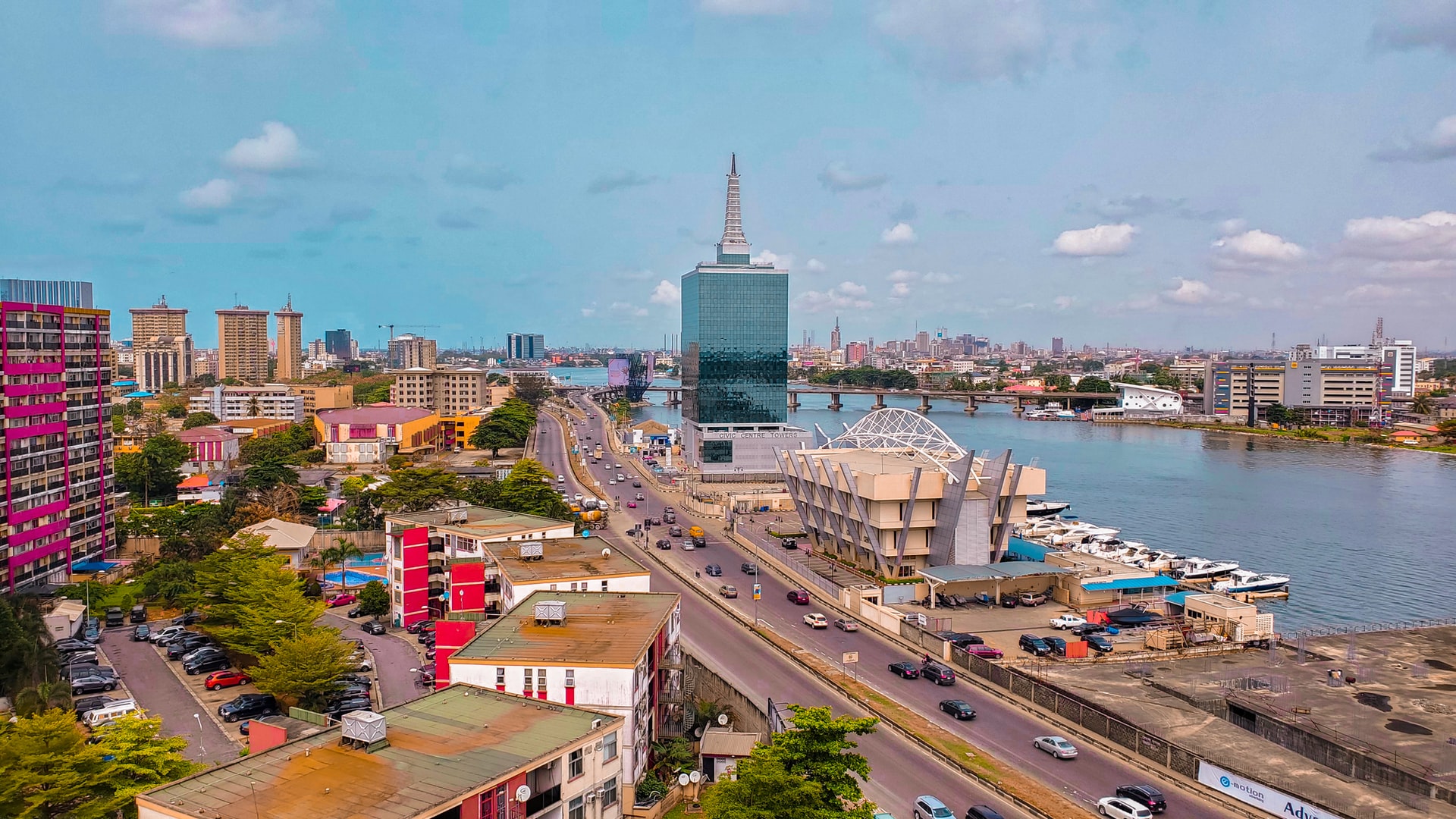
Beaches like Tarkwa Bay and Landmark Beach, vibrant markets, art galleries, and an unmatched nightlife scene make Lagos Nigeria’s cultural heartbeat.
Abuja – Capital Elegance & Natural Landmarks
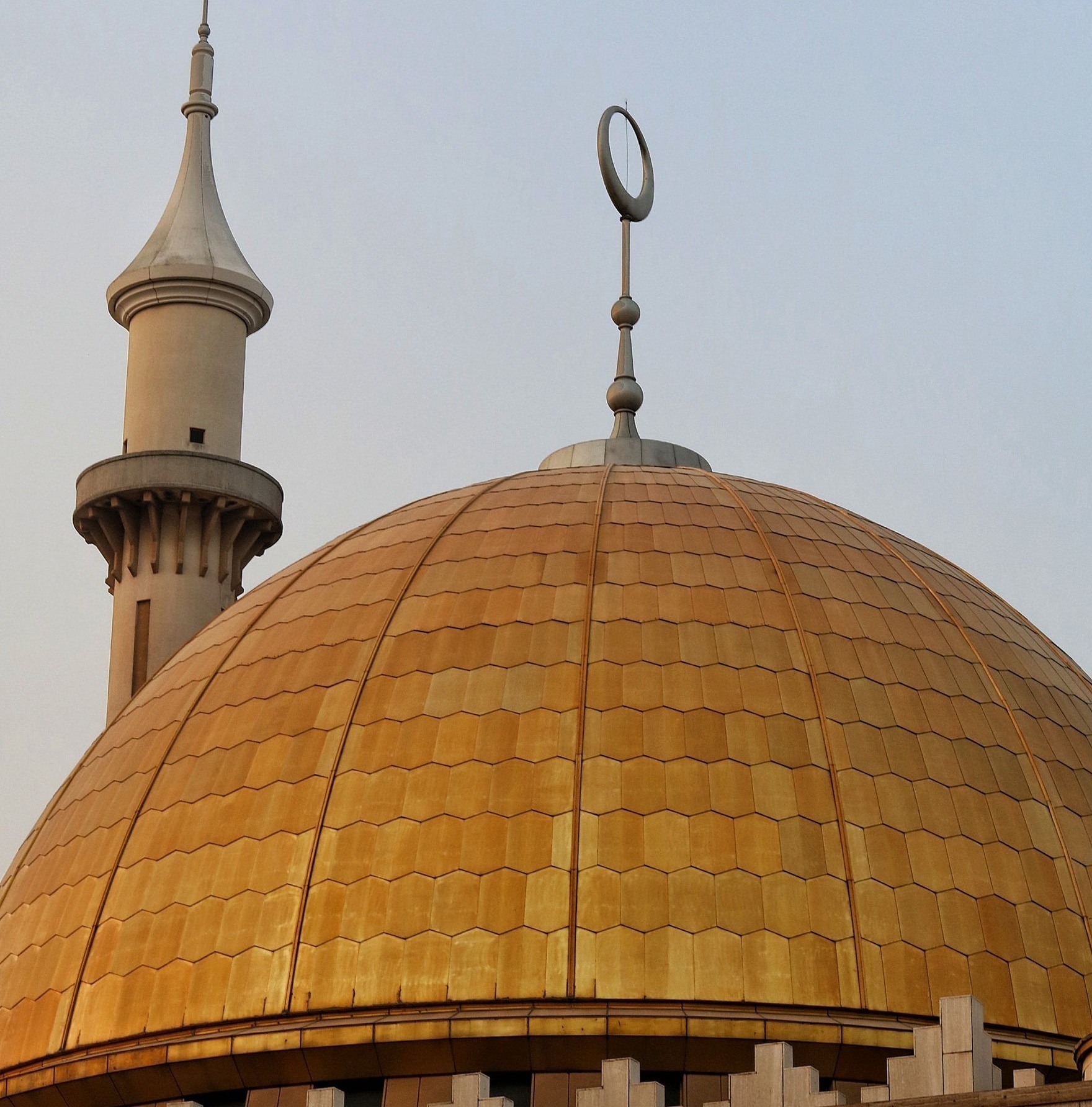
Explore the National Mosque, National Christian Centre, lush parks, and the iconic rocky outcrops of Aso Rock and Zuma Rock.
Yankari National Park
Nigeria’s most famous reserve is home to elephants, baboons, antelope, and warm springs like the beautiful Wikki Warm Spring.
Obudu Mountain Resort
Misty green mountains, cable car rides, and cool temperatures define this scenic resort in Cross River State.
Olumo Rock (Abeokuta)
A historic granite rock with caves, ancient dwellings, and sweeping city views from the summit.
Erin-Ijesha (Olumirin) Waterfalls
A multi-level waterfall surrounded by rainforest—ideal for hiking, photography, and refreshing dips.
Osun-Osogbo Sacred Grove
A UNESCO World Heritage Site, this forest sanctuary blends spirituality, sculpture, art, and Yoruba heritage.
Ancient Kano City
Discover centuries-old walls, dye pits, craft markets, and the majestic Gidan Rumfa (Kano Emir’s Palace).
Best Time to Visit Nigeria
Nigeria has a tropical climate with clear distinctions between the dry season (Nov–Apr) and the rainy season (May–Oct). Your ideal month depends on whether you prefer festivals, nature, beaches, or cooler mountain escapes.
Dry Season (November–April)
- Best for: Beaches, wildlife reserves, road trips, and outdoor sightseeing.
- Weather: Sunny with low rainfall; Harmattan winds may bring dry, dusty air.
- Top picks: Lagos, Abuja, Yankari Park, Cross River attractions.
Rainy Season (May–October)
- Best for: Waterfalls, green landscapes, photography.
- Weather: Warm with afternoon rains; coastal areas receive more showers.
- Pleasant picks: Erin-Ijesha Falls, Obudu plateau on cooler days.
Harmattan Period (Dec–Feb)
- Why go: Cool mornings, comfortable temperatures.
- Consider: Dusty air may reduce visibility in northern regions.
Practical Travel Tips
Getting Around
Nigeria is vast—use domestic flights for long distances (Lagos–Abuja–Kano), and hire local drivers for flexibility on regional trips.
Health & Comfort
Stay hydrated, use insect repellent in tropical zones, and pack light breathable clothing for heat.
Culture & Etiquette
Dress modestly in traditional areas, greet locals politely, and always ask before photographing people.
What to Pack
Sunscreen, portable charger, sturdy footwear, lightweight clothes, and rain protection in wet season.
Suggested Itineraries
5–7 Days – Cities & Nature
- Day 1–2: Lagos (beaches + Lekki Conservation Centre)
- Day 3–4: Abeokuta (Olumo Rock + heritage)
- Day 5–7: Abuja (Aso Rock, Zuma Rock, cultural sites)
8–10 Days – Mountains & Wildlife
- Days 1–3: Abuja region
- Days 4–6: Obudu Mountain Resort
- Days 7–10: Yankari National Park (wildlife + warm springs)
12–14 Days – Full Nigeria Experience
- Lagos (urban culture & beaches)
- Abeokuta & Ibadan heritage
- Osun sacred grove
- Abuja & central highlands
- Kano historical city
#plan-nigeriaPlan Your Nigeria Trip
Useful country information
Total area: 356,667 sq mi (923,768 sq km)
Population (2022 est.): 211.4 million
Capital (2022 est.): Abuja, 3,464,000
Abuja: Capital City Profile
Largest cities: Lagos (2011 est.), 11.223 million; Kano, 3.375 million; Ibadan, 2.949; Port Harcourt 1.894 million; Kaduna, 1.524 million
Monetary unit: Naira
Languages: English (official), Hausa, Yoruba, Igbo (Ibo), Fulani, over 500 additional indigenous languages
Ethnicity/race: More than 250 ethnic groups, including Hausa and Fulani 29%, Yoruba 21%, Ibo 18%, Ijaw 10%, Kanuri 4%, Ibibio 3.5%, Tiv 2.5%
Religions: Islam 50%, Christian 40%, indigenous beliefs 10%
National Holiday: Independence Day (National Day), October 1

Background:
Nigeria, one-third larger than Texas and the most populous country in Africa, is situated on the Gulf of Guinea in West Africa.
British influence and control over what would become Nigeria and today Africa's most populous country grew through the 19th century. A series of constitutions after World War II granted Nigeria greater autonomy; independence came in 1960. Most of the next 40 years Nigeria was ruled by two military juntas (1966–79 and 1983–98). Only in 1999 a new constitution was adopted, and a peaceful transition to civilian government was completed. The government continues to face the daunting task of reforming a petroleum-based economy, whose revenues have been squandered through corruption and mismanagement, and institutionalizing democracy. In addition,
Nigeria continues to experience long-standing ethnic and religious tensions. Although both the 2003 and 2007 presidential elections were marred by significant irregularities and violence, Nigeria is currently experiencing its longest period of civilian rule since independence. The general elections of April 2007 marked the first civilian-to-civilian transfer of power in the country's history and the elections of 2011 were generally regarded as credible.
Country Map

COUNTRY MAP WITH STATES/PROVINCES BOUNDARIES CLICK HERE

Source of Information:


