

Discover Arizona
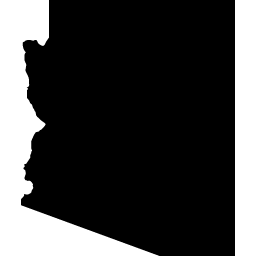
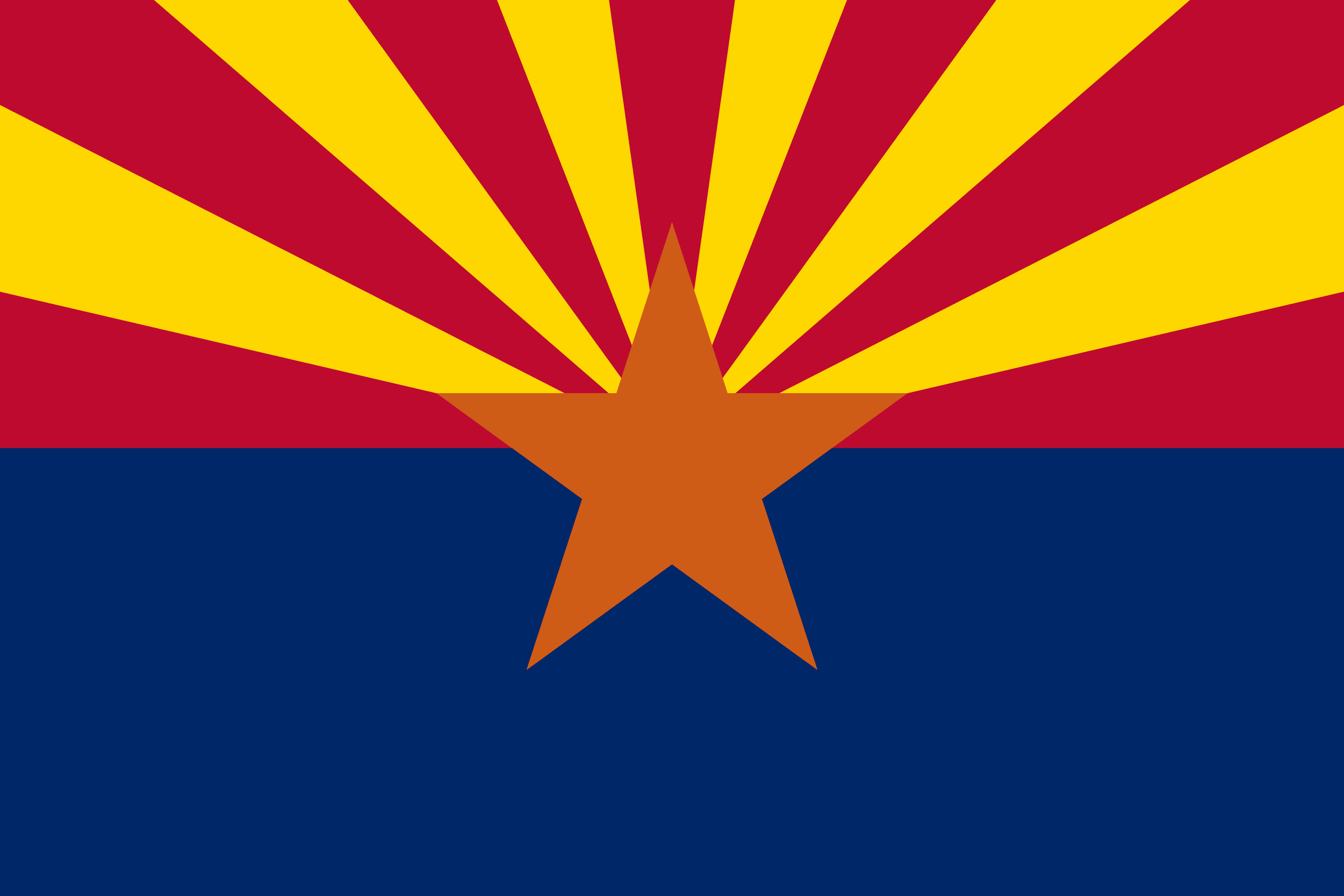
Arizona, located in the Southwestern United States, is bordered by California and Nevada to the west, Utah to the north, New Mexico to the east, and Mexico to the south. Known for its dramatic desert landscapes, Native American heritage, world‑famous national parks, and vibrant cities like Phoenix and Tucson, Arizona offers a stunning mix of nature, culture, and adventure.
Best Time to Visit Arizona
- March–May: Ideal temperatures for hiking, desert blooms, and national park visits.
- September–November: Pleasant weather with fewer crowds—excellent for outdoor activities.
- June–August: Very hot in the desert regions but cooler in high‑elevation areas like Flagstaff and the Grand Canyon.
Tip: Spring and fall offer the best balance of weather, pricing, and outdoor comfort.
History
Arizona's earliest inhabitants included the Hohokam, Ancestral Puebloans, and other Native American cultures. Spanish explorers arrived in the 16th century, followed by Mexican governance until the mid‑19th century. After the Mexican–American War, the region became part of the United States, and Arizona was admitted as the 48th state in 1912. Today, it is known for its natural wonders, Indigenous heritage, and rapidly growing metropolitan areas.
Top Attractions in Arizona
Grand Canyon National Park
One of the world's most iconic natural wonders, offering breathtaking viewpoints, hiking trails, and river rafting along the Colorado River.
Sedona Red Rock Country
Famous for its red sandstone formations, scenic drives, vortex sites, and outdoor adventures.
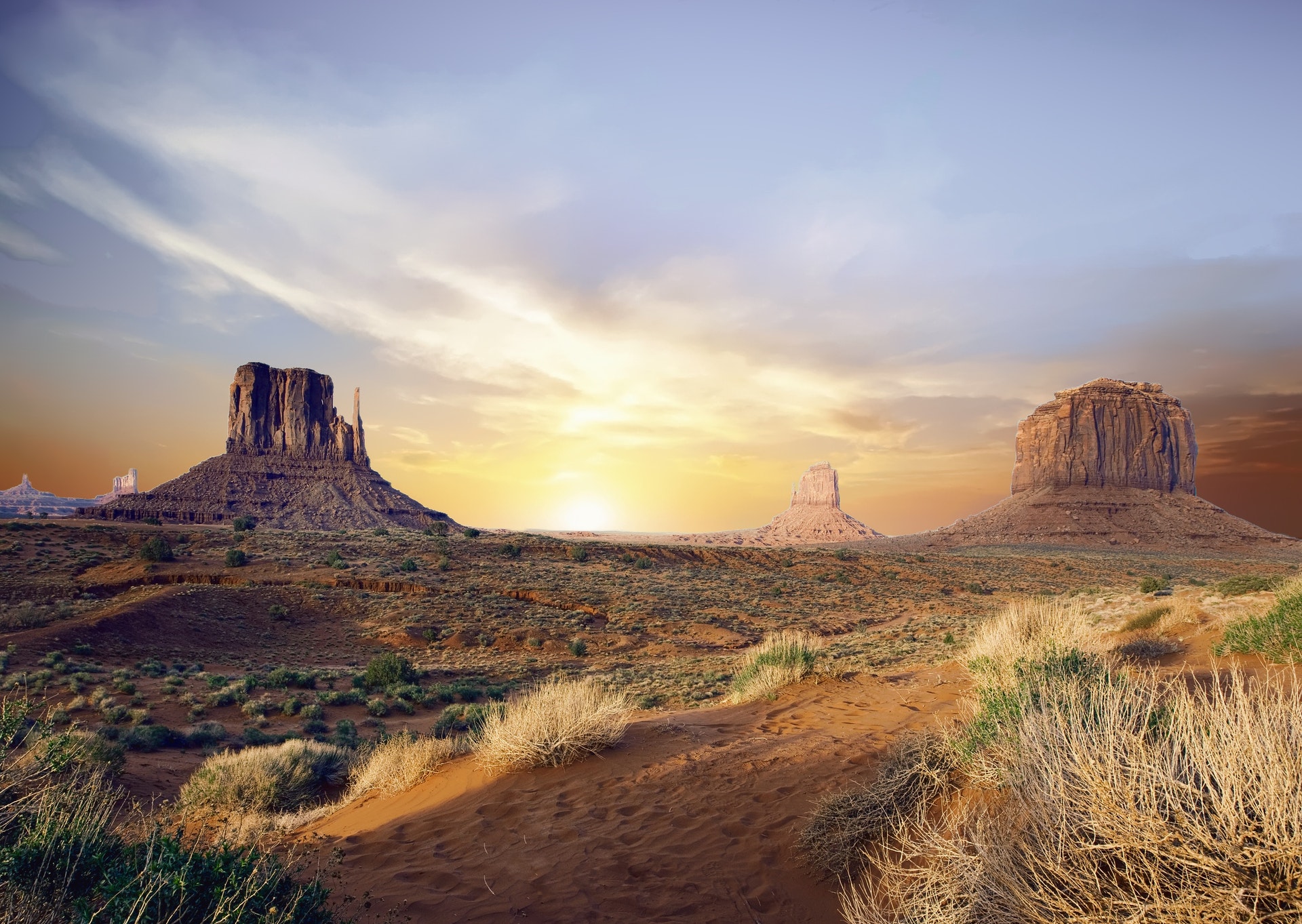
Monument Valley
A Navajo Tribal Park known for its towering sandstone buttes and cinematic desert landscapes.
Petrified Forest National Park
Home to colorful badlands, ancient fossils, and one of the world's largest concentrations of petrified wood.
Phoenix & Scottsdale
Urban centers offering museums, desert gardens, golf resorts, and vibrant dining scenes.
Horseshoe Bend & Antelope Canyon
Two of Arizona's most photographed natural landmarks, known for their dramatic curves and slot canyon light beams.
Tourist Tips for Arizona
- Weather: Desert heat can be extreme—carry water, sunscreen, and avoid midday hikes.
- Driving: Distances between attractions can be long; plan fuel and rest stops.
- National Parks: Reserve lodging early for Grand Canyon, Sedona, and Page.
- Altitude: Northern Arizona is much cooler due to higher elevation—pack layers.
- Local Cuisine: Try Sonoran hot dogs, Navajo tacos, and Southwestern chili dishes.
Capital City: Phoenix
Phoenix is Arizona's capital and largest city, known for its desert landscapes, cultural attractions, golf resorts, and year‑round sunshine.
Explore Phoenix Travel GuideState Facts
| State Capital | Phoenix |
|---|---|
| State Size | Total: 113,990 sq miles; Land: 113,594 sq miles |
| Number of Counties | 15 |
| Time Zone | Mountain Time Zone (no daylight saving time, except Navajo Nation) |
| Bordering States | California, Nevada, Utah, New Mexico |
| Highest Point | Humphreys Peak (12,633 ft) |
| National Parks | Grand Canyon, Petrified Forest, Saguaro |
| State Population (2020) | 7,151,502 |
| Population Density | 64 people per sq mile |
| Area Codes | 480, 520, 602, 623, 928 |
Arizona Map

