Asunción Weather
ASUNCIÓN WEATHERAbout Asunción
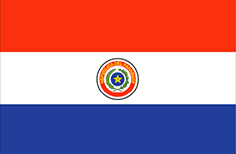
Asunción is the capital and largest city of Paraguay — one of only two landlocked countries in South America, and arguably the continent's most overlooked and misunderstood nation: a land of extraordinary natural beauty, deeply distinctive bilingual culture, a turbulent history of catastrophic wars and dictatorships, and a warmth and tranquillity that few travellers who make the journey forget. Set on the eastern bank of the Río Paraguay at an elevation of just 54 metres above sea level, Asunción is a low-rise, subtropical city of half a million people that spreads outward across the rolling hills of the Chaco border region in a manner simultaneously relaxed and chaotic — wide colonial avenues shaded by trees, crumbling baroque churches alongside modernist civic buildings, street markets selling tereré and chipá, and along the waterfront, a malecón that opens onto the vast, slow-moving highway of the Río Paraguay flowing south toward the Pantanal and the Río de la Plata.
Asunción holds the distinction of being one of the oldest continuously inhabited European cities in South America — founded in 1537 by the Spanish explorer Juan de Salazar de Espinosa, a full generation before Buenos Aires, Lima, or Santiago had achieved their modern forms — and for several decades served as the principal centre of Spanish colonial power in the southern part of the continent, earning it the title Madre de Ciudades (Mother of Cities). Its history has been defined by extremes: the remarkable autonomy of the Jesuit Reductions (the extraordinary theocratic utopias of the 17th–18th centuries, now UNESCO World Heritage Sites in the Paraguayan countryside), the catastrophic War of the Triple Alliance (1864–1870), in which Paraguay lost approximately 60–70% of its entire population — one of the most devastating demographic events in human history — and the long Stroessner dictatorship (1954–1989), the longest in South American history. The result is a city and a country of unusual depth and resilience, where the Guaraní language — spoken by over 90% of the population alongside Spanish, making Paraguay the only truly bilingual nation in the Americas — is as likely to be heard on the street as Spanish, and where the weight of history sits alongside a genuine, unhurried warmth that makes Asunción one of the most unexpectedly rewarding capital cities on the continent.
Best Time to Visit Asunción & Weather Guide
Asunción has a humid subtropical climate — hot, wet summers and mild, dry winters — with extremes at both ends of the temperature range that make the choice of travel season genuinely important. The city's low elevation and position in the interior of the continent mean temperatures can reach 40°C+ in summer and drop below 5°C on winter nights, with the surazo — the cold southerly wind from Patagonia — capable of producing dramatic temperature drops of 15–20°C within hours at any time between April and September.
☀️ Cool Dry Season (May–September)
The most comfortable and strongly recommended time to visit — temperatures of 18–26°C with low humidity and minimal rainfall. June and July are the finest months: mild days, cool evenings, clear skies, and the city's outdoor and cultural life at its most active. The dry season is when Asunción's parks, outdoor markets, and waterfront promenade are most enjoyable, and when day trips to the Jesuit Missions, the Chaco, and the Río Paraguay wetlands are most practical. The city's air is clear, the river views are excellent, and the subtropical vegetation — lush after the summer rains — is at its most photogenic. Visitors should be prepared for the occasional surazo cold front, which can arrive rapidly and require warmer clothing even in June and July. The annual Carnaval Encarnaceno (February, in the southern city of Encarnación — a short trip from Asunción) and Asunción's own summer festivities are a different kind of experience worth considering for visitors who can tolerate the heat.
Best Time to Visit🌧️ Hot Wet Season (November–March)
Paraguay's summer brings intense heat (35–42°C), very high humidity, and heavy afternoon thunderstorms of considerable violence — the most dramatic electrical storms in South America are a feature of the Paraguayan summer, and the heat-humidity combination is genuinely enervating for visitors not accustomed to tropical conditions. The wet season is not recommended for first-time visitors — Asunción's streets flood regularly during the heaviest rains, the heat makes sustained walking and sightseeing exhausting, and insect activity (mosquitoes, sandflies) is at its peak. However, the wet season has its rewards: the Río Paraguay rises dramatically, the countryside turns intensely green, the subtropical gardens and parks of Asunción are at their most lush and flamboyant, and the city's social life — outdoor restaurants, evening street markets, waterfront promenades — pulses with an energy particular to tropical summer evenings. Accommodation prices drop and the city is far less crowded with international visitors.
Hot / Wet Season🌤️ Shoulder Months (March–April / October)
The transition seasons — March–April (late summer/early autumn) and October (late winter/early spring) — offer a middle ground between the extremes. April in particular can be excellent: the worst of the summer heat is over, the rains are easing, the landscape is brilliantly green after the summer monsoon, and temperatures of 22–30°C with moderate humidity make sightseeing comfortable. Prices are lower than in the peak dry season and visitor numbers are reduced. October sees the subtropical vegetation bursting into flower ahead of the rains — the city's jacaranda and lapacho trees in bloom are among the most beautiful sights in South American urban botany. The Fiesta de la Virgen de Caacupé (8 December) — Paraguay's most important religious festival, centred on the Basílica de Caacupé 54km east of Asunción and drawing over a million pilgrims annually — is the most significant cultural event of the year and worth planning a visit around.
Green & Affordable🎉 Festivals & Cultural Calendar
Asunción and Paraguay's cultural calendar blends Catholic Spanish colonial tradition with Guaraní indigenous heritage in a way unique in the Americas. Semana Santa (Holy Week) — Paraguay celebrates Holy Week with some of the most elaborate and devout religious processions in South America, particularly in Asunción's historic centre and in the colonial town of Yaguarón. Fiesta de San Juan (June 23–24) — Paraguay's most distinctive popular festival: an extraordinary night of fire games including the toro candil (a bull made of wire and fire paraded through the streets), walking on hot coals, and the spinning of burning balls (pelota tatá) — a uniquely Paraguayan celebration of fire that draws enormous crowds and has no equivalent elsewhere in Latin America. Expo Paraguay (July–August) — Paraguay's largest annual commercial and cultural fair, held in Asunción and attracting hundreds of thousands of visitors for agricultural displays, local food, music, and crafts. Semana de Asunción (August 15) — the city's founding anniversary, celebrated with civic events, parades, and cultural performances throughout the capital.
Festival CalendarCool Dry Season (May–Sep): Lightweight clothing for warm days (18–26°C) but essential layers for cool evenings and the sudden surazo cold fronts — a light jacket or fleece and a windproof layer are non-negotiable. Comfortable walking shoes for the city's mixed pavement surfaces. Sunscreen and sunglasses for the intense subtropical sun even in winter.
Hot Wet Season (Nov–Mar): The lightest, most breathable clothing possible for the extreme heat and humidity (35–42°C). Maximum sun protection — SPF 50+ sunscreen, a wide-brimmed hat, UV sunglasses. A quality compact umbrella for the dramatic afternoon thunderstorms. Insect repellent with DEET is essential — mosquitoes are active and dengue fever is present in Paraguay. Waterproof sandals for flooded streets during heavy rain.
Year-round: Insect repellent (DEET-based) for evening use and rural areas. A small day bag rather than a large backpack for city exploration. Guaraní phrases are appreciated by locals — even basic greetings in Guaraní (mba'éichapa — how are you? iporã — good/beautiful) will produce delighted responses. A guampa (traditional cup) and bombilla (metal straw) for participating in the tereré-sharing culture that defines social life in Paraguay.
Top Attractions in Asunción
Asunción's attractions reflect its character as one of South America's oldest and most historically layered capitals — centred on its colonial heritage, riverside setting, Guaraní cultural legacy, and role as gateway to Paraguay's extraordinary natural and historical landscapes.
🏛️ Palacio de los López — Presidential Palace
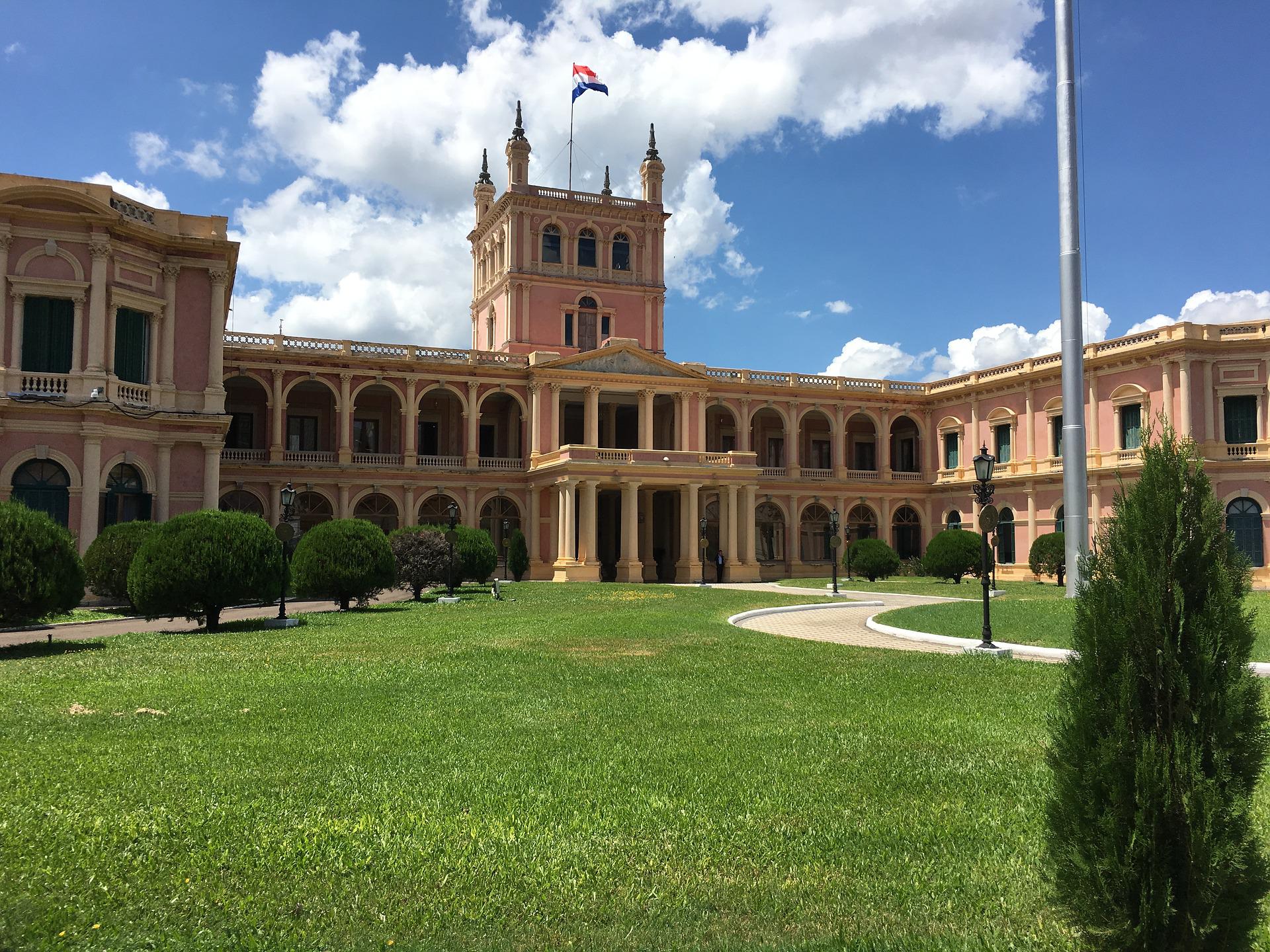
The defining symbol of Asunción and the most architecturally distinguished building in Paraguay — the Palacio de los López, the seat of the Paraguayan government and official residence of the President, is a magnificent Renaissance-style palace commissioned by President Francisco Solano López in the 1860s and designed by the English architect Alonso Taylor. Built from locally quarried stone in a grand Italianate style unusual in South American presidential architecture, the palace's white facade, colonnaded entrance, and formal gardens on the bluff above the Río Paraguay constitute the finest civic architecture in the country. The palace cannot be entered by the public, but its exterior and the adjacent Plaza de la Democracia — with views down to the river and across to the Chaco — are among the finest vantage points in the city. The palace's silhouette against the sunset over the Río Paraguay is the iconic Asunción image.
Presidential Palace🏛️ Panteón Nacional de los Héroes
Paraguay's most sacred national monument and the emotional heart of Asunción — the Panteón Nacional de los Héroes, on the central Plaza de los Héroes, is a neoclassical domed mausoleum modelled on Les Invalides in Paris and housing the remains of Paraguay's national heroes, including President Carlos Antonio López, the child-soldier Mariscal Francisco Solano López (who led Paraguay to catastrophic defeat in the War of the Triple Alliance), and the Unknown Soldier. The building — begun in 1863 as a Catholic oratory, then converted to a mausoleum after the war — is guarded by soldiers in historical dress uniform and surrounded by the colonial-era buildings of the historic centre. Inside, the marble interior, eternal flame, and solemn atmosphere create an unexpectedly moving experience that speaks directly to the depth of Paraguay's historical suffering and national pride.
National Monument🌊 Costanera de Asunción — Riverside Promenade
Asunción's most important public space and the city's finest free outdoor experience — the Costanera de Asunción, a recently developed waterfront promenade stretching along the eastern bank of the Río Paraguay, offers spectacular views across the wide, slow river toward the vast flat wilderness of the Paraguayan Chaco — one of the most dramatic urban panoramas in South America: an entirely unobstructed horizon of wetland, palm forest, and subtropical sky that reminds the viewer of just how wild the continent beyond the city remains. The promenade's parks, outdoor restaurants, cycling paths, and weekend cultural events make it the social heart of Asunción on evenings and weekends. The sunsets over the Chaco — the sky turning orange, red, and purple over the vast flat wilderness across the river — are among the finest in South America and are celebrated by Asunceños as one of the great pleasures of living in the city.
Riverside Sunset🎨 Museo del Barro — Museum of Clay
Paraguay's finest museum and one of the most remarkable art collections in South America — the Museo del Barro, in the Barrio Museo district of western Asunción, houses three interconnected collections of extraordinary quality: the Museo de Arte Indígena (the finest collection of Guaraní and other Paraguayan indigenous art in the world — ceramics, textiles, featherwork, and sculpture of astonishing beauty and anthropological significance); the Museo de Arte Popular Campesino (traditional Paraguayan folk art including the famous ñandutí lacework, ao po'í fine cotton embroidery, and woodcarving); and the Museo de Arte Moderno y Contemporáneo (the most important collection of modern Paraguayan and Latin American art in the country). The Museo del Barro is the single most important cultural institution in Paraguay and an essential visit for understanding the depth and distinctiveness of Paraguayan cultural heritage.
Finest Museum🏘️ Barrio San Jerónimo & Loma San Jerónimo
Asunción's most atmospheric and historically significant neighbourhood and the city's best destination for understanding the authentic everyday life of the capital — Loma San Jerónimo, on the bluff above the historic riverfront, is one of the oldest continuously inhabited areas of Asunción: a neighbourhood of painted wooden houses, steep cobbled streets, communal water wells, and ranchos (traditional Paraguayan houses with wide verandas and terracotta-tiled roofs) that has preserved a character virtually unchanged from the 19th century. The neighbourhood's Iglesia de San Jerónimo (1580 — one of the oldest churches in Paraguay), the hand-painted murals depicting Guaraní legends on the street walls, and the extraordinary views across the Río Paraguay from the loma's summit make this the most evocative urban walk in Asunción — a living museum of the city's colonial and Guaraní heritage.
Historic Quarter🛍️ Mercado Cuatro (Mercado de Abasto)
The largest and most vibrant market in Paraguay and the finest single destination for authentic Paraguayan food, craft, and the raw commercial energy of Asunción — Mercado Cuatro (officially the Mercado de Abasto, but known universally as Cuatro from its location on Calle 4), a vast covered and open-air market complex sprawling across several city blocks in the commercial heart of Asunción, is simultaneously a wholesale produce market, a street food destination of outstanding variety, a craft and textile emporium, and an experience of overwhelming sensory intensity. The market's food section — serving sopa paraguaya, chipá, mbejú, bori-bori, asado, and tereré at a few guaraníes each — is the finest and most affordable eating in the city, and the craft sections offer the best prices on ñandutí lacework, ao po'í embroidery, hammocks, and carved wooden crafts.
Central Market⛪ Catedral Metropolitana de Asunción
The religious heart of Asunción and the most important church in Paraguay — the Catedral Metropolitana Nuestra Señora de la Asunción, on the Plaza de la Independencia adjacent to the Cabildo, is a neoclassical cathedral of considerable dignity whose current form dates primarily from the 19th century, though the site has been the seat of the Asunción diocese since 1547 — making it one of the oldest continually functioning Catholic institutions in South America. The cathedral's interior — with its baroque altarpieces, colonial-era paintings, and the venerated image of Our Lady of the Assumption — is the devotional centre of Paraguayan Catholicism. The adjacent Cabildo (the former colonial seat of government, now the Centro Cultural de la República) houses important historical collections and temporary exhibitions in a beautifully restored building that is among the finest examples of colonial civic architecture in the country.
Cathedral & Cabildo🌿 Jardín Botánico y Zoológico de Asunción
Asunción's finest green space and one of the most historically significant botanical gardens in South America — the Jardín Botánico y Zoológico, in the eastern suburbs of the city on the grounds of the former estate of the López presidential family, encompasses 120 hectares of subtropical forest, formal gardens, and the Museo de Historia Natural del Paraguay (the national natural history collection). The botanical garden's specimens of Paraguay's extraordinary subtropical flora — the lapacho (Tabebuia) trees in pink and yellow flower, the extraordinary diversity of palms, orchids, and bromeliads, and the ancient specimens of the palo borracho (Ceiba speciosa) with their bottle-shaped trunks and spectacular pink flowers — make this the most botanically educational and aesthetically beautiful public space in the capital. The adjacent zoo houses Paraguay's native wildlife including the maned wolf, giant anteater, peccary, and Paraguayan caiman.
Botanical GardenLocal Food Recommendations
Paraguayan cuisine is the most distinctively indigenous of all South American cooking traditions — a deeply satisfying combination of Guaraní pre-Columbian food culture with Spanish colonial influences, built around corn, mandioca (cassava), fresh cheese, and the extraordinary variety of subtropical produce available year-round. The national diet is simultaneously one of the most distinctive and least internationally known in the continent.
🍽️ Must-Try Paraguayan Dishes
- Sopa paraguaya — Paraguay's most beloved and proudly national dish, despite the name meaning "Paraguayan soup": a dense, savoury corn bread-like cake made from corn flour, fresh cheese (queso Paraguay), eggs, onion, and sometimes pork fat, baked in a clay pot until golden and fragrant. The story of its creation — a fortunate accident when a cook preparing a corn soup accidentally added too much flour to produce a solid cake — is one of the most cherished food legends in Paraguayan culture. Sopa paraguaya is the essential accompaniment to asado (grilled meat), served at every family gathering, festival, and celebration in the country, and available at market stalls and comedores throughout Asunción for a few thousand guaraníes. Rich, savoury, and deeply satisfying.
- Chipá — Paraguay's most universal street snack and the food most closely associated with daily Paraguayan life: a small, dense ring or bun of cassava (mandioca) flour, fresh cheese, eggs, and aniseed, baked until crisp on the outside and yielding within, and eaten warm from the basket of the chipera (the vendor who carries them on her head through the streets and buses of Asunción). The distinctive anise-cheese aroma of freshly baked chipá is the quintessential sensory signature of Asunción — as immediately recognisable as a city's smell as baguettes in Paris or empanadas in Buenos Aires. Available at every corner, bus terminal, and market in the city from 5am; eaten for breakfast, mid-morning, and any time the mood strikes.
- Bori-bori — one of Paraguay's great traditional comfort dishes: a thick, fragrant broth of chicken or beef with small dumplings (bori) made from corn flour and fresh cheese — dense, satisfying little spheres that absorb the flavour of the broth and provide a deeply comforting textural contrast. Bori-bori is the definitive Paraguayan cold-weather soup — the dish most likely to appear on the table when a surazo cold front brings the temperature down suddenly, and the closest thing in Paraguayan cooking to a universal comfort food. Available at traditional comedores throughout the city; best eaten on a cool evening with fresh chipá on the side.
- Mbejú — a flat, unleavened griddle cake made from cassava starch, fresh cheese, and salt, cooked on a clay griddle (tatakua) until crisp and fragrant: the oldest continuously prepared food in Paraguay, a direct survival of pre-Columbian Guaraní cooking that predates the Spanish arrival by millennia. Mbejú is eaten for breakfast, as a snack, and at every traditional Paraguayan festival — its simple, pure flavour of warm cassava starch and melted fresh cheese is one of the most distinctively Paraguayan tastes available. Particularly associated with the Fiesta de San Juan (June) and available at traditional food stalls and markets throughout the city.
- Asado paraguayo — Paraguay's version of the South American barbecue tradition, with its own distinctive character: beef, pork, and lamb slow-grilled over wood coals (not charcoal — the wood smoke is essential to the flavour) on a crossed-stick frame (tatakua) at a leisurely pace of several hours, producing meat of extraordinary tenderness and depth of flavour. The Paraguayan asado differs from the Argentine in its preference for wood fire and the inclusion of morcilla dulce (sweet black pudding with orange peel and spices) alongside the standard cuts. The weekly Sunday family asado — which may begin at noon and continue well into the evening — is the most important social ritual in Paraguayan domestic life, and the best asados available to visitors are at the steakhouses (parrilladas) of the Villa Morra and Carmelitas neighbourhoods.
- Chipa guazú — a close cousin of sopa paraguaya and equally beloved: a fresh corn pudding-cake made from green corn kernels (not dried corn flour), fresh cheese, eggs, and onion, baked until golden and slightly caramelised on top. Where sopa paraguaya is dense and savoury, chipa guazú is softer, sweeter, and more delicate — the texture of a very firm flan with the flavour of corn, cheese, and egg in perfect balance. Chipa guazú is the essential summer dish — made when fresh corn is in season — and is considered by many Paraguayans the finest of their traditional corn preparations. Available at traditional restaurants and comedores throughout the city.
🧉 Drinks & Social Culture
- Tereré — Paraguay's national drink and the most important social ritual in the country: a cold infusion of yerba mate herb steeped in ice-cold water (or agua fresca — water infused with medicinal herbs, citrus, and other ingredients), drunk through a metal bombilla (filter straw) from a guampa (traditionally a hollowed bull horn, now often a decorated cup), and shared communally in a rotation that is simultaneously a social ceremony, a medical ritual (the herbal infusions are carefully chosen for their health properties), and a declaration of friendship and trust. Tereré is drunk throughout the day in Paraguay — in offices, on street corners, in parks, during work, and at every social gathering — and the offer of tereré to a visitor is the most direct expression of Paraguayan hospitality. The tereré rupa (tereré session) — in which a group passes the guampa in rotation, each person drinking until the guampa is empty before passing it to the next — is the most characteristically Paraguayan social experience available and should not be declined.
- Mate cocido — Paraguay's warm-weather alternative to tereré: a hot infusion of yerba mate drunk as a tea, sweetened with sugar and sometimes mixed with milk in the mornings. Less ceremonially significant than tereré but equally ubiquitous — the warm mate tradition connects Paraguay to the broader River Plate yerba mate culture of Argentina and Uruguay while the tereré cold-infusion tradition is distinctively and exclusively Paraguayan.
- Caña paraguaya — Paraguay's traditional sugarcane spirit and one of the oldest continuously produced alcoholic drinks in South America: a raw, powerful cane rum of considerable character distilled from freshly pressed sugarcane juice in small artisan distilleries throughout the Paraguayan countryside. The finest caña productions — aged in wood and mellowed to a complexity of flavour that rivals Brazilian cachaça or Caribbean rum — are available at specialist drinks shops and traditional restaurants in Asunción. Caña is the essential ingredient in the clericó (Paraguayan wine and fruit punch) served at traditional festivals.
- Mosto helado — freshly pressed sugarcane juice served over crushed ice: the most refreshing and most distinctively Paraguayan summer drink, available from mostero carts throughout the city centre and markets. Sweet, intensely green-flavoured, and extraordinarily refreshing in the summer heat — a large cup of mosto helado costs a few thousand guaraníes and is one of the great simple pleasures of a hot Asunción afternoon.
🍽️ Where to Eat — Local Tips
- Mercado Cuatro food section — the finest and most authentic eating in Asunción and the best introduction to everyday Paraguayan food culture: the market's comedor section serves sopa paraguaya, chipá, bori-bori, mbejú, and all the classic Paraguayan dishes at prices of G$8,000–18,000 ($1.10–2.45) per full meal. Arrive for breakfast (6–9am) for the freshest chipá and the most local atmosphere, or for lunch (11am–1pm) for sopa paraguaya and the full comedor experience.
- La Flor de la Canela — one of Asunción's most acclaimed traditional Paraguayan restaurants, serving the full repertoire of classic Paraguayan cooking — sopa paraguaya, bori-bori, chipa guazú, asado — in a comfortable, family-oriented atmosphere in the Villa Morra neighbourhood. The sopa paraguaya and slow-cooked beef are outstanding. Budget approximately $12–20 per person for a full meal with drinks.
- São Paulo Restaurant (Costanera) — the finest riverside dining in Asunción: grilled river fish (surubí, dorado, pacú) and traditional Paraguayan grills eaten on an open terrace overlooking the Río Paraguay with the Chaco wilderness beyond. Cold Pilsen beer, fresh surubí a la parrilla, and the Asunción sunset over the river — one of South America's finest value dining experiences at $10–20 per person.
- Comedores near the Mercado Cuatro — the best-value everyday eating in the city: a cluster of family-run comedores serving complete Paraguayan lunches (sopa, protein, salad, chipá, drink) for G$10,000–15,000 ($1.35–2.05). The food is home-cooked, the portions generous, and the clientele a democratic mix of market workers, office staff, and neighbourhood residents that represents the most authentic everyday Asunción eating culture.
- Bar San Roque — Asunción's oldest continuously operating bar and one of the most historically significant drinking establishments in South America, open since 1896 in the historic centre near the Panteón: cold Pilsen beer, traditional Paraguayan snacks, and a century of Asunción history in the walls and the clientele. The most authentically Paraguayan bar experience in the capital.
🎨 Paraguayan Crafts & Cultural Heritage
- Paraguay's most internationally celebrated craft tradition is ñandutí — the extraordinary lacework (encaje de aguja) produced by the artisans of the town of Itauguá (30km from Asunción): circular webs of cotton thread worked on a cushion in geometric patterns inspired by the dewdrop-covered spider webs of the Paraguayan countryside (the name means "spider web" in Guaraní). Ñandutí tablecloths, doilies, blouses, and decorative pieces are among the most technically accomplished traditional crafts in South America and the finest Paraguayan souvenir available. Available at the Itauguá market (a recommended day trip) and at craft shops throughout Asunción.
- Ao po'í (literally "fine cloth" in Guaraní) — Paraguay's finest textile tradition: an extremely delicate hand-embroidered cotton fabric of extraordinary intricacy, produced using needles of cactus spine on the finest weave of cotton thread. The ao po'í tradition — concentrated in the town of Guarambaré and several Asunción neighbourhoods — produces tablecloths, shirts, dresses, and accessories of exceptional quality that are recognised internationally as among the finest examples of South American textile arts. The ao po'í dress shirt is the most distinguished and most specifically Paraguayan formal garment available.
- Carved wooden crafts — Paraguay's hardwood carving tradition produces furniture, decorative objects, and religious sculptures of considerable quality, worked from the extraordinary hardwoods of the Paraguayan subtropical forest: lapacho, guatambú, cedro, and the rare palo santo (holy wood) whose resin produces one of the most distinctive fragrances in South America. Available at craft markets throughout Asunción and at specialist workshops in the Barrio San Jerónimo.
- Yerba mate paraphernalia — the decorated guampa (cup) and bombilla (straw) used for tereré and mate are among the most distinctive and most practical Paraguayan souvenirs: bull horn guampas carved with Guaraní motifs, silver bombillas engraved with traditional patterns, and the insulated termo (thermos) essential for keeping water cold for tereré. A quality guampa and bombilla set ($5–20) is simultaneously a practical purchase and the most authentically Paraguayan cultural artefact available to visitors.
Day Trip Itineraries from Asunción
Asunción's central position in Paraguay makes it the ideal base for exploring the country's finest attractions — all within 1–4 hours by road:
🕍 Day Trip: Itauguá — Ñandutí Lacework Town
Travel time: 30 minutes by road | Cost: Bus from G$4,000 ($0.55); taxi/shuttle $15–25 return
Itauguá — a colonial town 30km east of Asunción on the Ruta 2 — is the centre of Paraguay's world-famous ñandutí lacework tradition and the finest craft destination within easy reach of the capital. The town's artisan workshops — most open to visitors — produce the full range of ñandutí lacework: tablecloths, doilies, blouses, and decorative pieces in the circular cobweb patterns that have made Paraguayan lace internationally celebrated. The Mercado de Ñandutí (the central market of the town's lace tradition) is the best place to purchase directly from the artisans at fair prices. The annual Festival del Ñandutí (July) — when the town fills with folk music, traditional dancing, and the finest lacemakers in the country displaying their work — is one of the most authentic craft festivals in South America.
Craft Heritage⛪ Day Trip: Caacupé — Paraguay's Spiritual Capital
Travel time: 1 hour by road | Cost: Bus from G$8,000 ($1.10); taxi/shuttle $25–40 return
The spiritual heart of Paraguay and the most important pilgrimage destination in the country — Caacupé, a city of 60,000 in the central highlands 54km east of Asunción, is built around the extraordinary Basílica de Nuestra Señora de los Milagros de Caacupé: Paraguay's national shrine, housing the venerated image of the Virgen de Caacupé, to which over a million pilgrims make the journey (many on foot from Asunción) on the feast day of December 8 — the largest single annual gathering of people in Paraguay and one of the most extraordinary expressions of popular Catholic devotion in South America. The Basílica itself — a grand modern structure of considerable scale and dignity — is impressive at any time of year; the surrounding highland landscape, at 300m elevation and noticeably cooler than Asunción, is beautifully green and pleasant.
Pilgrimage City🏛️ Day Trip: Areguá & Lago Ypacaraí
Travel time: 40 minutes by road | Cost: Bus from G$5,000 ($0.68); taxi/shuttle $20–30 return
Paraguay's most beautiful colonial lakeside town and the country's most important centre for traditional ceramics — Areguá, on the shore of Lago Ypacaraí (the largest natural lake in Paraguay), is a charming colonial town of coloured wooden houses, flowering gardens, and artisan ceramic workshops that has maintained its 19th-century character while becoming the most popular weekend destination for Asunceños. The town's ceramic tradition — producing handmade decorative pottery with distinctively Paraguayan motifs — is available directly from the workshops that line the streets, and the Frutilla Festival (July) — celebrating the extraordinary strawberries grown in Areguá's fertile lakeside soil — is Paraguay's most charming and most aromatic food festival. The lake itself, surrounded by hills covered in subtropical vegetation, provides a beautiful backdrop for the weekend atmosphere of the town.
Colonial Lakeside🏛️ Multi-Day: Jesuit Missions of Trinidad & Jesús
Travel time: 4 hours by road | Cost: Bus from G$35,000 ($4.80); organised tour $80–120 per person
Two of the most remarkable and least-visited UNESCO World Heritage Sites in South America — the Jesuit Missions of Trinidad (1706) and Jesús de Tavarangüe (1685), in the Itapúa department of southern Paraguay near Encarnación, are the finest surviving examples of the extraordinary Jesuit Reduction system: the network of self-governing theocratic communities established by the Society of Jesus among the Guaraní people in the 17th–18th centuries, which at their peak housed over 100,000 Guaraní in communities of remarkable educational, musical, and artistic achievement. Trinidad — the best preserved of the 30 missions spread across Paraguay, Argentina, and Brazil — features an extraordinary baroque church of red sandstone with outstanding relief carvings, a musical tradition that produced orchestras and choirs of continental fame, and a museum of sculpture and daily life artefacts that brings the mission world vividly to life. The sound and light show at Trinidad on weekend evenings is among the finest of its kind in South America.
UNESCO HeritageTourist Tips for Asunción
🚌 Getting Around
- Asunción is a sprawling, low-density city organised around a radial road system spreading out from the historic centre toward the modern commercial districts of Villa Morra, Carmelitas, and Ycuá Bolaños. Distances between attractions are significant and the city's public bus system, while extensive and very cheap, is complex and often overcrowded. Taxis and rideshare apps are the most practical option for visitors.
- Taxis — widely available throughout Asunción: always agree the fare before departure (typical central city fares G$20,000–45,000 / $2.70–6.15). Official radio-taxi services are safer than unofficial street taxis — the Radio Taxi Asunción and similar services can be called by phone or requested from hotels. App-based rideshare services (Uber operates in Asunción) provide metered, safer alternatives and are strongly recommended over street taxis for solo travellers and at night.
- Public buses (ómnibus) — extremely cheap (G$2,000–3,000 / $0.27–0.41 per journey) but very crowded, slow, and without clear route information for visitors. Useful for short, well-known routes but not recommended for navigating the city independently without local guidance. The bus system is the primary transport of everyday Asunceños and an authentic experience in itself.
- Car hire — the most practical option for exploring Paraguay beyond Asunción: the country's main road network is adequate on tarred routes, and a rental car gives access to the Jesuit Missions, the Chaco, and the Atlantic Forest on a flexible itinerary. International hire companies operate from the airport. A regular sedan is adequate for main tarred routes; 4WD is strongly recommended for the Chaco and rural northern areas, particularly in the wet season when unpaved roads become impassable.
- Silvio Pettirossi International Airport (ASU) is 15km northeast of the city centre — approximately 30–40 minutes by taxi (G$60,000–80,000 / $8.20–10.95). The airport handles regional connections and international flights to Buenos Aires, São Paulo, Lima, Bogotá, Miami, Madrid, and major Latin American destinations.
💡 General Safety & Travel Tips
- Asunción is generally a safe city by South American standards, though normal urban caution is essential — petty theft and pickpocketing occur in crowded areas including Mercado Cuatro and the historic centre bus terminals. Use rideshare or radio taxis rather than flagging street taxis at night. Avoid displaying expensive jewellery, phones, or cameras in the street. Keep to the main tourist, commercial, and restaurant districts after dark — the Villa Morra and Carmelitas areas are the safest and most active evening destinations.
- The Paraguayan Guaraní (PYG) is the official currency. ATMs dispense guaraníes at banks throughout the city centre and commercial areas. Credit cards (Visa, Mastercard) are accepted at larger hotels, restaurants, and shops, but cash is essential for markets, street food, buses, and most everyday transactions. US dollars and Argentine pesos are widely accepted at hotels and some restaurants. The exchange rate makes Paraguay excellent value for visitors paying in USD or EUR — Paraguay is among the most affordable capital cities in South America.
- Health precautions are important for Paraguay travel: dengue fever is endemic and mosquito protection (DEET repellent, long sleeves at dusk) is essential in the wet season. The Chaco and jungle areas carry additional mosquito-borne risks — consult your doctor if travelling beyond the main cities. Drink bottled or filtered water only — tap water quality is inconsistent in Asunción. The altitude in Asunción is negligible (54m), so altitude sickness is not a concern.
- Paraguay uses 220V/50Hz electricity with Type C (European round-pin) and Type I (Australian angled-pin) sockets. US/Canadian visitors will need an adaptor and possibly a voltage converter. European visitors need only a socket adaptor for Type I sockets.
- Spanish is essential for independent travel in Asunción — English is rarely spoken outside the main international hotels and some tourist-oriented restaurants. Even basic conversational Spanish will transform the experience. Guaraní words and phrases are appreciated with great warmth by Paraguayans and produce a level of delight and friendship disproportionate to the linguistic effort required.
Apply for Tourist Visa
Citizens of most Western countries including the USA, Canada, EU member states, the UK, Australia, and New Zealand can enter Paraguay visa-free for tourist stays. Most nationalities receive a 90-day tourist entry stamp on arrival at Silvio Pettirossi International Airport or land border crossings. Citizens of some countries must obtain a tourist visa in advance through the nearest Paraguayan embassy or consulate. Verify current entry requirements for your nationality through your country's embassy or the official Paraguayan immigration authority (Dirección General de Migraciones) before travel. Paraguay Visa Information
Important Emergency Numbers
🇵🇾 Asunción Emergency Contacts
- 🚑 Ambulance: 911
- 🔥 Fire Brigade: 911
- 👮 Police: 911
International Emergency Phone Numbers
Find Flights to Asunción
Asunción Airport Code: ASU — Silvio Pettirossi International Airport, 15km northeast of the city centre (30–40 minutes by taxi)
Airport Transfer: Taxis from the airport to central Asunción cost approximately G$60,000–80,000 ($8.20–10.95) — agree the fare before departure or use Uber from the arrivals area. International connections include direct flights to Buenos Aires (LATAM, Aerolíneas Argentinas, Gol), São Paulo (LATAM, Gol), Lima (LATAM), Bogotá (Avianca), Miami (American Airlines), Madrid (Air Europa via Buenos Aires), and major Latin American destinations. Most European visitors route via Buenos Aires, São Paulo, or Miami.
Cities Around the World with IATA Airport CodesCurrency in Asunción
The official currency of Paraguay is the Paraguayan Guaraní (PYG). ATMs dispense guaraníes at banks throughout the city. Credit cards (Visa, Mastercard) are accepted at larger establishments but cash is essential for markets, street food, buses, and most everyday transactions. US dollars are widely accepted in tourist areas and hotels. Paraguay is one of the most affordable countries in South America — the guaraní's exchange rate makes it excellent value for visitors paying in USD or EUR.