

Country's codes
International phone code for Paraguay: +595
Standard EAN-13 (country barcode): 784
 Olympic country code: PAR

Paraguay: Top Attractions & Best Time to Visit
Landlocked yet full of character, Paraguay is South America’s hidden gem—rich in colonial history, natural reserves, Guaraní culture, and unique landscapes. Ideal for travelers seeking authentic, off‑the‑beaten‑path adventures.
Best Time to Visit Paraguay
Paraguay has a warm, subtropical climate. The best time to visit is from May to September, when temperatures are cooler and ideal for exploring cities, wildlife reserves, and historic sites.
Summers (December to March) can be hot and humid, especially in the Chaco region, but it's still a good time for cultural festivals and exploring Asunción’s vibrant nightlife.
- May–Sep: Pleasant weather, perfect for sightseeing.
- Oct–Nov: Warm spring bloom; great for nature visits.
- Dec–Mar: Hot and humid; lively festivals and events.
Top Attractions in Paraguay
Asunción
One of South America’s oldest capitals, Asunción offers colonial buildings, lively plazas, and a relaxed riverside vibe. Highlights include the López Palace, Costanera, and Mercado 4.
Jesuit Missions of La Santísima Trinidad & Jesús
These UNESCO-listed ruins reveal Paraguay’s fascinating Jesuit heritage. Intricate stone carvings, plazas, and preserved structures make for a powerful historical experience.
Itaipú Dam
One of the world’s largest hydroelectric dams, Itaipú offers scenic viewpoints, night illumination tours, and eco-reserves with abundant birdlife.
Pantanal Paraguayo
A vast wetland full of wildlife—capybaras, caimans, exotic birds, and more. A dream destination for nature photographers and wildlife lovers.
Encarnación
Known as the “Pearl of the South,” Encarnación is famous for its riverside beaches, carnival celebrations, and access to Jesuit missions.
Ybycuí National Park
A lush reserve with waterfalls, rainforest trails, and the historic La Rosada iron foundry. Perfect for a day trip from Asunción.
Saltos del Monday
A powerful multi-tiered waterfall near Ciudad del Este, often compared to Iguazú but with far fewer crowds.
Chaco Region
A rugged frontier full of wildlife, unique Mennonite colonies, and remote national parks like Defensores del Chaco.
Cerro Corá National Park
A beautiful reserve that blends nature and history, known as the site of the final battle of the Paraguayan War.
Areguá
A charming colonial town known for ceramics, strawberry farms, and stunning sunsets over Lake Ypacaraí.
Suggested 7‑Day Paraguay Itinerary
- Day 1 — Asunción: Plaza de Armas, López Palace, riverfront.
- Day 2 — Areguá & Lake Ypacaraí: Ceramics, lake views, cafés.
- Day 3 — Encarnación: Beach time & riverside sunset.
- Day 4 — Jesuit Missions: Explore Trinidad & Jesús ruins.
- Day 5 — Ciudad del Este: Markets & Itaipú Dam.
- Day 6 — Saltos del Monday: Waterfall visit & nature trails.
- Day 7 — Ybycuí National Park: Waterfalls & forest hikes.
Food & Culture
Paraguay’s culture is a unique blend of Guaraní and Spanish traditions—seen in its language, music, crafts, and cuisine. Must‑try dishes include chipa (cheese bread), sopa paraguaya (savory cornbread), mbeju, and refreshing tereré, the national iced yerba mate drink.
Practical Tips
- Transport: Buses are common; renting a car gives more flexibility.
- Payments: Cash is essential in rural areas.
- Weather: Summers are hot—plan outdoor trips early in the day.
- Safety: Cities are safe with normal precautions.
- Connectivity: Good in cities; limited in remote Chaco areas.
Useful country information
Land area: 153,398 sq mi (397,301 sq km); total area: 157,046 sq mi (406,750 sq km)
Population (2022 est.): 7.22 million
Capital and largest city (2022 est.): Asuncion, 3,452,000
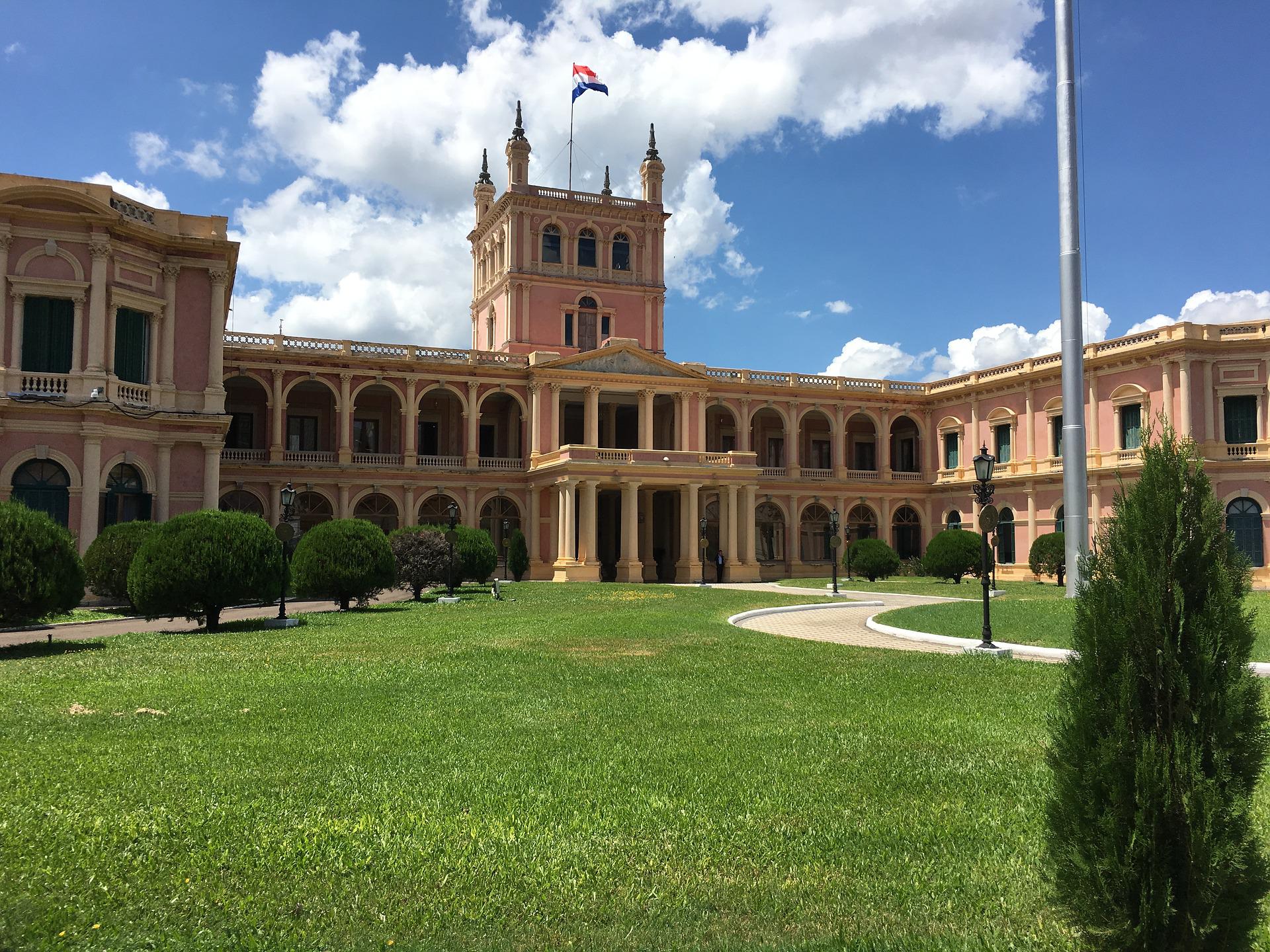
Asuncion: Capital City Profile
Other large cities: Ciudad del Este, 320,782; San Lorenzo, 271,064
Monetary unit: Guaran
National name: Repblica del Paraguay
Languages: Spanish, Guaran (both official)
Ethnicity/race: mestizo 95%, other 5%
Religions: Roman Catholic 89.6%, Protestant 6.2%, other Christian 1.1%, other 1.9%, none 1.1% (2002)

Background:
In the early 16th century Europeans arrived in the area inhabited by seminomadic Guarani-speaking tribes called Cayua or Caingua, "men of the forest". In 1537 the Spaniards founded Asunción which became the center of a Spanish colonial province. Paraguay declared its independence by overthrowing the local Spanish authorities in 1811.
In the disastrous War of the Triple Alliance fought between Paraguay and the allied countries of Argentina, Brazil, and Uruguay (1865-70), Paraguay lost two-thirds of all adult males and much of its territory. It stagnated economically for the next half century. In the Chaco War of 1932-35, large, economically important areas were won from Bolivia.
The 35-year military dictatorship of Alfredo STROESSNER was overthrown in 1989, and, despite a marked increase in political infighting in recent years, relatively free and regular presidential elections have been held since then.
The country remains one of the poorest in the region with over 40% of its people living in poverty. Much of the land is in the hands of a tiny elite and successive governments have been slow to implement land reform.
In spring 2017 Paraguay's congress building was set on fire as election protests turned deadly after a vote to let President Horacio Cartes, from the right-wing Colorado Party, run again. President Cartes is one of Paraguay's wealthiest people and part of the tiny elite that controls just about everything in the country.
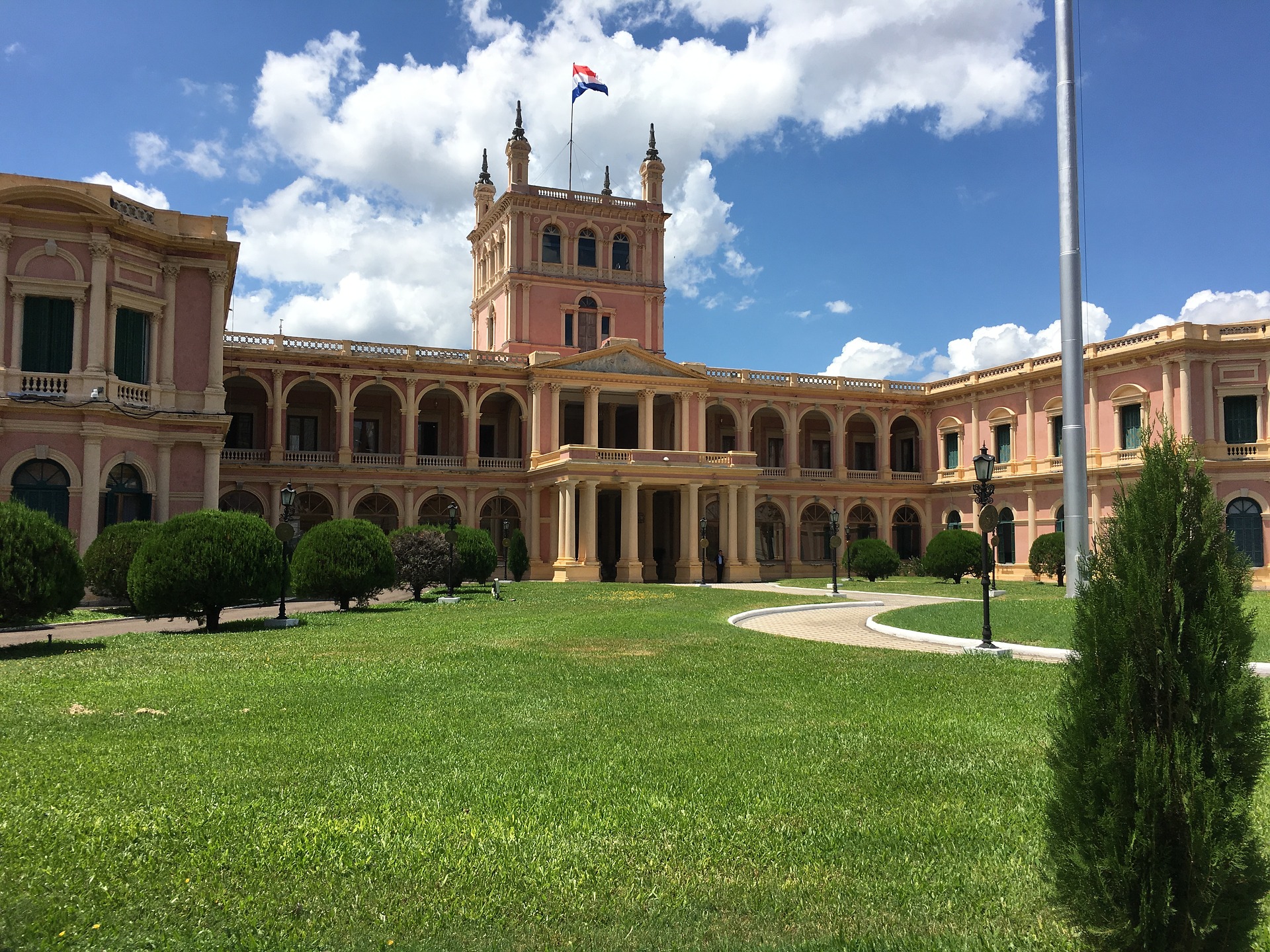
Country Map

COUNTRY MAP WITH STATES/PROVINCES BOUNDARIES CLICK HERE

Source of Information:


