Country's codes
International phone code for Burkina Faso: +226
Standard EAN-13 (country barcode): Not assigned
 Olympic country code: BUR
Discovering Burkina Faso: The Land of Honest People
Travel Tips for Tourists
• Getting There:
Burkina Faso is served by Ouagadougou International Airport and Bobo-Dioulasso Airport, with flights from Paris, Istanbul, and regional African hubs. Most travelers require a visa, which can be obtained online or at embassies. Ensure your passport is valid for at least six months beyond your stay.
• Best Time to Visit:
The dry season from November to March is the most comfortable time to visit, with cooler temperatures and minimal rainfall. Cultural festivals like FESPACO (film) and SIAO (arts and crafts) take place during this period. Avoid the rainy season (June to September), which brings heavy downpours and impassable roads in rural areas.
• Top Attractions:
- Ouagadougou: Explore vibrant markets, the National Museum, and local crafts.
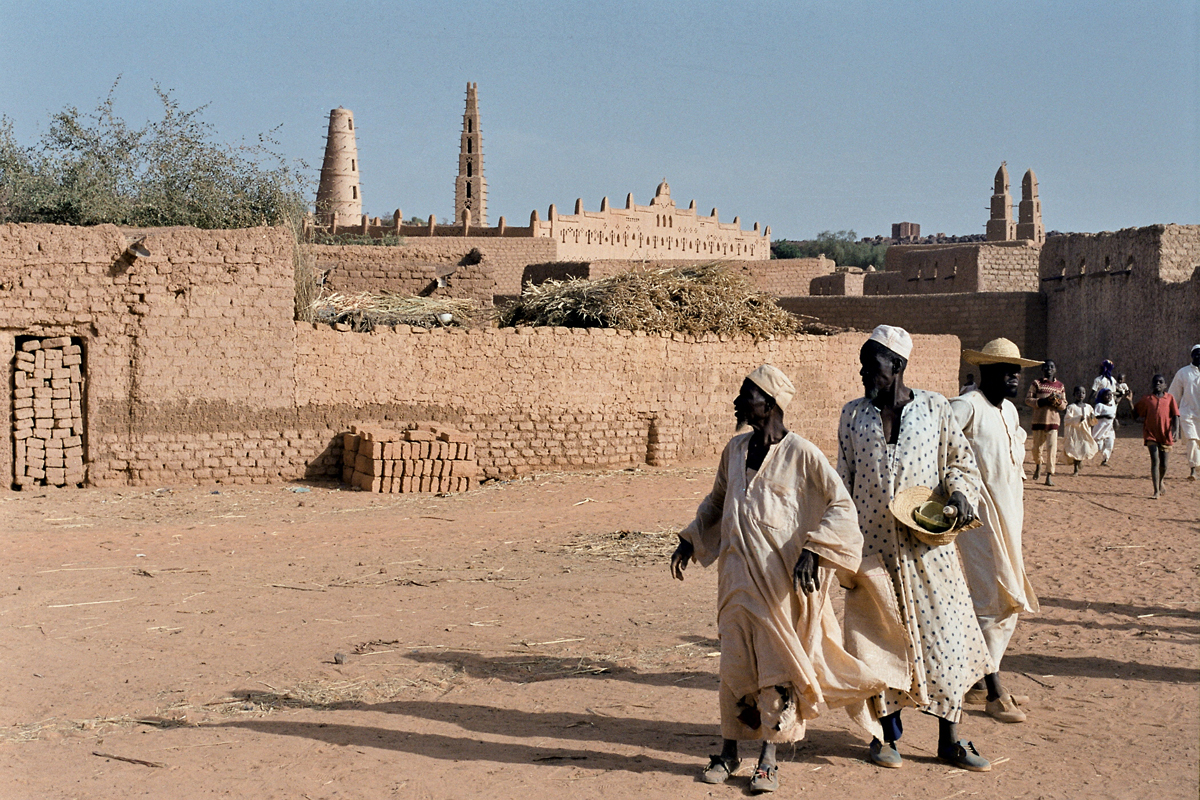
- Bobo-Dioulasso: Visit the Grand Mosque and enjoy live music and cultural performances.
- Sindou Peaks: A stunning natural rock formation ideal for hiking and photography.
- Banfora: Known for waterfalls, lakes, and the Karfiguéla Cascades.
- Comoé National Park: A biodiversity hotspot for eco-tourism and wildlife viewing.
• Healthy Travel Advice:
- Water safety: Drink only bottled or purified water, especially in rural areas.
- Vaccinations: Yellow fever and malaria prophylaxis are strongly recommended.
- Local cuisine: Try healthy dishes like tô (millet or sorghum porridge), riz gras (vegetable rice), and bissap (hibiscus drink).
- Road safety: Roads can be hazardous; avoid night travel and use reputable transport.
- Healthcare: Urban centers have clinics, but rural areas may lack medical facilities—carry essential medications and travel insurance.
A Glimpse into Burkina Faso’s History
Burkina Faso’s history is deeply rooted in the ancient Mossi Kingdoms, which date back to the 11th century. These kingdoms maintained autonomy until French colonization in the late 19th century. The country was known as Upper Volta during colonial rule and gained independence in 1960.
In 1984, the name was changed to Burkina Faso, meaning "Land of Honest People." The country has experienced multiple coups and political transitions, with a strong tradition of cultural resilience and community solidarity.
Current Political Landscape
Burkina Faso is currently governed by a military-led transitional government, following two coups in 2022. The political situation remains unstable, with postponed elections and ongoing security concerns, particularly in northern and eastern regions.
A state of emergency is in effect in several areas due to the threat of terrorism and armed conflict. Travelers are advised to stay informed through local media and follow guidance from authorities. Despite these challenges, efforts are underway to restore democratic governance and improve national stability.
Useful country information
Land area: 105,714 sq mi (273,799 sq km); total area: 105,878 sq mi (274,223 sq km)
Population (2025 est.): 23.5 million
Capital and largest city (2025 est.): Ouagadougou, 3,521,000
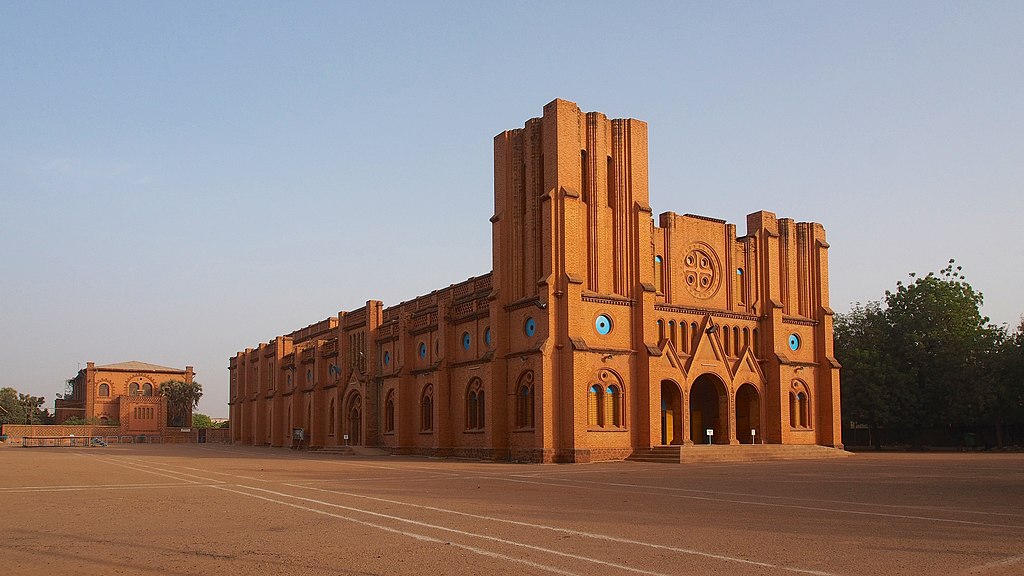
Ouagadougou: Capital City Profile
Monetary unit: CFA Franc
Ethnicity/race: Mossi (about 52%), Fulani/Peul (8.4%), Gurma (7%), Bobo (4.9%), Gurunsi (4.6%), Senufo (4.5%), Bissa (3.7%), Lobi (2.4%), Dagara (2.4%), Tuareg/Bella (1.9%), Dioula (0.8%), other/unspecified (7.4%)
National Holiday: Republic Day, December 11
Religions: Muslim 63.8%, Roman Catholic 20.1%, traditional African religions 9%, Protestant 6.2%, other/no religion 0.9% (latest estimates)

Background:
Burkina Faso, a landlocked country in West Africa, gained independence from France on August 5, 1960. Since independence, the nation has experienced periods of political instability, including multiple military coups and transitions between civilian and military rule.
During the early 1990s, Burkina Faso introduced a multiparty political system, though political tensions and governance challenges remained significant for decades. In 2014, widespread popular protests led to the resignation of long-time president Blaise Compaoré after 27 years in power, marking a major turning point in the country’s modern political history.
In recent years, Burkina Faso has faced growing security challenges linked to extremist violence and regional instability in the Sahel region. These conflicts have contributed to humanitarian pressures, internal displacement, and economic difficulties.
Despite these challenges, Burkina Faso remains known for its rich cultural heritage, vibrant traditions, and resilient population. Agriculture continues to employ a large portion of the workforce, although recurring droughts, limited natural resources, and rapid population growth continue to affect economic development prospects.